Bulldozer: Types, Uses, Weight, Price, Photos, Where To Buy, Parts
8 Min read
&w=3840&q=75)

July 24, 2024
What is a Bulldozer?
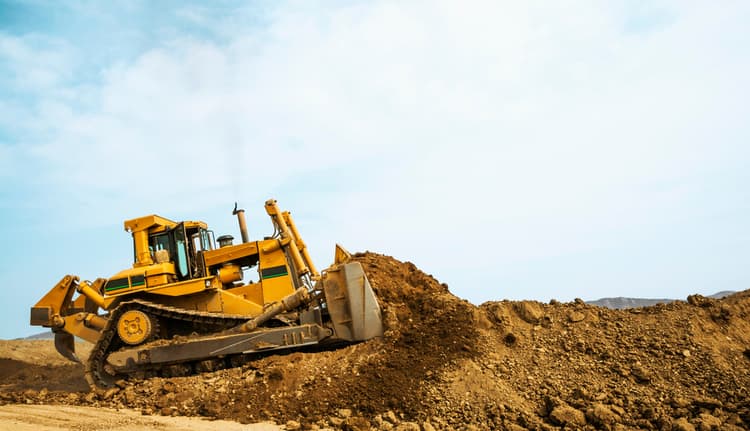
A bulldozer is a powerful construction machine with a large front blade for pushing materials like soil and rubble. It operates on tracks or wheels for stability and is used in tasks such as land clearing, excavation, and grading. Powered by diesel engines, bulldozers often feature a rear ripper for breaking up hard ground.


Bulldozer Uses
Bulldozers are used for a variety of tasks in construction, mining, and other heavy-duty industries. Some of their primary uses include:
1. Land Clearing: Removing trees, stumps, and other obstacles to prepare a site for construction or agriculture.
2. Excavation: Digging and moving large quantities of earth, sand, gravel, or other materials.
3. Grading: Leveling and smoothing surfaces to create a flat base for roads, buildings, and other structures.
4. Demolition: Tearing down buildings and other structures, often used in conjunction with other heavy machinery.
5. Road Construction: Pushing and spreading materials such as dirt, gravel, and asphalt to create roads and highways.
6. Mining Operations: Moving large amounts of overburden or raw materials in surface mining operations.
7. Ditching: Creating ditches or trenches for drainage, irrigation, or utility installation.
8. Snow Removal: Clearing snow from roads, parking lots, and other large areas during winter.
9. Earthmoving: General movement of earth and materials on construction sites to reshape the land as needed.
10. Pile Driving: Assisting in driving piles into the ground for foundational support in construction projects.
Bulldozers are versatile machines capable of handling various challenging tasks, making them indispensable in many industries.
Types of Bulldozers
The most popular types of bulldozers are:
%3Aformat(webp)&w=1920&q=75) Crawler Bulldozers: Known for their tracks, which provide excellent stability and traction, making them ideal for rough terrain and heavy-duty tasks.
Crawler Bulldozers: Known for their tracks, which provide excellent stability and traction, making them ideal for rough terrain and heavy-duty tasks.
%3Aformat(webp)&w=1920&q=75) Wheeled Bulldozers: Equipped with large tires, they offer greater mobility and speed compared to crawler bulldozers, suitable for soft or sensitive grounds.
Wheeled Bulldozers: Equipped with large tires, they offer greater mobility and speed compared to crawler bulldozers, suitable for soft or sensitive grounds.
%3Aformat(webp)&w=1920&q=75) Mini Bulldozers: Smaller versions of the traditional bulldozer, designed for tasks that require more precision in confined spaces.
Mini Bulldozers: Smaller versions of the traditional bulldozer, designed for tasks that require more precision in confined spaces.
%3Aformat(webp)&w=1920&q=75) Swamp Bulldozers: Specifically designed for working in wetlands or swampy areas, featuring wide tracks to prevent sinking.
Swamp Bulldozers: Specifically designed for working in wetlands or swampy areas, featuring wide tracks to prevent sinking.
%3Aformat(webp)&w=1920&q=75) Hybrid Bulldozers: Incorporate advanced technology to improve fuel efficiency and reduce emissions, blending traditional bulldozer features with modern innovations.
Hybrid Bulldozers: Incorporate advanced technology to improve fuel efficiency and reduce emissions, blending traditional bulldozer features with modern innovations.
Bulldozers Weights
Bulldozers can vary significantly in weight depending on their size and model. Smaller bulldozers, like compact models, typically weigh between 10,000 and 20,000 pounds (4,500 to 9,000 kg). Medium-sized bulldozers usually weigh between 40,000 to 60,000 pounds (18,000 to 27,000 kg). Large bulldozers, designed for heavy-duty tasks, can weigh over 100,000 pounds (45,000 kg), with some of the largest models exceeding 200,000 pounds (90,000 kg).
Pricing
The cost of bulldozers varies widely based on size, model, and features:
1. Small Bulldozers: Compact models can range from $30,000 to $100,000.
2. Medium Bulldozers: Mid-sized models typically cost between $100,000 and $300,000.
3. Large Bulldozers: Heavy-duty models can range from $300,000 to over $1 million.
Prices can also be affected by factors such as brand, age, condition (new or used), and additional attachments or customizations.
The cost of used bulldozers for contractors is typically 40-60% lower than new machines, making them a popular option for budget-conscious projects.
Bulldozer Operating Cost Per Hour
Understanding the bulldozer operating cost per hour on construction sites is critical for accurate project estimates:
Fuel: $30 - $100/hour
Maintenance & wear parts: $20 - $60/hour
Operator labor: $25 - $75/hour
Total estimated cost:
$100 - $300 per hour, depending on machine size and workload
ROI of Buying a Bulldozer for Earthmoving Projects
Investing in the right machine directly impacts productivity and profitability. The return on investment of buying a bulldozer for earthmoving projects comes from:
Faster Project Completion
High-horsepower bulldozers reduce the number of passes required for grading and clearing.
Lower Labor Costs
One bulldozer can replace multiple manual workers or smaller machines.
Increased Equipment Utilization
Used across multiple jobs: land clearing, roadwork, site prep, and backfilling.
Parts of a Bulldozer
A bulldozer comprises several key parts that contribute to its functionality:
1. Blade: The large metal plate at the front is used for pushing materials. It can be angled, tilted, and lifted for various tasks.
2. Tracks or Wheels: Tracks (for crawler bulldozers) or wheels (for wheeled bulldozers) provide stability and traction on different terrains.
3. Ripper: A claw-like device at the rear used to break up hard ground or rock.
4. Engine: Typically a high-torque diesel engine that powers the bulldozer.
5. Cab: The operator's compartment, designed for safety and comfort, equipped with controls for operating the blade, ripper, and other functions.
6. Undercarriage: The framework that supports the tracks and provides stability, including components like rollers, idlers, and track chains.


7. Hydraulic System: Powers the movement of the blade and ripper, allowing for precise control.
8. Transmission: Transfers power from the engine to the tracks or wheels, enabling movement.
9. Cooling System: Keeps the engine at optimal operating temperature, preventing overheating.
10. Lights and Electronics: Provide visibility and control, including headlights, indicator lights, and onboard computers for monitoring performance.
These parts work together to ensure the bulldozer can efficiently perform tasks such as clearing, grading, and excavation.
Real ROI Example (Construction Use Case)
A contractor handling site preparation for residential construction projects reported:
30% faster land clearing using a mid-size bulldozer
Reduced labor crew from 6 workers to 3
Completed projects 2-3 days ahead of schedule
Result: Higher profit margins and increased project turnover
Should You Buy or Rent a Bulldozer?
Buy if you have consistent, long-term projects
Rent if usage is occasional or project-based
Expert Insight on Bulldozer Selection & Usage
Built on Real Construction & Equipment Experience
This guide is based on real-world experience in heavy equipment operations, construction site management, and fleet utilization strategies. Bulldozers are critical machines in:
Road construction and grading
Land clearing and site development
Mining and large-scale excavation
Professionals understand that choosing the right bulldozer is not just about price-it directly impacts efficiency, fuel consumption, and long-term maintenance costs.
Why Bulldozer Selection Matters in Real Projects
Contractors working on large-scale earthmoving and grading projects often face challenges such as:
Uneven terrain and soil resistance
Tight project deadlines
High fuel and maintenance costs
Selecting the wrong bulldozer can result in:
Slower productivity
Increased wear and tear
Higher overall project costs
Experienced operators recommend:
Using crawler bulldozers for rough terrain and heavy pushing tasks
Choosing mid-size dozers for balanced performance and fuel efficiency
Investing in well-maintained used bulldozers to maximize ROI
Bulldozer Performance on Actual Job Sites
Case Study: Residential Site Preparation Project
A contractor managing small-to-medium residential construction projects shared:
Switched from compact equipment to a mid-size bulldozer
Reduced grading time by nearly 40%
Improved surface leveling accuracy
Key takeaway: The right bulldozer size significantly improves efficiency and reduces rework
Case Study: Road Construction Project
On a road construction and land grading project, operators reported:
Crawler bulldozers handled uneven terrain more effectively
Reduced machine downtime compared to wheeled equipment
Achieved consistent grading quality across large areas
Result: Lower maintenance costs and improved project timelines
From real equipment operators: Using a properly sized bulldozer makes a huge difference. Smaller machines struggle on dense soil, while larger dozers finish the job faster with fewer passes.
Choosing the Right Bulldozer for Your Project
Selecting the right machine isn't just about price-it's about matching bulldozer size, power, and capability to your specific job requirements. Whether you're handling land clearing, grading, or large-scale earthmoving, understanding the true cost of a bulldozer for construction projects and its long-term ROI helps you make smarter decisions.
Contractors who invest in the right equipment often see:
Faster project completion
Lower operating costs
Improved jobsite efficiency
In today's competitive construction landscape, the right bulldozer isn't an expense-it's a productivity advantage.
Where to Buy
You can buy new bulldozers from authorized dealers of major heavy equipment manufacturers such as Caterpillar, Komatsu, John Deere, and Liebherr. These dealers often provide a range of models, financing options, warranties, and maintenance services to support your purchase. Additionally, construction equipment expos and online marketplaces like Machinery Trader and Equipment Trader also list new bulldozers from various brands and sellers.
For used bulldozers, Boom & Bucket is a top recommendation. They specialize in selling quality used heavy equipment, offering a wide selection of well-maintained bulldozers. Boom & Bucket provides detailed listings, inspections, and transparent pricing, making it a reliable source for purchasing used bulldozers.
Frequently Asked Questions About Bulldozers
1. What is the average cost of a bulldozer for construction projects?
The average cost of a bulldozer for construction projects ranges from $30,000 for used units to over $1 million for large, new machines, depending on size and specifications.
2. What is the bulldozer operating cost per hour?
The bulldozer operating cost per hour on construction sites typically ranges from $100 to $300, including fuel, maintenance, and labor.
3. Is buying a used bulldozer worth it for contractors?
Yes. The benefits of buying a used bulldozer for contractors include lower upfront cost, faster ROI, and access to reliable machines if properly inspected.
4. How do I choose the right bulldozer for my project?
To choose the best bulldozer for construction or earthmoving projects, consider:
Project size and terrain
Required horsepower
Frequency of use
Budget and operating costs
5. What is the ROI of buying a bulldozer for a construction business?
The return on investment of buying a bulldozer for a construction business comes from faster project timelines, reduced labor costs, and improved equipment efficiency across multiple jobs.
6. Should I buy or rent a bulldozer for short-term projects?
If you only need equipment occasionally, renting may be more cost-effective. However, for frequent use, buying offers better long-term value and control over availability.
7. What type of bulldozer is best for land clearing and grading?
Crawler bulldozers are typically the best bulldozers for land clearing and grading projects due to their traction, stability, and ability to handle rough terrain.
8. How long does a bulldozer last with proper maintenance?
With regular servicing, a bulldozer can last 10,000-20,000+ operating hours, depending on usage and working conditions.


Rex Walz is Boom & Bucket's Manager of Supplier Relations, bringing over a decade of experience in B2B sales and heavy equipment solutions. With a background spanning government, construction, industrial, and commercial sectors, he has a proven track record of driving growth and building trusted customer relationships. At Boom & Bucket, Rex is passionate about helping partners succeed while advancing the company's mission to create the most trusted marketplace for heavy equipment.