Construction Staking: Complete Guide, Process, Cost & Real-World Applications (2026)
3 Min read
&w=3840&q=75)
July 23, 2025
What Is Construction Staking?
Construction staking is the process of marking exact locations, elevations, and layouts on a jobsite based on engineering and architectural plans to guide accurate construction.


Why Construction Staking Is Critical in Construction
Construction staking ensures:
Accurate placement of structures
Proper elevation and grading
Alignment with engineering plans
Without staking, projects risk:
Costly rework
Structural misalignment
Delays and compliance issues
Construction Staking Process (Step-by-Step Guide)
%3Aformat(webp)&w=1920&q=75)
1. Site Plan Review
Analyze blueprints and survey data
Identify key layout points
2. Boundary & Control Points Setup
Establish reference markers
Define property lines
3. Layout Marking
Mark building corners
Indicate roads, utilities, and structures
4. Elevation Staking
Set grade levels
Ensure proper drainage
5. Verification & Adjustments
Double-check measurements
Align with design tolerances
Types of Construction Staking
Rough Staking – Initial layout for excavation
Final Staking – Precise positioning before construction
Utility Staking – Marks for underground systems
Roadway Staking – Used in infrastructure projects
Each type ensures accuracy at different construction stages.
Construction Staking vs Land Surveying
Construction Staking Cost Guide (2026)
Average Cost:
Small projects: $500 - $2,000
Large projects: $5,000+
Factors Affecting Cost:
Project size
Terrain complexity
Survey accuracy level
Investing in accurate staking reduces costly rework and delays.
ROI Insight: Why Construction Staking Pays Off
Accurate staking can:
Reduce rework costs by up to 30%
Improve project efficiency
Prevent costly structural errors
Key takeaway: Spending on staking upfront saves significantly more during construction.
Real-World Use Case
A contractor working on a commercial foundation avoided a $15,000 rework by using precise construction staking to correctly align structural footings.
Result:
Zero alignment errors
Faster project completion
Reduced labor costs
Equipment Used in Construction Staking
Modern staking relies on:
Laser levels
Total stations
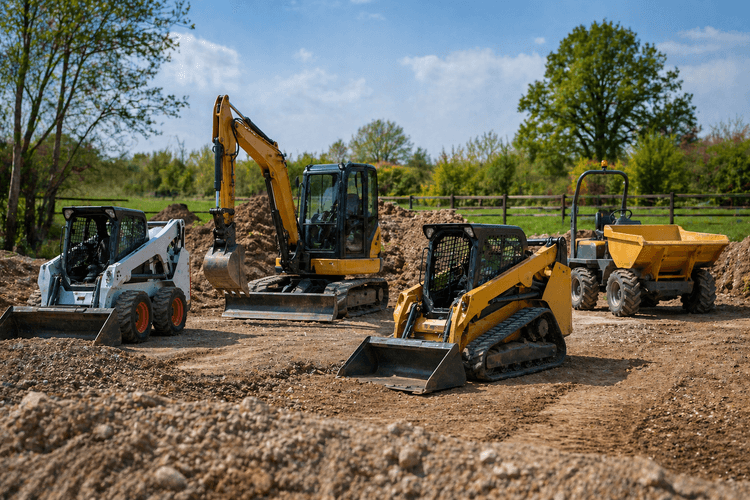
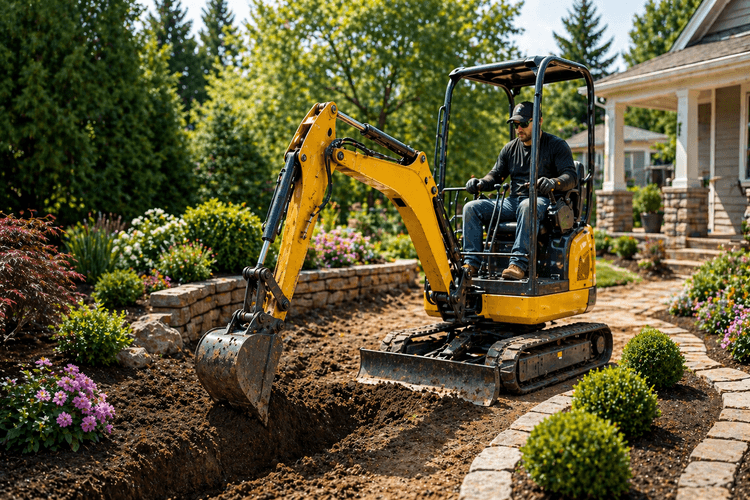
Excavators for site preparation
The right equipment improves accuracy, speed, and efficiency.
Common Construction Staking Mistakes to Avoid
Incorrect elevation marking
Poor communication between surveyors and contractors
Skipping verification steps
Using outdated equipment
Construction Staking Workflow Timeline
Planning & survey: 1–3 days
Initial staking: 1–2 days
Adjustments: ongoing during project
Modern Trends in Construction Staking
GPS and drone-based staking
AI-powered site planning
Digital mapping and automation
FAQs
What does construction staking include?
It includes marking building locations, elevations, boundaries, and utilities based on project plans.
Who performs construction staking?
Licensed surveyors or trained construction professionals typically perform staking.
How accurate is construction staking?
Modern staking using GPS and total stations can achieve very high precision within project tolerances.
Can staking errors delay construction?
Yes, inaccurate staking can lead to major delays, rework, and increased costs.
Where to Find Equipment for Site Preparation
Getting staking right starts with proper site prep.
Explore:
Recently added equipment
Price-reduced machines
Get reliable equipment to improve accuracy, speed, and jobsite efficiency.
Conclusion
Construction staking is the backbone of accurate and efficient building. With proper planning, modern tools, and the right equipment, you can eliminate costly mistakes and keep projects on track.
Build with precision. Save on rework. Deliver projects faster.