Heavy Civil Construction: What It Is, Top Companies, and Job Opportunities
12 Min read
&w=3840&q=75)

June 15, 2025
Heavy civil construction plays a vital role in developing the infrastructure that supports our daily lives-from roads and bridges to water treatment plants and railways. This sector forms the foundation of urban development and economic progress, but what exactly is heavy civil construction, and what makes it different from general building construction?
In this post, we’ll explore what heavy civil construction is, spotlight top heavy civil construction companies, and offer insights into careers and job opportunities in this critical industry.
What Is Heavy Civil Construction?
%3Aformat(webp)&w=1920&q=75)


Heavy civil construction refers to large-scale infrastructure projects designed to improve transportation, water management, and public utility systems. Unlike vertical construction (residential or commercial buildings), heavy civil work focuses on horizontal structures such as highways, tunnels, dams, ports, and runways.
These projects are typically commissioned by government agencies or large private clients and involve complex planning, significant manpower, heavy equipment, and rigorous safety protocols.
Heavy Equipment Used in Heavy Civil Construction
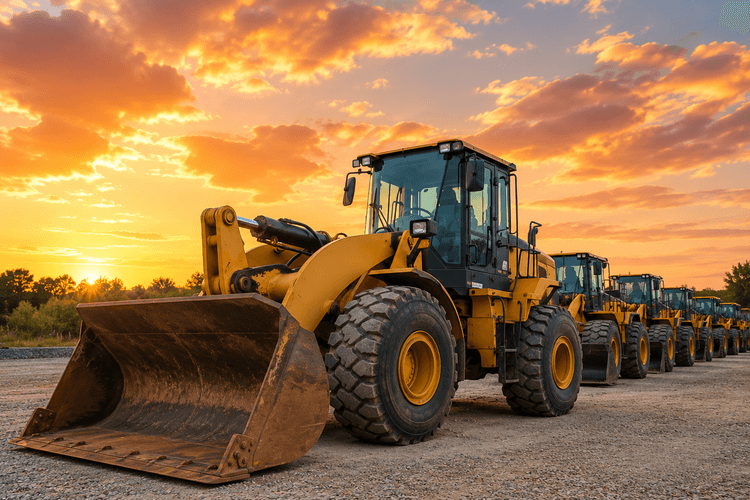
Heavy civil construction projects rely on powerful machines to handle large-scale infrastructure work efficiently and safely. From highway expansion and bridge construction to site preparation and earthmoving, choosing the right equipment is critical for productivity and project success. Understanding the best heavy equipment used in heavy civil construction projects can also help contractors reduce downtime, improve efficiency, and control operating costs.
Some of the most common machines used in heavy civil construction include excavators, bulldozers, motor graders, wheel loaders, articulated dump trucks, compactors, and cranes. Excavators are essential for trenching, digging foundations, demolition, and material handling. Bulldozers are commonly used for clearing land, pushing soil, and rough grading large construction sites. Meanwhile, motor graders help create smooth and level surfaces for roads and highways.
Wheel loaders and dump trucks play a major role in moving aggregates, dirt, and construction materials across busy job sites. Compactors are also critical because they help stabilize soil and improve the durability of roads, foundations, and embankments. For lifting heavy materials and structural components, cranes remain one of the most important machines in heavy civil infrastructure projects.
Contractors often choose equipment based on terrain, project size, fuel efficiency, and long-term maintenance costs. Investing in reliable machinery can significantly improve performance on demanding infrastructure jobs while minimizing delays and repair expenses.
Key Characteristics of Heavy Civil Construction:
Large-scale and infrastructure-focused
Government-funded or publicly tendered
Requires specialized equipment and engineering
Involves long timelines and higher budgets
Critical to public safety and economic development
What Is Heavy and Civil Engineering?
Heavy and civil engineering is the branch of engineering that deals with designing, planning, and executing large infrastructure projects. It combines elements of civil engineering with expertise in heavy construction methods.
Civil engineers working in this field typically focus on:
Site analysis and feasibility studies
Structural integrity and geotechnical analysis
Hydraulic and transportation systems
Environmental impact assessments
This blend of technical design and construction execution ensures that projects are both structurally sound and economically viable.
Types of Heavy Civil Construction Projects
Here are some common types of heavy civil construction work:
Highways and roads: Building, expanding, or maintaining major transportation routes
Bridges and overpasses: Connecting cities and improving traffic flow
Dams and reservoirs: For hydroelectric power and water management
Railroads and transit systems: Supporting regional and national logistics
Airports and runways: Critical to global connectivity
Ports and harbors: Facilitating international trade
Sewer systems and water treatment facilities: Supporting public health and urban growth
Heavy Civil Construction vs Commercial Construction
Understanding the difference between heavy civil construction and commercial construction projects is important for contractors, investors, and developers working in the construction industry. While both sectors involve large-scale building and infrastructure work, they differ significantly in project scope, equipment needs, timelines, and overall objectives.
Heavy civil construction focuses primarily on public infrastructure projects such as highways, bridges, tunnels, rail systems, airports, dams, and utility networks. These projects are typically funded by government agencies and require specialized heavy equipment like excavators, bulldozers, cranes, motor graders, and articulated dump trucks. Heavy civil jobs also often involve complex earthmoving, grading, and long-term infrastructure planning.
Commercial construction, on the other hand, centers around building structures used for business purposes. This includes office buildings, shopping centers, hotels, warehouses, hospitals, and retail spaces. Commercial projects generally prioritize building design, interior systems, customer accessibility, and property development rather than large-scale infrastructure expansion.
One major difference between heavy civil and commercial construction is project duration and complexity. Heavy civil projects can span several years and require extensive permitting, environmental studies, and coordination with public agencies. Commercial construction projects are usually completed on shorter timelines and often focus more on architectural finishes and tenant requirements.
Equipment usage also varies greatly between the two sectors. Heavy civil contractors rely heavily on earthmoving and roadbuilding machinery, while commercial construction companies commonly use cranes, forklifts, concrete equipment, and aerial lifts for vertical construction work.
Both industries play a vital role in economic growth, but choosing between heavy civil construction and commercial construction often depends on a company's expertise, equipment fleet, workforce capabilities, and long-term business goals.
Heavy Civil Construction Cost & ROI
Understanding heavy civil construction costs and return on investment for infrastructure projects is essential for contractors, developers, and project owners planning large-scale construction work. Heavy civil projects such as highways, bridges, airports, rail systems, and utility infrastructure often require significant upfront investment, making accurate budgeting and long-term ROI analysis extremely important.
Several factors influence heavy civil construction costs, including labor, fuel prices, equipment usage, material availability, site conditions, permitting, and project timelines. Equipment expenses alone can account for a large portion of the budget, especially when projects require excavators, cranes, bulldozers, articulated dump trucks, and paving equipment operating for extended periods.
While initial costs may seem high, well-planned infrastructure projects can generate strong long-term returns through improved transportation efficiency, reduced maintenance expenses, increased property values, and economic growth. Contractors can also improve ROI by reducing downtime, optimizing fleet management, and investing in fuel-efficient heavy equipment.
Technology is playing a bigger role in cost control as well. GPS machine control systems, telematics, drones, and project management software help contractors track productivity, minimize material waste, and improve scheduling accuracy. These tools can significantly increase efficiency while lowering operational costs over the life of the project.
For many companies, the key to maximizing ROI in heavy civil construction is balancing equipment investment, labor productivity, and project efficiency while maintaining strict safety and quality standards.
Top Heavy Civil Construction Companies in the U.S.


Several industry leaders dominate the heavy civil sector. These companies are known for handling multi-million and billion-dollar infrastructure projects across the U.S. and globally.
Notable Heavy Civil Construction Companies:
Bechtel Corporation - One of the largest U.S.-based contractors with a portfolio that includes transportation, water systems, and nuclear facilities.
Kiewit Corporation - Specializes in highways, bridges, and industrial infrastructure projects.
Fluor Corporation - Global engineering and construction firm with experience in energy, water, and transportation infrastructure.
Granite Construction - Known for highway and road work, particularly in the western U.S.
Skanska USA Civil - A major player in public works and transportation systems across North America.
These companies often work with federal and state agencies such as the Department of Transportation, Army Corps of Engineers, and environmental protection agencies.
Heavy Civil Construction Jobs: Careers in Infrastructure
%3Aformat(webp)&w=1920&q=75)
The heavy civil construction sector offers a wide range of job opportunities, from fieldwork and heavy equipment operation to engineering and project management. With the growing focus on rebuilding aging infrastructure, demand for skilled labor is on the rise.
Common Heavy Civil Construction Jobs:
Civil Engineer
Project Manager
Equipment Operator
Construction Laborer
Estimator
Safety Officer
Site Superintendent
Required Skills and Qualifications:
Knowledge of construction methods and materials
Strong understanding of safety regulations
Engineering or construction management degrees (for technical roles)
Commercial driver’s license or equipment certifications (for operators)
Largest Heavy Civil Construction Projects
The largest heavy civil construction projects in the world showcase the scale, engineering, and technology required to build critical infrastructure that supports economic growth and transportation networks. These massive projects often involve billions of dollars in investment and require years of planning, specialized labor, and advanced heavy equipment to be completed successfully.
Some of the most impressive heavy civil construction projects include major highway expansions, international airports, rail systems, hydroelectric dams, tunnels, ports, and large bridge developments. Projects such as interstate highway systems, metro rail networks, and large-scale flood control systems demonstrate how heavy civil construction shapes modern cities and transportation infrastructure.
These projects rely heavily on powerful construction equipment, including excavators, bulldozers, cranes, articulated dump trucks, motor graders, compactors, and concrete paving machines. Contractors working on large infrastructure developments must carefully manage equipment utilization, labor coordination, safety standards, and material logistics to keep projects on schedule and within budget.
One of the biggest challenges in mega infrastructure projects is maintaining efficiency across large job sites with multiple contractors and subcontractors working simultaneously. Technologies such as GPS machine control, drones, telematics, BIM modeling, and project management software have become essential tools for improving productivity and reducing costly delays.
The largest heavy civil construction projects also create long-term economic benefits by improving transportation systems, increasing trade capacity, supporting urban development, and creating thousands of jobs. As governments continue investing in infrastructure modernization, the demand for experienced heavy civil contractors and advanced construction equipment is expected to keep growing worldwide.
How to Start a Career in Heavy Civil Construction
Whether you’re starting as a laborer or entering with an engineering degree, heavy civil construction offers room for growth and long-term stability. Here’s how to get started:
Get certified or licensed: Training in OSHA safety standards or heavy machinery operations is often essential.
Look for apprenticeships: Many unions and companies offer on-the-job training.
Network with construction companies: Attend job fairs or connect with professionals in the industry.
Search industry-specific job boards: Websites like ConstructionJobs.com, Indeed, and company career pages are great resources.
Real-World Heavy Civil Construction Expertise
This guide includes insights from infrastructure contractors, heavy equipment operators, project managers, and construction professionals experienced in highway construction, bridge projects, excavation, grading, earthmoving operations, and large-scale civil infrastructure development. Their real-world experience highlights the operational challenges that often determine whether a heavy civil project stays on schedule and within budget.
One of the most important aspects of successful infrastructure work is heavy civil construction fleet logistics and equipment coordination. Large job sites often involve dozens of machines operating simultaneously across multiple work zones. Contractors must carefully manage fuel delivery, preventive maintenance schedules, operator assignments, equipment transport, and machine utilization to avoid costly downtime and delays.
Grading challenges are another major factor in heavy civil construction projects. Uneven terrain, unstable soil conditions, drainage requirements, and weather changes can all impact grading accuracy and site preparation. Experienced operators rely on bulldozers, motor graders, compactors, and GPS machine control systems to maintain proper elevation and ensure long-term structural stability.
Traffic management becomes critical on road construction, highway expansion, and bridge rehabilitation projects where crews must work alongside active public traffic. Construction managers must create safe traffic flow patterns, coordinate lane closures, and minimize disruptions while protecting both workers and motorists. Poor traffic planning can quickly reduce productivity and create major safety risks.
Equipment coordination also plays a major role in overall project efficiency. Excavators, wheel loaders, dump trucks, cranes, and paving machines must operate in carefully timed sequences to prevent bottlenecks and idle time. Strong communication between operators, supervisors, and dispatch teams helps keep production moving efficiently across large job sites.
Material hauling is equally important in large-scale earthmoving and infrastructure development. Contractors move massive amounts of soil, gravel, asphalt, concrete, and aggregate materials every day. Efficient hauling operations depend on proper truck routing, loading cycles, haul road maintenance, and equipment balance to reduce fuel consumption and improve productivity.
Real-world heavy civil construction expertise comes from managing these complex operations under demanding conditions. Companies with strong experience in fleet logistics, grading, traffic control, equipment coordination, and material hauling are often better equipped to complete infrastructure projects safely, efficiently, and profitably.
Large Heavy Civil Construction Depends on Reliable Equipment Fleets
The success of major infrastructure projects often depends on the fact that large heavy civil construction projects rely on reliable equipment fleets to maintain productivity, safety, and project timelines. From highway construction and bridge development to large-scale excavation and earthmoving operations, contractors rely heavily on dependable machinery to handle demanding workloads in challenging job-site conditions.
Reliable equipment fleets are essential because heavy civil construction projects operate on tight schedules with high operational costs. Unexpected machine breakdowns can delay grading, excavation, paving, hauling, and material handling operations, leading to expensive downtime and project overruns. Contractors often invest in preventive maintenance programs, telematics systems, and fleet monitoring tools to keep equipment running efficiently throughout the project lifecycle.
Heavy equipment commonly used in large civil construction projects includes excavators, bulldozers, motor graders, wheel loaders, compactors, articulated dump trucks, cranes, and paving machines. Each piece of equipment plays a critical role in maintaining workflow across the jobsite. If one machine fails, it can disrupt multiple crews and slow down overall production.
Fleet reliability also directly impacts fuel efficiency, labor productivity, and equipment utilization. Modern construction companies often track machine performance data in real time to identify maintenance issues before they become major mechanical failures. Telematics technology allows project managers to monitor idle time, fuel consumption, engine hours, and operator performance across entire fleets.
Another key factor is equipment availability during peak construction seasons. Contractors with well-maintained fleets are better prepared to handle large infrastructure contracts without relying heavily on costly equipment rentals or emergency repairs. This gives companies a competitive advantage when bidding on long-term highway, bridge, and civil infrastructure projects.
As infrastructure development continues to grow worldwide, reliable heavy equipment fleets remain one of the most important investments for contractors focused on productivity, profitability, and successful project completion.
Final Thoughts
Heavy civil construction is the backbone of modern society, powering transportation, utilities, and infrastructure that communities depend on every day. Whether you're a civil engineer, equipment operator, or aspiring project manager, this field offers exciting opportunities to build projects that last for generations.
If you're considering a career move or seeking reliable partners for your next big infrastructure project, exploring the world of heavy civil construction companies is a smart first step.


Samir Shah is the Co-Founder and Chief Product Officer of Boom & Bucket, where he leads the development of innovative solutions for buying and selling heavy equipment. With a background in engineering, product development, and business strategy, Samir has a track record of taking companies from concept to market success. Previously, he was the Head of Cat Digital Labs at Caterpillar, overseeing digital initiatives and product launches. He holds degrees from MIT Sloan and Carnegie Mellon, and he is passionate about tackling big challenges in underserved industries.