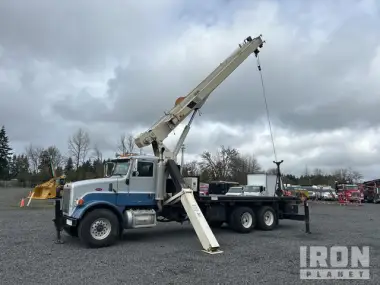
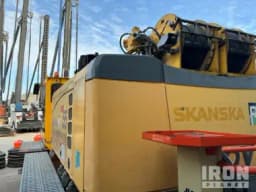
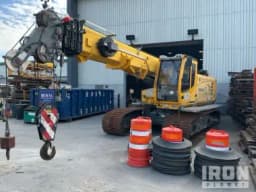
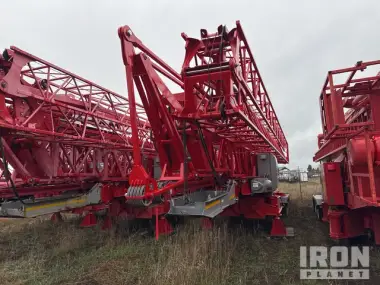
1 filter applied

69 results found

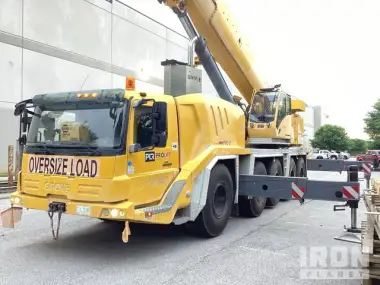
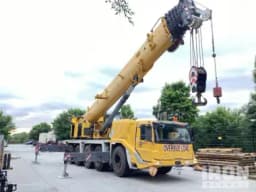
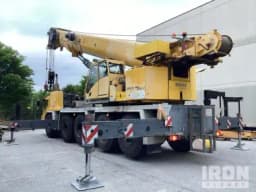
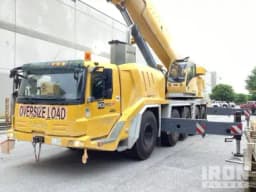
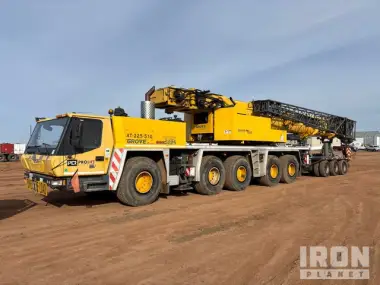
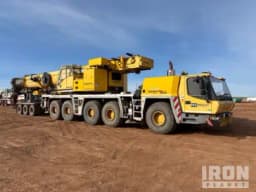
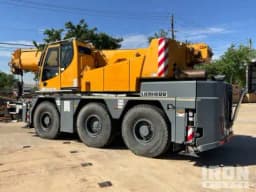
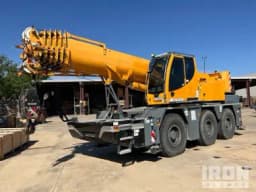
  • 2012 GMK5165

    $500,000

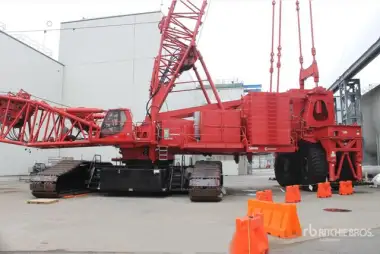
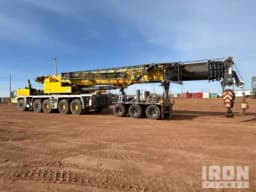
  • 2016 MANITOWOC 18000

    8,010 Hours

    $3,800,000

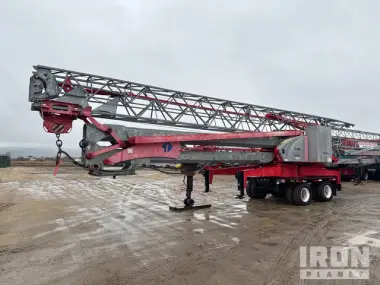
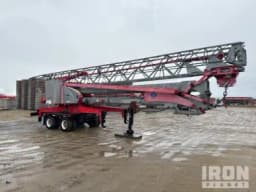
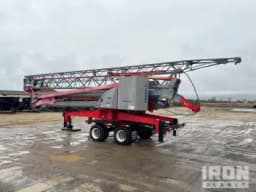
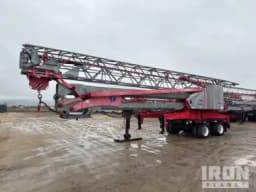
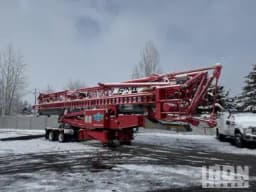
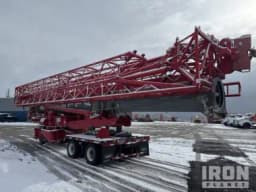
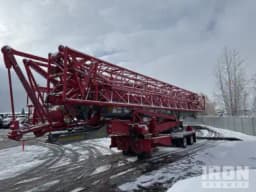
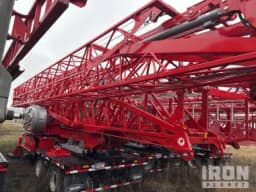
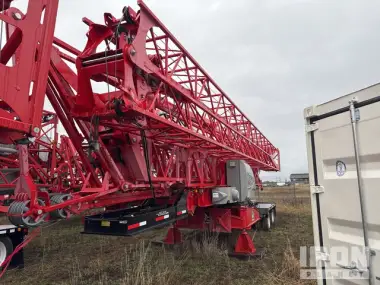
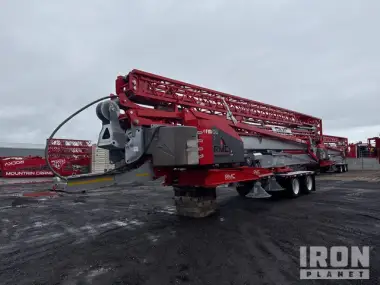
  • 2006 POTAIN IGOMA21

    340 Hours

    $125,000

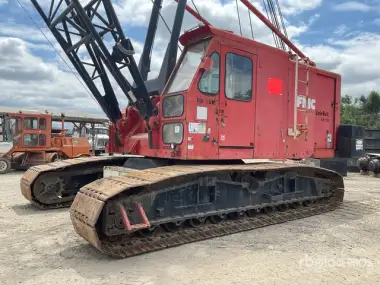
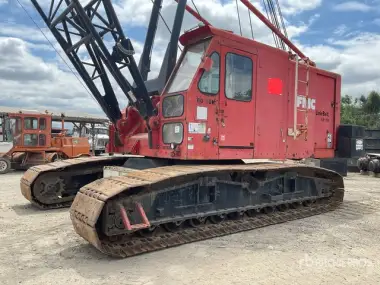
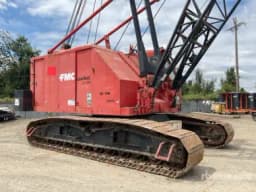
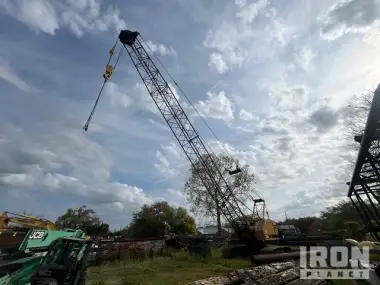
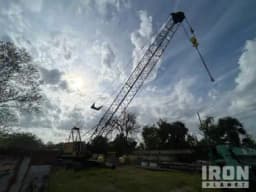
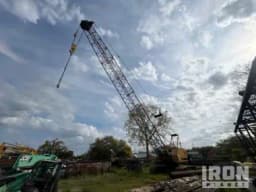
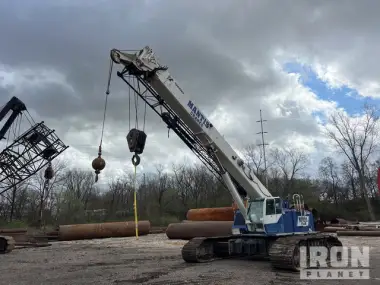
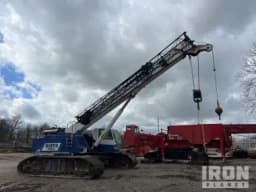
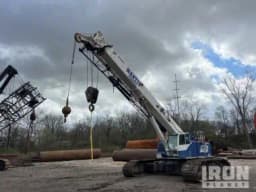
  • 1977 LINK-BELT LS-318

    7,509 Hours

    $50,000

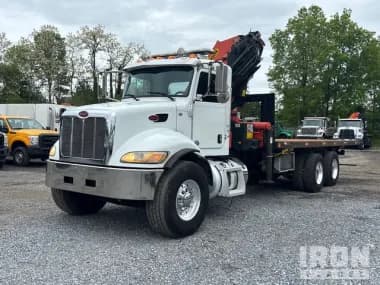
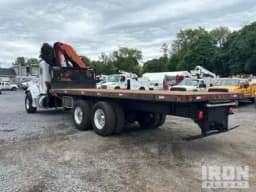
  • 2007 PETERBILT 357

    147,124 Miles

    $110,000

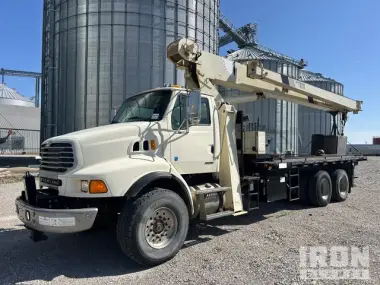
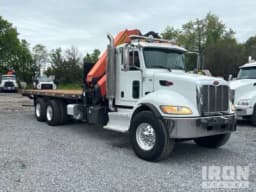
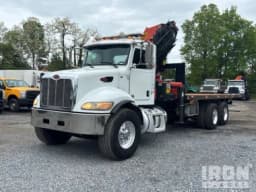
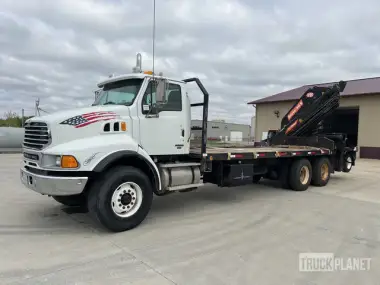
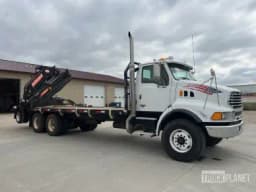
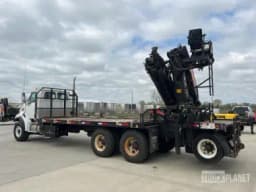
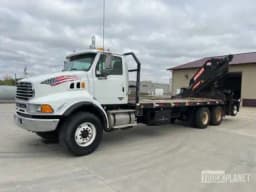
  • 2007 STERLING LT8500

    27,095 Miles

    $110,000

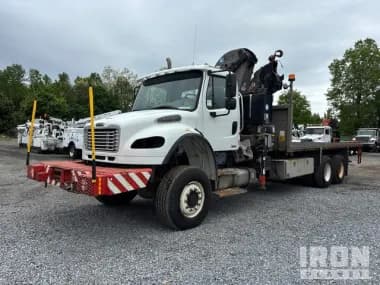
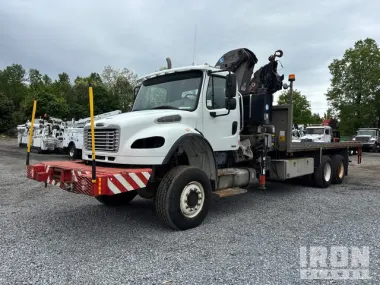
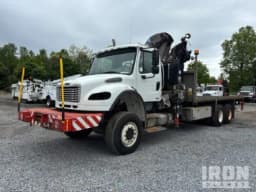
  • 2008 FREIGHTLINER M2 106

    38,254 Miles

    $59,000

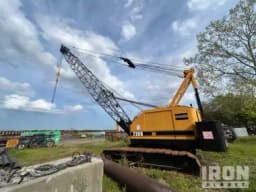
  • 1981 AMERICAN 7260

    $80,000

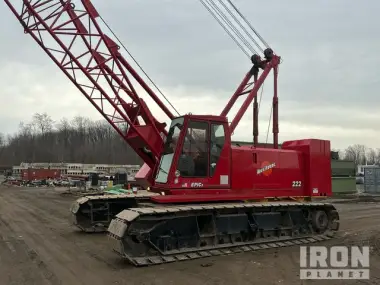
  • 2003 MANITOWOC 222.222 Series B

    656 Hours

    $225,000

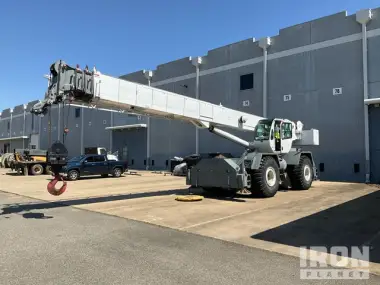
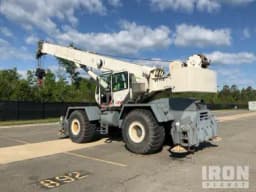
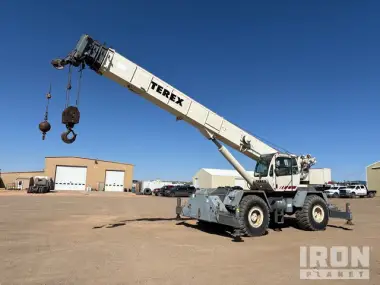
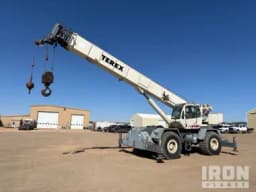
  • 2004 TEREX RT775

    2,870 Hours

    $65,000

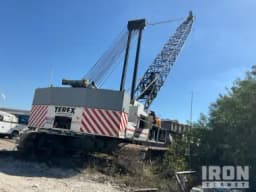
  • 1999 TEREX/AMERICAN HC150

    1,574 Hours

    $125,000

  • 2017 POTAIN HUP32-27

    273 Hours

    $190,000

  • 2006 INTERNATIONAL NCC1411

    82,052 Miles

    $150,000

  • 2015 POTAIN MR160C

    8,500 Hours

    $247,000

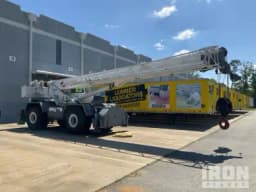
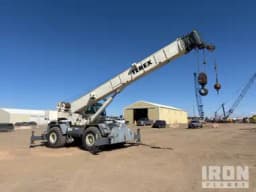
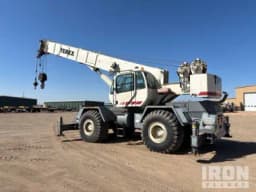
  • 2004 TEREX RT775

    3,499 Hours

    $70,000

  • 2002 TEREX RT 555

    $75,000

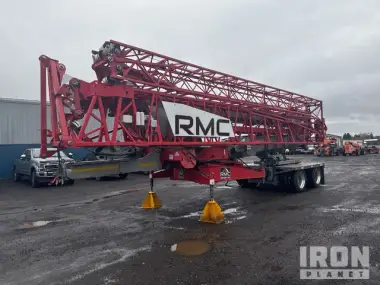
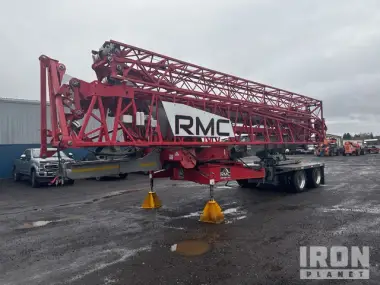
  • 2023 SISSCO SSC

    $75,000

  • 2010 TEREX HC165

    14,285 Hours

    $500,000

  • 2024 FM GRU 1589

    2 Hours

    $265,000

  • 2001 POTAIN HDT80

    3,598 Hours

    $144,000

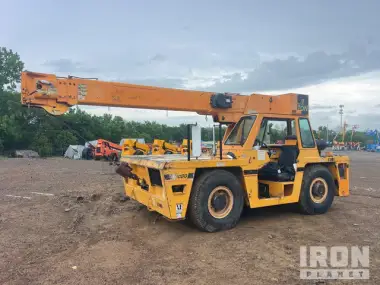
  • 2019 BRODERSON IC-80-3J

    4,962 Hours

    $53,500

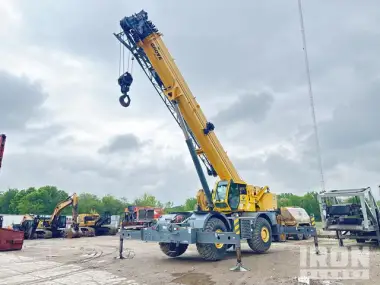
  • 2013 GROVE GMK5225

    100,321 Miles

    $550,000

  • 2015 PETERBILT 348

    199,322 Miles

    $55,000

  • 2011 GROVE RT890E

    15,683 Hours

    $230,000

  • 2014 MANTIS 9010

    7,050 Hours

    $170,000

  • 2004 STERLING L9500

    38,734 Miles

    $80,000

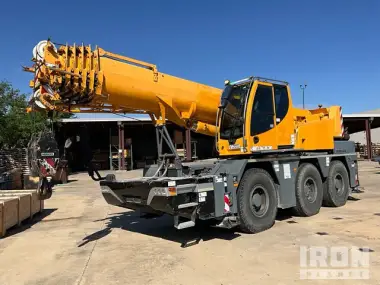
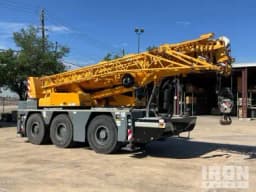
  • 2014 LIEBHERR LTC1045-3.1

    8,285 Hours

    $200,000

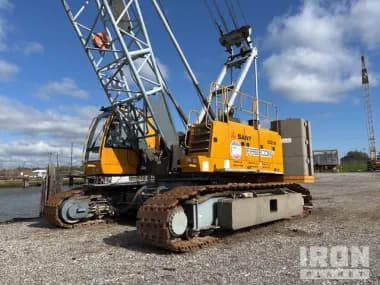
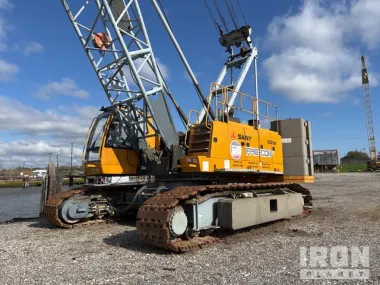
  • 2012 SANY SCC8100

    $150,000

  • 2016 GROVE GHC55

    2,860 Hours

    $315,000

  • 2023 POTAIN IGOT85A

    $435,000

  • 2020 POTAIN IGOT85A

    1,217 Hours

    $326,000

  • 2025 FM GRU 1140-US

    2 Hours

    $360,000

Page 1 of 3

Get access to our latest deals

Overview

Cranes are most commonly used to lower and lift large loads to hard-to-reach areas like high-rise buildings, commercial centers, and roofs. Construction cranes are fixed to the ground or mounted on a custom-built vehicle. Fixed cranes can reach higher and handle heavier loads, while the advantage of mobile cranes is their maneuverability.

There are a few different types of mobile cranes, which we’ll cover below:

- All-Terrain Cranes: As the name suggests, they can be used in many different types of terrains thanks to crab steering and all-wheel drive. 

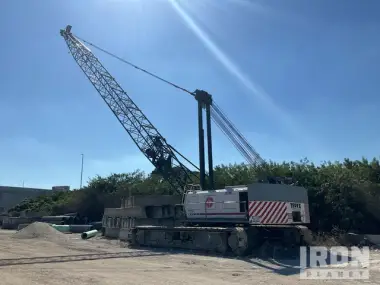
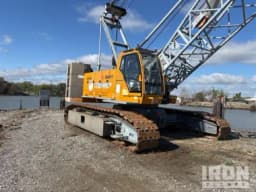
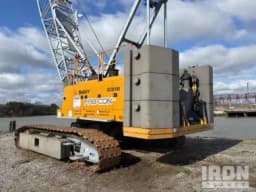
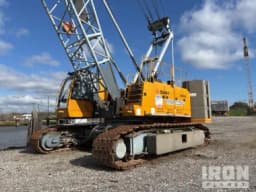
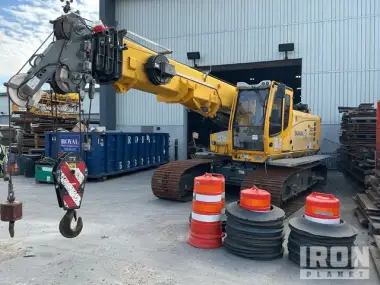
- Crawler Cranes: Crawler cranes are mounted on an undercarriage fixed with a set of tracks. Crawler cranes are great for operation on soft ground.

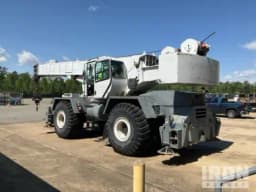
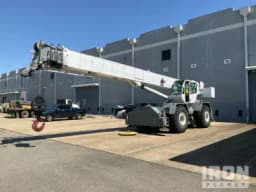
- Rough Terrain Cranes: Rough terrain cranes are robust machines worthy of usage in rough terrains. Outriggers provide stability for lifting operations using a hydraulic boom and hoist.

- Telescopic Handler Mobile Crane: The most common attachment in the construction industry and warehouses is a pallet fork. Telehandlers can take palletized cargo from the ground and place them in high places.

Mobile cranes have many advantages, including flexibility, movability, close-fitting, and strength to handle heavy loads.

Frequently Asked Questions

  • Truck cranes can cost anywhere from $20,000 to $500,000. Fixed (Tower) Cranes can cost anywhere from $75,000 to $2,000,000.

  • Top mobile crane brands include Komatsu, Caterpillar, Hitachi, Liebherr, Altec, and Sany.

  • Mobile cranes are used for any activity that requires heavy materials to be lifted and placed. This includes construction, roofing, power transmission, HVAC, warehouse management, and wind energy, to name a few.

  • Cranes can weigh between 10 tons for mobile cranes and 300 tons for large fixed cranes.

  • Generally, mobile cranes are powered by one to two engines and a hydraulic powered boom as the primary lifting mechanism. The significant advantage of using mobile cranes is accessing narrow passages. Crane operators sit in a cab with a full view of the boom and a control panel.

  • When buying a used crane, you should consider the machine’s usage, maintenance history, age, repair needs, and DOT certification. Common items that need repair are hydraulics, operator displays, mechanical system, and transport vehicle.

  • Newer cranes are more expensive and in limited supply. When buying a new crane, it’s more likely to pass its first DOT inspection, meaning you can begin operation faster. After buying a used crane, it’s possible that certain parts won’t pass inspection. You can mitigate this risk by buying your used crane from a trusted seller that does complete inspections.

  • Crane operators can make anywhere from $33,000 to $87,000 depending on their experience, the industry they work in, and the type of crane their using (mobile vs. fixed).

  • Since 2018, OHSA has required all crane operators to be trained and certified through the National Commission for the Certification of Crane Operators. Certification includes a written and practical exam. You must be at least 18 years of age and comply NCCCO code of ethics and abuse policy. Check out the full guide here: https://www.boomandbucket.com/blog/how-to-become-a-heavy-equipment-operator