What Is a Backhoe? Types, Uses, and Benefits
11 Min read
&w=3840&q=75)

September 4, 2023
When it comes to heavy machinery used in construction and excavation, backhoes are among the most versatile and essential pieces of equipment. These machines have become synonymous with construction sites worldwide, and for good reason. In this comprehensive guide, we will delve into what backhoes are, how they are used, and the various types available to meet different needs.
What is a Backhoe?
%3Aformat(webp)&w=1920&q=75)
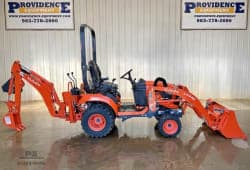
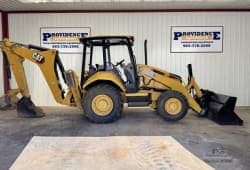
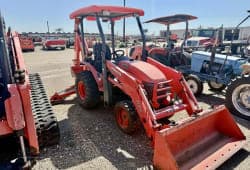

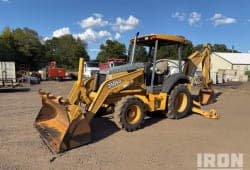
A backhoe, often referred to as a backhoe loader, is a heavy equipment machine used primarily in construction and to excavate sites. It combines the capabilities of both a tractor-like loader and a hydraulic excavator into a single compact unit.
The name "backhoe" is derived from the action of its primary digging implement, which is attached to the rear of the machine. Typically, the driver's seat in the cab has a centre pivot to allow the driver to operate this attachment more easily.
The front of the machine has a tractor-like loader allowing it to scoop up a large load.
This combination of tools makes it an extremely valuable tool for machine operators since you can perform most tasks from only one machine.
You May Be: Backhoe Loaders: The Ultimate Guide for Buyers and Operators
How Does a Backhoe Work?
A backhoe loader combines a front loader bucket with a rear-mounted backhoe for digging, loading, lifting, grading, and material handling. Hydraulic systems power the loader arms, backhoe boom, stick, bucket, and compatible attachments.
How a Backhoe Works
Positioning: The operator positions the machine and deploys stabilizers when required for backhoe operations.
Digging: The rear boom, stick, and bucket use hydraulic power to excavate soil and other materials.
Loading: The front bucket scoops and moves soil, gravel, debris, and other materials.
Lifting: Depending on the model and configuration, a backhoe can perform certain lifting tasks within its rated capacity.
Traveling: Its wheeled design allows the machine to move between work areas and, subject to applicable requirements, travel on roads.
Attachment operation: Auxiliary hydraulic circuits can power compatible tools such as hydraulic hammers, augers, compactors, and brooms.
Backhoe performance varies by model, hydraulic system, operating weight, bucket configuration, terrain, and attachment.
Anatomy of a Backhoe
Before we dive deeper into their uses and types, let's briefly examine the main components of a backhoe:
Loader Bucket: Located at the front of the machine, the loader bucket is used for tasks such as moving soil, gravel, or debris. Its lifting capacity varies depending on the model but typically ranges from 2 to 5 tons.
Backhoe Attachment: The attachment is mounted on the rear of the machine and is primarily used for digging trenches and excavating. The dig depth can range from 2 to 4 meters, making it suitable for a wide range of applications.
Chassis: The chassis houses the engine, operator's cab, and other essential components. It provides stability and mobility to the backhoe.
Now that we have a basic understanding of what a backhoe is, let's explore its versatile uses and the various types available.
Uses of Backhoes
Backhoe loaders are incredibly versatile tools, and their utility spans a wide range of construction and excavation tasks. Here are some common uses:
Excavation
Backhoes are excellent for digging trenches, foundations, and holes. Their precise control and ability to reach different depths make them ideal for such tasks. Since they also tend to be smaller, they can fit into spaces that larger excavators cannot making them ideal for small-scale projects.
Loading Trucks
The loader bucket on the front of a backhoe is perfect for loading trucks with materials like soil, gravel, sand, or construction debris.
Lifting Capacity
With their lifting capacity of 2 to 5 tons, backhoes can also be used for lifting and placing heavy objects, such as pipes or equipment.
Versatile Machines
Backhoe loaders are versatile enough to handle a wide variety of jobs on a construction site. They can perform tasks ranging from grading and landscaping to paving and snow removal.
Mini Excavation
%3Aformat(webp)&w=1920&q=75)
In addition to their larger counterparts, mini excavators, which are compact and highly manoeuvrable, are used for precision excavation in tight spaces.
Types of Backhoes
Now, let's explore the different types of backhoes available, each designed to cater to specific needs and conditions:
Backhoe Loader
The standard loader backhoe is the most common type, featuring a front loader bucket and a rear-mounted loader backhoe attachment. It is widely used for general construction and excavation tasks.
JCB Backhoe Loaders
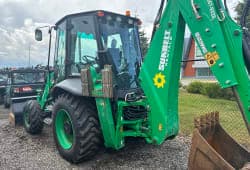
JCB is a renowned manufacturer of construction equipment, including backhoe loaders. This type of backhoe loader is known for its durability and advanced technology. They come in various models with different capabilities.
Mini Excavators
%3Aformat(webp)&w=1920&q=75)
Mini excavators are compact and highly manoeuvrable machines designed for precision digging in tight spaces. They are ideal for urban construction projects and landscaping.
Used Backhoe
Used backhoes offer a cost-effective alternative to purchasing brand-new equipment. They are readily available in the market and can be a budget-friendly choice for smaller contractors.
Backhoe Attachments
Sometimes, an attachment can be added to other construction equipment, such as skid steer loaders or tractors, to give them backhoe capabilities. This option can save money and provide flexibility on the job site.
Choosing the Right Backhoe
Selecting the right backhoe for a project involves considering several factors including:
- Project Requirements
- Size and Reach
- Manufacturer and Model
- New vs. Used
- Maintenance and Support
Project Requirements
%3Aformat(webp)&w=1920&q=75)
Determine the specific tasks the backhoe will be used for, such as digging, loading, or lifting. This will help you choose a machine with the appropriate capabilities.
Size and Reach
Consider the size of the job site and the depth and reach required for excavation. Smaller backhoes are more maneuverable in tight spaces, while larger ones offer greater digging power and a larger dig depth.
Manufacturer and Model
Research different manufacturers and models to find a backhoe loader that suits your needs and budget. Pay attention to factors like engine power, digging depth, and lifting capacity. You'll also want to consider the warranties that different brands offer.
This is especially important if you decide to go with a private buying experience where the warranties may not be standard and will depend on the age and other unique features of the machine.
New vs. Used
%3Aformat(webp)&w=1920&q=75)
Decide whether a new or used backhoe is the right choice for your project. Used backhoes can be a cost-effective option but should be thoroughly inspected before purchase to ensure that there aren't any defects or problems with the performance.
Maintenance and Support
Consider the availability of spare parts and local service providers for maintenance and repairs. Reliable support is crucial to keep your equipment operational. One of the benefits of purchasing new models is that oftentimes, the manufacturer offers a discount or free maintenance and support to the owners for the first couple of years.

How Much Does a Backhoe Cost?
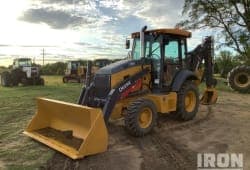
Backhoe prices vary based on the manufacturer, model, age, operating hours, specifications, condition, attachments, and location.
For used backhoes, pricing is influenced by:
Model year
Operating hours
Engine and hydraulic condition
Digging depth
Loader capacity
Tire condition
Attachment package
Maintenance history
Previous application
Major component repairs
Instead of comparing purchase prices alone, evaluate the machine's total cost of ownership. Consider fuel, maintenance, repairs, transportation, insurance, attachments, and expected downtime.
A lower-priced backhoe may become more expensive if it requires major hydraulic, engine, transmission, or structural repairs shortly after purchase.
Backhoe Safety
Backhoe loaders combine heavy equipment movement, excavation, hydraulic systems, lifting activities, and attachments. Operators should receive appropriate training and follow the manufacturer's operating instructions and applicable regulations.
Important Backhoe Safety Practices
Inspect the machine before operation.
Keep workers clear of the machine's swing and travel paths.
Use a spotter when visibility is restricted.
Check for overhead hazards before moving or operating the machine.
Locate underground utilities before excavation.
Deploy stabilizers correctly when required.
Do not exceed rated machine or attachment capacities.
Keep workers clear of suspended loads.
Maintain safe clearance from trenches and excavation edges.
Follow proper procedures when servicing hydraulic systems.
Use appropriate personal protective equipment.
Follow applicable OSHA and local safety requirements.
Operators should also maintain awareness of pedestrians, other equipment, changing ground conditions, and site-specific hazards.
Backhoe Maintenance and Common Problems
Regular maintenance helps reduce downtime, control repair costs, and extend equipment service life.
Key Backhoe Maintenance Areas
Engine oil and filters
Hydraulic oil and filters
Cooling system
Transmission
Axles and drivetrain
Tires
Brakes
Steering
Pins and bushings
Hydraulic cylinders
Hoses and fittings
Bucket teeth and cutting edges
Stabilizers
Electrical systems
Maintenance intervals vary by manufacturer, model, operating hours, and working conditions. Always follow the machine's current maintenance documentation.
Common Backhoe Problems
Hydraulic leaks: Damaged hoses, seals, fittings, or cylinders can reduce hydraulic performance.
Pin and bushing wear: High operating hours and heavy digging can create excessive play in the boom, stick, and bucket linkage.
Engine problems: Poor maintenance can contribute to overheating, starting difficulties, smoke, or reduced performance.
Transmission problems: Hard shifting, slipping, unusual noises, or leaks can indicate drivetrain issues.
Tire wear: Uneven or excessive tire wear can affect traction, stability, and operating costs.
Structural damage: Cracks, bent components, or poor-quality weld repairs can indicate previous overloading or severe use.
Attachment problems: Worn buckets, damaged hydraulic tools, or incompatible attachments can reduce productivity and increase operating risks.
How to Choose a Backhoe
Choosing the right backhoe starts with identifying the work the machine needs to perform and matching its specifications to the jobsite.
1. Identify the Primary Application
Determine whether the machine will mainly be used for excavation, trenching, loading, grading, utility work, landscaping, road maintenance, or multiple applications.
2. Determine Required Digging Depth
Choose a backhoe that can reach the required excavation depth while providing sufficient reach and working range.
3. Evaluate Loader Capacity
If the machine will frequently load trucks or move material, compare loader bucket capacity and rated lifting performance.
4. Check Hydraulic Performance
Review hydraulic flow and pressure if you plan to use hammers, augers, compactors, brooms, or other hydraulic attachments.
5. Consider Jobsite Access
Evaluate machine width, height, turning radius, terrain, overhead clearance, and transportation requirements.
6. Compare Attachments
Choose a machine that supports the attachments required for your applications. Check mounting systems and hydraulic requirements for compatibility.
7. Consider New vs. Used
Used backhoes can reduce upfront acquisition costs, but buyers should carefully evaluate operating hours, maintenance history, component wear, and overall condition.
8. Calculate Total Ownership Costs
Include fuel, maintenance, repairs, transportation, insurance, attachments, and potential downtime when comparing machines.
Expert Insights on Backhoes
Choosing a backhoe requires evaluating excavation requirements, loader capacity, hydraulic performance, operating weight, attachments, jobsite conditions, transportation needs, maintenance requirements, and total ownership costs.
For used equipment, buyers should also review operating hours, service history, previous applications, structural condition, hydraulic performance, and major component wear.
Frequently Asked Questions About Backhoes
What is a backhoe?
A backhoe, or backhoe loader, is a wheeled construction machine that combines a front loader bucket with a rear-mounted digging attachment.
What is a backhoe used for?
Backhoes are commonly used for excavation, trenching, loading, backfilling, grading, utility work, landscaping, road maintenance, and material handling.
How does a backhoe work?
A backhoe uses hydraulic cylinders to operate a rear digging attachment and front loader. The rear bucket excavates material, while the front bucket can load and move soil, aggregate, and debris.
What are the main types of backhoes?
Common configurations include standard, center-pivot, side-shift, extendable-stick, and compact backhoes. Terminology varies among manufacturers.
Is a backhoe the same as an excavator?
No. A backhoe combines a front loader with a rear digging attachment, while a dedicated excavator is primarily designed for excavation and generally uses a tracked or wheeled excavator chassis.
How deep can a backhoe dig?
Digging depth varies by model, stick configuration, bucket, and manufacturer. Always check the specifications for the exact backhoe being considered.
What should I inspect when buying a used backhoe?
Inspect the engine, hydraulics, boom, stick, pins, bushings, buckets, transmission, tires, brakes, steering, stabilizers, frame, electrical system, attachments, and maintenance records.
Are backhoes good for lifting?
Some backhoes can perform lifting tasks when properly configured and operated within their rated capacity. Always follow the manufacturer's lifting specifications and applicable safety requirements.
Are used backhoes worth buying?
A used backhoe can offer good value when its condition, operating hours, maintenance history, specifications, and purchase price match the intended application. A professional inspection is recommended before purchasing.
Conclusion
Backhoes, especially backhoe loaders, are indispensable machines in the construction and excavation industry. Their versatility, range of applications, and ability to handle various tasks make them essential equipment on job sites worldwide.
Whether you need a standard loader backhoe, a mini excavator for tight spaces, or are considering used options, choosing the right backhoe for your project is key to ensuring efficiency and success. So, assess your project's needs, do your research, and make an informed decision to harness the power of these remarkable machines.
Here at Boom and Bucket, we offer various used backhoes and different attachments at affordable prices. From small-scale projects to new housing developments, we have you covered with the perfect loader backhoe.


