Backhoe Loaders: The Ultimate Guide for Buyers and Operators
9 Min read
&w=3840&q=75)

May 30, 2023
A backhoe loader is a versatile construction machine that combines a front loader bucket with a rear-mounted digging arm. This two-in-one design lets one operator dig, trench, load, lift, backfill, grade, and move materials without switching between separate machines.
For contractors, landscapers, utility crews, municipalities, farmers, and property owners, that versatility can make a backhoe loader a practical choice when a job requires both excavation and material handling.
But choosing the right backhoe involves more than comparing horsepower or price. Buyers should consider digging depth, loader capacity, operating weight, hydraulic performance, attachments, hours, maintenance history, and the type of work the machine will perform.
This guide covers what you need to know before buying or operating a backhoe loader.
What Is a Backhoe Loader?
%3Aformat(webp)&w=1920&q=75)
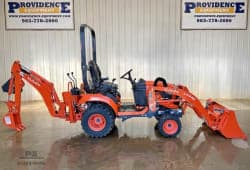
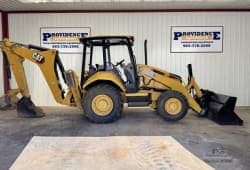
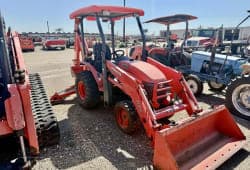
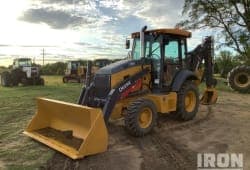
A backhoe loader, sometimes called a tractor-loader-backhoe (TLB), is a wheeled machine with two primary work tools:
Front loader bucket: Used for loading, carrying, lifting, grading, and backfilling.
Rear backhoe: Used for digging trenches, excavating soil, breaking material, and handling precise excavation work.
Unlike a dedicated excavator, a backhoe can travel between many jobsites on its own wheels. Depending on the model and configuration, manufacturers offer machines with different digging depths, hydraulic systems, transmissions, and attachment options. For example, current Cat backhoe loaders include models with standard digging depths around 14 feet, while larger configurations can reach deeper.
That combination of mobility and two-sided functionality is the main reason backhoe loaders remain popular.
How Does a Backhoe Loader Work?
The engine powers hydraulic systems that control the loader and backhoe functions. From the operator's station, hydraulic controls allow the operator to raise, lower, curl, and position the front bucket while independently controlling the rear boom, stick, and digging bucket.
The front end is generally used for:
Moving dirt and aggregate
Loading trucks
Backfilling trenches
Grading and leveling
Carrying materials
Clearing debris
The rear backhoe is designed for:
Trenching
Foundation excavation
Utility installation
Drainage work
Digging around structures
Breaking hard materials with attachments
Modern hydraulic systems and auxiliary circuits can also support tools such as hydraulic hammers, augers, thumbs, compactors, and brooms.
Common Backhoe Loader Uses
Backhoe loaders are especially useful when a project involves multiple types of earthmoving work.
1. Construction
General contractors use backhoes for foundation excavation, trenching, grading, backfilling, and moving materials around smaller and mid-sized jobsites.
A backhoe can dig a utility trench, use the front bucket to move excavated soil, and then backfill the trench with the same machine.
2. Utility and Municipal Work
Water, sewer, electrical, and telecommunications crews frequently need machines that can dig accurately while moving between scattered work locations.
The wheeled design of a backhoe makes it particularly useful for roadside and municipal work where mobility matters.
3. Landscaping
Landscaping contractors can use backhoes to remove soil, dig planting areas, install drainage, move materials, and prepare sites for construction.
For smaller landscaping projects, a compact machine can provide useful digging capability without the footprint of larger excavators.
4. Agriculture
Farm operators use backhoes for drainage, ditch maintenance, fence installation, material handling, and general property maintenance.
Attachments such as augers can expand their usefulness for post holes and other specialized tasks.
5. Road and Infrastructure Maintenance
Backhoes can handle pothole repair, shoulder work, drainage projects, culvert installation, debris removal, and other maintenance tasks.
6. Demolition and Cleanup
With the appropriate hydraulic hammer, thumb, or other attachment, a backhoe can break concrete, remove smaller structures, and handle demolition debris. Cat, for example, lists hammers, thumbs, grapples, rippers, brooms, and other tools among available backhoe attachments.
Types of Backhoe Loaders
Not every backhoe is built for the same job. Common configurations include standard, side-shift, and extendable-stick machines.
Standard Backhoe Loaders
Standard backhoes are the traditional configuration and are designed for general-purpose excavation and loading.
They are a strong fit for contractors who need one machine to handle a variety of everyday construction tasks.
Side-Shift Backhoe Loaders
Side-shift machines allow the rear digging assembly to move laterally. This can be useful when working alongside buildings, walls, roads, or other obstacles where repositioning the entire machine would be inefficient.
CASE, for example, currently offers side-shift backhoes with digging depths approaching 20 feet in certain configurations.
Extendable-Stick Backhoe Loaders
An extendable stick, often called an E-stick, increases the backhoe's reach and digging depth.
Consider this configuration when your work regularly involves deeper trenches or greater reach. However, always compare the machine's actual digging depth and lifting performance against your project requirements rather than relying solely on the attachment name.
Backhoe Loader Size and Specifications
One of the biggest buying mistakes is selecting a machine based only on horsepower.
Instead, evaluate the specifications that directly affect your work.
%3Aformat(webp)&w=1920&q=75)
For context, current Cat models range from approximately 75 to 118 hp in its listed backhoe lineup, with operating weights and digging capabilities varying significantly by model.
The key takeaway: match the machine to the hardest job it will regularly perform, not simply the biggest machine you can afford.
Backhoe Loader vs. Excavator
A backhoe loader and excavator can both dig, but their strengths are different.
A backhoe loader is generally better suited to mixed work where digging, loading, carrying, and traveling between tasks are all important.
A dedicated excavator is typically better when excavation is the primary job and you need greater digging performance, reach, swing capability, or specialized excavator attachments.
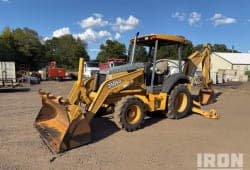
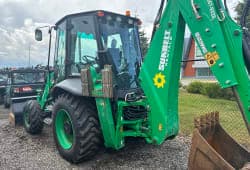


If your operator spends half the day digging and the other half moving materials, a backhoe's two-in-one design can reduce the need for another machine. Cat similarly describes backhoes as a versatile option for operations that need both digging and loading capabilities.
What to Look for When Buying a Used Backhoe Loader
Buying used can provide access to capable equipment at a lower acquisition cost, but condition matters more than the paint.
Before purchasing a used backhoe, inspect:
Engine
Look for excessive smoke, oil leaks, unusual noises, hard starting, and evidence of poor maintenance.
Hydraulic System
Check cylinders, hoses, fittings, pumps, and valves for leaks or damage. Operate both the loader and backhoe through their full ranges of motion.
Pins and Bushings
Inspect pivot points for excessive play. Worn pins and bushings can indicate substantial operating hours or demanding use.
Loader and Backhoe Buckets
Check bucket teeth, cutting edges, side cutters, welds, and attachment points for excessive wear.
Tires
Look for uneven wear, cuts, cracks, and insufficient tread. Tire replacement can become a significant additional expense.
Transmission and Axles
Test forward and reverse operation, shifting, braking, steering, and four-wheel-drive functions where equipped.
Cab and Controls
Inspect gauges, controls, switches, HVAC, seat condition, windows, lights, and safety equipment.
Service Records
Maintenance documentation can tell you considerably more about a used machine than its hour meter alone.
Also compare the machine's current condition with its reported hours. A well-maintained higher-hour backhoe can sometimes make more sense than a neglected machine showing fewer hours.
Backhoe Loader Maintenance
%3Aformat(webp)&w=1920&q=75)
Preventive maintenance is essential for keeping a backhoe productive.
Operators should follow the manufacturer's service schedule and perform routine inspections of:
Engine oil and filters
Hydraulic oil and filters
Coolant
Fuel system
Grease points
Tires
Hydraulic hoses
Pins and bushings
Bucket teeth
Battery and electrical connections
Belts and cooling system
Daily inspections are particularly important. Manufacturers emphasize accessible service points and routine maintenance as part of backhoe ownership and uptime.
Always use the service intervals, fluid specifications, and inspection requirements listed for the specific machine.
Backhoe Loader Attachments
One reason contractors continue to choose backhoes is attachment versatility.
Depending on the machine and hydraulic configuration, common attachments include:
General-purpose buckets
Trenching buckets
Hydraulic hammers
Augers
Hydraulic thumbs
Grapples
Pallet forks
Brooms
Compactors
Rippers
Snow plows
Before buying an attachment, verify hydraulic flow, pressure, coupler compatibility, weight limits, and manufacturer requirements.
A machine with the right attachment package can perform substantially more work than one limited to its standard buckets.
How Much Does a Backhoe Loader Cost?
Backhoe prices vary substantially based on brand, model, age, operating hours, configuration, condition, attachments, and market demand.
Rather than using a single price range as your purchasing benchmark, calculate the machine's expected total cost of ownership.
Consider:
Purchase price + transportation + financing + maintenance + repairs + attachments + insurance + operating costs
For used equipment, also consider expected resale value and how many productive hours you expect to get from the machine.
That approach gives you a much clearer picture of whether a particular backhoe makes financial sense for your operation.
Where to Buy a Used Backhoe Loader
Buyers have several options, including equipment dealers, auctions, private sellers, and online marketplaces.
An online marketplace can make it easier to compare machines across different locations, brands, model years, hours, and price points. But the same inspection principles still apply: review the machine's history, specifications, condition, photos, inspection information, and available documentation before purchasing.
Browse used backhoe loaders on Boom & Bucket
If you already own equipment you no longer need, selling can also turn unused capital into funds for your next machine.
Sell your heavy equipment with Boom & Bucket
Final Backhoe Loader Buying Checklist
Before buying a backhoe loader, ask:
What jobs will the machine perform most often?
How deep do I need to dig?
What loader capacity do I need?
Do I need an extendable stick?
Which attachments will I use?
Is the machine easy to transport?
Are the operating hours consistent with its condition?
Does it have documented maintenance?
Have I inspected the hydraulics, engine, transmission, tires, and undercarriage?
What will the machine cost to own and operate over its expected service life?
The right backhoe isn't necessarily the biggest, newest, or most powerful machine. It's the machine whose capabilities, configuration, condition, and operating costs align with the work you actually do.
Ready to Find Your Next Backhoe Loader?
Whether you're replacing an aging machine, expanding your fleet, or buying your first backhoe, start with the jobs you need the equipment to perform.
Compare available used backhoes by brand, model, year, hours, specifications, and price to narrow your options.
Shop used backhoe loaders at Boom & Bucket
Need financing? Explore your financing options before you purchase, then arrange transportation once you've found the right machine.
Buying is only one side of the marketplace. If you're ready to move an existing backhoe out of your fleet, you can also get started with Boom & Bucket's selling process.


Samir Shah is the Co-Founder and Chief Product Officer of Boom & Bucket, where he leads the development of innovative solutions for buying and selling heavy equipment. With a background in engineering, product development, and business strategy, Samir has a track record of taking companies from concept to market success. Previously, he was the Head of Cat Digital Labs at Caterpillar, overseeing digital initiatives and product launches. He holds degrees from MIT Sloan and Carnegie Mellon, and he is passionate about tackling big challenges in underserved industries.