Construction Noise: Sources, Impacts, and How to Deal With It
5 Min read
&w=3840&q=75)
June 11, 2025
What Is Construction Noise?
Construction noise refers to any unwanted or disruptive sound generated by construction activities. This includes demolition, excavation, drilling, loading, hauling, and more. The type and volume of noise depend on the project size, equipment used, and time of day the work is being done.


How Much Noise Does Construction Make?
On average, construction activities produce noise levels between 80 and 90 decibels (dB)-comparable to standing next to a busy highway. Certain tools, like jackhammers, can spike up to 110 dB, which is above the threshold that may cause hearing damage with prolonged exposure.
What Is the Source of Noise at a Construction Site?
%3Aformat(webp)&w=1920&q=75)
Understanding where the noise comes from is the first step toward reducing or managing it. Common sources of construction site noise include:
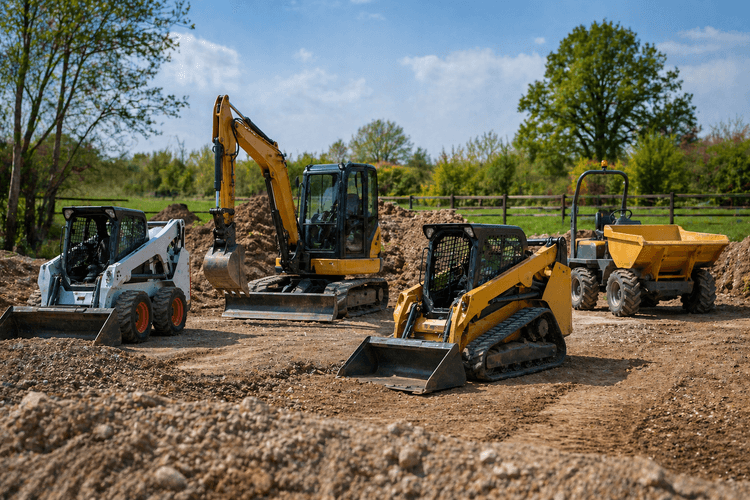
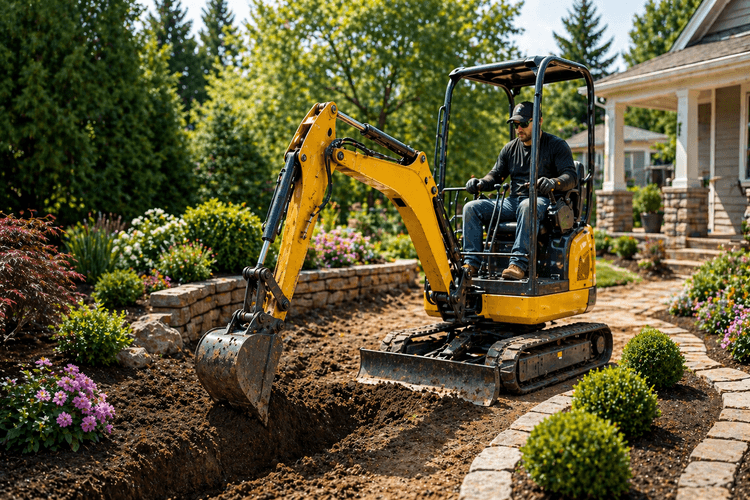
Heavy Machinery: Bulldozers, excavators, and cranes create significant engine and mechanical noise.
Power Tools: Jackhammers, saws, drills, and nail guns are especially loud and high-pitched.
Vehicle Traffic: Delivery trucks, cement mixers, and generators running on-site contribute constantly.
Demolition Work: Breaking down old structures creates sporadic but intense bursts of noise.
Structural Work: Piling, framing, and concrete pouring also generate continuous construction noise.
Typical Construction Noise Levels by Equipment
Understanding construction noise levels in decibels helps contractors stay compliant and plan mitigation strategies:
%3Aformat(webp)&w=1920&q=75) Prolonged exposure above 85 dB can cause hearing damage, making compliance with construction noise levels and regulations critical.
Prolonged exposure above 85 dB can cause hearing damage, making compliance with construction noise levels and regulations critical.
The Impact of Construction Noise
Health Effects
Prolonged exposure to construction noise can lead to:
Hearing loss
Increased stress levels
Irritability and anxiety
Sleep disturbances
Community Complaints
In urban settings, construction noise is a top source of residential complaints. Municipalities often have ordinances limiting construction hours to protect community well-being.
How to Deal With Construction Site Noise
If You’re a Nearby Resident:
Seal windows and doors with weatherstripping or acoustic insulation.
Use white noise machines or background music to mask external sounds.
Schedule activities around noisy hours, if possible.
File a complaint with your local city if noise violates municipal ordinances.
If You’re a Worker or Contractor:
Implement quiet hours during sensitive times (early morning or late evening).
Maintain equipment regularly to reduce unnecessary noise.
Use acoustic barriers or fencing to block noise from spreading.
Rotate workers away from high-noise tasks to minimize exposure.
Best Construction Noise Cancelling Headphones
For construction workers, hearing protection is critical. Construction noise-cancelling headphones offer comfort, safety, and even Bluetooth connectivity for communication and music. Here are a few top options:
Top Picks:
3M WorkTunes Connect + AM/FM
Great NRR rating with built-in radio and Bluetooth.ISOtunes PRO 2.0
OSHA-compliant with certified 27 dB NRR, perfect for loud job sites.Bose QuietComfort 45
Premium noise cancellation and comfort, though less rugged for heavy-duty use.
Look for Noise Reduction Ratings (NRR) of at least 25 dB or higher for adequate protection.
How to Reduce Construction Noise on Job Sites
Best Practices for Noise Reduction
If you're looking for how to reduce construction noise on job sites, these proven strategies deliver real results:
Use Modern Low-Noise Equipment
Newer machines are designed with quieter engines and improved insulation.
Install Temporary Sound Barriers


Plywood walls
Acoustic panels
Portable noise curtains
Schedule High-Noise Activities Strategically
Perform loud tasks during daytime hours to minimize disruption.
Maintain Equipment Regularly
Worn-out parts increase vibration and noise levels.
Provide PPE for Workers
Earplugs
Earmuffs
These methods directly support compliance with construction noise levels and regulations.
The Future of Noise Control in Construction
Innovation is changing the way the industry manages construction noise:
Electric and hybrid machinery operate more quietly than diesel-powered models.
Smart PPE (personal protective equipment) integrates real-time noise monitoring.
Pre-construction sound modeling helps forecast and mitigate noise impact before breaking ground.
City planning and environmental regulations are also pushing the industry toward more sustainable and less disruptive practices.
Construction Noise Mitigation Cost (Budget & ROI Guide)
How Much Does Construction Noise Mitigation Cost?
The construction noise mitigation cost depends on the project size and methods used:
%3Aformat(webp)&w=1920&q=75)
ROI of Noise Control Measures
Investing in construction noise mitigation cost strategies provides measurable returns:
Avoid Regulatory Fines → Non-compliance with construction noise levels and regulations can be expensive.
Reduce Project Delays → Fewer complaints = smoother workflow.
Improve Worker Productivity → Lower noise exposure improves focus and safety.
Contractors who prioritize how to reduce construction noise on job sites often complete projects faster and with fewer disruptions.
Conclusion
Construction noise is a challenge, but it’s one that can be addressed with the right tools and strategies. Whether you're working on-site or living next door, understanding how much noise construction makes and where it comes from is the first step toward protecting your health and peace of mind.
From noise-cancelling headphones to smart site planning, there are numerous ways to manage and minimize noise exposure. By applying these solutions, we can build a quieter, healthier, and more efficient construction environment for everyone.
Want to reduce construction noise on your site? Start by evaluating your current equipment and upgrading your hearing protection today.
FAQs: Construction Noise Levels, Regulations, and Mitigation
1. What are typical construction noise levels in decibels?
Typical construction noise levels in decibels range from 80 dB to 110 dB depending on equipment such as bulldozers, jackhammers, and concrete saws.
2. What are construction noise regulations?
Construction noise levels and regulations are rules that limit allowable noise levels and restrict working hours to protect workers and nearby communities.
3. How to reduce construction noise on job sites effectively?
The best ways for how to reduce construction noise on job sites include using quieter equipment, installing barriers, scheduling work strategically, and maintaining machinery.
4. What is the average construction noise mitigation cost?
The construction noise mitigation cost can range from $20 for PPE to over $5,000 for barriers, depending on the project scale.
5. Why is construction noise control important?
Controlling noise ensures compliance with construction noise levels and regulations, protects worker health, and prevents costly delays.