Critical Resources in Construction: Importance, Challenges, and Strategies
6 Min read
&w=3840&q=75)
February 20, 2025
In construction projects, critical resources play a fundamental role in ensuring smooth operations, timely completion, and budget adherence. Without proper planning and management, resource shortages can lead to costly delays, increased risks, and compromised quality.
This guide will explore critical resources in construction, how they impact project success, the challenges in managing them, and effective strategies for optimal resource allocation.
What Are Critical Resources in Construction?
Critical resources are the labor, equipment, materials, and specialized skills essential for completing construction activities on time and within budget.


Why Are Critical Resources Important?
Critical resources directly affect project productivity, scheduling, cost control, and overall project success.
What Is Resource Forecasting?
Resource forecasting estimates future labor, equipment, and material needs to ensure resources are available when required.
What Is Resource Leveling?
Resource leveling is a scheduling technique that balances workloads to prevent resource overallocation while maintaining project efficiency.
How Do Contractors Manage Critical Resources?
Contractors manage critical resources through forecasting, scheduling, monitoring utilization, resolving conflicts, and using digital project management tools.
What Is Capacity Planning?
Capacity planning evaluates available labor, equipment, and materials to ensure project demands can be met efficiently.
Real-World Critical Resource Management
Effective critical resource management is essential for keeping construction projects on schedule and within budget. Experienced project managers continuously monitor labor availability, equipment utilization, material deliveries, and subcontractor performance to prevent bottlenecks. By proactively planning and adjusting resources as project conditions change, contractors improve productivity, reduce downtime, and deliver projects more efficiently.
What Are Critical Resources?
%3Aformat(webp)&w=1920&q=75)
Critical resources refer to the essential elements required to successfully complete a construction project. These resources are limited in availability and crucial for maintaining project schedules. If any of these resources are delayed or mismanaged, the entire project may suffer.
Critical vs. Non-Critical Resources
Critical Resources: Directly affect the project timeline; shortages can lead to delays.
Non-Critical Resources: Important but do not immediately impact project schedules.
For example, a construction crew (labor) and concrete materials are critical, whereas landscaping tools may be non-critical until the final project stage.
Types of Critical Resources in Construction
1. Human Resources
Skilled labor is a key component in any construction project. Examples include:
Project managers
Engineers and architects
Skilled trades (electricians, carpenters, welders)
Without adequate manpower, even well-planned projects can face bottlenecks and inefficiencies.
2. Material Resources
Construction materials form the backbone of any project. Essential materials include:
Concrete
Steel
Lumber
Plumbing and electrical components
Shortages in materials can halt project progress, leading to costly downtime and rescheduling.
3. Equipment & Machinery
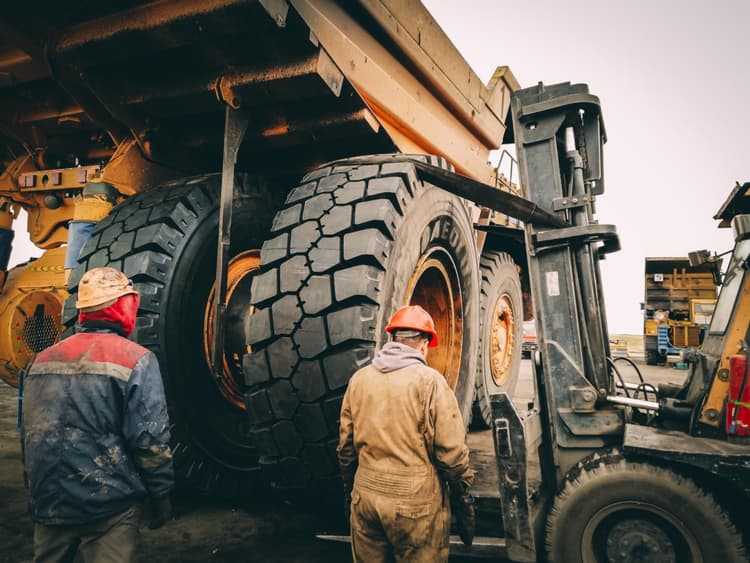
%3Aformat(webp)&w=1920&q=75) Heavy machinery and tools are critical for efficient construction. Some essential equipment includes:
Heavy machinery and tools are critical for efficient construction. Some essential equipment includes:
Cranes
Concrete mixers
Lack of availability or equipment breakdowns can cause significant project disruptions.
4. Financial Resources
No construction project can progress without a well-managed budget. Financial resources ensure:
Timely material procurement
Employee wages
Payment to subcontractors
Proper financial planning is essential to prevent funding shortages and cash flow issues.
5. Time & Scheduling
Time is one of the most crucial intangible resources in construction. Efficient scheduling ensures:
Timely completion
Avoidance of penalties for delays
Proper coordination of workforce and materials
Time management tools like Primavera P6 and Microsoft Project help track scheduling and prevent delays.
Importance of Managing Critical Resources in Construction
Failing to manage critical resources effectively can result in:
Project Delays: Shortages of labor, materials, or equipment can stall progress.
Cost Overruns: Poor resource planning leads to increased expenses.


Reduced Quality: Rushed work due to last-minute adjustments may compromise construction quality.
Safety Risks: Inadequate staffing or malfunctioning equipment can increase accident risks.
Proper resource management ensures projects stay on track, within budget, and maintain high-quality standards.
Challenges in Managing Critical Resources
1. Labor Shortages
Finding and retaining skilled workers is becoming increasingly difficult, leading to project delays.
2. Supply Chain Disruptions
Global and regional supply chain issues affect material availability, causing unexpected delays.
3. Equipment Availability & Maintenance
Heavy machinery must be readily available and well-maintained to prevent project slowdowns.
4. Budget Constraints
Unexpected cost overruns due to inflation, material shortages, or poor planning can impact project completion.
5. Poor Scheduling
Improper planning and scheduling can lead to inefficient resource allocation and underutilization.
Strategies for Effective Resource Management in Construction
1. Prioritization of Critical Resources
Identify and allocate the most important resources first to avoid potential bottlenecks.
2. Resource Leveling and Allocation
Use resource leveling techniques to balance workloads and avoid overutilization of any single resource.
3. Use of Construction Management Software
Utilizing software like Primavera P6, Microsoft Project, and Procore helps track and optimize resource allocation.
4. Establish Supplier and Contractor Partnerships
Strong partnerships with suppliers ensure consistent material delivery and prevent shortages.
5. Contingency Planning
Develop contingency plans to handle resource shortages, ensuring that projects stay on track.
Critical Resources vs. Non-Critical Resources
Understanding the difference between critical and non-critical resources helps in better planning and prioritization.
Role of Technology in Managing Critical Resources
1. Building Information Modeling (BIM)
BIM helps in visualizing and optimizing resource usage in construction projects.
2. Real-Time Monitoring Tools
Using IoT sensors and cloud-based tracking systems ensures real-time updates on resource availability.
3. AI and Automation in Resource Scheduling
AI-based project management tools predict resource needs and prevent shortages before they happen.
Frequently Asked Questions (FAQs)
What are critical resources in construction?
Critical resources include labor, equipment, materials, and specialized personnel required to complete key project activities.
Why is critical resource management important?
It improves productivity, reduces delays, controls costs, and helps projects stay on schedule.
What is resource forecasting?
Resource forecasting predicts future resource requirements based on project schedules, workloads, and expected demand.
What is resource leveling?
Resource leveling balances workloads to prevent labor or equipment from being overallocated.
How can contractors improve resource utilization?
By forecasting demand, optimizing schedules, tracking performance, and allocating resources efficiently.
What software supports resource management?
Construction management platforms, workforce scheduling tools, equipment tracking systems, and project management software help manage critical resources.
What are common resource management mistakes?
Poor forecasting, overallocation, delayed procurement, weak communication, and inadequate contingency planning are common issues.
What are resource conflicts?
Resource conflicts occur when multiple tasks compete for the same labor, equipment, or materials at the same time.
Which KPIs measure resource performance?
Resource utilization, labor productivity, equipment utilization, forecast accuracy, schedule adherence, and resource downtime are key KPIs.
Why is contingency planning important?
Contingency planning helps contractors respond quickly to resource shortages, supply chain disruptions, equipment failures, and unexpected project changes.
Improve Project Success Through Effective Resource Management
Managing critical resources effectively helps contractors maximize productivity, reduce delays, and improve project performance. By combining accurate forecasting, strategic resource allocation, digital management tools, and proactive contingency planning, construction teams can optimize resource utilization and deliver projects more efficiently.
Conclusion
Effective management of critical resources in construction is essential for avoiding delays, controlling costs, and maintaining quality. Understanding the importance of human, material, equipment, financial, and time resources allows for better project execution.
By using construction management software, prioritizing resources, and leveraging technology, construction firms can improve efficiency and avoid common pitfalls.
 Need help with resource planning for your construction project? Contact us today for expert solutions!


Karin Ohman is a full-stack software engineer who worked for Boom and Bucket.