Dam Built to Last: Step-by-Step Construction Techniques & Famous Dams
7 Min read
&w=3840&q=75)

March 29, 2025
Dams are massive engineering marvels designed to control water flow, generate hydroelectric power, and prevent flooding. But have you ever wondered, how dams are built to withstand the test of time? The process involves meticulous planning, heavy machinery, and advanced construction techniques to ensure durability and safety.
In this post, we will break down:
How are dams built step by step?
How are hydroelectric dams built?
How are dams built in water?
How long does it take to build a dam?
We will also explore famous dam projects, modern innovations, and the future of dam construction.
What Makes a Dam Built to Last?
A dam is built to last through proper site selection, strong foundation preparation, durable construction materials, quality engineering, effective drainage systems, and ongoing inspection and maintenance programs.


How Long Do Dams Last?
Many well-designed dams can remain operational for 50 to more than 100 years when properly maintained and regularly inspected.
What Equipment Is Used in Dam Construction?
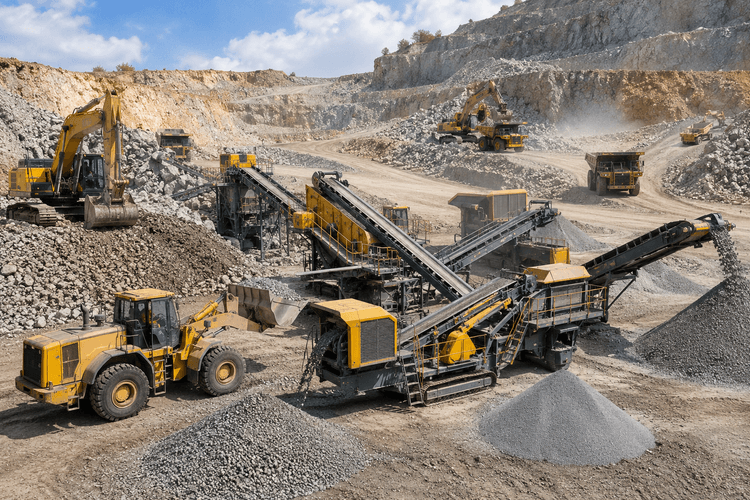
Dam construction commonly uses excavators, bulldozers, motor graders, compactors, dump trucks, cranes, and concrete placement equipment.
Real-World Dam Construction Experience
Building a dam built to last requires careful planning, engineering expertise, and long-term maintenance strategies. This guide incorporates insights from civil engineers, geotechnical specialists, construction managers, heavy equipment operators, and infrastructure professionals involved in dam construction, rehabilitation, and maintenance projects.
In real-world applications, dam durability depends on factors such as foundation conditions, material quality, drainage systems, environmental considerations, and ongoing inspections. Successful projects focus not only on construction quality but also on long-term performance and risk management.
Types of Dams and Their Lifespan
Different types of dams are designed for specific site conditions, water management needs, and engineering requirements.
%3Aformat(webp)&w=1920&q=75) Proper maintenance and inspections can significantly extend the operational lifespan of any dam type.
Proper maintenance and inspections can significantly extend the operational lifespan of any dam type.
Step 1: Site Selection & Preparation - Laying the Groundwork
Before construction begins, engineers must find the ideal location based on geological stability, water flow, and environmental impact.
Key Considerations for Site Selection:
Rock Stability - Solid bedrock is preferred for durability.
Hydrological Analysis - Studying river flow and seasonal changes.
Environmental & Community Impact - Ensuring minimal disruption to wildlife and local populations.
Clearing & Excavation:
Bulldozers and excavators clear the site.
Drilling rigs and explosives remove unstable rock.
Cofferdams (temporary barriers) divert water away from the construction area.
Case Study: Hoover Dam (USA)
Built in the 1930s, Hoover Dam required massive excavation efforts to divert the Colorado River before construction could start. Over 5,000 workers labored for nearly five years to complete this engineering masterpiece.
Step 2: Core Construction & Strengthening the Structure
Once the foundation is set, construction moves to building the dam’s core using either concrete or compacted earth materials.
Types of Dam Construction:
Concrete Dams - Built using reinforced concrete (e.g., gravity dams, arch dams).
Embankment Dams - Made from compacted soil and rock (e.g., earthen dams, rockfill dams).
Reinforcement & Waterproofing:
Steel rebar grids strengthen concrete structures.
Roller-compacted concrete (RCC) is used to build in layers for extra durability.
Waterproof membranes & grouting seal potential leaks.
Case Study: Three Gorges Dam (China)
%3Aformat(webp)&w=1920&q=75)
This world’s largest hydroelectric dam took nearly two decades to build and used 185 million cubic meters of concrete. It now supplies power to millions while preventing catastrophic floods.
Step 3: Spillways & Water Control Systems
Dams must regulate water flow efficiently to prevent overflow and structural damage.
Essential Water Control Features:
Spillways - Concrete channels that release excess water.
Penstocks - Pipes directing water to turbines in hydroelectric dams.
Valves & Gates - Hydraulic systems to control outflows.
Construction Techniques:
Tunnel boring machines (TBMs) carve out water tunnels.
Floating cranes install massive gate mechanisms.
High-strength concrete linings protect against erosion.
Case Study: Itaipu Dam (Brazil & Paraguay)
One of the largest hydroelectric dams, Itaipu uses a complex spillway system to prevent flooding and controls water across two countries.
Step 4: Hydroelectric Infrastructure (For Power-Generating Dams)
Hydroelectric dams convert water flow into electricity using turbines and generators.
How Are Hydroelectric Dams Built?
Penstock Installation - Water channels leading to turbines.
Powerhouse Construction - Reinforced buildings housing generators.
Grid Connection - High-voltage transformers deliver electricity.
Modern Technology:
Fish-friendly turbines allow safe aquatic passage.
Floating solar panels enhance renewable energy output.
Future Spotlight: Grand Inga Dam (Congo, Planned)
Projected to be the largest hydroelectric dam in the world, it aims to power 40% of Africa with renewable energy.
Step 5: Final Inspections & Reservoir Filling
Once construction is complete, engineers conduct structural testing before gradually filling the reservoir.
Key Final Steps:
Sonar & drone surveys check for construction defects.
Pressure monitoring ensures stability.
Gradual water filling prevents excessive strain.
How Long Does It Take to Build a Dam?
Small Dams: 1-3 years (e.g., irrigation projects).


Large Dams: 5-10 years (e.g., Hoover Dam, Three Gorges Dam).
Factors Affecting Time: Budget, weather, material availability.
How Are Dams Built in Water? Specialized Construction Techniques
Building a dam directly in water requires unique engineering solutions.
Key Techniques for Water-Based Dam Construction:
Cofferdams & Sheet Piles - Temporary steel barriers create dry work zones.
Tremie Concrete Pouring - Concrete is pumped through submerged pipes.
Underwater Welding & Dredging - Essential for deep-water structures.
Case Study: Itaipu Dam (Brazil & Paraguay)
To build in the middle of the Paraná River, engineers diverted the river using massive artificial channels.
Dam Maintenance and Inspection Programs
Routine dam maintenance and inspection programs are essential for protecting infrastructure investments and ensuring public safety.
Key maintenance activities include:
Structural inspections
Seepage monitoring
Erosion control measures
Concrete repair and rehabilitation
Drainage system maintenance
Instrumentation monitoring
Vegetation management
Regular inspections help engineers detect potential issues early and maintain long-term dam performance.
Common Dam Construction Challenges
Large-scale dam construction projects often face complex engineering and environmental challenges.
Common challenges include:
Geological Conditions
Unexpected soil or rock conditions can affect foundation design and construction methods.
Water Management
Controlling water flow during construction is critical to maintaining safety and productivity.
Environmental Regulations
Projects must comply with environmental permitting and mitigation requirements.
Material Logistics
Transporting large quantities of construction materials can impact schedules and costs.
Weather Conditions
Heavy rainfall, flooding, and extreme temperatures can delay construction activities.
Proper planning and risk management help minimize the impact of these challenges.
Dam Safety and Risk Management
Effective dam safety management helps protect communities, infrastructure, and water resources.
Important risk management practices include:
Routine Safety Inspections
Regular assessments help identify structural concerns and maintenance needs.
Monitoring Systems
Sensors and instrumentation track water levels, pressure, movement, and seepage conditions.
Emergency Action Plans
Prepared response plans help organizations react quickly to potential safety concerns.
Regulatory Compliance
Dam owners must follow applicable safety standards and inspection requirements.
Preventive Maintenance
Addressing small issues early can help prevent larger and more costly problems.
A proactive approach to dam safety supports long-term operational reliability and public confidence.
Modern Innovations in Dam Construction
Technology continues to improve dam safety, efficiency, and sustainability.
Recent Advancements:
Self-healing concrete - Uses bacteria to repair cracks.
AI & robotics - Drones for inspections, automated excavation.
Eco-friendly turbines - Reducing impact on aquatic life.
Frequently Asked Questions
How are dams built to last?
Dams are built to last through proper site selection, strong foundations, durable materials, effective drainage systems, quality engineering, and ongoing maintenance programs.
How long do dams typically last?
Many well-designed dams can remain operational for 50 to more than 100 years when properly maintained and regularly inspected.
What are the most common types of dams?
Common dam types include concrete gravity dams, arch dams, earthfill dams, rockfill dams, and embankment dams.
What materials are used in dam construction?
Dam construction commonly uses concrete, rock, soil, gravel, steel reinforcement, and engineered drainage materials.
What heavy equipment is used in dam construction?
Excavators, bulldozers, motor graders, compactors, articulated dump trucks, cranes, and concrete placement equipment are commonly used during dam construction projects.
Why are dam inspections important?
Dam inspections help identify structural issues, monitor performance, maintain safety, and extend infrastructure lifespan.
What are the biggest challenges in dam construction?
Common challenges include geological conditions, water management, environmental regulations, weather impacts, and material logistics.
How is dam safety monitored?
Dam safety is monitored through inspections, instrumentation systems, seepage monitoring, structural assessments, and emergency preparedness programs.
Conclusion: A Dam Built for the Future
Dams are critical infrastructure that require careful planning, cutting-edge engineering, and environmental considerations. As technology advances, future dams will be more efficient, sustainable, and safer than ever before.
Key Takeaways:
Dams require geological studies, excavation, and reinforced materials.
Hydroelectric dams integrate turbines and advanced water control systems.
Modern innovations like AI, self-healing concrete, and eco-friendly designs are shaping the future of dam construction.
Interested in learning more? Drop your questions in the comments below!


Javier Bocanegra is Boom & Bucket's Technical Resolutions Lead, drawing on 10+ years in automotive and heavy equipment to diagnose issues, resolve complex post-sale cases, and keep machines - and customers - running smoothly. A certified heavy-equipment specialist, he's known for meticulous inspections and hands-on expertise across mechanical, electrical, and hydraulic systems. Based in Sacramento, Javier partners closely with buyers, vendors, and our field teams to deliver reliable outcomes and uphold our standards for safety and trust.