Discovering the Best Deals on Tractor Trader: A Guide to Buying Used Tractors
9 Min read


June 20, 2023
Finding the best deals on Tractor Trader starts with knowing what you need, understanding used tractor prices, and comparing equipment beyond the advertised cost. Whether you manage a farm, maintain acreage, operate a landscaping business, or need a tractor for property development, the right used machine can deliver dependable performance without the expense of buying new.
Online equipment marketplaces make it easier to compare tractors from different sellers, review machine specifications, and explore equipment that may not be available locally. However, a low asking price does not always mean a good deal. Operating hours, maintenance history, mechanical condition, attachments, and transportation costs all affect the value of a tractor.
This guide explains how to find competitive tractor deals, evaluate used equipment, avoid common buying mistakes, and compare purchasing options. You will also learn how to explore used heavy equipment on Boom & Bucket when your work requires more than a traditional agricultural tractor.
What Is Tractor Trader?

Related Equipment
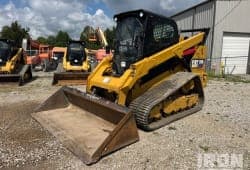
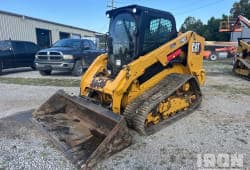
Browse all Compact track loaders


Tractor Trader is a name associated with online tractor and agricultural equipment listings. Buyers searching for tractors online can use marketplace listings to discover available machines, compare specifications, and investigate equipment offered by different sellers.
Before using any marketplace, confirm the identity of the website and review its current listing features, seller information, and purchasing terms. Do not assume every marketplace provides inspections, financing, delivery, or buyer protection.
The goal is to find a machine that matches your work and budget—not simply the cheapest tractor available.
1. Define Your Needs Before Searching
The most effective way to find a good tractor deal is to determine what the machine must accomplish.
A compact tractor may be suitable for mowing, landscaping, light material handling, and property maintenance. A utility tractor may be better for agricultural work, hauling, and operating compatible implements. Larger agricultural tractors are designed for demanding field operations and heavier implements.
Consider these factors before browsing listings:
Horsepower: Match engine output to your implements and workload.
Size and weight: Check access restrictions, storage space, and transport requirements.
Hydraulic capacity: Verify that the tractor can operate your intended hydraulic attachments.
PTO requirements: Confirm power take-off speed and compatibility with implements that use it.
Three-point hitch: Check hitch category and lifting capacity where applicable.
Terrain: Consider traction, ground clearance, tire configuration, and operating conditions.
Budget: Include attachments, maintenance, delivery, and potential repairs.
Knowing your requirements helps you filter out unsuitable listings and focus on machines that offer genuine value.
2. How to Find the Best Deals on Tractor Trader
Once you know the type of tractor you need, use a structured search process to identify suitable options.
Compare Similar Models
Start by searching for the make, model, horsepower range, and configuration that fit your work. Compare machines with similar specifications rather than treating every tractor in the same price range as interchangeable.
A lower-priced tractor may have more operating hours, worn tires, outdated features, or missing attachments. Another machine with a higher asking price may be better value if it has documented maintenance and requires less immediate work.
Review Listing Details Carefully
Look for listings that provide clear photographs, model and year information, operating hours, equipment specifications, location, and seller details.
Ask the seller for additional information when important details are missing. Request photographs of the engine compartment, tires, hydraulic connections, hitch, PTO, and other relevant components.
If a listing does not clearly identify the machine or the seller avoids reasonable questions, proceed cautiously.
Search Beyond Your Immediate Area
Expanding your search radius may reveal additional models and price options. However, calculate delivery costs before deciding that a distant listing is cheaper.
A tractor located several states away may require specialized transport, loading arrangements, and additional scheduling. Compare the total delivered cost against similar equipment closer to home.
Monitor Listings and Compare Prices
Save suitable listings and record their asking prices, specifications, operating hours, and condition. Reviewing comparable machines over time can help you recognize whether a price appears competitive.
Remember that asking prices are not necessarily completed-sale prices. Treat them as reference points rather than definitive proof of market value.
3. Compare Tractor Trader With Other Buying Options
Tractor marketplaces are one way to find equipment, but buyers can also consider dealers, auctions, private sellers, and specialized used-equipment marketplaces.

The best channel depends on your equipment needs, mechanical experience, budget, and preferred purchasing process. Regardless of where you shop, evaluate the specific machine and understand the transaction terms before committing.
4. Understand What Determines a Used Tractor's Price
Used tractor prices vary according to several factors. Understanding them helps you identify realistic deals and avoid comparing machines that are not equivalent.
Brand and Model
Brand reputation, parts availability, service access, and demand for a particular model can affect resale value. Compare the specific model and its capabilities rather than relying on brand recognition alone.
Age and Operating Hours
Older tractors and machines with more hours may have lower asking prices, but operating hours do not tell the whole story. Maintenance quality, storage conditions, workload, and previous repairs also matter.
Mechanical Condition
Engine performance, transmission operation, hydraulic function, tire condition, and structural integrity can significantly affect value.
A machine that needs immediate repairs may become more expensive than a better-maintained alternative once repair costs are included.
Attachments and Features
Loaders, mower decks, pallet forks, tillers, and other compatible implements can add value when they match your intended work. Verify their condition, compatibility, and whether they are included in the advertised price.
Location and Delivery
Transportation, taxes, loading fees, and other transaction expenses contribute to the total purchase cost. Always compare delivered prices when evaluating distant listings.
Related Equipment
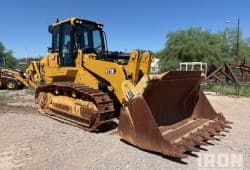
Browse all Compact track loaders


5. Inspect a Used Tractor Before Buying

A thorough inspection is essential when purchasing used agricultural equipment. If you lack mechanical experience, arrange an independent inspection by a qualified technician.
Engine and exhaust: Where practical, observe a cold start. Check for unusual noises, excessive smoke, leaks, overheating, and irregular running.
Transmission and drivetrain: Test operation under appropriate conditions. Look for abnormal noises, slipping, difficult shifting, or other performance concerns.
Hydraulic system: Inspect accessible hoses, cylinders, fittings, and connections for leaks or damage. Test hydraulic functions safely according to the operator's manual.
PTO and hitch: Verify operation and inspect the three-point hitch, PTO components, and related controls when equipped. Keep guards and protective devices in place.
Tires and steering: Examine tires for cracking, uneven wear, and damage. Check steering response and inspect accessible components for excessive play.
Safety equipment: Check brakes, lights, rollover protection, seat belts, and other applicable safety systems.
Maintenance records: Ask for service documentation, repair history, and information about outstanding issues.
Do not rely on photographs alone. A machine that looks clean may still have mechanical problems, while ordinary cosmetic wear does not necessarily indicate poor condition.
6. Avoid Common Mistakes When Hunting for Tractor Deals
One of the most common mistakes is choosing a tractor based only on price. A low asking price can hide expensive repairs or a configuration that does not meet your requirements.
Other mistakes include:
Ignoring maintenance records.
Buying more horsepower than the work requires.
Choosing a tractor without checking implement compatibility.
Overlooking hydraulic leaks or transmission problems.
Forgetting transportation and initial servicing costs.
Sending money before verifying the seller and transaction details.
Assuming every marketplace listing has been independently inspected.
Request clear documentation, verify the machine's identity, and understand payment and delivery arrangements before finalizing a purchase.
If the seller pressures you to pay immediately or refuses reasonable verification, consider walking away.
7. Calculate the Total Cost of Ownership
The purchase price is only one part of owning a tractor. Your actual costs may include fuel, maintenance, repairs, insurance, storage, transportation, attachments, and financing.
For example, suppose a used tractor costs $18,000, and you expect to spend another $2,000 on initial servicing and repairs. Your initial equipment investment becomes $20,000 before transport, taxes, and other expenses.
This is an illustrative calculation, not a market-price estimate. Actual costs depend on the machine and your operating conditions.
Before purchasing, estimate annual operating hours, expected maintenance costs, and the amount of work the tractor will complete. If the machine supports a business, compare its expected contribution to revenue with its operating and ownership costs.
Keeping a repair reserve is especially important when buying older equipment.
8. Explore Used Heavy Equipment on Boom & Bucket
Not every equipment buyer needs a traditional farm tractor. Construction contractors, material-handling businesses, and property-development companies may also need skid steers, excavators, wheel loaders, bulldozers, and other heavy equipment.
Boom & Bucket offers an online marketplace where buyers can explore used heavy equipment and compare available machines.
When evaluating listings, focus on the specifications that matter to your application, including operating hours, machine condition, attachments, location, and transportation requirements.
Start by exploring used heavy equipment on Boom & Bucket. If your project requires construction machinery rather than an agricultural tractor, reviewing the relevant equipment categories may help you identify a better fit.
Before purchasing, confirm the listing details, ask about the machine's condition, and review any available financing or delivery options directly with the appropriate provider.
9. A Simple Checklist for Finding the Right Deal
Before making an offer, confirm that you have:
Identified the right tractor size and horsepower.
Compared similar models and configurations.
Reviewed operating hours and maintenance history.
Inspected the engine, transmission, hydraulics, tires, and safety equipment.
Verified attachment and implement compatibility.
Calculated transportation and initial repair costs.
Checked the seller's identity and transaction terms.
Established a total ownership budget.
Arranged an independent inspection when appropriate.
This checklist helps turn online browsing into a more informed purchasing decision.
Frequently Asked Questions
How do I find the best deals on Tractor Trader?
Define your equipment requirements, compare similar models, review listing details, and investigate maintenance history. Include delivery and repair costs when evaluating prices.
Is buying a used tractor worth it?
A used tractor can offer good value when its condition, capabilities, and price match your needs. A professional inspection and realistic maintenance budget can help reduce purchasing risks.
What should I check before buying a used tractor?
Inspect the engine, transmission, hydraulics, tires, steering, PTO, hitch, and safety equipment. Review service records and arrange a qualified inspection if you are uncertain about the machine's condition.
Are cheaper tractors always better deals?
No. A low-priced tractor may require expensive repairs or lack necessary features. Compare total ownership costs and the machine's ability to perform your intended work.
What other equipment marketplaces can I consider?
Buyers can explore dealerships, auctions, private sellers, and specialized online marketplaces. Boom & Bucket is another option for comparing used construction and heavy equipment.
Final Thoughts
Finding the best deals on Tractor Trader requires more than sorting listings by price. Start with your workload, compare similar tractors, inspect mechanical condition, and calculate the full cost of ownership before making a decision.
The best purchase is a machine that fits your needs, performs reliably, and offers reasonable long-term value - not necessarily the one with the lowest asking price.
If your work also requires construction or industrial machinery, explore Boom & Bucket's used heavy equipment marketplace to compare available options and take the next step toward your equipment purchase.

Caleb Woods is an experienced content specialist and an editor at Boom & Bucket, blending his journalism background with expertise in the heavy equipment industry. He delivers engaging, informative content to help professionals stay informed and make smarter decisions in the machinery market.