Evolution and Role of Service Trucks in Modern Industries
11 Min read
&w=3840&q=75)
December 22, 2023
Service trucks, often regarded as the unsung heroes of various industries, play a pivotal role in ensuring the smooth operation and maintenance of critical infrastructure. These versatile vehicles have evolved significantly over the years, adapting to the changing needs of industries such as construction, utilities, telecommunications, and emergency services. In this comprehensive exploration, we delve into the history, design, functionality, and the profound impact that service trucks have had on modern industrial operations. From their humble beginnings to their sophisticated present state, these indispensable workhorses continue to be the backbone of essential services, embodying resilience and adaptability in every aspect of their existence.
What Is a Service Truck?
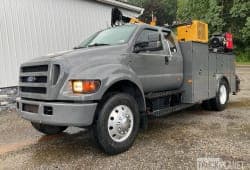
A service truck is a work truck designed to carry tools, parts, equipment, and specialized systems directly to a jobsite. Common configurations include enclosed service bodies, utility bodies, cranes, compressors, generators, welders, and other equipment used for field maintenance and repair.


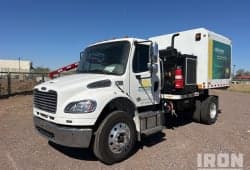
Service trucks are commonly used in construction, utilities, transportation, mining, oil and gas, and equipment maintenance
Historical Perspective:
The origins of service trucks can be traced back to the early 20th century when industries began to realize the need for on-site maintenance and repair capabilities. The emergence of automobiles and the growing complexity of machinery spurred the development of mobile service units. These early service trucks were often rudimentary, equipped with basic tools, and primarily used for mechanical repairs.
As industries expanded and technology advanced, so did the capabilities of service trucks. World War II played a crucial role in accelerating their development, with mobile repair units becoming essential for maintaining military equipment. Post-war, these technological advancements found their way into civilian applications, marking the beginning of the widespread use of service trucks across various sectors.
Types of Service Trucks
%3Aformat(webp)&w=1920&q=75)
Mechanic Trucks:
Mechanic trucks, equipped with specialized tools and equipment, are mobile workshops essential for on-the-go vehicle maintenance. These versatile vehicles enable mechanics to efficiently diagnose and repair issues, offering a convenient solution for roadside assistance and field service operations. With their integrated capabilities, mechanic trucks enhance fleet efficiency and minimize downtime.
Utility Trucks:
Utility trucks, essential in various industries, are versatile vehicles designed for specialized tasks. These vehicles, equipped with unique features such as cranes, lifts, or tool compartments, serve crucial roles in maintenance, construction, and emergency services. Their adaptability makes them indispensable for efficiently addressing diverse challenges and ensuring the functionality of essential infrastructure.
Crane Trucks:
Crane trucks, essential in construction and logistics, seamlessly merge the capabilities of a crane with a robust truck chassis. These versatile vehicles efficiently lift and transport heavy loads, optimizing construction sites and facilitating the movement of materials. Their adaptability makes crane trucks indispensable for diverse industries, ensuring seamless project execution.
Bucket Trucks:
Bucket trucks, also known as cherry pickers or aerial lifts, are specialized vehicles equipped with an extendable boom and bucket for reaching elevated areas. Commonly used in industries like forestry, telecommunications, and utilities, these trucks enable workers to perform tasks at heights safely, enhancing efficiency and accessibility for various maintenance and construction activities.
Aerial Lift Trucks:
Aerial lift trucks, essential in various industries, facilitate efficient elevation of workers and materials. These specialized vehicles, equipped with extendable platforms or buckets, enable tasks like maintenance, construction, and rescue operations at elevated heights. Their versatility and safety features make them indispensable for reaching inaccessible areas, ensuring productivity and worker well-being.
Design and Features:
Chassis and Cab:
Modern service trucks are built on robust chassis, often customized to meet specific industry requirements. The cab design varies based on the intended use, with some trucks featuring a standard driver's cabin, while others are designed for multiple crew members. The ergonomic layout of controls and visibility considerations are paramount to enhance the efficiency and safety of operations.
Body Configurations:
Service truck bodies come in diverse configurations to accommodate different tools and equipment. Common designs include enclosed service bodies, open utility beds, and specialized compartments for specific tools. The layout is meticulously planned to maximize storage space while ensuring quick access to essential tools and parts.
Power Systems:
Powering these trucks efficiently is crucial for their functionality. Many service trucks are equipped with powerful engines to support various hydraulic systems, generators, and air compressors. These power sources enable the execution of tasks ranging from heavy-duty lifting to operating pneumatic tools on-site.
Specialized Equipment:
Service trucks are equipped with a range of specialized tools and equipment depending on the industry they serve. Common features include cranes, winches, welding equipment, hydraulic systems, and compressed air systems. The integration of cutting-edge technology, such as diagnostic tools and remote monitoring systems, enhances the troubleshooting capabilities of these vehicles.
Service Truck Specifications & Capacity
When comparing service trucks, focus on the specifications that directly affect your workload:
GVWR and payload capacity
Truck chassis and wheelbase
Service body dimensions
Crane lifting capacity and reach
Compartment and storage capacity
Engine and powertrain
Hydraulic system capacity
Generator or compressor output
Mileage or engine hours
Always verify the manufacturer's specifications and the truck's actual configuration before purchasing. Added equipment can significantly affect payload.
Applications Across Industries:
Construction Industry:
In the construction sector, service trucks are indispensable for maintaining heavy machinery and vehicles on job sites. Equipped with cranes and welding units, these trucks can handle on-the-spot repairs, reducing downtime and increasing overall project efficiency.
Utilities and Telecommunications:
Service trucks play a critical role in maintaining utility infrastructure and telecommunication networks. They are equipped with specialized tools for repairing power lines, transformers, and communication equipment. The ability to reach remote locations quickly is vital for restoring services during emergencies.
Emergency Services:
Emergency service vehicles, including fire trucks and ambulances, are a specialized category of service trucks. These vehicles are equipped with life-saving equipment and tools, allowing first responders to provide immediate assistance during critical situations.
Transportation and Logistics:
In the transportation and logistics sector, service trucks are used for the maintenance of commercial vehicles such as trucks and buses. These trucks are equipped with tools for routine maintenance, tire changes, and minor repairs, ensuring the continuous operation of the transportation fleet.
Mining and Oil Industries:
In the mining and oil sectors, service trucks are essential for maintaining heavy machinery used in extraction and processing. These trucks are often equipped with specialized tools for dealing with the harsh conditions of these industries.
Advancements in Technology:
Telematics and Remote Monitoring:
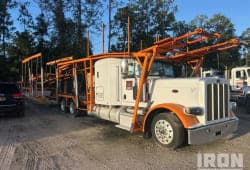

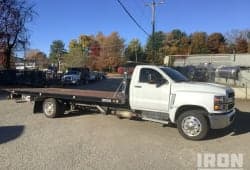
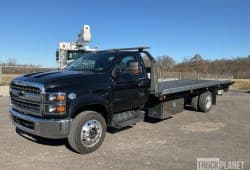
The integration of telematics and remote monitoring systems has revolutionized the way service trucks are managed. Fleet managers can now track the location, status, and performance of service trucks in real-time. This technology not only improves operational efficiency but also allows for proactive maintenance, reducing the likelihood of unexpected breakdowns.
Hybrid and Electric Powertrains:
As the global focus on sustainability grows, service trucks are adopting hybrid and electric powertrains. These eco-friendly alternatives reduce emissions and operating costs, making them an attractive option for businesses committed to environmental stewardship.
Autonomous Features:
The advent of autonomous technology is gradually finding its way into service trucks. While complete autonomy is not yet widespread, features such as advanced driver assistance systems (ADAS) are enhancing safety and reducing the workload on operators.
Advanced Diagnostic Tools:
Service trucks now come equipped with sophisticated diagnostic tools that enable technicians to identify and address issues more efficiently. This not only speeds up the repair process but also contributes to preventive maintenance by detecting potential problems before they escalate.
Challenges and Future Trends:
Challenges:
Cost of Technology: Companies are adopting innovative solutions to streamline operations, enhance productivity, and meet customer demands. However, the integration of advanced technology comes with a high cost, posing a challenge for smaller businesses or industries with tight budgets.
Training: Effective utilization of modern service trucks requires specialized training for operators and technicians. The advanced features demand a level of expertise that can be a barrier to adoption. Training becomes crucial, ensuring professionals can harness the full potential of these vehicles, enhancing efficiency and optimizing their performance in diverse service scenarios.
Regulatory Compliance: Manufacturers face ongoing challenges in designing and producing compliant service trucks due to evolving environmental and safety regulations. Regulatory compliance is paramount, demanding continuous adaptation to ensure adherence to standards. Navigating these complexities is essential for businesses to uphold their commitment to environmental responsibility and workplace safety while maintaining operational efficiency.
Future Trends:
Automation: The transportation industry is experiencing a transformative shift with the integration of advanced technologies. Automation is playing a pivotal role in this evolution, enhancing efficiency and safety. The gradual introduction of autonomous features is likely to continue, with the potential for fully autonomous service trucks in the distant future.
Data Analytics: In the evolving landscape of modern industries, technological advancements are shaping the future. Embracing innovations like data analytics is pivotal. Increased reliance on data analytics will enable better decision-making, predictive maintenance, and optimization of service truck operations. This transformative tool empowers businesses to extract valuable insights, fostering efficiency, and staying ahead in a dynamic market.
Sustainability: As industries evolve, the demand for sustainable practices is evident. Businesses are increasingly recognizing the importance of sustainability. The trend towards sustainable practices will drive the adoption of electric and hybrid service trucks, aligning with global efforts to reduce carbon footprints. Embracing eco-friendly solutions is not just a choice but a necessity in the pursuit of a greener and more responsible future.
How Much Does a Used Service Truck Cost?
Used service truck prices vary based on make, model, year, mileage, chassis, body configuration, equipment, and overall condition.
Important pricing factors include:
Truck age and mileage
Engine and transmission condition
Service body condition
Crane or lift capacity
Included tools and equipment
Maintenance history
Tires, brakes, and suspension
Specialized equipment and options
Compare trucks with similar chassis, mileage, body configuration, equipment, and condition rather than relying on one average market price.
Used Service Truck Buying Guide: What to Inspect
Before buying a used service truck, inspect both the truck chassis and service equipment.
Check the truck:
Engine and transmission
Frame and suspension
Brakes and tires
Steering and drivetrain
Electrical systems
Mileage and service records
Check the service body:
Compartments and doors
Floor and structural condition
Mounting points
Hydraulic systems
Crane, boom, or lift
Generator, compressor, or welder
Safety equipment
Test specialized equipment under normal operating conditions when possible, and consider a professional inspection for higher-value purchases.
How to Choose the Right Service Truck
Start with the work you need the truck to perform.
Define the application - repair, maintenance, lifting, utility work, or field service.
Determine payload requirements - tools, parts, personnel, and equipment.
Choose the right body - service, utility, crane, bucket, or custom.
Match the chassis - verify GVWR, payload, wheelbase, and terrain requirements.
Check specialized equipment - crane, compressor, generator, welder, or lift.
Compare used condition and total cost - mileage, maintenance, equipment condition, and expected operating costs.
Define the job → choose the body → match capacity → inspect the truck → compare listings → buy.
Service Truck FAQs
What is a service truck used for?
Service trucks bring tools, parts, and specialized equipment directly to job sites for maintenance, repair, lifting, and field service work.
What is the difference between a service truck and a utility truck?
A service truck typically has dedicated tool storage and service equipment, while a utility truck may be configured more broadly for carrying materials, tools, or specialized utility equipment.
What should I look for in a used service truck?
Check the chassis, engine, transmission, mileage, frame, service body, hydraulic systems, specialized equipment, maintenance records, and overall condition.
How much does a used service truck cost?
Prices vary by chassis, year, mileage, body configuration, equipment, and condition. Compare similar trucks rather than using a single average price.
What size service truck do I need?
Choose based on your required payload, tools and equipment, body configuration, lifting requirements, and jobsite conditions.
Are service trucks good for heavy-equipment maintenance?
Yes. Properly configured service trucks can carry tools, parts, generators, compressors, welders, and lifting equipment needed for field maintenance and repairs.
Conclusion
Service trucks have come a long way from their humble beginnings, evolving into sophisticated and indispensable assets across various industries. Their role in maintaining critical infrastructure, reducing downtime, and enhancing operational efficiency cannot be overstated. As technology continues to advance, service trucks will likely play an even more crucial role in the Fourth Industrial Revolution, contributing to the seamless functioning of modern industries while embracing sustainability and innovation. The journey of service trucks is a testament to human ingenuity and adaptability in addressing the ever-changing needs of our industrial landscape.


Karin Ohman is a full-stack software engineer who worked for Boom and Bucket.