How to Buy the Best Used Articulated Dump Truck: Complete Buyer's Guide
9 Min read
&w=3840&q=75)

December 28, 2022
Buying a used articulated dump truck (ADT) is one of the smartest ways to expand your fleet without paying the premium price of new equipment. Whether you're working in earthmoving, mining, quarrying, road construction, forestry, or large-scale site development, a well-maintained articulated dump truck can provide years of dependable service while significantly lowering your equipment acquisition costs.
However, not every used machine offers the same value. A low purchase price may seem attractive, but hidden mechanical issues, poor maintenance history, or excessive wear can quickly turn a bargain into an expensive repair project. That's why understanding what to inspect before buying is critical.
This guide explains everything you need to know - from choosing the right machine size and evaluating maintenance records to comparing leading manufacturers and estimating long-term ownership costs.
What Is an Articulated Dump Truck?
An articulated dump truck (ADT) is an off-road hauling vehicle designed with a pivoting articulation joint between the cab and the dump body. This flexible design allows the truck to maintain traction and stability while traveling across rough, muddy, or uneven terrain that would challenge conventional rigid dump trucks.


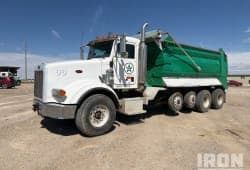

Articulated dump trucks are commonly used for:
Earthmoving projects
Quarry operations
Mining
Road construction
Land clearing
Pipeline installation
Large infrastructure projects
Their superior mobility, high payload capacity, and excellent maneuverability make them a preferred choice for demanding off-road environments.
Why Buy a Used Articulated Dump Truck?
%3Aformat(webp)&w=1920&q=75)
Purchasing a used articulated dump truck offers several advantages, especially for contractors looking to maximize return on investment.
Key benefits include:
Lower upfront purchase costs
Reduced equipment depreciation
Immediate equipment availability
Access to premium models at affordable prices
Lower insurance costs compared to new equipment
When purchased from a trusted marketplace with transparent inspections and service records, used articulated dump trucks can deliver performance comparable to newer models at a fraction of the cost.
Who Should Buy an Articulated Dump Truck?
Articulated dump trucks are ideal for businesses that regularly move large volumes of material over challenging terrain.
They are commonly used by:
General contractors
Earthmoving companies
Quarry operators
Mining contractors
Forestry operations
Utility contractors
Land development firms
Pipeline construction companies
If your projects involve hauling dirt, rock, gravel, demolition debris, or aggregate across soft, uneven, or steep ground, an articulated dump truck can improve productivity while reducing cycle times and operating costs.
Key Factors to Consider Before Buying
Before comparing specific machines, start by evaluating how the truck will be used. The best used articulated dump truck isn't necessarily the largest or least expensive - it's the one that best matches your jobsite conditions and hauling requirements.
Consider the following:
Typical payload requirements
Haul distance
Ground conditions
Fuel efficiency
Parts availability
Dealer support
Maintenance history
Future resale value
Choosing the right machine based on these factors helps minimize downtime, reduce operating costs, and maximize long-term value.
Complete Used Articulated Dump Truck Inspection Checklist
A thorough inspection is the most important step when buying a used articulated dump truck. Appearance alone doesn't reveal how well a machine has been maintained. A clean truck with poor maintenance can become far more expensive than a higher-hour machine that has been serviced consistently.
Whenever possible, inspect the machine in person, review maintenance records, and request an independent inspection if you're buying remotely.
1. Evaluate the Engine
The engine is the heart of any articulated dump truck, and major repairs can be costly.
Look for:
Excessive exhaust smoke at startup or under load
Oil or coolant leaks
Unusual knocking or vibration
Hard starting
Signs of overheating
Recent engine rebuild documentation
A smooth idle and consistent power delivery are good indicators that the engine has been properly maintained.
2. Inspect the Hydraulic System
Hydraulics power the dump body and contribute to overall machine performance.
Check for:
Leaking hydraulic cylinders
Damaged hoses or fittings
Slow dump cycle times
Jerky hydraulic movement
Hydraulic pump noise
Dirty hydraulic oil
Hydraulic repairs can become expensive quickly, so even minor leaks deserve attention.
3. Examine the Transmission and Drivetrain
A properly functioning transmission should shift smoothly without hesitation.
Inspect:
Forward and reverse engagement
Transmission fluid condition
Differential operation
Final drives
Driveline components
Any abnormal noises during operation
Test driving the truck under load provides the best indication of drivetrain health.
4. Check the Articulation Joint
The articulation joint is one of the most heavily stressed components on an ADT.
Inspect for:
Excessive movement
Loose center pins
Worn bushings
Cracked welds
Structural repairs
Excessive wear here often signals years of heavy operation.
5. Inspect the Frame and Dump Body
Walk around the machine carefully.
Look for:
Frame cracks
Previous welding repairs
Bent structural components
Excessive rust
Damage inside the dump body
Uneven wear patterns
A straight frame is critical for safe operation and long-term reliability.
6. Evaluate Tires
Tires are one of the largest replacement expenses on articulated dump trucks.
Check:
Remaining tread depth
Sidewall cuts
Uneven wear
Matching tire brands
Signs of previous repairs
Replacing a full set of large off-road tires can significantly increase ownership costs.
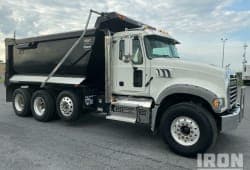

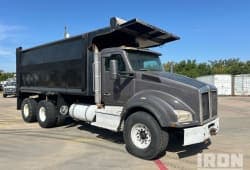

Used Articulated Dump Truck Inspection Comparison
%3Aformat(webp)&w=1920&q=75)
Best Articulated Dump Truck Brands
While condition should always outweigh brand alone, some manufacturers have earned strong reputations for durability, dealer support, and resale value.
Caterpillar (CAT)
Caterpillar ADTs are known for excellent durability, extensive dealer networks, and high resale values. They remain a popular choice for contractors who prioritize long-term support and parts availability.
Volvo
Volvo pioneered the articulated dump truck concept and continues to be recognized for operator comfort, fuel efficiency, and dependable performance in demanding conditions.
Komatsu
Komatsu trucks are valued for robust construction, efficient drivetrains, and reliable productivity. Many fleet owners appreciate their balance of performance and operating costs.
John Deere
John Deere articulated dump trucks offer competitive hauling performance and are especially attractive for contractors already operating Deere equipment due to common dealer support and fleet compatibility.
Bell Equipment
Bell has built a strong reputation for fuel-efficient articulated trucks with innovative features and dependable performance, particularly in mining and quarry applications.
Don't Judge a Machine by Hours Alone
One of the biggest misconceptions when buying used heavy equipment is that lower hours automatically mean a better machine.
In reality, a 15,000-hour articulated dump truck with complete service records, regular oil analysis, and scheduled component replacements can often be a better investment than an 8,000-hour machine with poor maintenance history.
Instead of focusing solely on the hour meter, evaluate:
Maintenance documentation
Previous job applications
Operator care
Repair history
Component rebuilds
Overall operating condition
A well-maintained machine typically delivers lower lifetime ownership costs than one that has been neglected.
Understand the Total Cost of Ownership (TCO)
The purchase price is only one part of the investment. To maximize profitability, consider the Total Cost of Ownership (TCO) before buying a used articulated dump truck.
Key ownership costs include:
Fuel consumption
Preventive maintenance and service intervals
Tire replacement
Hydraulic repairs
Replacement parts availability
Insurance and transportation
Operator training
Resale value
A truck with a slightly higher purchase price but an excellent maintenance history often costs less to own over its lifetime than a cheaper machine with recurring repairs and downtime.
Expert Tips for Buying a Used Articulated Dump Truck
%3Aformat(webp)&w=1920&q=75)
Experienced fleet managers know that successful equipment purchases come down to preparation. Keep these best practices in mind before placing a bid or signing a purchase agreement.
Request Maintenance Records
Complete service records are one of the best indicators of how a machine has been cared for. Look for evidence of scheduled maintenance, fluid changes, and major component repairs or rebuilds.
Verify Inspection Reports
If you're purchasing online, review inspection reports carefully. Pay close attention to photos, videos, and any notes about leaks, structural damage, or worn components. If the inspection is limited, consider arranging an independent inspection before committing.
Match the Machine to the Job
Choose an articulated dump truck with the right payload capacity and features for your projects. An oversized truck can increase fuel and operating costs, while an undersized machine may reduce productivity.
Consider Dealer and Parts Support
Reliable access to replacement parts and service technicians can significantly reduce downtime. Before buying, make sure the brand has strong dealer support in your region.
Take a Test Drive
Whenever possible, operate the truck before purchasing. Listen for unusual noises, test steering and braking, verify smooth transmission shifts, and ensure the dump body cycles properly.
Common Mistakes to Avoid
Avoiding these common mistakes can save thousands of dollars in unexpected repairs:
Buying based solely on the lowest price
Ignoring maintenance history
Focusing only on machine hours
Skipping an inspection
Overlooking tire condition
Forgetting transportation and ownership costs
Choosing a truck that's too large or too small for the intended application
A careful evaluation today can prevent expensive downtime tomorrow.
Frequently Asked Questions
Is buying a used articulated dump truck worth it?
Yes. A well-maintained used articulated dump truck can provide excellent performance at a significantly lower cost than buying new. Reviewing service records and completing a thorough inspection are essential before purchasing.
How many hours is too many on an articulated dump truck?
There is no universal limit. Machine condition, maintenance history, and previous operating environment are more important than hours alone. Many properly maintained ADTs remain productive well beyond 15,000–20,000 hours.
Which articulated dump truck brand is the most reliable?
Manufacturers such as Caterpillar, Volvo, Komatsu, John Deere, and Bell all produce reliable articulated dump trucks. The best choice depends on your workload, local dealer support, and the condition of the specific machine.
What should I inspect before buying?
Inspect the engine, transmission, hydraulics, articulation joint, frame, dump body, tires, brakes, suspension, and maintenance records. A complete inspection helps identify potential issues before they become costly repairs.
What is the difference between an articulated and a rigid dump truck?
An articulated dump truck has a pivoting joint between the cab and dump body, allowing it to navigate rough, muddy, and uneven terrain with better traction and maneuverability. Rigid dump trucks are generally better suited for large mining operations and well-maintained haul roads.
Why Buy Your Next Used Articulated Dump Truck from Boom & Bucket?
Finding the right used articulated dump truck is about more than getting the lowest price - it's about buying equipment you can trust. By evaluating machine condition, reviewing maintenance history, inspecting key components, and understanding long-term ownership costs, you can make a confident investment that supports productivity and profitability.
At Boom & Bucket, buyers have access to detailed equipment listings, transparent inspection reports, and a wide selection of quality used articulated dump trucks from trusted manufacturers. Whether you're expanding a construction fleet, replacing aging equipment, or purchasing your first ADT, Boom & Bucket makes it easier to compare machines and buy with confidence.
Final Thoughts
A used articulated dump truck can deliver outstanding value when chosen carefully. Rather than focusing only on age or hour meter readings, prioritize overall condition, documented maintenance, dealer support, and total cost of ownership. These factors have the greatest impact on reliability, resale value, and long-term operating costs.
By following the inspection checklist and buying tips in this guide, you'll be better prepared to choose an articulated dump truck that meets your operational needs while minimizing downtime and maximizing return on investment.


Albert Demi is an Account Manager at Boom & Bucket, managing high-value construction and heavy equipment accounts with a focus on retention, growth, and tailored equipment solutions. With a strong background in sales leadership and partnerships, Albert is known for exceeding revenue targets, maintaining exceptional renewal rates, and building long-term client relationships through proactive support and industry insight.