How to Level Your Yard for Sod or Existing Grass: Manual vs. Heavy Equipment Methods
11 Min read
&w=3840&q=75)

August 20, 2024
The leveling strategy changes based on whether or not the area has desirable grass or sod. If you want to maintain existing grass, you need a gentler approach, using shallow topdressing and gradual leveling over time to avoid smothering the grass. Core aeration can also help with soil settling and grass health during this process. Spot repairs are recommended for specific low or high spots, ensuring the grass remains intact. However, if you are starting fresh or laying new sod, you can be more aggressive-removing all old grass, regrading with heavy equipment if needed, amending the soil, and thoroughly leveling the area before installing the new sod. The fresh start allows for a more comprehensive leveling strategy since there is no need to protect existing grass.
What Does It Mean to Level a Yard?
Leveling a yard means correcting high and low areas to create a smoother, more stable surface. The process may include removing soil, filling low spots, grading, and compacting the ground.


What Is the Best Machine for Leveling a Yard?
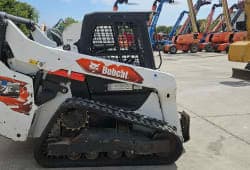
A skid steer or compact track loader is a versatile choice for many yard-leveling projects because it can move soil and use attachments designed for grading and surface preparation.
Can You Level a Yard Without Removing Grass?
Yes. Shallow uneven areas can often be corrected gradually with topdressing and light leveling. Major elevation changes may require removing grass and regrading the soil.
What Is the Difference Between Yard Leveling and Grading?
Yard leveling corrects uneven surfaces, while yard grading establishes a controlled slope to direct surface water toward an appropriate drainage area.
How Do You Level a Sloped Yard?
Leveling a sloped yard requires evaluating elevation, drainage, soil stability, and erosion before removing or adding soil. The finished yard may need a controlled slope rather than being completely flat.
How Much Soil Do You Need to Level a Yard?
Estimate soil volume by multiplying the area by the average depth of fill needed. Complex yards require more accurate elevation measurements to determine the amount of material required.
How We Evaluated Yard Leveling Methods
We evaluate yard-leveling methods based on:
Yard size
Soil conditions
Elevation changes
Drainage requirements
Equipment requirements
Labor
Cost
Safety
Long-term stability
Leveling Before Sod
Before laying sod, it's crucial to properly prepare the ground. Here’s a step-by-step guide on how to level a yard before sod.
1. Remove Existing Grass and Weeds
Manual Method: Use a shovel or sod cutter to remove existing grass and weeds.
Heavy Equipment: For larger areas, a rototiller or a skid steer with a sod removal attachment can be used to clear the land more efficiently.
2. Grade and Slope for Drainage
Ensure proper drainage by grading the yard away from structures. This usually means having a slope of about 1-2% away from buildings.
Manual Method: Use a rake to achieve minor adjustments.
Heavy Equipment: For larger or more complex areas, consider using a box blade, land plane, or a mini bulldozer to efficiently level the ground and create proper drainage slopes.
3. Till and Loosen the Soil
Tilling the soil helps loosen compacted soil, making it easier for roots to penetrate.
Manual Method: Use a shovel or garden tiller for small areas.
Heavy Equipment: For large areas, a rototiller attachment on a tractor or a compact track loader can make the job faster and more thorough.
4. Amend the Soil
Add soil amendments such as compost, sand, or fertilizer to improve soil quality based on a soil test.
Manual Method: Spread with a shovel and rake.
Heavy Equipment: A broadcast spreader can be attached to a tractor to evenly distribute amendments across large areas.
%3Aformat(webp)&w=1920&q=75)
5. Final Grading and Smoothing
Once amendments are added, regrade and smooth the surface to eliminate any bumps or dips. The goal is to have a perfectly even surface before laying the sod.
Manual Method: Use a lawn roller and rake.
Heavy Equipment: A landscape rake attachment on a skid steer or power rake can help get a smooth finish over large areas.
6. Water the Soil
Lightly water the soil a day before laying sod to ensure the ground is moist but not soggy. This helps the sod roots establish more quickly.
By using heavy equipment such as skid steers, mini bulldozers, or tractors with the right attachments, you can dramatically reduce the time and effort required for these steps, especially for larger yards.
Leveling After Sod
To level an existing yard that presently has grass, follow these steps:
1. Evaluate the Yard
Walk around and identify uneven areas, noting low spots, high spots, and drainage issues. Mark these areas for correction.
2. Mow and Dethatch
Mow the yard short to better see the uneven areas. If there is excessive thatch (dead grass buildup), dethatch the lawn using a rake or dethatching machine.
3. Prepare Topsoil or Sand Mix
Prepare a mixture of topsoil, sand, and compost (roughly equal parts). Sand improves drainage, topsoil helps growth, and compost adds nutrients. Sand is desirable for warm season lawns (bermuda grass, zoysia, st augustine, etc) and less desirable for cool season lawns (fescue, Kentucky blue grass, etc).
4. Fill Low Spots
Spread the soil mix into low areas with a shovel or rake. Lightly compact it and smooth the surface. For deep low spots (over 2 inches), work in layers to avoid smothering the grass.
%3Aformat(webp)&w=1920&q=75)
5. Level High Spots
For small high spots, you can remove excess soil and redistribute it. For large high spots, you may need to remove sod, excavate soil, and then replace the sod. Some have also used a pressure washer to lower high spots but this method is messy.
6. Rake and Smooth
After addressing low and high spots, use a garden rake to smooth out the surface, ensuring it's even across the yard. You can use a leveling rake to properly drag the leveling mix.
7. Water the Yard
Lightly water the leveled areas to settle the soil. Watch for additional settling and fill as needed.
8. Seed or Sod
If you’ve removed large areas of grass, reseed or lay new sod. Water regularly until the grass is established.
9. Monitor and Maintain
Over time, you may need to repeat this process as the soil settles. Regular maintenance helps keep the yard level and healthy.
Why Is Yard Leveling Important?
An uneven yard can cause:
Standing water
Poor drainage
Soil erosion
Uneven grass growth
Mowing difficulties
Trip hazards
Water pooling near foundations
Proper leveling improves the yard's usability while creating better conditions for grass, landscaping, and drainage.
How to Tell if Your Yard Needs Leveling
Signs your yard may need leveling include:
Persistent puddles
Visible dips or mounds
Uneven grass growth
Erosion channels
Exposed roots
Water flowing toward buildings
Areas that remain wet after rain
Difficulty mowing evenly
Before leveling, determine whether drainage or soil-settling problems are causing the uneven areas.
Yard Leveling vs. Yard Grading
Yard leveling focuses on correcting uneven surfaces.
Yard grading establishes a controlled slope that directs water toward an appropriate drainage area.
A successful project may require both:
Assess Level Establish drainage grade Compact Finish
A yard does not necessarily need to be perfectly flat to be properly graded.
How to Level an Existing Lawn
Minor uneven areas can often be corrected without removing the entire lawn.
Basic approach:

Mow the grass.
Identify high and low areas.
Apply a suitable topdressing material.
Spread it evenly.
Work the material into shallow depressions.
Water lightly.
Repeat gradually when necessary.
Deep depressions may require more extensive soil correction and lawn repair.
How to Grade a Yard for Proper Drainage
The goal of grading is to move surface water away from buildings and toward an appropriate drainage area.
For many residential situations, a gentle slope away from structures is desirable, but the appropriate grade depends on site conditions and local requirements.
For significant grading projects, use elevation measurements rather than relying only on visual estimates.
How Much Does It Cost to Level a Yard?
Yard-leveling costs depend on:
Yard size
Amount of soil to move
Soil conditions
Drainage requirements
Equipment
Labor
Imported topsoil
Hauling and disposal
Small lawn corrections can be relatively inexpensive, while major grading projects can require substantial equipment and labor.
8. DIY Yard Leveling vs. Hiring a Professional
DIY Is Best For:
Small yards
Minor low spots
Shallow uneven areas
Basic lawn preparation
Hire a Professional For:
Large properties
Significant elevation changes
Major drainage problems
Large-scale soil movement
Retaining-wall projects
Complex grading
The more soil that needs to be moved, the more valuable professional equipment and expertise become.
Best Equipment for Leveling a Yard
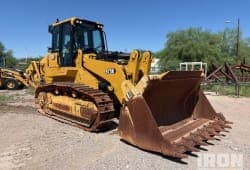
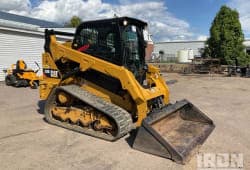
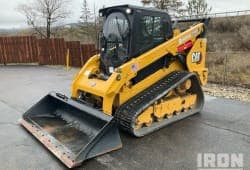
%3Aformat(webp)&w=1920&q=75) For many residential and light-commercial projects, a skid steer or compact track loader offers a strong combination of maneuverability and attachment versatility.
For many residential and light-commercial projects, a skid steer or compact track loader offers a strong combination of maneuverability and attachment versatility.
Skid Steer vs. Mini Bulldozer for Yard Leveling
Skid Steer
Best when you need:
Versatility
Soil loading
Multiple attachments
Compact maneuverability
Mini Bulldozer
Best when you need:
Strong pushing power
Rough grading
Soil spreading
Basic earthmoving
Choose a skid steer for versatility and a mini bulldozer when pushing and rough grading are the primary tasks.
Best Attachments for Yard Grading
Useful grading attachments include:
Land planes
Box blades
Grading blades
Landscape rakes
Power rakes
Soil conditioners
Buckets
Rotary tillers
The attachment should match the carrier's hydraulic system, operating capacity, and intended application.
How to Fix Low Spots in a Yard
For shallow low spots:
Identify the cause.
Add appropriate soil or leveling material.
Spread it evenly.
Compact lightly when appropriate.
Allow the area to settle.
Repeat if needed.
Restore the grass.
For deep depressions, investigate drainage and soil conditions before simply filling the area.
How to Fix High Spots in a Yard
Small high spots can often be corrected by removing excess soil and redistributing it into nearby low areas.
Larger high spots may require:
Vegetation removal
Excavation
Regrading
Compaction
Topsoil replacement
Lawn restoration
How to Level a Sloped Yard
A sloped yard should not automatically be made completely flat.
Before changing the elevation, consider:
Drainage
Soil stability
Erosion
Retaining walls
Nearby structures
Property boundaries
Final water flow
Removing a slope without planning drainage can create bigger problems.
How to Level a Large Yard
Large properties typically require a staged approach:
Survey → Clear → Rough grade → Move soil → Establish drainage → Fine grade → Compact Finish
Heavy equipment can significantly reduce the time and labor required for large soil-moving projects.
How Much Soil Do You Need to Level a Yard?
A basic estimate uses:
Area x Average Fill Depth = Approximate Soil Volume
For irregular yards, divide the property into sections and calculate each area separately.
Large or complex projects should use accurate elevation measurements to determine how much material must be added or removed.
How Long Does It Take to Level a Yard?
The timeline depends on:
Yard size
Amount of soil movement
Soil conditions
Vegetation
Drainage work
Weather
Desired finish
Minor lawn corrections can be completed relatively quickly, while major grading projects may take significantly longer.
Common Yard Leveling Mistakes
Avoid these mistakes:
Making the yard completely flat when drainage requires a slope
Ignoring standing water
Adding excessive soil over existing grass
Failing to compact fill
Using unsuitable soil
Grading without measuring elevations
Working excessively wet soil
Using oversized equipment
Ignoring future settling
Failing to plan final drainage
Yard Leveling Safety Tips
When using heavy equipment:
Inspect equipment before operation.
Follow the manufacturer's instructions.
Keep people outside the work zone.
Identify underground utilities.
Maintain clearance from buildings.
Wear appropriate PPE.
Avoid unstable slopes.
Follow safe equipment operating practices.
For significant excavation or grading, verify underground utility locations before beginning work.
Frequently Asked Questions
What is the easiest way to level a yard?
For minor uneven areas, topdressing and hand tools may be sufficient. Larger yards generally benefit from equipment such as skid steers, compact track loaders, or tractors.
What is the best machine for leveling a yard?
A skid steer or compact track loader is a versatile choice for many grading projects because it can move soil and operate multiple grading attachments.
Can you level a yard without removing grass?
Yes. Shallow uneven areas can often be corrected gradually with topdressing. Major elevation changes typically require more extensive soil and lawn preparation.
What is the difference between leveling and grading?
Leveling corrects uneven areas, while grading establishes a slope that controls surface-water drainage.
How do you fix a yard that slopes toward a house?
Depending on the site, solutions may include regrading, drainage improvements, or other water-management measures. Significant drainage problems should be assessed before moving large amounts of soil.
How much does it cost to level a yard?
Costs vary based on yard size, soil movement, equipment, labor, drainage requirements, and material costs. Small corrections cost considerably less than major grading projects.
What is the best equipment for a large yard?
Skid steers, compact track loaders, tractors, and bulldozers can all be effective depending on the terrain and amount of material that needs to be moved.
Final Yard Leveling Guide
Leveling a yard involves correcting uneven areas while maintaining proper drainage and soil stability. For small projects, manual leveling and topdressing may be enough. For larger projects, a skid steer, compact track loader, tractor, or bulldozer with the right attachment can make grading much faster.
The goal isn't simply to create a flat yard-it's to create a smooth, stable surface with controlled drainage and the right grade for the property.



Post acquisition of Boom & Bucket, the company he founded, Adam now leads Marketplace Growth for Ritchie Bros.