Learn how site dumpers work, their types, uses, costs, safety, maintenance, and tips for choosing a used site dumper.
7 Min read
&w=3840&q=75)

September 28, 2026
Site dumpers are compact construction machines designed to transport and unload materials such as soil, gravel, sand, and debris across job sites. Their maneuverability and varied tipping configurations make them useful for construction, landscaping, excavation, and site preparation.
In this guide, you'll learn about site dumper types, uses, benefits, costs, safety, maintenance, and buying considerations to help you choose the right machine for your project.
What Is a Site Dumper?
A site dumper is a compact construction machine designed to transport and unload bulk materials around jobsites. It typically uses a front-mounted skip that can hydraulically tip material such as soil, sand, gravel, concrete, and construction spoil.
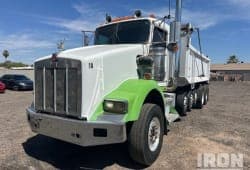
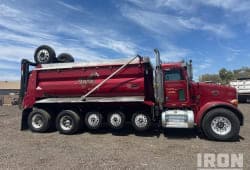
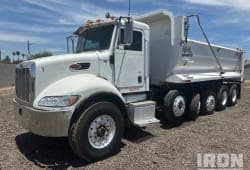
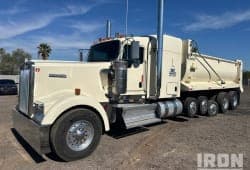
Site dumpers are particularly useful where larger dump trucks cannot maneuver easily. Depending on the model, configurations include front-tip, swivel, high-tip, and other specialized designs. Current site dumper ranges include machines from approximately 1 to 10 tons of payload.
How Does a Site Dumper Work?
A site dumper loads material into its skip and transports the load across the jobsite. A hydraulic tipping system then raises or rotates the skip to discharge the material at the required location.
The tipping configuration determines how material can be unloaded. A front-tip dumper discharges ahead of the machine, while a swivel dumper can rotate its skip to discharge to the side. High-tip configurations raise the skip to unload into higher containers or over obstacles.
Types of Site Dumpers
%3Aformat(webp)&w=1920&q=75)
Front-Tip Dumpers
Front-tip dumpers discharge material directly ahead of the machine. They are suitable for general earthmoving, backfilling, and construction applications where the dumper can approach the unloading area directly.
Swivel Dumpers
Swivel or power-swivel dumpers can rotate the skip to unload material to the side. This can be useful for trenching, roadwork, and jobsites where repositioning the entire machine is difficult.
High-Tip Dumpers
High-tip dumpers raise the skip before tipping, allowing material to be discharged into containers or other elevated locations. This configuration is useful when ground-level dumping is impractical.
Tracked Dumpers
Tracked dumpers use rubber tracks instead of conventional tires. Their lower ground pressure can make them useful on soft, muddy, or sensitive ground where wheeled machines may struggle.
Mini Site Dumpers
Mini dumpers are designed for confined spaces, landscaping, residential construction, and other projects where access is limited. Their smaller footprint allows them to operate where larger construction dumpers cannot.
What Are Site Dumpers Used For?
Site dumpers are commonly used to transport:
Soil and excavated material
Sand and gravel
Concrete
Construction debris
Backfill material
Landscaping materials
They are useful for site preparation, excavation, trenching, landscaping, roadwork, demolition, and general material handling.
Site Dumper Capacity and Key Specifications
When comparing site dumpers, focus on specifications that directly affect productivity and jobsite suitability.
Specification Why It Matters
%3Aformat(webp)&w=1920&q=75) Current site dumper specifications illustrate how significantly capacity and configuration can vary. For example, available Thwaites machines range from 1-tonne models to 9-tonne front-tip machines, with different skip capacities and power outputs.
Current site dumper specifications illustrate how significantly capacity and configuration can vary. For example, available Thwaites machines range from 1-tonne models to 9-tonne front-tip machines, with different skip capacities and power outputs.
Current site dumper specifications illustrate how significantly capacity and configuration can vary. For example, available Thwaites machines range from 1-tonne models to 9-tonne front-tip machines, with different skip capacities and power outputs.
Benefits of Using a Site Dumper
Site dumpers can provide several advantages on construction projects:
Compact maneuverability: Suitable for restricted jobsites.
High material-handling efficiency: Moves bulk materials faster than manual methods.
Multiple configurations: Front-tip, swivel, and high-tip designs support different applications.
Off-road capability: Many models are designed for uneven construction terrain.
Flexible payload options: Machines are available in different capacity classes.
The key is matching the dumper's capacity and configuration to the jobsite rather than simply selecting the largest available machine.
How to Choose the Right Site Dumper
Choose a site dumper based on payload, material type, haul distance, terrain, site access, dumping location, and project volume.
Consider the following:
Determine the required payload.
Measure access width and working space.
Evaluate ground and terrain conditions.
Choose the appropriate tipping configuration.
Compare operating weight and dimensions.
Review engine, transmission, and drive specifications.
Consider maintenance and transportation costs.


A larger dumper may provide greater productivity, but a smaller machine can be more practical when access or ground conditions limit machine size.
How Much Does a Site Dumper Cost?
The cost of a site dumper depends on its brand, model, payload capacity, age, operating hours, configuration, condition, and specifications.
Used site dumpers can provide a lower upfront purchase cost, but buyers should also consider fuel, tires or tracks, maintenance, repairs, transportation, and financing.
When comparing site dumper prices, evaluate the machine's overall condition and expected ownership costs rather than focusing only on the asking price.
What to Check When Buying a Used Site Dumper
Before purchasing a used site dumper, inspect:
Engine and cooling system
Transmission and drivetrain
Hydraulic system
Skip and tipping mechanism
Tires or tracks
Brakes and steering
Frame and articulation joints
Safety systems
Operating hours
Maintenance records
Look for hydraulic leaks, excessive wear, cracks, unusual noises, and previous structural repairs. Test the dumper's travel, steering, braking, and tipping functions when possible.
A professional inspection can help identify potential repair costs before purchase.
Site Dumper Safety Tips
Safe operation starts with proper operator training and a pre-use inspection.
Operators should:
Stay within the rated payload.
Check the ground before traveling or dumping.
Avoid unstable edges, trenches, and excessive slopes.
Keep the skip lowered while traveling unless the manufacturer specifies otherwise.
Keep people away from the dumping area.
Follow the manufacturer's load and operating requirements.
Use required personal protective equipment.
Overloading can increase braking, tire, axle, and structural loads, while dumping on unstable or sloped ground can affect machine stability.
Site Dumper Maintenance Checklist
Regular maintenance can help reduce downtime and extend machine service life.
Daily or Pre-Use Checks
Inspect tires or tracks.
Check engine oil and coolant.
Inspect hydraulic hoses and cylinders.
Check brakes and steering.
Inspect the skip and tipping mechanism.
Check lights, alarms, and safety equipment.
Look for fluid leaks or visible damage.
Scheduled Maintenance
Follow the manufacturer's service intervals for filters, fluids, lubrication, drivetrain components, and hydraulic systems. Keep accurate maintenance records to help track repairs and operating costs.
Expert Tips for Choosing and Operating Site Dumpers
Choosing the right site dumper requires more than comparing payload capacity and price. Consider the terrain, haul distance, site access, tipping configuration, operating weight, and material being transported. Match the machine's specifications to the actual demands of your project.
For a used site dumper, inspect the engine, hydraulics, drivetrain, skip, tipping mechanism, tires or tracks, brakes, steering, and frame. Check for leaks, excessive wear, cracks, and previous repairs, and review operating hours and maintenance records.
Always follow the manufacturer's load limits, safety procedures, and maintenance schedule. Regular inspections and accurate service records can help identify problems early and support better equipment decisions.
Frequently Asked Questions
What is a site dumper used for?
A site dumper transports and unloads materials such as soil, gravel, sand, concrete, and construction debris around job sites.
What are the main types of site dumpers?
Common configurations include front-tip, swivel, high-tip, tracked, and mini site dumpers.
How much can a site dumper carry?
Payload varies significantly by model. Current site dumper ranges include machines for job sites from approximately 1 to 10 tons, depending on the manufacturer and configuration.
What is a swivel site dumper?
A swivel site dumper has a skip that can rotate to discharge material to the side, reducing the need to reposition the entire machine.
Is a used site dumper worth considering?
A used site dumper can be a practical option when its payload, configuration, condition, operating hours, and maintenance history match the project's requirements.
What should I check when buying a used site dumper?
Inspect the engine, hydraulics, drivetrain, skip, tipping mechanism, tires or tracks, brakes, steering, frame, operating hours, and maintenance records.
Find the Right Site Dumper for Your Project
Choosing the right site dumper starts with matching payload capacity, terrain, tipping configuration, and jobsite requirements. For used machines, inspect the engine, hydraulics, tires or tracks, tipping system, and maintenance history.
Ready to find your next machine? Explore used construction equipment, compare specifications, operating hours, and condition, and find a site dumper that fits your project and budget.


Javier Bocanegra is Boom & Bucket's Technical Resolutions Lead, drawing on 10+ years in automotive and heavy equipment to diagnose issues, resolve complex post-sale cases, and keep machines - and customers - running smoothly. A certified heavy-equipment specialist, he's known for meticulous inspections and hands-on expertise across mechanical, electrical, and hydraulic systems. Based in Sacramento, Javier partners closely with buyers, vendors, and our field teams to deliver reliable outcomes and uphold our standards for safety and trust.