Find the Perfect Small Backhoe for Sale
15 Min read


July 1, 2024
Buying a small backhoe for your construction needs can be a game-changer. The versatility and efficiency of these compact machines make them an ideal choice for a wide range of projects. Whether you're a contractor or a homeowner looking to tackle some landscaping tasks, finding the perfect small backhoe for sale is essential. In this article, we'll explore the importance of small backhoes, key features to consider, top brands to look out for, and where to find them.
What Is a Small Backhoe?
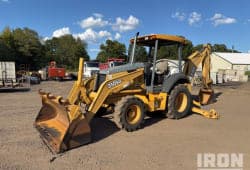
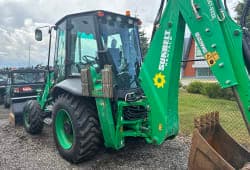
A small backhoe is a compact backhoe loader that combines a front loader bucket with a rear digging arm. It can dig, trench, load, backfill, grade, and move materials using one machine.
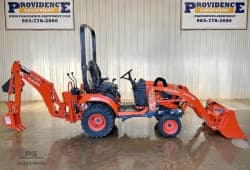
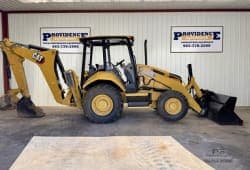
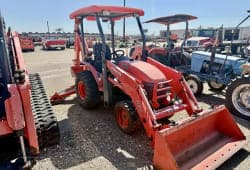

Because of their compact size and maneuverability, small backhoes are useful for residential construction, landscaping, utility work, site preparation, and jobsites with limited access. The right machine depends on digging depth, lifting capacity, dimensions, attachments, and project requirements.
Understanding the Importance of a Small Backhoe
Small backhoes play a crucial role in the construction industry. These machines combine the functions of both a loader and an excavator, making them incredibly versatile. Whether you need to dig trenches, load materials, or tackle excavation projects, a small backhoe can help you get the job done efficiently. Unlike larger backhoes, their compact size allows them to maneuver in tight spaces, making them suitable for both small and large-scale projects.
But what exactly makes small backhoes so essential in the construction field? Let's delve deeper into their role and benefits.
The Role of Small Backhoes in Construction
In construction, time is money. Every minute spent on a project can have a significant impact on the overall timeline and budget. Small backhoes offer a significant advantage by streamlining operations and maximizing productivity.
With their digging capabilities and powerful hydraulic systems, small backhoes can quickly excavate even the toughest of terrains. Whether you're digging foundation trenches or creating a utility line, these machines can handle the task with ease. Their versatility allows them to adapt to various soil conditions, ensuring efficient and precise digging.
Moreover, small backhoes excel at loading materials. They can efficiently scoop up soil, gravel, or other construction materials and transport them to the desired location. This eliminates the need for manual labor and speeds up the overall construction process.
From laying pipes to clearing debris, small backhoes are invaluable assets that enhance productivity on the job site. They can perform multiple tasks, reducing the need for additional equipment and saving both time and money.
Why Size Matters: The Benefits of Small Backhoes

While larger backhoes have their place in certain projects, small backhoes offer several advantages that make them a preferred choice for many construction professionals.
Firstly, their compact size allows them to access confined spaces that larger equipment cannot reach. This is particularly useful when working on residential projects or in urban areas with limited space.
 Small backhoes can navigate through narrow alleys, tight corners, and other challenging areas, ensuring that no space goes untouched.
Additionally, small backhoes are more fuel-efficient and cost-effective. Their smaller engines consume less fuel, resulting in reduced operational expenses. This not only saves money but also contributes to a greener and more sustainable construction industry.
Despite their smaller size, these machines don't compromise on performance. They are equipped with powerful hydraulic systems that deliver the necessary force to handle various tasks. This combination of efficiency and power makes small backhoes an ideal choice for contractors looking to optimize their operations.
In conclusion, small backhoes are indispensable tools in the construction industry. Their versatility, maneuverability, and cost-effectiveness make them valuable assets on any job site. Whether it's a small-scale residential project or a large-scale excavation, small backhoes prove their worth by enhancing productivity and delivering efficient results.
Key Features to Look for in a Small Backhoe
When searching for the perfect small backhoe, several key features should be considered:
Engine Power and Performance
A reliable engine is at the heart of any small backhoe machine. Look for models with engines that provide ample power and torque, ensuring smooth operation and efficient digging. A powerful engine can make a significant difference in the machine's performance, allowing it to tackle tough terrain and handle heavy loads with ease. Additionally, consider the engine's durability and maintenance requirements to ensure long-term reliability.
Modern small backhoes often come equipped with advanced engine technologies, such as fuel injection and turbocharging, which enhance fuel efficiency and reduce emissions. These features not only help minimize operating costs but also contribute to a cleaner and greener environment.
Digging Depth and Reach
The digging depth and reach of a small backhoe are essential factors to consider. Depending on your project requirements, choose a machine with a digging depth and reach that can handle various tasks effortlessly. A deeper digging depth allows for more versatility, enabling the backhoe to tackle a wider range of projects, including excavation, trenching, and landscaping.
Consider the backhoe's arm length and bucket size when evaluating its digging reach. A longer arm and larger bucket can significantly increase productivity by reducing the number of passes required to complete a task. Look for backhoes with adjustable digging depths and reach options to adapt to different job site conditions and project specifications.
Comfort and Ease of Operation
Operating a small backhoe for extended periods can take its toll on the operator. Look for models that offer ergonomic features such as adjustable seats, intuitive controls, and excellent visibility. Comfortable seating with proper lumbar support and adjustable armrests can help reduce operator fatigue and improve overall productivity.
Intuitive controls, including joystick or lever-based operation, can make it easier for operators to maneuver the backhoe precisely and efficiently. Look for backhoes with user-friendly control layouts and ergonomic design, ensuring that operators can quickly learn and master the machine's operation.
Visibility is another crucial aspect to consider. A well-designed backhoe should provide excellent visibility from the operator's seat, allowing them to have a clear view of the work area. Features like large windows, rearview cameras, and strategically placed mirrors can enhance visibility and promote safer operation.
Furthermore, consider additional comfort features such as climate control systems and noise reduction technologies. These amenities can make a significant difference in operator comfort, especially when working in extreme weather conditions or noisy environments.
Top Small Backhoe Brands to Consider
When it comes to small backhoes, there are several leading brands in the industry that offer exceptional machines. These brands have established themselves as pioneers in the construction equipment market, delivering reliable, powerful, and durable backhoes that meet the needs of various projects. Let's take a closer look at a few notable brands:
Caterpillar Small Backhoes
Caterpillar is a renowned name in the construction equipment industry, and their small backhoe models live up to the brand's reputation. Caterpillar backhoes are known for their exceptional performance, reliability, and power. Whether you're working on a small residential project or a larger construction site, Caterpillar backhoes will deliver the power and durability you need to get the job done efficiently.
What sets Caterpillar apart from other brands is their commitment to innovation. They constantly strive to incorporate the latest technology into their machines, making them more efficient and user-friendly. With features like advanced hydraulic systems and intuitive controls, Caterpillar backhoes provide operators with a comfortable and productive working environment.
John Deere Small Backhoes
Another respected brand in the industry, John Deere, has made a name for itself by manufacturing high-quality small backhoes. John Deere backhoes are known for their advanced technology, exceptional performance, and operator comfort. These machines are designed to handle a wide range of tasks, from digging trenches to loading materials.
One of the key advantages of choosing a John Deere backhoe is their commitment to fuel efficiency. These machines are engineered to minimize fuel consumption without compromising on power and performance. With rising fuel costs and environmental concerns, having a fuel-efficient backhoe can make a significant difference in your operating costs and carbon footprint.
Kubota Small Backhoes
Kubota has made a mark in the small backhoe market with their reliable and versatile machines. Kubota backhoes are known for their compactness, ease of use, and excellent maneuverability. These machines are designed to navigate through tight spaces, making them ideal for urban construction projects or jobsites with limited access.
What sets Kubota apart is their commitment to versatility. Their backhoe models are equipped with a range of attachments, allowing operators to tackle various tasks with ease. Whether you need to dig, trench, or lift heavy materials, Kubota backhoes offer the flexibility and adaptability to handle different job requirements.
When considering a small backhoe, it's important to choose a brand that has a proven track record of delivering reliable and efficient machines. Caterpillar, John Deere, and Kubota are just a few of the top brands in the industry that have earned the trust of contractors and construction professionals worldwide. By investing in a backhoe from one of these brands, you can be confident that you're getting a machine that will meet your needs and withstand the demands of your projects.
New vs. Used Small Backhoes: A Comparative Analysis
When it comes to purchasing a small backhoe, you have the choice between buying new or used. Let's explore the pros and cons of each:
Pros and Cons of Buying New
Buying a new small backhoe guarantees you a machine in pristine condition. Not only will it have that fresh-off-the-assembly-line smell, but it will also come with the latest features and improvements. Manufacturers are constantly innovating, so new models often boast enhanced fuel efficiency, advanced technology, and ergonomic designs.
Another advantage of buying new is the peace of mind that comes with a warranty. With a new small backhoe, you can rest easy knowing that any unexpected repairs or issues will likely be covered by the manufacturer. This can save you significant money and stress in the long run.
However, it's important to consider the initial cost of buying new. New small backhoes tend to have a higher price tag compared to their used counterparts. This can be a deterrent for those on a tight budget or looking for a more cost-effective option.

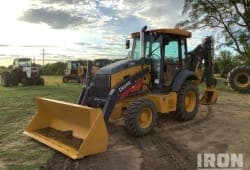
Additionally, while new machines may be in pristine condition, they can also be subject to depreciation. As soon as you drive a new small backhoe off the lot, its value begins to decrease. This is something to keep in mind if you plan on reselling or upgrading in the future.
Pros and Cons of Buying Used
Used small backhoes can offer significant cost savings, making them an attractive option for those on a budget or in need of a temporary machine. When purchasing a used backhoe, you can often find models that are several years old but still in good working condition.
One advantage of buying used is that you can potentially get more bang for your buck. With the money saved by purchasing a used machine, you may be able to afford a higher-end model or invest in additional attachments and accessories.
However, it's crucial to thoroughly inspect the machine's condition, performance, and maintenance history before making a purchase. While many sellers are honest about the condition of their used backhoes, it's always wise to be cautious and do your due diligence. Look for signs of wear and tear, check the engine and hydraulic systems, and ask for maintenance records to ensure the machine has been well taken care of.
Another consideration when buying used is the potential for higher maintenance and repair costs. Used machines may require more frequent repairs or replacement parts, which can add up over time. It's important to factor these potential expenses into your decision-making process.
Ultimately, whether you choose to buy new or used, it's essential to carefully evaluate your needs, budget, and long-term goals. Consider factors such as the frequency of use, the specific tasks you need the backhoe for, and the availability of local service and support. By weighing the pros and cons of each option, you can make an informed decision that best suits your individual circumstances. Boom and Bucket offers high-quality used equipment, you can check here!
Small Backhoe Specifications to Compare
When comparing small backhoes, look beyond horsepower and purchase price. Key specifications include:
Engine horsepower: Indicates available power for digging and loading.
Operating weight: Affects stability, transportation, and ground pressure.
Maximum digging depth: Determines how deep the machine can excavate.
Maximum reach: Indicates how far the digging arm can reach.
Bucket capacity: Helps determine material-handling capability.
Overall dimensions: Important for transportation and confined job sites.
Hydraulic performance: Affects digging power and attachment operation.
Match specifications to your jobsite, material, transportation requirements, and expected workload.
Small Backhoe vs. Mini Excavator: What's the Difference?
A small backhoe combines a front loader with a rear digging arm, making it useful for digging, loading, grading, and material handling. A mini excavator is primarily designed for excavation and offers 360-degree rotation for maneuvering around obstacles.
 Choose a small backhoe when you need one machine for multiple tasks. A mini excavator may be more suitable when excavation and maneuverability are the primary requirements.
Small Backhoe Attachments
Attachments can expand the capabilities of a small backhoe beyond standard digging and loading. Depending on the machine, available attachments may include:
Different bucket sizes
Hydraulic breakers
Grapples
Thumbs
Compaction attachments
Forks
Before using an attachment, verify its weight, hydraulic requirements, mounting system, rated capacity, and compatibility with the specific backhoe model.
What Are Small Backhoes Used For?
Small backhoes are designed for projects that require both digging and loading capabilities. Common applications include:
Utility trenching and pipe installation
Landscaping and property development
Site preparation and grading
Foundation and drainage work
Digging and backfilling
Material loading and handling
Road and driveway maintenance
Clearing soil and debris
Their compact dimensions make them practical for smaller jobsites where larger equipment may have limited access.
How Much Does a Small Backhoe Cost?
The cost of a small backhoe varies based on the brand, model, age, operating hours, specifications, condition, attachments, and location. New machines typically have a higher upfront cost, while used small backhoes may offer a lower purchase price depending on their condition and service history.
When comparing prices, consider the total cost of ownership, including fuel, maintenance, repairs, transportation, attachments, insurance, and financing. For used equipment, compare price alongside operating hours, specifications, maintenance records, and overall condition.
What to Check When Buying a Used Small Backhoe
Before buying a used small backhoe, inspect the engine, hydraulic system, loader bucket, digging arm, tires, transmission, brakes, controls, and frame.
Look for:
Hydraulic leaks or damaged hoses
Excessive wear on pins and bushings
Cracks or structural repairs
Worn tires
Unusual engine or hydraulic noise
Damaged buckets or attachment points
Excessive operating hours
Incomplete maintenance records
Review the machine's service history and previous application. A professional inspection can help identify potential repairs before purchase.
Where to Find Small Backhoes for Sale
When it's time to find the perfect small backhoe for sale, you have a few options to consider:
Online Marketplaces for Construction Equipment
Online marketplaces such as Boom and Bucket provide a vast selection of small backhoes and variety of equipment for sale. They enable you to compare prices, models, and even negotiate with sellers from the comfort of your own home.
Expert Tips for Choosing a Small Backhoe
Choosing a small backhoe requires more than comparing price and horsepower. Consider digging depth, loader capacity, operating weight, dimensions, hydraulic performance, attachments, and jobsite requirements.
For a used small backhoe, inspect the engine, hydraulics, loader and digging components, tires, frame, controls, and attachment points. Review operating hours and maintenance records, and consider a professional inspection before purchasing.
Technical Review: Verify specifications and operating recommendations against current manufacturer documentation. Comparing machine condition, service history, specifications, and total ownership costs can help buyers make a more informed equipment decision.
Frequently Asked Questions About Small Backhoes
What is a small backhoe used for?
Small backhoes are used for digging, trenching, grading, loading, backfilling, landscaping, utility work, and site preparation.
How much does a small backhoe cost?
The cost varies by brand, model, age, operating hours, condition, specifications, and attachments. Used small backhoes typically have different prices based on condition and service history.
How deep can a small backhoe dig?
Digging depth varies by model and configuration. Check the manufacturer's specifications for maximum digging depth, reach, and bucket capacity.
Is a small backhoe better than a mini excavator?
It depends on the job. A small backhoe provides both digging and front-loading capabilities, while a mini excavator is designed primarily for excavation and maneuverability.
What should I check when buying a used small backhoe?
Inspect the engine, hydraulics, digging arm, loader, tires, transmission, controls, frame, attachments, operating hours, and maintenance records.
What attachments can be used with a small backhoe?
Depending on the model, attachments may include buckets, hydraulic breakers, augers, grapples, thumbs, forks, and compactors. Always verify compatibility with the manufacturer.
Find the Right Small Backhoe for Your Project
A small backhoe offers versatile digging, loading, grading, and material-handling capabilities for construction, landscaping, and utility projects. Before buying, compare specifications, digging capacity, dimensions, attachments, operating hours, condition, and total ownership costs.
If you're considering used equipment, inspect the engine, hydraulics, loader and digging components, tires, and maintenance history. Explore used small backhoes for sale at Boom & Bucket and compare available machines by model, hours, specifications, price, and condition to find the right equipment for your project.


Post acquisition of Boom & Bucket, the company he founded, Adam now leads Marketplace Growth for Ritchie Bros.