Power and Versatility of the John Deere Compact Track Loader
12 Min read
&w=3840&q=75)

December 21, 2023
The landscape of construction and agricultural machinery stands forever transformed by the advent of the John Deere Compact Track Loader. In this comprehensive exploration, we delve into the very essence of this groundbreaking equipment. From its inception to its technological prowess, versatility across industries, ergonomic design, and visionary sustainability, each facet is a testament to engineering marvel. As we embark on this journey, we unravel the intricate mechanisms, diverse applications, and the promising future innovations that signify the John Deere Compact Track Loader not just as machinery but as a catalyst reshaping the norms of efficiency, performance, and sustainability in the industrial realm.
What Is a John Deere Compact Track Loader?
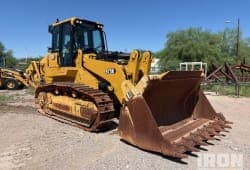
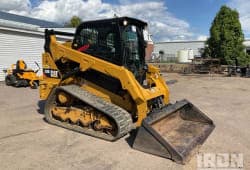
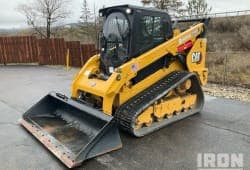
A John Deere compact track loader (CTL) is a tracked construction machine designed for loading, grading, material handling, excavation, site preparation, landscaping, and other jobs requiring high traction and maneuverability.
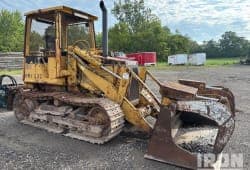


Unlike a skid steer, which uses wheels, a CTL uses rubber tracks that distribute the machine's weight over a larger surface area. This can provide better flotation and traction on soft or uneven ground.
John Deere CTLs can also use a wide range of attachments, including buckets, augers, trenchers, blades, brush cutters, and other hydraulic tools.
The Evolution: John Deere Compact Track Loader
The history and evolution of construction and agricultural machinery have been redefined by the advent of the John Deere Compact Track Loader. Its inception, technological advancements, and the impact it has made on various industries showcase its significance as a pioneer in modern equipment.
The Technology Behind John Deere Compact Track Loader
Delving into the intricate engineering aspects of the John Deere Compact Track Loader unveils a world of innovation. From the design principles to the integration of cutting-edge technology, every aspect contributes to its unmatched performance and reliability.
Exploring the Performance of John Deere Compact Track Loader
The John Deere Compact Track Loader stands tall as a game-changer in the construction and agricultural machinery landscape. Its robust build, coupled with cutting-edge technology, ensures unmatched performance across diverse terrains. Engineered to deliver exceptional power and precision, this loader redefines efficiency, making it a go-to choice for professionals seeking top-tier machinery.
Versatility Redefined: Applications of the John Deere Compact Track Loader
From heavy-duty lifting to precise maneuverability in confined spaces, the John Deere Compact Track Loader offers unparalleled versatility. Its adaptability in various tasks, such as landscaping, material handling, and site preparation, elevates productivity while maintaining optimal performance and control.
Features That Set the John Deere Compact Track Loader Apart
Equipped with advanced features like a powerful engine, spacious cab, and intuitive controls, the John Deere Compact Track Loader ensures operator comfort and enhanced functionality. Its innovative design minimizes downtime, maximizes efficiency, and guarantees a superior user experience. John Deere offers various models of compact track loaders, each designed with distinct specifications, benefits, and unique selling points (USPs) catering to different needs. Here are details about some of their top models:
John Deere 333G Compact Track Loader:
%3Aformat(webp)&w=1920&q=75) Specifications: Equipped with a 3.8L diesel engine, rated at 100 hp. Offers a maximum operating capacity of around 3,700 lbs and a breakout force of 9,300 lbs.
Specifications: Equipped with a 3.8L diesel engine, rated at 100 hp. Offers a maximum operating capacity of around 3,700 lbs and a breakout force of 9,300 lbs.
Benefits: Superior stability, high lift heights, and increased hydraulic flow for attachments. Features enhanced cab comfort, intuitive controls, and advanced visibility.
USP: Best-in-class pushing power and a spacious, ergonomic cab for improved operator comfort and productivity.
John Deere 331G Compact Track Loader:
%3Aformat(webp)&w=1920&q=75) Specifications: Powered by a 2.1L diesel engine, the 331G provides around 90 hp. Offers a rated operating capacity of about 3,100 lbs and a breakout force of 8,500 lbs.
Specifications: Powered by a 2.1L diesel engine, the 331G provides around 90 hp. Offers a rated operating capacity of about 3,100 lbs and a breakout force of 8,500 lbs.
Benefits: High lifting capabilities, versatile attachment options, and exceptional durability in challenging terrains.
USP: Incorporates John Deere's vertical lift design for improved stability and lift heights, ideal for heavy lifting and construction applications.
John Deere 317G Compact Track Loader:
%3Aformat(webp)&w=1920&q=75) Specifications: Runs on a 2.4L diesel engine, delivering approximately 65 hp. Provides an operating capacity of about 1,700 lbs and a breakout force of 5,500 lbs.
Specifications: Runs on a 2.4L diesel engine, delivering approximately 65 hp. Provides an operating capacity of about 1,700 lbs and a breakout force of 5,500 lbs.
Benefits: Compact size for easy maneuverability, excellent traction, and versatility in various applications.
USP: Ideal for tight spaces and landscaping projects due to its smaller footprint and agility without compromising on power and performance.
John Deere 325G Compact Track Loader:%3Aformat(webp)&w=1920&q=75) Specifications: Fitted with a 2.4L diesel engine, producing around 74 hp. Offers an operating capacity of about 2,900 lbs and a breakout force of 8,600 lbs.
Specifications: Fitted with a 2.4L diesel engine, producing around 74 hp. Offers an operating capacity of about 2,900 lbs and a breakout force of 8,600 lbs.
Benefits: Smooth and precise control, optimized stability, and robust build for heavy-duty tasks.
USP: Balanced power-to-weight ratio, ensuring efficient performance in various working conditions.
Each of these models caters to different requirements based on power, lift capacity, size, and maneuverability. They excel in various industries, from construction and landscaping to agriculture, providing a blend of power, versatility, and operator comfort, making John Deere a sought-after choice in the compact track loader market.
Factors Influencing Cost
Several factors dictate the cost of John Deere compact track loaders. Model variations, with their unique specifications, determine pricing tiers, where advanced models command higher prices. Features like horsepower and lifting capacity significantly impact costs, alongside additional attachments that enhance versatility but add to expenses. Dealer pricing, influenced by location and demand, and the choice between new and used models also play pivotal roles in determining the final cost.
Model and Specifications: John Deere offers a diverse range of compact track loaders, each meticulously designed with its distinct features, capabilities, and specifications. The cost differentials emerge primarily due to the varying complexities and functionalities of these loaders. Higher-tier models, boasting advanced technological features or increased operational capacities, invariably command a premium price compared to their more basic counterparts.
Horsepower and Capacity: A loader's price is profoundly influenced by its horsepower and lifting capacity. Enhanced horsepower and greater lifting capabilities inherently inflate the loader's cost, as these attributes contribute to its performance and operational prowess. Loaders equipped with more substantial power and lifting capacities are priced higher due to their increased efficiency and utility in demanding tasks.
Attachments and Accessories: Additional attachments and accessories significantly impact the overall cost of a compact track loader. Items like buckets, forks, grapples, or specialized tools enhance the loader's versatility and operational scope but inevitably add to the expenses incurred by the purchaser. The costs rise in accordance with the number and complexity of these add-ons.
Dealer Pricing and Location: The pricing structures offered by different dealerships and their geographical locations play a pivotal role in determining the final cost of the compact track loaders. Variations in pricing, discounts, financing options, and even regional factors such as demand, taxes, or shipping expenses contribute to the fluctuation in the price range across various dealerships and locations.
New vs. Used: The contrast between new and used loaders significantly influences their respective costs. New loaders, characterized by warranties, updated technology, and pristine condition, command higher price tags. Conversely, pre-owned or used models tend to be more budget-friendly, although they may lack some of the latest features and technological advancements found in newer counterparts. The cost discrepancy between new and used loaders is often substantial, making this choice a critical consideration for prospective buyers.
Average Cost Range
Model Variations: The spectrum of cost within John Deere's compact track loader lineup is broad. Entry-level models like the John Deere 333G typically start in the range of $40,000 to $50,000, whereas the more advanced iterations, such as the John Deere 333G with heightened features and greater lifting capacities, can exceed $80,000, reflecting the diverse pricing based on specifications.
Horsepower and Capacity: Loaders equipped with elevated horsepower and lifting capacities, such as the John Deere 333G or the 333G Forestry models, tend to fall within the higher price range due to their augmented capabilities. These loaders, designed for more demanding tasks, come at a premium cost commensurate with their increased performance metrics.
Attachments and Accessories: The incorporation of additional attachments and specialized tools contributes significantly to the loader's overall cost, potentially increasing it by several thousand dollars. The specific requirements and complexities of these accessories account for the variance in the final cost of the loader.
Dealer Pricing and Location: The final cost of compact track loaders can vary significantly based on dealership-specific pricing policies, regional demand dynamics, and operational expenses. Dealer discounts, promotional offers, and variations in pricing structures can influence the overall cost experienced by buyers in different regions.
New vs. Used: Used compact track loaders, typically available at lower price points compared to their new counterparts, range in cost from $25,000 to $70,000 based on factors like age, condition, and specifications. This considerable price gap underscores the cost-effectiveness of opting for used models despite potential trade-offs in terms of the latest features and technological advancements.
The Future of Efficiency: John Deere Compact Track Loader
As industries evolve, the demand for agile and powerful machinery grows. The John Deere Compact Track Loader stands as a beacon of innovation, promising a future where efficiency and performance converge seamlessly to meet the evolving needs of various sectors.
Used John Deere CTL Buying Guide: What to Inspect
Before purchasing a used John Deere CTL, inspect the machine's engine, hydraulics, tracks, undercarriage, loader arms, attachment system, controls, and maintenance history.
Engine
Check for:

Excessive smoke
Oil or coolant leaks
Unusual noises
Hard starting
Warning lights
Evidence of poor maintenance
Hydraulic System
Inspect:
Hydraulic hoses and fittings
Cylinders for leaks
Auxiliary hydraulic operation
Hydraulic performance under load
Quick coupler condition
Tracks & Undercarriage
Look for:
Uneven track wear
Cracks or damage
Worn sprockets
Damaged rollers and idlers
Excessive track tension or looseness
Loader Arms & Frame
Check for:
Cracks
Weld repairs
Bent components
Excessive pin and bushing wear
Abnormal movement or play
Cab & Controls
Test:
Joysticks
Safety interlocks
Instrument panel
Lights
Camera systems, if equipped
Travel controls
Records & Hours
Ask for:
Service records
Repair history
Operating-hour verification
Ownership documentation
Attachment history
A low-hour machine is not automatically the better purchase. Condition, maintenance history, configuration, and previous use can be just as important.
How to Choose the Right John Deere CTL
Choosing the right John Deere CTL starts with the job, not the machine.
1. Define the work
Identify whether you'll primarily be:
Grading
Loading
Excavating
Landscaping
Clearing land
Moving materials
Running hydraulic attachments
2. Determine the required capacity
Estimate the typical load and compare it with the CTL's rated operating capacity and tipping load.
3. Match the attachment
Make sure the CTL provides the required hydraulic flow, attachment compatibility, lifting capacity, and auxiliary connections.
John Deere offers a broad range of attachments for CTLs, so attachment requirements should be considered before selecting the machine.
4. Consider the jobsite
Evaluate:
Ground conditions
Available operating space
Maximum machine width
Transportation requirements
Working height and reach
5. Decide between new and used
A used CTL can provide a lower acquisition cost, but condition and maintenance history become critical factors.
6. Compare actual machines
Once you've identified the right model class, compare hours, specifications, attachments, condition, service history, and asking price across individual listings.
Job requirements → CTL size → rated capacity → hydraulics → attachments → condition → price → purchase
John Deere Compact Track Loader FAQs
What is a John Deere compact track loader used for?
John Deere CTLs are used for loading, grading, material handling, site preparation, landscaping, excavation, land clearing, and other construction applications. Their attachment compatibility allows one machine to perform multiple tasks.
What is the difference between a John Deere CTL and skid steer?
A John Deere CTL uses rubber tracks, while a skid steer uses wheels. CTLs generally provide better flotation and traction on many soft or uneven surfaces, while skid steers can be advantageous on firm surfaces.
Which John Deere CTL is the smallest?
The 317G is among John Deere's smaller CTL models in the lineup covered here, with a 2,125-lb. rated operating capacity and 61 hp net power in John Deere's published comparison.
Which John Deere CTL has the highest capacity?
Among the models listed here, the 335 P-Tier has the highest rated operating capacity at 4,025 lb. John Deere lists the 333 P-Tier at 3,850 lb. and the 331 P-Tier at 3,150 lb.
How much does a used John Deere CTL cost?
Used prices vary significantly by model, year, hours, condition, configuration, and attachments. Recent Boom & Bucket listings include John Deere 317G machines around $31,000-$33,000 and examples of 331G and 333G machines around $47,000.
What should I check before buying a used John Deere CTL?
Inspect the engine, hydraulics, tracks, undercarriage, loader arms, attachment system, controls, frame, service history, and operating hours. A hands-on inspection or qualified third-party inspection can help identify expensive repairs before purchase.
Are John Deere CTLs good for attachments?
Yes. John Deere CTLs are designed to work with a broad range of attachments, including buckets, augers, trenchers, blades, and other hydraulic tools. However, compatibility depends on the specific CTL model, hydraulic configuration, and attachment requirements.
Final Words
The John Deere Compact Track Loader epitomizes a transformative force in construction and agriculture machinery. Its inception, technological advancements, and versatile applications underscore a paradigm shift. This engineering marvel, boasting sustainability, ergonomic design, and visionary capabilities, doesn't merely represent machinery but serves as an avant-garde catalyst reshaping efficiency, performance, and sustainability in industries. As we unravel its mechanisms and innovations, it's evident: the John Deere Compact Track Loader is more than equipment; it's a progressive force redefining industrial norms.