Top Construction Management Software: Best Solutions for 2025
5 Min read
&w=3840&q=75)
April 6, 2025
Managing a construction project requires juggling multiple tasks-scheduling, budgeting, team coordination, and document management. With the right construction management software, you can streamline operations, improve efficiency, and avoid costly delays.
In this guide, we explore the top 10 construction management software options for 2025, including free downloads, the best solutions for small businesses, and tools designed specifically for project owners.
What Is Construction Management Software?
Construction management software is a digital platform that helps contractors plan projects, manage schedules, track budgets, coordinate teams, store documents, and monitor project performance from a centralized system.


Why Do Contractors Use Construction Management Software?
Contractors use construction management software to improve project visibility, reduce delays, streamline communication, track costs, and increase operational efficiency across multiple jobsites.
Is Construction Management Software Worth It?
For most construction companies, management software can improve productivity, reduce costly errors, enhance collaboration, and provide greater control over project schedules and budgets.
Real-World Construction Software Experience
Choosing the right construction management software can significantly improve project coordination, budgeting, scheduling, and communication.
This guide incorporates insights from contractors, project managers, estimators, field supervisors, and equipment managers who use construction software daily to manage jobsites, track progress, reduce delays, and improve profitability. Successful implementation often depends on selecting software that matches your company's size, workflows, and operational goals.
What Is Construction Management Software?
Construction management software helps businesses and project owners efficiently plan, execute, and monitor construction projects. It typically includes features like:
Project scheduling - Keep your team on track.
Budgeting and cost estimation - Avoid financial overruns.
Document management - Store contracts, blueprints, and reports in one place.
Collaboration tools - Improve communication among teams.
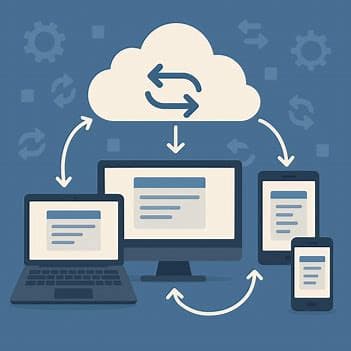
Mobile and cloud accessibility - Work from anywhere, anytime.
Top 10 Construction Management Software for 2025
Here are the best construction management software solutions to consider in 2025:
1. Procore - Best for Enterprise-Level Projects
%3Aformat(webp)&w=1920&q=75)
Key Features:
Cloud-based project management
Real-time collaboration tools
Mobile-friendly interface
2. Buildertrend - Ideal for Home Builders & Remodelers
Key Features:
Scheduling and customer management tools
Mobile and desktop access
Job costing and invoicing features
3. CoConstruct - Best for Custom Home Builders
Key Features:
Project scheduling and budgeting
Seamless client communication
Financial tracking tools
4. PlanGrid - Best for Blueprint & Document Management
Key Features:
Cloud-based document storage
Real-time collaboration on blueprints
Mobile accessibility
5. Autodesk Construction Cloud - Best for BIM & 3D Modeling
Key Features:
Advanced Building Information Modeling (BIM)
Real-time project tracking
Integrations with design software
6. eSUB - Tailored for Subcontractors
Key Features:
Document control and tracking
Field-to-office communication
Budget tracking tools
7. Fieldwire - Best for On-Site Team Collaboration
Key Features:
Task management and scheduling
Blueprint and document sharing
Real-time updates for field teams
8. Jonas Construction Software - Best for Accounting & Payroll
Key Features:
Accounting and job costing tools
Cloud-based data storage
9. RedTeam - Excellent for General Contractors


Key Features:
Project management and budgeting
Collaboration tools for contractors
Integrates with accounting software
10. STACK – Best for Estimating & Takeoff
%3Aformat(webp)&w=1920&q=75)
Key Features:
Takeoff and estimating automation
Cloud-based access
Prebuilt material databases
Best Construction Management Software by Company Size
Different contractors have different software needs. Selecting the best construction project management software often depends on company size and project complexity.
Small Contractors
Look for user-friendly platforms with scheduling, budgeting, invoicing, and mobile access.
Mid-Sized Construction Companies
Prioritize software with project tracking, document management, resource allocation, and team collaboration tools.
Large Construction Firms
Enterprise-level solutions should offer advanced reporting, multi-project management, ERP integration, and comprehensive workflow automation.
Choosing software that fits your current needs while supporting future growth can maximize long-term value.
Construction Management Software Comparison Table
%3Aformat(webp)&w=1920&q=75) This comparison can help contractors identify the best construction management solution based on their operational requirements and growth plans.
This comparison can help contractors identify the best construction management solution based on their operational requirements and growth plans.
Construction Management Software Cost & ROI
The cost of construction management software varies depending on features, user count, and business size. While subscription fees may seem significant, many contractors see a strong return on investment through improved productivity, reduced paperwork, fewer project delays, and better cost control.
Common ROI benefits include:
Improved project scheduling and tracking
Better budget management
Reduced administrative workload
Faster communication between office and field teams
Increased project profitability
For many construction companies, the efficiency gains often outweigh the software investment.
Common Construction Software Mistakes
Even the best software can underperform if implemented incorrectly. Avoid these common mistakes when selecting and deploying construction management software:
Choosing software that is too complex for your team
Failing to train employees properly
Ignoring mobile functionality for field crews
Overlooking integration with accounting systems
Not defining clear workflows before implementation
Selecting software based solely on price
Successful adoption requires planning, training, and ongoing team engagement.
Construction Management Software for Heavy Equipment Contractors
Heavy equipment contractors often require specialized functionality beyond standard project management tools. The best construction management software for heavy equipment contractors helps manage both projects and equipment fleets from a centralized platform.
Key features include:
Equipment scheduling and utilization tracking
Maintenance management
Work order management
Jobsite equipment allocation
Fleet performance reporting
These capabilities help improve equipment uptime, reduce operating costs, and maximize asset productivity.
Conclusion: Choosing the Best Construction Software for Your Business
Finding the top construction management software depends on your business size and project needs. For large enterprises, Procore and Autodesk Construction Cloud are top choices. Small businesses may prefer Buildertrend or CoConstruct, while owners benefit most from eSUB and Procore.
Take action: Explore free trials, compare features, and choose the best fit for your projects!
Frequently Asked Questions (FAQs)
What is the most popular construction management software?
Procore is one of the most widely used construction management software solutions, particularly for large enterprises.
Is there free construction management software available?
Yes! Monday.com, ClickUp, and OpenProject offer free versions.
What is the best construction management software for small businesses?
Buildertrend, CoConstruct, and JobNimbus are excellent choices for small construction firms.
How does construction management software help owners?
Owners can track project progress, manage budgets, and improve communication with contractors.
Optimize Your Projects with the Best Construction Software Today! 🚀
With the right construction management software, you can save time, reduce costs, and complete projects efficiently. Start exploring your options and elevate your construction business today!


Karin Ohman is a full-stack software engineer who worked for Boom and Bucket.