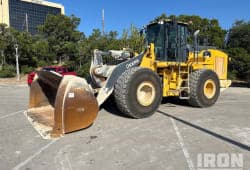
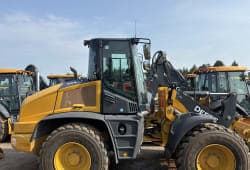
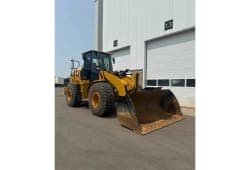
Understanding the Different Types of Wheel Loaders: Uses, Sizes, and Buying Tips
9 Min read
&w=3840&q=75)

June 11, 2023
Understanding the Different Types of Wheel LoaderWheel loaders are essential heavy equipment for moving, lifting, and loading materials on construction sites, farms, quarries, mines, and industrial yards. However, not every wheel loader is built for the same job. Compact models excel in confined spaces, medium-sized machines handle everyday construction work, and large wheel loaders move high volumes of material in demanding production environments.
Understanding the different types of wheel loaders helps contractors, fleet managers, and equipment buyers choose a machine that fits their workload, operating conditions, and budget.
Whether you need a loader for moving gravel, loading dump trucks, handling agricultural materials, or supporting quarry operations, this guide explains the main wheel loader types, their applications, and what to consider before buying new or used equipment.
What Is a Wheel Loader?
%3Aformat(webp)&w=1920&q=75)
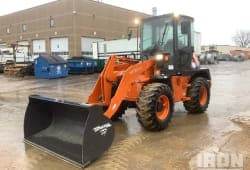
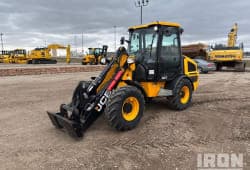

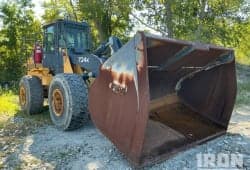
A wheel loader, also called a front-end loader or bucket loader, is a wheeled machine with a front-mounted lift arm and bucket. Its hydraulic system raises, lowers, and tilts the bucket to scoop, carry, and deposit material.
Wheel loaders commonly handle:
Soil, sand, gravel, and crushed stone
Construction debris and demolition waste
Agricultural feed, grain, and other bulk materials
Snow, mulch, and wood chips
Pallets and packaged materials when equipped with suitable forks
Unlike excavators, which are designed primarily for digging with a boom and bucket, wheel loaders are built for efficient loading and short-distance material transport. Their tires also allow them to travel quickly across suitable firm surfaces.
1. Compact Wheel Loaders
Compact wheel loaders combine material-handling capability with maneuverability. They are smaller than conventional construction loaders, making them useful where space is limited or a larger machine would be unnecessarily expensive to operate.
Best applications: Landscaping, residential construction, farm work, municipal maintenance, snow removal, and small material yards.
Key advantages:
Easier maneuvering in narrow work areas
Lower fuel consumption than many larger machines
Convenient handling of buckets, pallet forks, and compatible attachments
Less space required for storage and transport
Compact loaders can be a practical choice for contractors who regularly move materials but do not need the capacity of a large production machine. Before choosing one, check its rated operating capacity, bucket size, lift height, and attachment compatibility.
2. Small Wheel Loaders
Small wheel loaders offer more capacity and power than many compact models while retaining useful maneuverability. They suit contractors who need a versatile machine for recurring loading and carrying tasks.
Best applications: Building construction, road maintenance, landscaping businesses, agricultural operations, and smaller aggregate yards.
These machines can load trucks, move soil, stockpile gravel, and transport materials around a jobsite. Depending on the model, they may also support forks, grapples, snow equipment, or other approved attachments.
Choose a small wheel loader when a compact model is struggling to keep up with production demands but a medium-sized loader would be difficult to justify.
3. Medium Wheel Loaders
Medium wheel loaders are common on construction sites because they balance loading capacity, maneuverability, power, and operating cost. They are suited to projects that require consistent material movement throughout the workday.
Best applications: Road construction, commercial building projects, aggregate yards, concrete plants, and general earthmoving.
Typical tasks include:
Loading dump trucks with soil or aggregate
Moving stockpiled sand and gravel
Handling construction materials
Feeding crushers and screening equipment
Cleaning up and maintaining work areas
When comparing medium wheel loaders, consider the bucket capacity alongside breakout force, lift height, cycle time, fuel consumption, and the size of trucks or hoppers being loaded. A larger bucket is not automatically more productive if the machine cannot safely handle the material's weight.
4. Large Wheel Loaders
Large wheel loaders are designed for high-volume material handling in demanding environments. They provide greater loading capacity and are commonly used where production rates matter more than maneuverability in tight spaces.
Best applications: Large quarries, mining operations, major infrastructure projects, and high-volume aggregate facilities.
These machines can move substantial quantities of rock, gravel, ore, and other bulk materials. They are often paired with haul trucks, crushers, or processing systems as part of a continuous material-handling operation.
Large loaders can improve productivity when the job consistently demands high throughput. However, their purchase price, fuel use, tire costs, transport requirements, and maintenance needs can be considerably higher. Make sure the expected production gains justify the added ownership and operating costs.
5. Articulated Wheel Loaders
Articulated wheel loaders steer by pivoting at a joint between the front and rear sections of the machine. This design allows the loader to turn through a curved path and maneuver around obstacles without relying on skid steering.
Articulated steering is used across multiple wheel loader size classes, so an articulated loader is not necessarily a separate size category.
Best applications: Construction sites, farms, landscaping, material yards, and operations that require frequent turns while carrying loads.
Advantages can include useful maneuverability, smooth load-and-carry movement, and versatility across changing work areas. The turning arc still requires space, so operators should evaluate access routes and clearance before selecting a machine.
6. Specialized Wheel Loaders for Mining and Industrial Work
Some wheel loaders are configured for demanding applications such as mining, waste handling, logging, or industrial material movement. Depending on the work, these machines may feature reinforced components, specialized tires, protective equipment, or attachments designed for particular materials.
Mining and quarry loaders need to withstand abrasive material and repeated loading cycles. Waste-handling machines may require additional protection against debris, while forestry applications may call for grapples or other purpose-built equipment.
Underground mining loaders are a separate specialized category. Many are designed with low profiles and configurations suited to confined tunnels; they should not be confused with conventional surface wheel loaders.
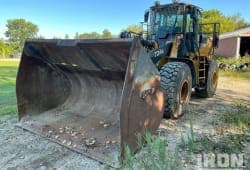
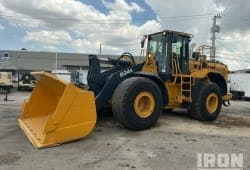
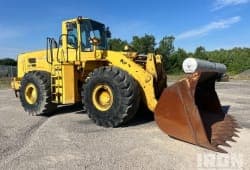

The key is to match the machine's configuration to the operating environment rather than assuming a standard loader will perform equally well in every application.
Wheel Loader Types Compared
The best wheel loader depends on the amount of material you move, the available working space, and the conditions at your site.
%3Aformat(webp)&w=1920&q=75)
These categories can overlap. For example, a medium-sized loader may use articulated steering and a specialized bucket. Compare the machine's actual specifications and configuration, not just the category name.
How to Choose the Right Wheel Loader
%3Aformat(webp)&w=1920&q=75)
Selecting the right loader starts with understanding the work it must perform every day.
1. Match Bucket Capacity to the Material
Consider the density of the materials you handle. A bucket filled with lightweight mulch weighs much less than the same volume of wet soil or crushed rock.
Choose a bucket that allows the loader to work within its rated limits. Check the manufacturer's guidance for material density, bucket capacity, and safe operating loads.
2. Evaluate Jobsite Conditions
Firm, level surfaces are generally well suited to wheeled loaders. Mud, loose ground, steep grades, and uneven terrain can affect traction, stability, and productivity.
Review the site's ground conditions, turning space, travel distance, and access restrictions before choosing a machine.
3. Check Lift Height and Loading Requirements
If the loader must fill dump trucks, feed crushers, or place material into hoppers, verify that its lift height and dump clearance meet the job's requirements. Compare these specifications with the equipment the loader will work alongside.
4. Consider Attachments
Buckets are only one option. Depending on the machine and approved coupler, compatible attachments may include pallet forks, grapples, snow blades, and specialized material-handling tools.
Confirm hydraulic requirements, attachment weight, coupler compatibility, and rated capacity. A tool that physically fits may still be unsuitable for safe operation.
5. Calculate Total Cost of Ownership
The purchase price is only part of the investment. Estimate fuel, tires, routine service, repairs, transportation, insurance, and expected downtime.
For used equipment, compare the asking price with machine condition, service history, hours, and the cost of any work needed before the loader can enter service.
Buying a Used Wheel Loader: What to Inspect
%3Aformat(webp)&w=1920&q=75)
A used wheel loader can offer strong value when its condition and specifications match your workload. Before committing, review the following:
Engine: Check cold starts, exhaust, fluid leaks, and unusual noises.
Hydraulics: Test the lift arms, bucket tilt, cylinders, hoses, and hydraulic response.
Transmission and drivetrain: Check shifting, steering, braking, and abnormal noises during operation.
Tires and axles: Inspect tire wear, cuts, damage, and signs of leaks.
Articulation joint: Look for excessive play, wear, and evidence of poor maintenance.
Bucket and linkage: Examine cutting edges, pins, bushings, welds, and structural damage.
Service records: Review maintenance history, repairs, and available inspection reports.
Operating hours: Use the hour meter as one data point, not a complete measure of condition.
Safety systems: Verify that required alarms, lights, seat belts, and other safety equipment function properly.
Whenever possible, arrange an inspection and operational test by a qualified technician. Confirm the machine's serial number, configuration, ownership documentation, and any applicable emissions or transport requirements before purchasing.
Find the Right Used Wheel Loader for Your Business
Choosing the right wheel loader can help your team move materials efficiently without paying for capacity you rarely use. Start by defining your daily workload, required bucket capacity, site conditions, and budget. Then compare machines based on condition, specifications, maintenance history, and expected operating costs.
At Boom & Bucket, you can explore used heavy equipment and compare available machines to find options that fit your operation. Review the listing details, ask questions about condition and service history, and arrange an inspection when appropriate.
Ready to upgrade your fleet? Browse used wheel loaders on Boom & Bucket and compare equipment options for your next project. If you're planning a purchase, consider financing and transportation needs early so you can evaluate the full cost of putting the machine to work.
Frequently Asked Questions
What are the main types of wheel loaders?
Common categories include compact, small, medium, and large wheel loaders. Articulated steering and specialized configurations describe additional design features or applications rather than mutually exclusive size classes.
What is a wheel loader mainly used for?
Wheel loaders primarily scoop, lift, carry, and load loose materials such as soil, sand, gravel, crushed stone, and debris. They are widely used in construction, agriculture, mining, quarrying, and industrial material handling.
What is the difference between a compact and a large wheel loader?
Compact wheel loaders are better suited to confined spaces and lighter material-handling tasks. Large wheel loaders are built for higher-volume work, such as loading haul trucks in quarries and mines, but typically require more fuel, space, and maintenance investment.
Is a wheel loader better than a skid steer?
It depends on the task. Wheel loaders are often a strong fit for repeated load-and-carry work over defined routes. Skid steers are useful where tight turning and a broad range of compatible attachments are priorities. Compare surface conditions, turning space, travel distance, and attachment needs before deciding.
What should I check before buying a used wheel loader?
Inspect the engine, hydraulics, drivetrain, tires, articulation joint, bucket linkage, safety systems, and service records. Verify the machine's specifications and arrange a qualified inspection when possible.