2 filters applied

57 results found

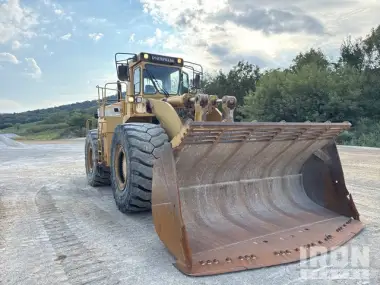
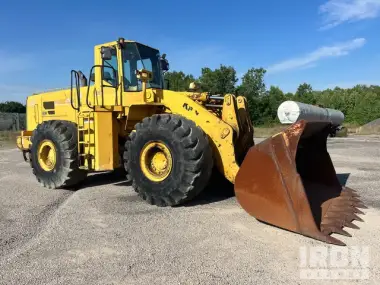
  • 2005 VOLVO L220E

    31,296 Hours

    $25,000

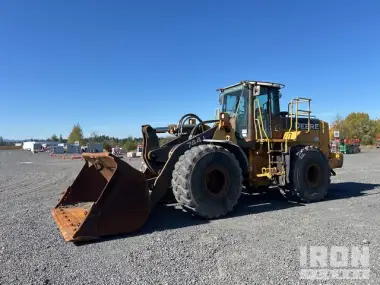
  • 2017 VOLVO L90H

    18,280 Hours

    $38,000

    $35,500

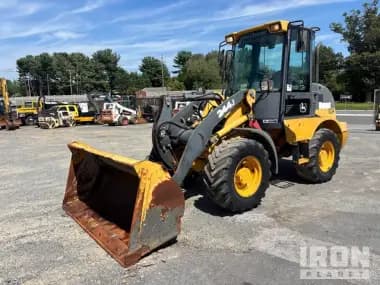
  • 2011 CATERPILLAR 907H

    $32,500

    $30,000

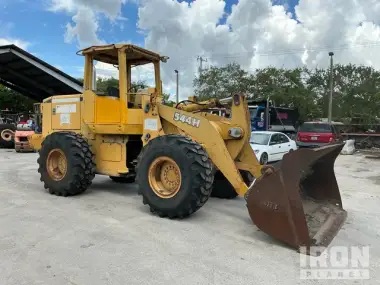
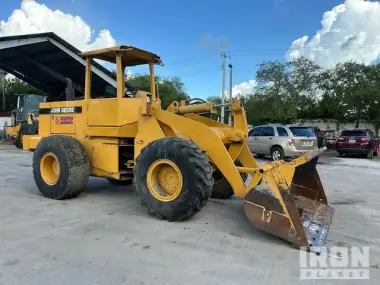
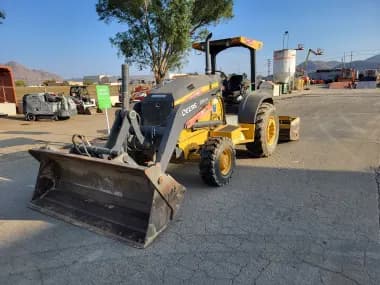
  • 1999 JOHN DEERE 444H

    11,362 Hours

    $28,950

    $26,450

  • 2008 KOMATSU WA500-6

    25,371 Hours

    $52,500

    $40,000

  • 2017 CASE FARMALL 35A

    2,259 Hours

    $11,346

  • 2020 SCHAFFER 2428

    $32,500

    $30,000

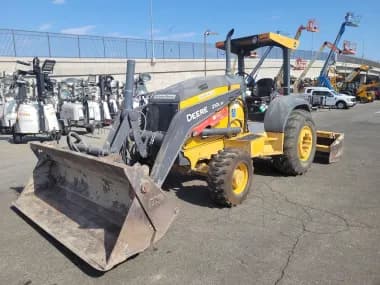
  • 2012 DOOSAN DL200TC

    3,991 Hours

    $38,500

    $36,000

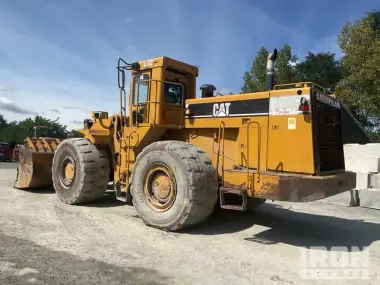
  • 1970 CATERPILLAR 980B

    $16,500

    $15,000

  • 2019 VOLVO L60H

    13,971 Hours

    $47,500

    $45,000

  • 2009 CATERPILLAR 950H

    21,819 Hours

    $32,000

    $29,500

  • 2011 CASE 821E

    22,237 Hours

    $42,500

    $35,000

  • 2000 VOLVO L45TP

    172 Hours

    $16,500

    $15,000

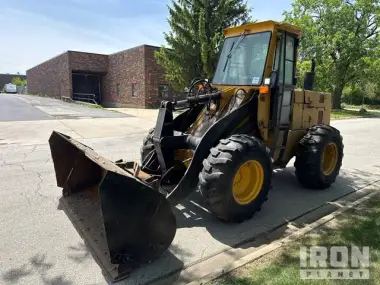
  • 1999 JOHN DEERE 644H

    14,226 Hours

    $52,500

    $50,000

  • 1978 CATERPILLAR 988B

    56,293 Hours

    $23,100

    $19,750

  • 2000 KOMATSU WA500-3L

    15,682 Hours

    $42,500

    $40,000

  • 2012 KOMATSU WA500-7

    19,516 Hours

    $62,895

    $49,900

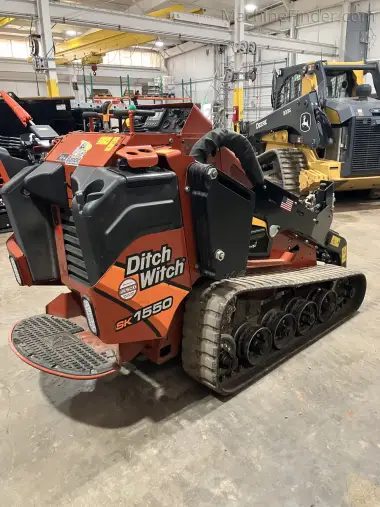
  • 2024 DITCH WITCH SK1550

    621 Hours

    $49,000

  • 2023 DITCH WITCH SK1550

    861 Hours

    $39,000

  • 2018 DITCH WITCH SK1550

    2,001 Hours

    $32,000

  • 2018 CASE FARMALL 60A

    $20,394

  • 1986 KOBELCO / KOBE STEEL LTD LK900

    14,000 Hours

    $20,000

  • 2006 CATERPILLAR 924G

    7,340 Hours

    $44,500

  • 1986 KOBELCO / KOBE STEEL LTD LK900

    14,000 Hours

    $20,000

  • 2016 JCB 407

    4,697 Hours

    $27,000

  • 2004 CATERPILLAR 938GII

    8,531 Hours

    $30,000

  • 2021 DITCH WITCH SK1050 SINGL

    1,377 Hours

    $31,000

  • 2021 YANMAR V12

    4,919 Hours

    $23,700

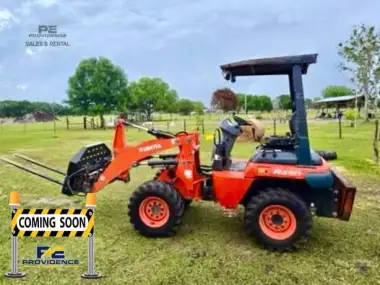
  • 2020 KUBOTA R530

    3,155 Hours

    $33,900

    $31,400

  • 2020 WACKER NEUSON WL 38

    1,693 Hours

    $45,500

    $42,500

  • 2021 KUBOTA R430

    646 Hours

    $43,379

  • 1993 CASE 721

    7,370 Hours

    $25,000

Page 1 of 2

Get access to our latest deals

Overview

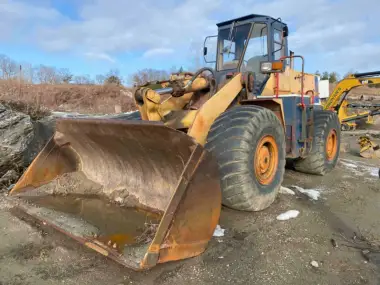
Both powerful and versatile, wheel loaders are heavy-duty machines found on almost all construction sites. From loading small amounts of gravel to transporting large loads of rubble, wheel loaders are most commonly used for excavation, landscaping, and agriculture. 

Like a large shovel, wheel loaders use a large bucket attached to a front arm to scoop up material to be transported or loaded into vehicles. They can be categorized into two types: light and heavy. Many different attachments can be used with wheel loaders, including forks, rakers, and couplers. 

Since the uses for a wheel loader vary, consider the size and nature of your needs when looking at used wheel loaders. 

Frequently Asked Questions

  • Used wheel loaders can range from $5,000 - $200,000 depending on the size machine that is needed.

  • Top brands of used wheel loaders include Caterpillar, John Deere, and Bobcat.

  • Wheel loaders are used to load materials into vehicles, clearing rubble and waste, laying pipes, and light digging.

  • Wheel loaders can range from 11,000 lbs for compact models to over 500,000 lbs for heavy-duty models.

  • Even if you are experienced in driving other heavy machinery, operating a wheel loader takes thorough studying of the operation manual. Operating this machine can be quite different from others –instead of the front tires turning, the machine pivots in the middle. Be sure to receive proper training before operating a wheel loader.

  • Knowing what type of jobs and projects you'll be using your wheel loader for is the main step in looking for a used wheel loader. Consider the size, tipping load, load capacity, and compatible attachments – all crucial to proper and efficient use.

  • While used wheel loaders may arrive with a few cosmetic flaws such as scratches, dents, and surface rust, they should still arrive near their original operating capacity.

  • With salaries as high as $64,000, wheel loader operator salaries typically range from $32,500 to $42,000.

  • To become a wheel loader operator, you're required first to learn how to operate a wheel loader via a training course. Due to the size and difficulty of maneuvering a wheel loader, you must also go through an apprenticeship with an experienced wheel loader operator to become certified.