Commercial Construction Services: Types, Benefits & Real-World Examples
6 Min read
&w=3840&q=75)

May 13, 2025
Commercial construction plays a vital role in shaping the built environment where businesses thrive. From retail spaces and office buildings to healthcare facilities and industrial warehouses, commercial projects require precise planning, expert management, and specialized services. This guide explores everything you need to know about commercial construction services, including the different types, essential offerings, and real-world examples to help you make informed decisions for your next project.
What is Commercial Construction?
Commercial construction involves designing, building, and renovating structures intended for business use. Unlike residential construction, which focuses on homes and living spaces, commercial construction serves the operational needs of companies, institutions, and government entities. These projects vary in scale and complexity, often involving coordination between architects, contractors, engineers, and developers to meet building codes, safety standards, and functional requirements.


Real-World Commercial Construction Experience
This guide includes insights from commercial contractors, project managers, site development specialists, fleet managers, and heavy equipment operators experienced in:
office construction
warehouse development
retail construction
utility installation
grading operations
large-scale commercial projects
Experienced construction teams understand how equipment planning, workforce coordination, and project scheduling directly impact project costs and profitability.
Types of Commercial Construction
%3Aformat(webp)&w=1920&q=75)
Understanding the various types of commercial construction can help you plan and budget more effectively:
New Builds: Ground-up construction projects like shopping centers, hotels, or office parks.
Renovations & Remodels: Updates to existing spaces such as restaurants or medical offices to modernize and improve functionality.
Tenant Improvements: Customizing leased commercial spaces to meet the specific needs of tenants.
Low-, Mid-, and High-Rise Construction: Depending on the scale and purpose, commercial buildings range from single-story shops to multi-story corporate headquarters.
Specialized Structures: Hospitals, laboratories, data centers, and educational institutions require tailored approaches due to unique operational needs.
Each of these types of commercial construction comes with its own challenges and requirements, and choosing the right approach is crucial to project success.
Commercial Construction Cost & ROI
Commercial construction costs vary based on project size, location, building type, labor requirements, site conditions, and equipment usage. Accurate budgeting helps contractors control expenses, improve scheduling, and maximize long-term project profitability.
Key cost drivers include:
site preparation and excavation
labor costs
materials and steel
permits and inspections
heavy equipment expenses
project management and scheduling
Projects with efficient planning, productive equipment, and strong workflow management often achieve higher ROI through reduced delays and improved operational efficiency.
Commercial Construction Cost Breakdown
%3Aformat(webp)&w=1920&q=75)
Heavy Equipment Used in Commercial Construction
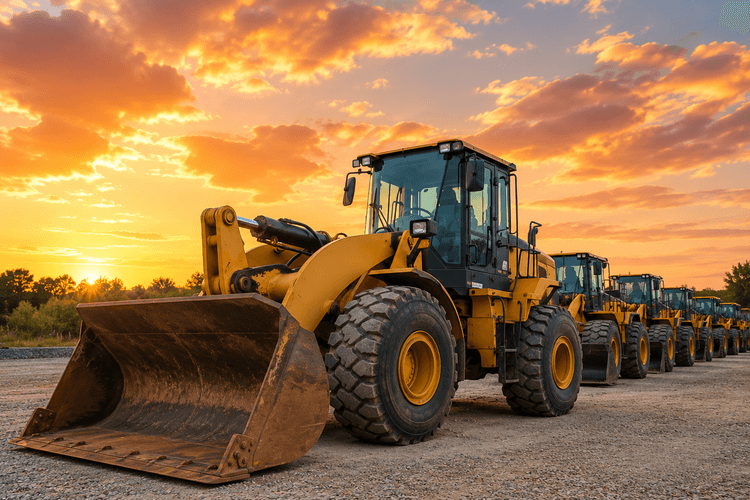
Commercial construction projects depend heavily on equipment to improve productivity, reduce labor demands, and maintain project schedules.
Common equipment includes:
bulldozers
wheel loaders
cranes
telehandlers
compact track loaders
These machines support:
site development
earthmoving
utility installation
material handling
grading operations
Core Commercial Construction Services
Professional contractors offer a wide range of commercial construction services to ensure projects run smoothly from concept to completion:
General Contracting: Overseeing daily operations, hiring subcontractors, and ensuring quality control.
Design-Build Services: Combining design and construction responsibilities under one contract for greater efficiency.
Pre-Construction Planning: Budget estimates, feasibility studies, and risk analysis before building begins.
Project Management: Coordinating schedules, materials, personnel, and compliance throughout the build.
Site Development: Preparing the land for construction through grading, excavation, and utility setup.
Safety & Code Compliance: Adhering to local and federal building codes, safety regulations, and inspection standards.
These services form the backbone of successful commercial construction projects, helping clients stay on time and within budget.
Sample of Commercial Construction Projects
Here are a few examples that highlight how commercial construction services come to life:


Retail Plaza Development: A ground-up construction of a 20,000-square-foot retail center featuring anchor stores, parking, and pedestrian walkways. The project included full-service design-build, permitting, and site development.
Hospital Renovation: A phased renovation of a working hospital to upgrade patient rooms and surgical suites without disrupting operations. The team used modular construction techniques and off-hours scheduling.
Warehouse Expansion: A logistics company expanded its distribution center with new loading docks and a climate-controlled storage wing. Pre-construction planning and BIM software ensured a seamless integration with the existing structure.
These samples of commercial construction projects demonstrate how the right team and services can deliver results tailored to industry needs.
Benefits of Hiring Professional Commercial Contractors
%3Aformat(webp)&w=1920&q=75)
Whether you're starting a new venture or upgrading existing facilities, working with an experienced commercial construction team offers several advantages:
Cost Efficiency: Accurate estimates and efficient project management reduce waste and unexpected costs.
Speed & Accuracy: Proven workflows help keep construction timelines on track.
Regulatory Expertise: Navigate permits, zoning laws, and inspections with confidence.
Customized Solutions: Scalable services tailored to small businesses or large-scale developments.
How to Choose the Right Commercial Construction Partner
Selecting the right contractor is a key factor in project success. Look for:
Valid licenses, insurance, and certifications
A strong portfolio of similar commercial projects
Transparent communication and a clear contract
References and client reviews
Don't be afraid to ask questions about project timelines, costs, subcontractor management, and safety protocols.
Frequently Asked Questions About Commercial Construction
What are commercial construction services?
Commercial construction services include planning, site preparation, building construction, renovations, project management, and facility development.
How much does commercial construction cost?
Costs vary based on project size, location, labor requirements, materials, and site conditions.
What equipment is used in commercial construction?
Common equipment includes excavators, bulldozers, cranes, wheel loaders, telehandlers, and compact track loaders.
What is the difference between design-build and traditional construction?
Design-build combines design and construction under one contract, while traditional construction separates design and bidding phases.
Why is site preparation important in commercial construction?
Proper site preparation improves safety, supports structural integrity, and helps prevent costly project delays.
How does heavy equipment improve commercial construction productivity?
Heavy equipment increases efficiency in excavation, grading, material handling, and site development while reducing labor demands and project timelines.
Commercial Construction Depends on Reliable Equipment & Productivity
Successful commercial construction projects rely on:
skilled operators
preventive maintenance
efficient scheduling
workforce coordination
Modern contractors increasingly use:
telematics systems
preventive maintenance programs
productivity monitoring tools
to improve equipment uptime and reduce costly project delays.
Reliable equipment helps contractors:
complete projects faster
reduce downtime
lower operating costs
improve labor productivity
maximize project ROI
Conclusion
Commercial construction is a dynamic and essential part of growing modern businesses. Whether you're developing a new property or upgrading an existing space, understanding the types of commercial construction and the services available can make all the difference. With the right team and a clear plan, your next commercial project can be delivered on time, within budget, and built to last.
Ready to bring your commercial vision to life? Reach out to experienced professionals who offer trusted commercial construction services and start your project with confidence.


Caleb Woods is an experienced content specialist and an editor at Boom & Bucket, blending his journalism background with expertise in the heavy equipment industry. He delivers engaging, informative content to help professionals stay informed and make smarter decisions in the machinery market.