The Features and Uses of Kenworth Dump Trucks
9 Min read
&w=3840&q=75)

March 31, 2024
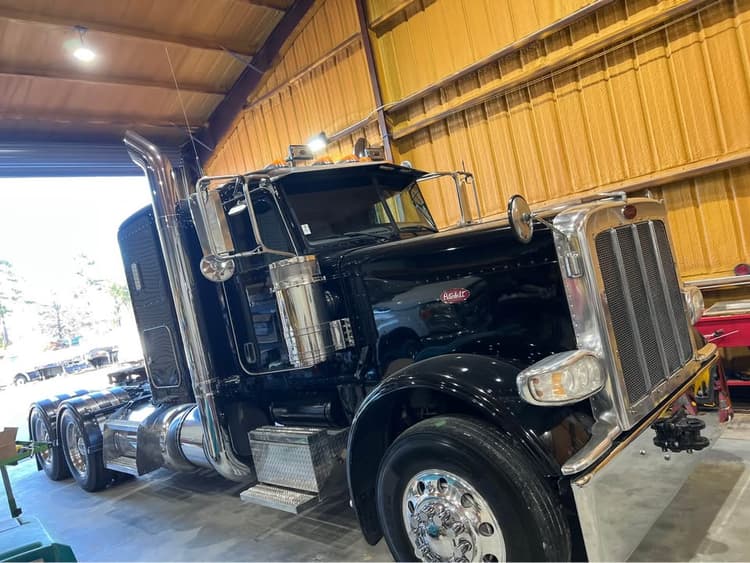
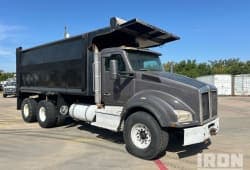
Kenworth dump trucks are renowned for their exceptional performance and reliability in various heavy-duty applications. From construction sites to mining operations, these robust vehicles have earned a reputation for their durability, efficiency, and versatility. In this comprehensive guide, we delve into the features and uses of Kenworth dump trucks, highlighting their key attributes and the diverse range of tasks they excel in.
What is a Kenworth dump truck?
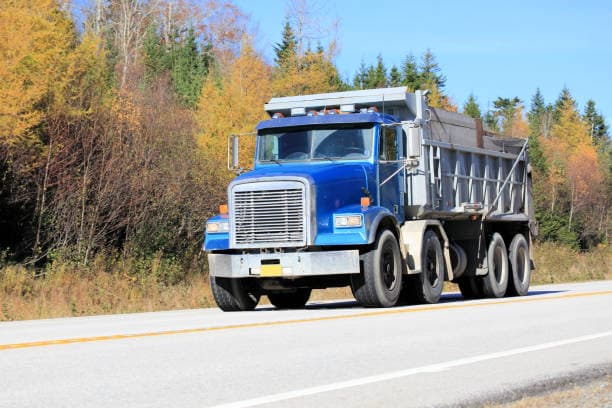
A Kenworth dump truck is a heavy-duty vocational truck equipped with a dump body for hauling and unloading materials such as aggregate, gravel, soil, asphalt, and construction debris.
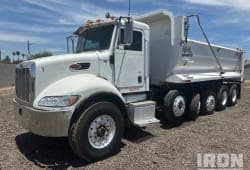
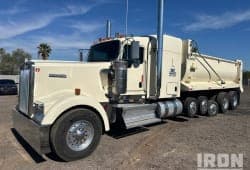
How We Evaluate Kenworth Dump Trucks
When evaluating a Kenworth dump truck, we focus on specifications, application, condition, service history, and total ownership cost rather than relying only on the model name or advertised mileage.
Our evaluation considers the truck's engine and transmission, GVWR and axle ratings, drivetrain, frame, suspension, dump body, hydraulic system, tires, brakes, maintenance history, and overall operating condition. Manufacturer specifications should be used to verify ratings and configuration details, while a qualified technician should perform a professional mechanical inspection before purchase.
Technical Accuracy Note: Kenworth specifications can change by model year, configuration, engine, axle package, and market. Always verify the specific truck's VIN/build sheet and manufacturer documentation before purchasing.
Superior Performance and Durability
Kenworth dump trucks are engineered to deliver superior performance even in the most demanding conditions. With powerful engines and rugged chassis construction, these trucks are built to withstand heavy loads and rough terrain. The advanced suspension systems ensure a smooth ride and enhanced stability, allowing operators to navigate challenging environments with ease. Whether hauling aggregates, soil, or debris, Kenworth dump trucks offer unmatched durability and reliability.
%3Aformat(webp)&w=1920&q=75) Innovative Features for Enhanced Efficiency
Innovative Features for Enhanced Efficiency
Equipped with a host of innovative features, Kenworth dump trucks are designed to optimize efficiency and productivity on the job site. From advanced telematics systems that provide real-time monitoring and diagnostics to ergonomic cab designs that prioritize operator comfort and safety, every aspect of these vehicles is meticulously engineered for peak performance. With intuitive controls and user-friendly interfaces, Kenworth dump trucks empower operators to maximize efficiency and get the job done effectively.
Versatile Applications Across Industries
Kenworth dump trucks find applications across a wide range of industries, thanks to their versatility and adaptability. In the construction sector, these trucks are indispensable for transporting materials such as gravel, sand, and asphalt to and from job sites. In the mining industry, they play a crucial role in hauling ore, overburden, and other materials essential for extraction operations. Additionally, Kenworth dump trucks are widely used in agriculture, waste management, and municipal services, demonstrating their versatility in diverse settings.
Customization Options to Suit Specific Needs
Recognizing that different applications have unique requirements, Kenworth offers a range of customization options to tailor dump trucks to specific needs. From different bed sizes and configurations to specialized features such as high-lift tailgates and automatic tarps, customers can choose from a variety of options to optimize their trucks for maximum efficiency and functionality. This flexibility ensures that Kenworth dump trucks can meet the exact demands of any job, regardless of industry or application.
Environmental Sustainability and Fuel Efficiency
In addition to their performance and versatility, Kenworth dump trucks are also designed with environmental sustainability in mind. With advancements in engine technology and emissions control systems, these vehicles meet stringent environmental regulations while minimizing their carbon footprint. Furthermore, ongoing research and development efforts focus on improving fuel efficiency and reducing overall operating costs, ensuring that Kenworth dump trucks remain competitive in an ever-evolving industry landscape.
Engine, Transmission & Drivetrain
The engine and drivetrain determine how effectively a Kenworth dump truck can move heavy loads, climb grades, and operate under demanding conditions.
Engine
When comparing engines, consider:
Horsepower
Torque
Engine displacement
Emissions system
Fuel economy
Service history
Application and terrain
The T880 specification sheet lists several engine options, including PACCAR MX-series engines and Cummins options, with ratings varying by configuration.
Transmission
Dump trucks may use:
Manual transmissions
Automated manual transmissions
Automatic transmissions
The right choice depends on terrain, driver preference, application, PTO requirements, and operating conditions.
Drivetrain
Pay attention to:
4x2
6x4
8x4
Tandem drive axles
Tri-drive configurations
Differential ratios
Locking differentials
Transfer cases where applicable
For demanding off-road or aggregate applications, drivetrain configuration can be just as important as horsepower.
Kenworth Dump Trucks by Application
Different jobs require different dump-truck configurations.
Construction
General construction often requires a balance of payload, maneuverability, durability, and roadability.
Aggregate & Quarry Work
Aggregate hauling places greater emphasis on payload, axle ratings, drivetrain strength, and durability.
Road Construction
Road projects may require trucks capable of hauling aggregate, asphalt, base material, and debris while traveling between multiple job sites.
Mining & Heavy-Duty Work
Severe-duty applications can require higher-capacity axles, specialized bodies, stronger frames, and configurations designed for demanding terrain.
Landscaping & Site Work
Smaller or more maneuverable configurations may be preferable when operating in residential developments, tight construction sites, or urban areas.
Kenworth positions the T880 as a flexible vocational platform capable of supporting dump, mixer, heavy-haul, refuse, logging, and other applications.
How to Choose a Kenworth Dump Truck
Choosing the right Kenworth dump truck starts with the job, not the truck model.
Use this checklist:
1. Determine Your Required Payload
Estimate the typical material weight and volume you need to haul.
2. Consider Terrain
Decide whether the truck will operate primarily on paved roads, construction sites, quarries, or off-road terrain.
3. Choose the Axle Configuration
Match axle capacity and configuration to your required payload and applicable weight laws.
4. Select the Powertrain
Consider horsepower, torque, transmission type, gearing, and drivetrain.
5. Match the Dump Body
Verify body material, capacity, weight, hydraulic system, and condition.
6. Calculate Operating Costs
Consider fuel, tires, maintenance, insurance, repairs, and downtime.
7. Inspect the Truck
A professional inspection can uncover expensive problems before purchase.
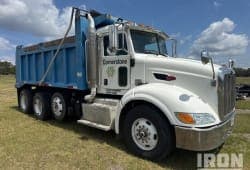

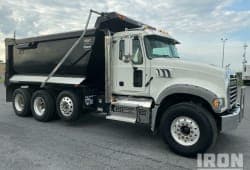

The best Kenworth dump truck is the one whose specifications, condition, and operating costs match your actual work.
Used Kenworth Dump Truck Buying Guide
Buying a used Kenworth dump truck can provide significant value, but the model year alone should never determine the purchase.
Before buying, review:
VIN and build information
Engine hours and mileage
Maintenance records
Previous applications
Number of owners
Accident history
Engine condition
Transmission condition
Frame condition
Axles and suspension
Hydraulic system
Dump-body condition
Tires and brakes
Emissions equipment
PTO operation
Pay Special Attention to Previous Use
A truck used primarily for highway aggregate hauling may have a very different wear pattern from one that spent years working in a quarry or severe-duty construction environment.
Service history and application history can tell you more about a used dump truck's condition than mileage alone.
Used Kenworth Dump Truck Inspection Checklist
Before purchasing a used Kenworth dump truck, inspect the following:
Engine
Check for leaks.
Look for excessive smoke.
Listen for abnormal noises.
Check for warning lights.
Review service records.
Inspect cooling-system components.
Transmission & Drivetrain
Test shifting.
Check for slipping or abnormal noises.
Inspect driveshafts and differentials.
Test differential locks where equipped.
Frame
Look for cracks, bends, corrosion, and unauthorized repairs.
Inspect crossmembers and mounting points.
Check areas around the dump-body installation.
Axles & Suspension
Inspect springs or air suspension.
Check bushings and mounting points.
Inspect axle housings and seals.
Verify axle ratings.
Dump Body & Hydraulics
Inspect the floor and sidewalls.
Check hinges and pins.
Inspect hydraulic cylinders.
Look for leaks.
Test the complete raising and lowering cycle.
Brakes, Tires & Steering
Check brake components.
Inspect tire condition and tread.
Look for uneven tire wear.
Test steering for excessive play.
Cab & Electrical
Check gauges and warning lights.
Test lights and controls.
Inspect HVAC.
Check electrical connectors and wiring.
For a high-value purchase, have a qualified heavy-truck technician perform an independent inspection before completing the transaction.
Costs & Total Ownership
The purchase price is only one part of the cost of owning a Kenworth dump truck.
Consider these expenses:
Purchase price or financing
Fuel
Preventive maintenance
Tires
Insurance
Registration
Repairs
Hydraulic-system maintenance
Dump-body repairs
Emissions-system maintenance
Downtime
Depreciation
A Simple Ownership-Cost Formula
Total Cost of Ownership = Purchase + Financing + Fuel + Maintenance + Repairs + Tires + Insurance + Other Operating Costs
A cheaper used truck is not necessarily the better investment if it requires major engine, transmission, hydraulic, or frame repairs soon after purchase.
Maintenance & Common Problems
Regular preventive maintenance can help reduce unexpected downtime and extend the working life of a Kenworth dump truck.
Key Maintenance Areas
Engine oil and filters
Fuel system
Cooling system
Transmission
Differentials
Axles
Suspension
Brakes
Tires
Hydraulic system
Dump-body components
Electrical system
Emissions equipment
Common Areas to Inspect on Used Trucks
Rather than assuming every Kenworth has the same problems, inspect wear-prone components based on age, mileage, application, and maintenance history.
Look for:
Hydraulic leaks
Worn suspension components
Brake wear
Tire wear
Frame damage
Dump-body corrosion
PTO problems
Electrical faults
Cooling-system issues
Emissions-system faults on applicable model years
Maintenance records are one of the most useful indicators of how a used dump truck has been cared for.
Safety
Dump trucks operate with heavy loads, high centers of gravity, moving hydraulic components, and significant blind spots.
Safe operation requires:
Staying within rated payload and axle limits
Inspecting the truck before operation
Securing the load properly
Maintaining brakes and tires
Using appropriate PPE on job s
Keeping personnel clear of the dump-body operating area
Checking overhead clearance before raising the body
Using designated backing procedures
Following manufacturer instructions and applicable regulations
Never exceed the truck's rated capacity or operate a dump body where overhead clearance is inadequate.
Frequently Asked Questions
What is a Kenworth dump truck used for?
Kenworth dump trucks are used to haul and unload materials such as aggregate, gravel, sand, soil, asphalt, and construction debris.
What is the most common Kenworth dump truck model?
The T880 is one of Kenworth's major vocational platforms for dump applications. The T800 is also highly relevant in the used market because of its long history in vocational work.
Is the Kenworth T880 good for dump-truck work?
Yes. The T880 was designed for vocational applications including dump trucks and can be configured with different engines, transmissions, axles, suspensions, and body-integration options.
What is the difference between a T880 and T800?
The T880 is a newer vocational platform, while the T800 is an older, long-running vocational platform. The better used truck depends on its specific configuration, condition, service history, and price.
How much can a Kenworth dump truck haul?
There is no single payload rating for every Kenworth dump truck. Payload depends on GVWR, empty weight, axle ratings, body configuration, tires, and applicable legal weight limits.
What should I check before buying a used Kenworth dump truck?
Inspect the engine, transmission, frame, axles, suspension, brakes, tires, hydraulics, dump body, electrical systems, and maintenance records.
Is a used Kenworth T800 worth buying?
A used T800 can still be a practical choice when the truck has a suitable configuration, good maintenance history, and acceptable mechanical condition. Its age and condition should be evaluated carefully.
Conclusion
In conclusion, Kenworth dump trucks represent the pinnacle of performance, durability, and versatility in the heavy-duty trucking industry. With innovative features, customizable options, and a proven track record of reliability, these vehicles are trusted by professionals across various sectors to tackle the toughest jobs with ease. Whether you're in construction, mining, agriculture, or waste management, investing in a Kenworth dump truck ensures unmatched performance and productivity for your operations.


Aaron Kline is the Co-Founder and COO of Boom & Bucket, where he leverages his extensive leadership experience to revolutionize the heavy equipment industry. With a background in building scalable processes and teams from his time as a Naval officer and executive roles in tech, Aaron focuses on introducing cutting-edge technology to construction and agriculture markets. Before Boom & Bucket, he held leadership positions at Skylo and Yard Club (acquired by Caterpillar), and he’s passionate about fostering innovation and driving efficiency in under-digitized industries.