Versatility of Vacuum Trucks: Essential Heavy Machinery for Various Applications
7 Min read
&w=3840&q=75)
March 31, 2024
Vacuum trucks, also known as vacuum tankers or vacuum tank trucks, are indispensable heavy machinery used across a multitude of industries for various tasks. These versatile vehicles are equipped with powerful vacuum pumps and large storage tanks, enabling them to suction and transport liquids, solids, sludge, and hazardous materials efficiently. In this article, we'll delve into the features, benefits, and applications of vacuum trucks, shedding light on why they are crucial assets for businesses and municipalities worldwide.
What is a vacuum truck?
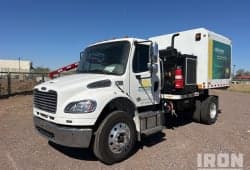
A vacuum truck is a specialized vehicle that uses suction to collect, contain, and transport liquids, sludge, soil, debris, and other materials.



How We Evaluate Vacuum Trucks
At Boom & Bucket, we evaluate vacuum trucks based on application suitability, capacity, vacuum performance, chassis condition, specialized components, maintenance history, specifications, and total ownership value.
For used equipment, we emphasize condition beyond appearance-including service records, component wear, operating performance, previous repairs, and documentation. Manufacturer specifications should be verified against the exact truck configuration because capacity and performance can vary significantly between models and builds.
Understanding Vacuum Trucks:
Vacuum trucks are specialized vehicles designed to handle the collection, transportation, and disposal of a wide range of materials, including liquids, sludge, sewage, and hazardous waste. They feature a vacuum system comprising a high-powered pump and a large storage tank, along with hoses and suction nozzles for extracting materials from underground or above-ground sources. Vacuum trucks come in various configurations, including wet vacuum trucks, dry vacuum trucks, and combination units capable of handling both wet and dry materials.
%3Aformat(webp)&w=1920&q=75)
Key Features of Vacuum Trucks:
Powerful Vacuum System: Vacuum trucks are equipped with high-capacity vacuum pumps capable of generating strong suction forces to extract liquids, sludge, and debris from various sources.
Large Storage Tank: The storage tank of a vacuum truck is designed to hold a significant volume of materials, allowing for efficient transportation and disposal without frequent emptying.
Specialized Attachments: Vacuum trucks are equipped with specialized attachments such as hoses, suction wands, and vacuum booms to facilitate the collection of materials from hard-to-reach or confined spaces.
Pressure Washing Capability: Many vacuum trucks are equipped with pressure washing systems for cleaning surfaces and equipment, making them versatile assets for industrial cleaning applications.
Safety Features: Vacuum trucks are equipped with safety features such as spill containment systems, emergency shut-off valves, and explosion-proof components to mitigate risks associated with handling hazardous materials.
Applications of Vacuum Trucks:
Sewer and Septic System Maintenance: Municipalities and utility companies use vacuum trucks for cleaning and maintaining sewer lines, septic tanks, and lift stations, removing accumulated sludge and debris to prevent blockages and backups.
Environmental Cleanup: Vacuum trucks are deployed for environmental cleanup and remediation projects, including spills, leaks, and contaminated sites, where they extract and transport hazardous materials safely and efficiently.
Industrial Cleaning: Industrial facilities utilize vacuum trucks for cleaning tanks, vessels, pipelines, and machinery, removing residues, sludge, and waste materials to maintain operational efficiency and compliance with environmental regulations.
Construction and Excavation: Vacuum trucks are used in construction and excavation projects to remove excess water, mud, and debris from excavation sites, trenches, and underground utilities, facilitating safe and efficient digging operations.
Oil and Gas Industry: In the oil and gas industry, vacuum trucks are employed for various tasks, including removing drilling mud, cleaning storage tanks, and transporting drilling waste, contributing to operational efficiency and environmental compliance.
Buying and Reselling Vacuum Trucks:
For those considering purchasing or reselling a vacuum truck, here are some important considerations:
Type and Capacity: Determine the type and capacity of the vacuum truck that best suits your needs, considering factors such as material type, volume, and transportation distance.
Condition: Inspect the vacuum truck thoroughly and assess its condition, including the vacuum system, storage tank, hoses, and attachments, to ensure it functions properly.
Maintenance History: Review the maintenance records to gauge how well the vacuum truck has been maintained and anticipate any potential maintenance or repair needs.
Market Value: Research the market value of similar vacuum trucks to determine a fair price for buying or selling.
Documentation: Ensure all necessary documentation, including ownership papers, maintenance records, and legal certifications, is in order to facilitate a smooth transaction.
How to Choose a Vacuum Truck
Use this process to narrow your options:
1. Define the application
Identify whether you'll handle soil, slurry, wastewater, sludge, debris, or industrial material.
2. Determine required capacity
Estimate how much material you typically collect per job and how frequently you can access disposal facilities.
3. Match vacuum performance
Compare CFM, vacuum pressure, blower type, hose diameter, and expected hose length.
4. Consider water requirements
Hydrovac operations should account for water-tank capacity, pump pressure, and flow rate.
5. Check chassis capacity
Confirm GVWR, axle ratings, dimensions, and applicable weight restrictions.
6. Evaluate access

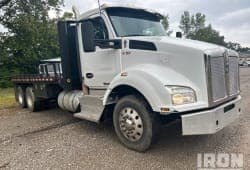


Consider road restrictions, job-site space, boom reach, turning radius, and overall truck dimensions.
7. Calculate ownership costs
Include fuel, maintenance, insurance, operator costs, disposal, and downtime-not just purchase price.
Used Vacuum Truck Inspection Checklist
Before purchasing a used vacuum truck, inspect the truck chassis and specialized vacuum equipment separately.
Chassis
Engine and transmission
Brakes and suspension
Tires
Frame
PTO
Electrical system
Mileage and service history
Vacuum System
Blower or pump operation
Vacuum pressure
Airflow performance
Oil leaks
Bearings and seals
Controls and gauges
Filtration system
Tank & Hoses
Tank corrosion
Cracks or structural damage
Door seals
Hydraulic dump system
Hose condition
Couplings
Boom movement
Hydrovac Equipment
Water pump
Water tank
Pressure and flow
Nozzles
Water lines
Heater or boiler, if equipped
Ask for maintenance records and verify operating performance before purchase. A professional inspection can reveal expensive problems that a visual inspection misses.
Vacuum Truck Costs & Total Ownership
Purchase price is only one part of vacuum-truck ownership.
Budget for:
Purchase or financing
Insurance
Fuel
Preventive maintenance
Vacuum-system repairs
Hose and wear components
Tires
Disposal fees
Registration
Operator costs
Downtime
Resale value
For used equipment, compare the total expected ownership cost rather than choosing the lowest purchase price.
A lower-priced truck with worn vacuum components, poor maintenance history, or an unsuitable chassis can cost considerably more over its service life.
Common Problems & Maintenance
Common maintenance concerns include vacuum-system wear, clogged or damaged hoses, tank corrosion, hydraulic leaks, pump or blower problems, worn seals, and filtration issues.
Maintenance priorities
Follow the manufacturer's service intervals.
Inspect hoses and couplings regularly.
Check vacuum performance.
Maintain filters and separators.
Inspect hydraulic lines and cylinders.
Check tank doors and seals.
Monitor pump and blower lubrication.
Inspect the chassis and PTO.
Keep accurate service records.
Preventive maintenance is particularly important because vacuum-system failures can stop the entire truck from producing revenue.
Vacuum Truck Safety
Vacuum trucks combine heavy vehicles, pressurized systems, vacuum equipment, hydraulic components, and potentially hazardous materials.
Operators should:
Follow the manufacturer's operating procedures.
Use required PPE.
Secure the truck before operating equipment.
Inspect hoses, tanks, and connections before use.
Never exceed rated pressure or capacity.
Follow confined-space procedures where applicable.
Keep personnel away from moving equipment.
Follow applicable hazardous-material handling requirements.
Use appropriate traffic and work-zone controls.
Never enter a tank or confined space without following the required confined-space entry procedures and controls.
Frequently Asked Questions
What is a vacuum truck used for?
Vacuum trucks collect and transport liquids, sludge, debris, soil, and other materials. Applications include sewer cleaning, septic service, industrial cleanup, environmental work, and construction.
What is the difference between a vacuum truck and a hydrovac?
A hydrovac uses high-pressure water to loosen soil before vacuuming it away. A conventional vacuum truck may be designed primarily for collecting liquids, sludge, or other materials.
What does CFM mean on a vacuum truck?
CFM means cubic feet per minute and measures airflow through the vacuum system. It helps describe how much air the blower can move.
What does vacuum pressure mean?
Vacuum pressure describes the suction level a vacuum system can generate. It is commonly expressed in inches of mercury (inHg).
How much can a vacuum truck hold?
Capacity varies by configuration. Current hydrovac models can have debris/spoil tanks ranging from compact configurations to more than 12 cubic yards, while water tanks can range from hundreds to more than 1,000 gallons.
Conclusion:
Vacuum trucks are indispensable assets for a wide range of industries, offering efficient and versatile solutions for the collection, transportation, and disposal of various materials. Whether you're in municipal services, environmental cleanup, construction, or industrial maintenance, investing in a vacuum truck can enhance your operational capabilities, streamline your processes, and contribute to overall efficiency and safety. By understanding the features, applications, and considerations involved in buying or reselling vacuum trucks, you can make informed decisions and maximize the effectiveness of these essential heavy machinery assets.


Karin Ohman is a full-stack software engineer who worked for Boom and Bucket.