10 Types of Specialty Trucks: Uses, Applications & Buying Guide
8 Min read


May 29, 2023
Specialty trucks are built or modified to perform jobs that standard pickup trucks and highway tractors cannot handle efficiently. They combine a truck chassis with purpose-built equipment, bodies, or attachments for industries such as construction, utilities, emergency services, transportation, waste management, and mobile services.
Unlike general-purpose trucks, specialty trucks are designed around a specific job. A bucket truck provides elevated access, a dump truck moves loose material, and a service truck brings tools and equipment directly to a jobsite.
For contractors and fleet managers, choosing the right specialty truck can improve productivity, reduce equipment downtime, and eliminate the need for multiple vehicles.
Below are 10 common types of specialty trucks, what they do, where they are used, and what to consider when buying one.
What Are Specialty Trucks?

Related Equipment
Browse all Specialty trucks
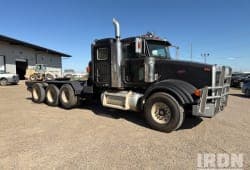
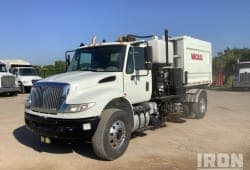
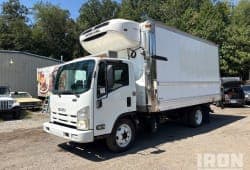
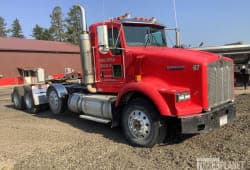
A specialty truck is a truck that has been configured or equipped for a particular application. The chassis may be based on a conventional commercial truck, but the body and equipment are designed around a specific work function.
Common examples include:
Utility and service trucks
Bucket trucks
Dump trucks
Tow trucks
Concrete mixer trucks
Fire trucks
Vacuum trucks
Digger derricks
Food trucks
Mobile medical or service trucks
Specialty trucks can be rigid or articulated, depending on their design and intended application. The rear portion may carry a dump body, crane, tank, aerial device, specialized compartment, or other equipment.
10 Common Types of Specialty Trucks
1. Utility and Service Trucks

Utility trucks, often called service trucks or work trucks, are mobile workstations for technicians and contractors.
They typically feature enclosed or open compartments for tools, parts, generators, compressors, and other equipment. Service bodies allow technicians to carry what they need directly to the jobsite rather than making repeated trips to a shop.
Common applications include:
Construction
Electrical work
Plumbing
HVAC service
Equipment maintenance
Telecommunications
Municipal services
Landscaping
For contractors, payload capacity, compartment configuration, chassis condition, and available PTO-powered equipment are important considerations.
2. Bucket Trucks

Bucket trucks, also called aerial lift trucks, combine a truck chassis with an elevated work platform. The boom allows workers to safely access overhead infrastructure without relying entirely on conventional ladders or ground-based equipment.
Bucket trucks are widely used for:
Electrical utility maintenance
Tree trimming
Telecommunications
Streetlight maintenance
Sign installation
Building maintenance
Working height, horizontal reach, platform capacity, boom configuration, and chassis condition are among the most important specifications to evaluate.
3. Dump Trucks

Dump trucks are designed to transport and unload loose materials such as aggregate, soil, sand, gravel, and construction debris.
They are common on construction sites, road projects, landscaping operations, quarries, and mining sites. Smaller dump trucks can work in urban environments, while larger configurations are designed for high-volume material hauling.
When buying a used dump truck, examine the dump body, hoist cylinders, frame, suspension, tires, transmission, and hydraulic system.
4. Tow Trucks

Tow trucks are specialty recovery vehicles designed to move disabled, damaged, or improperly positioned vehicles.
Common configurations include wheel-lift, flatbed, integrated, and heavy-duty wreckers.
Heavy-duty tow trucks are particularly important for recovering commercial trucks, buses, construction equipment, and other large vehicles.
For buyers, towing capacity, winch capacity, boom condition, hydraulic performance, chassis history, and intended recovery applications should all be considered.
5. Concrete Mixer Trucks

Concrete mixer trucks transport and continuously mix ready-mixed concrete while traveling between the batch plant and jobsite.
The rotating drum helps keep concrete properly mixed during transportation. Once onsite, the drum can discharge the material into forms, pumps, or other placement equipment.
These trucks are essential for:
Foundations
Roads
Bridges
Commercial buildings
Residential construction
Concrete repair
Drum capacity, mixer condition, hydraulic components, chassis hours or mileage, and maintenance records matter when evaluating a used unit.
6. Digger Derrick Trucks

Digger derricks combine a truck-mounted auger with a boom for digging holes and lifting materials. They are especially valuable for utility contractors installing poles and related infrastructure.
Typical applications include:
Utility pole installation
Electrical construction
Telecommunications
Sign installation
Foundation work
A major advantage is that one machine can perform both excavation and lifting tasks. Buyers should evaluate boom condition, auger equipment, hydraulic systems, load charts, and overall chassis condition.
Boom & Bucket's current specialty-truck inventory, for example, includes used digger derrick configurations from manufacturers such as Altec mounted on Freightliner and International chassis.
7. Vacuum Trucks

Vacuum trucks use powerful vacuum systems and storage tanks to collect and transport liquids, sludge, debris, and other materials.
They are used in industries such as:
Sewer maintenance
Industrial cleaning
Environmental services
Oil and gas
Municipal operations
Excavation
Spill response
Related Equipment
Browse all Specialty trucks
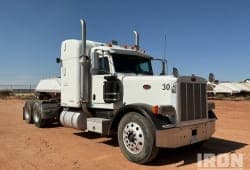
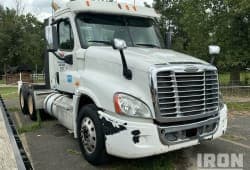
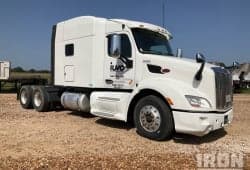

Vacuum capacity, pump type, tank construction, hose configuration, and the condition of the vacuum system are key factors when choosing a used unit.
8. Fire Trucks
Fire trucks are specialized emergency vehicles equipped for fire suppression, rescue, and emergency response.
Depending on the configuration, they may carry pumps, water tanks, hoses, ladders, rescue equipment, breathing apparatus, and other emergency-response tools.
Fire apparatus must meet demanding operational and safety requirements. Buyers should pay particular attention to pump operation, aerial equipment where applicable, water tanks, electrical systems, chassis condition, and maintenance history.
9. Food Trucks
Food trucks transform commercial truck platforms into mobile kitchens and serving areas.
Although they serve a different purpose from construction and vocational trucks, they are a good example of how a standard vehicle can be extensively modified around a specific business model.
Food trucks may include:
Commercial cooking equipment
Refrigeration
Food preparation areas
Water systems
Generators
Serving windows
Storage compartments
Operators should consider the truck's mechanical condition as well as the condition and configuration of the onboard equipment.
10. Mobile Medical and Service Trucks
Mobile medical and specialty service trucks bring professional services directly to customers or communities.
Depending on the application, these vehicles can be configured for medical examinations, diagnostic services, veterinary care, communications, education, or other specialized operations.
Their primary advantage is mobility. Instead of requiring customers to travel to a permanent facility, the service can be delivered where it is needed.
For buyers, interior layout, electrical capacity, climate control, onboard equipment, chassis condition, and regulatory requirements are important considerations.
Specialty Truck Comparison

How to Choose the Right Specialty Truck
The best specialty truck depends on the work you need it to perform. Start with the job rather than the truck.
1. Define the application
Identify exactly what the truck needs to accomplish. Do you need to haul material, lift personnel, recover vehicles, service equipment, or carry specialized equipment?
2. Match capacity to the workload
Check payload, towing capacity, working height, reach, tank capacity, or other application-specific specifications. Buying more capacity than necessary can increase acquisition and operating costs, while insufficient capacity can limit productivity.
3. Inspect the chassis and specialized equipment
A specialty truck has two major components to evaluate: the truck itself and the equipment mounted on it.
Inspect the engine, transmission, brakes, tires, frame, suspension, hydraulics, electrical systems, and specialized equipment.
4. Review maintenance history
Service records can provide valuable insight into how a truck was maintained and whether major components have been repaired or replaced.
5. Consider total operating costs
Purchase price is only part of the equation. Fuel consumption, insurance, maintenance, repairs, transportation, operator requirements, and downtime all affect the truck's long-term cost.
6. Consider used equipment
A well-maintained used specialty truck can provide the capabilities you need without the cost of purchasing a new vehicle. Current used specialty-truck listings can vary considerably in price based on age, mileage, hours, configuration, condition, and maintenance history.
Why Buy a Used Specialty Truck?
Used specialty trucks can make sense for businesses that need specialized capabilities while managing capital expenditures.
Instead of purchasing a brand-new truck with every available option, buyers can look for a used unit that already has the body, boom, tank, equipment, or configuration required for the job.
The key is condition.
A lower purchase price does not necessarily mean a lower total cost if the truck requires significant repairs immediately after purchase. Thorough inspection and careful evaluation of service history are therefore essential.
Find the Right Specialty Truck for Your Business
Specialty trucks are built around specific jobs, making the right configuration more important than simply choosing the newest or largest truck.
Whether you need a bucket truck for utility work, a dump truck for hauling, a service truck for field repairs, a digger derrick for utility construction, or another vocational truck, focus on the specifications that directly affect your daily workload.
At Boom & Bucket, you can browse used specialty trucks and compare equipment based on your application, budget, and operating requirements. Take time to review the machine's condition, specifications, history, and available inspection information before making a purchase.
Ready to put a specialty truck to work?
Browse used specialty trucks → Find equipment that matches your application.
Need financing? → Explore financing options to help manage your equipment investment.
Need transportation? → Arrange equipment transport and get your truck where it needs to go.
Selling a specialty truck? → Connect with Boom & Bucket to explore your selling options.
Frequently Asked Questions About Specialty Trucks
What is a specialty truck?
A specialty truck is a commercial truck configured or modified for a specific job or industry. Examples include bucket trucks, service trucks, dump trucks, tow trucks, vacuum trucks, and digger derricks.
What are specialty trucks used for?
Specialty trucks are used for specialized transportation, construction, utility work, emergency response, equipment maintenance, material hauling, recovery, environmental services, and mobile businesses.
Are specialty trucks worth buying used?
A used specialty truck can be a practical option when its configuration, condition, maintenance history, and capabilities match the buyer's workload. The condition of both the chassis and specialized equipment should be evaluated before purchase.
What should I check when buying a used specialty truck?
Inspect the engine, transmission, frame, tires, brakes, hydraulics, electrical system, specialized equipment, safety components, and maintenance history. Also confirm that the truck's capacity and configuration match the intended application.

Albert Demi is an Account Manager at Boom & Bucket, managing high-value construction and heavy equipment accounts with a focus on retention, growth, and tailored equipment solutions. With a strong background in sales leadership and partnerships, Albert is known for exceeding revenue targets, maintaining exceptional renewal rates, and building long-term client relationships through proactive support and industry insight.
Related Articles
More in Insight