Revealing the Potential of Used Equipment: A Wise Investment for Every Business
9 Min read

March 3, 2024
In the realm of heavy machinery, the decision to invest in equipment can significantly impact a business's bottom line. While the allure of brand-new machinery is undeniable, the practicality and affordability of used equipment should not be overlooked. At Boom and Bucket, we're passionate about helping businesses harness the full potential of used equipment to achieve their operational goals. Let's delve deeper into why choosing used equipment is a wise investment for every business.
Economic Advantages of Used Equipment
Maximizing ROI


Used equipment offers a compelling opportunity to maximize return on investment (ROI) by minimizing upfront capital expenditures. By acquiring quality machinery at lower costs, businesses can allocate their financial resources more effectively, driving profitability and long-term sustainability.
Favorable Depreciation Rates

Unlike brand-new equipment, which typically depreciates rapidly in the first few years, used equipment often maintains its value more steadily over time. This favorable depreciation rate enhances the asset's financial stability and provides greater flexibility for businesses seeking financing or resale options.
Cost-Saving Maintenance and Repairs
While all machinery requires maintenance and occasional repairs, used equipment often comes with lower maintenance costs compared to newer models. Additionally, our team of experienced technicians ensures that each piece of used equipment undergoes comprehensive inspections and necessary repairs, further reducing the risk of unforeseen expenses.
Diverse Range of Equipment Categories
Construction Machinery
Whether you're in the construction industry or undertaking infrastructure projects, our inventory includes a wide range of used construction machinery, including excavators, loaders, bulldozers, and compactors. These versatile machines are designed to enhance productivity and efficiency on the job site.
Transportation and Logistics
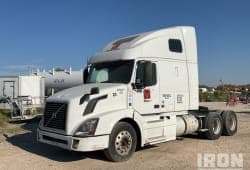
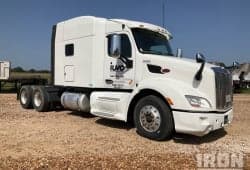
From trucks and trailers to specialized vehicles like dump trucks and flatbeds, we offer a variety of used transportation equipment to meet your hauling and logistics needs. Our meticulously maintained vehicles deliver reliability and performance, ensuring seamless operations and on-time deliveries.
Industrial Equipment and Tools
In addition to heavy machinery, we provide an extensive selection of industrial tools and equipment, including generators, air compressors, and welding machines. These essential tools empower businesses to tackle a wide range of tasks, from powering construction sites to facilitating manufacturing processes.
Ensuring Quality and Reliability
Thorough Inspection and Testing

Quality is our top priority. Before being listed for sale, each piece of used equipment undergoes rigorous inspection and testing procedures to ensure optimal functionality and reliability. Our commitment to quality assurance gives you peace of mind, knowing that you're investing in equipment that meets industry standards.
Extended Warranty Options
To further safeguard your investment, we offer extended warranty options for our used equipment. These warranties provide additional coverage for unexpected repairs and breakdowns, giving you added confidence and protection against potential risks.
Tailored Solutions for Every Business
Flexible Financing Options
We understand that every business has unique financial requirements. That's why we offer flexible financing options tailored to your specific needs. Whether you prefer lease-to-own arrangements, equipment financing, or customized payment plans, we work with you to find the most suitable solution.
Consultative Approach
Our team of industry experts takes a consultative approach to understand your business objectives and recommend the most suitable equipment solutions. Whether you're looking to expand your fleet, upgrade existing machinery, or enter new markets, we provide personalized guidance and support every step of the way.
Embracing Sustainability and Environmental Responsibility
Circular Economy Principles
By choosing used equipment, businesses contribute to the principles of the circular economy by extending the lifespan of machinery and reducing waste. This sustainable approach promotes resource conservation and environmental stewardship, aligning with the broader goals of sustainability and responsible business practices.
Energy Efficiency and Emissions Reduction
Many of our used equipment offerings feature energy-efficient technologies and emissions-reducing measures, helping businesses minimize their environmental footprint and comply with regulatory requirements. By investing in eco-friendly machinery, businesses demonstrate their commitment to environmental responsibility and corporate citizenship.
Benefits of Buying Used Heavy Equipment
Used heavy equipment can help businesses expand their fleets while preserving capital. Key benefits include:
Lower upfront cost: Used machines generally cost less than comparable new equipment.
Reduced depreciation: Much of the steepest initial depreciation may already have occurred.
Faster fleet expansion: Businesses can add equipment without committing as much capital to each machine.
More equipment options: Buyers can choose from different years, models, brands, and configurations.
Potential access to premium equipment: Used machines can make higher-end models more attainable.
However, condition and maintenance history matter. A low purchase price does not necessarily mean lower total ownership costs.
How to Calculate Used Equipment ROI
Used equipment ROI measures whether a machine generates enough financial benefit to justify its total investment.
A simple formula is:
ROI = (Total Financial Benefit - Total Equipment Cost) Total Equipment Cost 100
Consider:
Purchase price
Financing and interest
Maintenance and repairs
Fuel
Insurance
Downtime
Revenue or labor savings generated by the machine
Expected resale value
Example: If equipment generates $80,000 in net financial benefit against a $60,000 total investment, the ROI is approximately 33%.
For a more realistic evaluation, estimate ROI over the period you expect to own and use the machine.
What to Check Before Buying Used Equipment
Before purchasing used heavy equipment, inspect the machine and review its history.
Check:
Engine: Look for leaks, unusual smoke, noises, or starting problems.
Hydraulics: Inspect hoses, cylinders, fittings, and hydraulic performance.
Undercarriage or tires: Look for excessive wear or damage.
Frame and structure: Check for cracks, major welds, or collision damage.
Operating hours: Compare hours with age and overall condition.
Maintenance records: Verify servicing and major repairs.
Attachments: Confirm compatibility and condition.
Serial/VIN information: Verify equipment identity and documentation.
Controls and safety systems: Test the machine when possible.
Buying tip: A thorough inspection can help identify repair costs before they become your responsibility.



How Equipment Age and Hours Affect Value
Age and operating hours influence used-equipment value, but neither should be considered alone.
Older or higher-hour machines generally command lower prices, but maintenance history, operating conditions, component wear, and overall condition can have a major impact on value. A well-maintained higher-hour machine may provide better value than a poorly maintained low-hour machine.
When comparing machines, evaluate:
Year
Operating hours
Service history
Major component condition
Previous application
Repairs and replacements
Current market demand
Key takeaway: Treat hours as one indicator of condition-not a standalone measure of machine value.
How to Compare Used Equipment Prices
Don't compare listings based on price alone. To determine whether a used machine is fairly priced, compare similar equipment by:
Make and model
Year
Operating hours
Machine condition
Specifications
Maintenance history
Location and transportation costs
Compare several dealer and marketplace listings before making an offer. A significantly cheaper machine may have higher repair, transportation, or ownership costs.
Best practice: Compare total acquisition cost and expected ownership cost, not just the advertised price.
When Buying Used Isn't the Best Choice
Used equipment isn't always the right option. Buying new may make more sense when:
You need the latest technology or emissions features.
The machine will operate heavily with little downtime tolerance.
Warranty coverage is a priority.
You need a specific configuration that is difficult to find used.
Financing terms make a new machine financially competitive.
The cost of repairs and downtime could outweigh the initial savings.
Bottom line: Choose based on expected productivity, total cost of ownership, and business needs-not simply the lowest purchase price.
Financing Used Heavy Equipment
Financing can allow businesses to purchase used equipment while preserving working capital for payroll, fuel, maintenance, and other operating expenses. Common options include equipment loans, leasing, dealer financing, and other business financing programs.
Before financing, compare:
Interest rate
Loan term
Down payment
Monthly payment
Equipment age restrictions
Total financing cost
Expected equipment revenue or savings
Tip: Make sure the machine's expected contribution to your business comfortably supports its financing and operating costs.
Maintenance and Total Cost of Ownership
The purchase price is only part of the cost of owning heavy equipment.
Total cost of ownership can include:
Purchase price
Financing
Fuel
Preventive maintenance
Repairs
Tires or undercarriage
Insurance
Transportation
Depreciation
Downtime
Regular maintenance can help protect equipment performance and resale value. When comparing used machines, include expected maintenance and repair costs in your purchasing decision.
Used Equipment Depreciation
Heavy equipment generally loses value as it ages and accumulates operating hours, but depreciation is not determined by age alone.
Resale value can also be affected by:
Maintenance history
Machine condition
Operating hours
Brand and model
Market demand
Technology changes
Attachments and configuration
Well-maintained, desirable equipment may retain value better than comparable machines with poor service histories.
Buying tip: Consider both the purchase price and the machine's expected resale value when evaluating a used-equipment investment.
Frequently Asked Questions
Is buying used heavy equipment worth it?
It can be. Used equipment may reduce upfront costs and depreciation, but condition, maintenance, hours, and total ownership costs should be evaluated.
What are the main benefits of buying used equipment?
Lower purchase costs, reduced initial depreciation, faster fleet expansion, and access to a wider selection of machines.
How do you calculate used equipment ROI?
Subtract total equipment costs from the financial benefit generated by the machine, then divide by total equipment cost and multiply by 100.
How many hours is too many for used equipment?
There is no universal limit. Evaluate operating hours alongside machine age, maintenance history, condition, and previous use.
Should I buy new or used heavy equipment?
Used may be better for lower acquisition costs, while new may be preferable when warranty coverage, latest technology, or predictable early ownership costs are priorities.
What should I inspect before buying used equipment?
Check the engine, hydraulics, frame, tires or undercarriage, operating hours, attachments, maintenance records, and machine documentation.
How can I tell if a used machine is fairly priced?
Compare similar machines by make, model, year, hours, condition, specifications, attachments, and location-not price alone.
What is included in total equipment ownership cost?
Purchase and financing costs, fuel, maintenance, repairs, insurance, transportation, depreciation, and potential downtime should all be considered
Conclusion
In conclusion, the decision to invest in used equipment is a strategic choice that offers numerous economic, operational, and environmental benefits for businesses of all sizes. At Boom and Bucket, we're committed to empowering businesses with high-quality used equipment and comprehensive support services. Explore our diverse inventory today and discover how choosing used equipment can unlock new opportunities for growth, efficiency, and sustainability. Contact us to learn more about our offerings and start maximizing the potential of your business with quality used equipment.
Visit Boom & Bucket to buy and sell your machinery.