Unleashing the Powerhouse: Understanding the Benefits of Using Dump Trucks
12 Min read

January 6, 2024
In the realm of construction and earthmoving, dump trucks stand tall as indispensable workhorses. These heavy-duty vehicles play a pivotal role in hauling materials, offering unparalleled benefits to construction sites and various industries. In this comprehensive exploration, we will delve into the multifaceted advantages of using dump trucks, from their diverse applications to the cutting-edge technology and innovations that define them. Dump trucks, equipped with robust design and immense load-bearing capacity, streamline the transportation of bulk materials, enhancing efficiency and productivity. Their adaptability in handling diverse terrains and materials underscores their significance in construction projects. Additionally, advancements in dump truck technology, such as automated systems and eco-friendly features, contribute to sustainable and efficient construction practices.
What Is a Dump Truck?
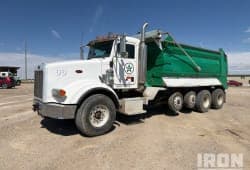
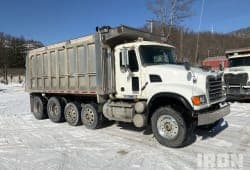
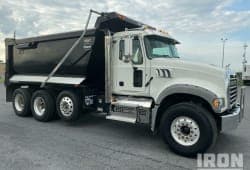
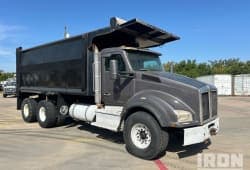
A dump truck is a heavy-duty vehicle designed to transport and unload loose materials such as soil, sand, gravel, rock, demolition debris, and other bulk materials. Most dump trucks use a hydraulic lifting system to raise the dump body and discharge its load.
Related Equipment
Browse all Dump trucks
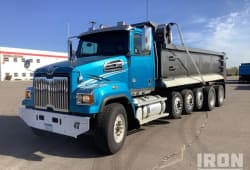

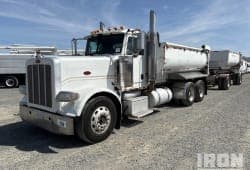
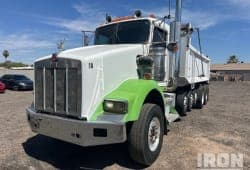
Dump trucks vary widely in size, configuration, payload capacity, and operating environment, from road-going construction trucks to articulated and off-highway haul trucks.
Dump Truck Basics

Construction Trucks: The Backbone of Heavy-duty Operations
Dump trucks, often categorized as construction trucks, are the backbone of heavy-duty operations in construction and other industries. These robust vehicles are designed to transport large quantities of materials efficiently, making them an integral part of any construction site. With their sturdy build and powerful engines, dump trucks play a crucial role in hauling and depositing materials, enhancing the overall efficiency of construction projects. Their versatility and capacity make them indispensable for handling diverse materials, contributing significantly to the success of heavy-duty operations in the construction sector and beyond.
Earthmoving Equipment: Dump Trucks in Action
Dump trucks fall under the broader category of earthmoving equipment. Their primary function is to move, haul, and transport materials such as soil, gravel, sand, and debris within construction sites. This makes them essential for reshaping landscapes and executing various construction tasks. Dump trucks are a common sight on construction sites worldwide, efficiently carrying large quantities of materials from one location to another. Their robust design and capacity for heavy loads contribute to the efficiency of construction projects, showcasing the indispensable role these vehicles play in the dynamic and transformative field of earthmoving equipment.
Dump Truck Models: A Diverse Fleet for Every Need
Dump trucks come in a variety of models, each tailored to specific applications. Rigid dump trucks, articulated dump trucks, and off-road trucks are among the common types. Understanding the unique features of each model is crucial for choosing the right one for a particular job. Whether it's the robust stability of rigid dump trucks, the flexibility of articulated ones, or the rugged off-road capabilities, there's a diverse fleet for every need. Navigating through these options ensures optimal performance, efficiency, and safety in diverse construction, mining, and hauling environments.
Dump Truck Specifications: Matching the Right Truck to the Job
Dump truck specifications vary widely based on the model and intended use. Key specifications include load capacity, engine power, transmission type, and tire size. These factors collectively determine the truck's performance and efficiency on the job site. Understanding these specifications is crucial for matching the right dump truck to the specific requirements of a project, ensuring optimal functionality and cost-effectiveness. From smaller capacity trucks suitable for residential construction to heavy-duty models designed for large-scale mining operations, selecting the appropriate specifications ensures that the dump truck aligns seamlessly with the demands of the task at hand.
Exploring the Advantages
Dump Truck Capacity: Maximizing Haulage Efficiency
One of the primary benefits of using dump trucks is their impressive hauling capacity. These heavy-duty vehicles are designed to carry large volumes of materials in a single trip, reducing the need for multiple rounds of transportation. This not only saves time but also enhances overall operational efficiency on construction sites. The ability to transport substantial loads ensures that construction projects can be completed with fewer interruptions, streamlining workflows and optimizing resource utilization. In essence, dump truck capacity plays a pivotal role in maximizing haulage efficiency, contributing to the smooth execution of construction tasks.
Dump Truck Applications: Versatility Unleashed
Dump trucks find applications in a wide range of industries beyond construction. From mining operations to agriculture and landscaping, these versatile vehicles are adaptable to diverse environments. Their ability to navigate challenging terrains makes them indispensable for various heavy-duty tasks. In mining, dump trucks efficiently transport extracted materials, while in agriculture, they aid in moving bulk commodities. Additionally, dump trucks play a vital role in landscaping by transporting and distributing soil, gravel, and other materials. Their versatility, coupled with robust construction, ensures that dump trucks are indispensable tools across an array of industries.
Dump Truck Uses: A Multifaceted Approach
Dump trucks are indispensable in various industries, showcasing a multifaceted approach in their applications. Their uses are as diverse as the materials they transport. These robust vehicles are commonly employed for hauling dirt, rocks, sand, gravel, and construction debris, ensuring efficient and timely disposal. In agricultural settings, dump trucks play a crucial role in facilitating the transportation of crops, fertilizers, and other essential farming materials. Their adaptability and rugged design make them a versatile asset across construction sites, farms, and other sectors, contributing significantly to the seamless movement of materials and resources.
Dump Truck Technology: Driving Efficiency and Safety
In recent years, advancements in dump truck technology have revolutionized the industry. Modern trucks are equipped with state-of-the-art features such as GPS tracking, automated dumping systems, and advanced safety controls. These technological enhancements not only boost efficiency but also contribute significantly to overall job site safety. The integration of GPS tracking ensures precise navigation and optimized route planning, reducing fuel consumption and enhancing operational efficiency. Moreover, automated dumping systems streamline the unloading process, saving time and minimizing manual labor. The advanced safety controls play a pivotal role in preventing accidents, and creating a safer work environment for operators and those around construction sites.
Dump Truck Features: Tailored for Performance
Dump trucks are equipped with features that enhance their performance and durability. Features like heavy-duty suspensions, reinforced frames, and specialized tires enable these trucks to operate in challenging terrains and adverse conditions. Additionally, advanced braking systems contribute to overall safety during transportation. Tailored for performance, these trucks boast innovative design elements such as powerful engines, efficient load distribution, and intuitive controls, ensuring optimal functionality. Whether navigating construction sites or hauling materials across rugged landscapes, dump trucks are meticulously crafted to deliver peak performance and reliability in demanding environments.
Ensuring Safety and Efficiency
Dump Truck Safety: Prioritizing Worksite Well-being
Safety is a paramount concern in construction and earthmoving operations. Dump trucks, integral to these tasks, are equipped with advanced safety features. Rear view cameras, blind-spot detection, and stability control systems are integrated to mitigate the risk of accidents on worksites. Prioritizing worksite well-being involves not only advanced technology but also proper training for operators. Ensuring that operators are well-versed in utilizing these safety features is crucial, contributing to a work environment that is both secure and efficient. It is imperative to continuously prioritize safety measures to safeguard personnel and maintain the integrity of construction operations.
Haulage Vehicles: The Safety Nexus
Dump trucks, as haulage vehicles, play a pivotal role in the safe transport of materials. Their design includes features that enhance stability during loading and unloading, reducing the likelihood of accidents. Rigorous maintenance schedules further contribute to the safety and longevity of these heavy-duty trucks. The safety nexus of haulage vehicles extends beyond design and maintenance to encompass driver training and adherence to safety protocols. A comprehensive approach, combining technological advancements and human factors, ensures a secure transportation environment, safeguarding both cargo and road users from potential hazards associated with haulage operations.
Making Informed Choices
Dump Truck Innovations: Paving the Way for Progress
Innovation is a driving force in the evolution of dump trucks. Electric dump trucks, for example, are emerging as eco-friendly alternatives with reduced emissions. Autonomous dump trucks equipped with advanced AI technology are also on the horizon, promising increased efficiency and reduced labor requirements. These technological strides not only redefine the environmental impact of dump trucks but also revolutionize the efficiency and safety of operations. As the industry embraces these advancements, dump truck innovations stand as a testament to the relentless pursuit of progress in the construction and transportation sectors.
Types of Dump Trucks: Choosing the Right Fit
Understanding the types of dump trucks is essential for making informed decisions. Rigid dump trucks are known for their durability, while articulated dump trucks offer superior maneuverability. Off-road trucks, designed for challenging terrains, are indispensable for mining and forestry operations. Each type has its unique features, making it crucial to choose the right fit for specific tasks. Whether you prioritize robustness, flexibility, or off-road capability, selecting the appropriate dump truck ensures optimal performance and efficiency in various construction and industrial applications.
Related Equipment
Browse all Dump trucks
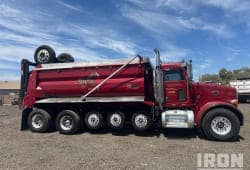
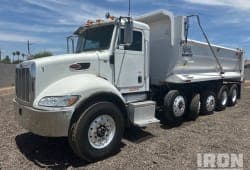
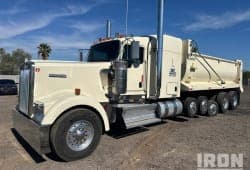
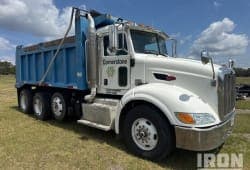
Dump Truck Buying Guide: Navigating the Options
When considering the purchase of a dump truck, a comprehensive buying guide is invaluable. Factors such as load capacity, terrain compatibility, fuel efficiency, and maintenance costs should be carefully evaluated. Choosing the right dump truck for specific job requirements ensures optimal performance and longevity. Navigating the options in the market requires a thorough understanding of these factors. Load capacity is crucial to meet the demands of various projects, while assessing terrain compatibility ensures smooth operation across different environments. Additionally, factoring in fuel efficiency and maintenance costs contributes to cost-effectiveness over the truck's lifespan.
Dump Truck Uses by Industry
Dump trucks are used wherever large quantities of bulk material need to be transported and unloaded efficiently.
Construction: hauling soil, gravel, sand, rock, and demolition debris
Road construction: transporting aggregate, asphalt, and base materials
Mining: moving ore, overburden, and waste rock
Quarrying: hauling blasted rock and aggregates
Landscaping: transporting soil, mulch, gravel, and other materials
Utilities: moving excavated material during infrastructure projects
Agriculture: hauling soil, feed, grain, and other bulk materials
Demolition: removing concrete, rubble, and construction waste
Dump Truck Specifications Explained
Key specifications to compare include:
Payload capacity: Maximum rated material weight
Body capacity: Amount of material the dump body can hold
Engine power: Influences hauling performance and gradeability
Operating weight: Machine weight in working configuration
Drive configuration: Affects traction and terrain capability
Transmission: Influences acceleration, shifting, and hauling performance
Dump angle: Determines how effectively material can be discharged
Turning radius: Important for confined jobsites
Brake and axle ratings: Important for safe operation and load management
Always compare specifications for the exact model, configuration, and operating conditions rather than relying on a general equipment class.
For example, Caterpillar lists the current 725 articulated truck at 24-tonne rated payload and the 735 at 32 tonnes, illustrating how significantly capacity varies between models.
Dump Truck Payload & Capacity
Payload capacity is the maximum material weight a truck is designed to carry within its rated operating limits. Body volume and payload are not the same thing.
A truck can have enough body volume to hold a material but still reach its weight limit before the body is full. Material density therefore matters when determining the appropriate truck.
When comparing capacity, consider:
Rated payload
Body volume
Material density
Axle and tire ratings
Haul-road conditions
Legal weight limits
Loading equipment
Jobsite terrain
For example, Caterpillar's 725 has a 24-tonne rated payload and a 15 m heaped body capacity, showing why both weight and volume should be considered when matching a truck to the job.
How Much Does a Dump Truck Cost?
Dump truck prices vary significantly based on size, manufacturer, model, age, hours or mileage, condition, configuration, attachments, and market demand.
When calculating the real cost of ownership, consider:
Purchase price
Fuel
Maintenance
Repairs
Tires
Insurance
Transportation
Registration and operating costs
Resale value
Expected downtime
For used equipment, a lower purchase price does not necessarily mean a lower total cost of ownership. Condition, service history, remaining component life, and repair requirements can substantially affect the final cost.
Dump Truck FAQs
What is a dump truck used for?
Dump trucks transport and unload bulk materials such as soil, gravel, sand, rock, and construction debris.
What are the main types of dump trucks?
Common types include standard, tandem-axle, transfer, side dump, articulated, off-highway, and rigid dump trucks.
How much can a dump truck carry?
Payload varies by model and configuration. Always use the manufacturer's rated payload rather than estimating capacity from body size alone.
What is the difference between a dump truck and a haul truck?
Dump trucks are commonly used for general construction and material hauling, while haul trucks are generally designed for high-volume off-highway operations such as mining and quarrying.
Is a used dump truck worth buying?
A used dump truck can be a practical option when its specifications, condition, service history, and expected operating costs fit the application.
What should I check when buying a used dump truck?
Inspect the engine, drivetrain, hydraulics, dump body, frame, tires, brakes, electrical systems, service records, and overall structural condition.
How do I choose the right dump truck?
Match the truck's payload, body capacity, drivetrain, terrain capability, dimensions, and operating costs to the material and job requirements.
Conclusion
In conclusion, the benefits of using dump trucks extend far beyond their capacity for hauling materials. These heavy-duty vehicles are the lifeline of construction sites and various industries, offering versatility, efficiency, and safety. Their indispensable role in transporting diverse materials, from aggregates to waste, underscores their significance in modern construction and infrastructure development. As technology continues to propel the industry forward, dump trucks will undoubtedly remain at the forefront of earthmoving equipment, shaping the landscapes of tomorrow. Whether it's the innovative features, diverse applications, or safety considerations, dump trucks continue to prove their worth as indispensable assets in the world of heavy-duty operations. Their enduring impact on efficiency and productivity solidifies their place as essential components in the construction and industrial sectors.