The Complete Guide to Construction Cleaning: Phases, Equipment & Rates
6 Min read
&w=3840&q=75)

April 23, 2025
Construction cleaning is a vital final step in any building project, whether it’s a residential home, commercial office, or industrial facility. After the heavy lifting is done, literally, the site needs to be cleaned and polished before anyone can safely move in or use the space. In this guide, we'll break down everything you need to know about construction cleaning, including its phases, materials, rates, and what makes it different from regular cleaning.
What is Construction Cleaning?
Construction cleaning refers to the specialized process of removing dust, debris, and construction waste from a newly built or renovated site. Unlike typical janitorial services, it often involves the use of heavy-duty cleaning equipment, safety gear, and a strategic multi-phase approach.
Related Equipment
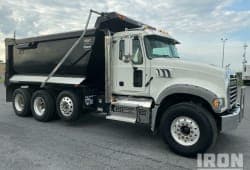
Browse all Dump trucks
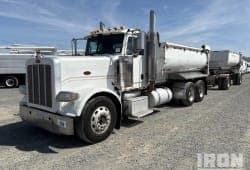
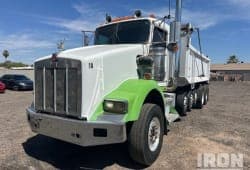
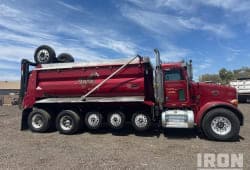
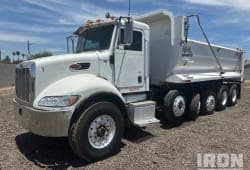
It's not just about making the space look good-proper cleaning helps prevent accidents, protects HVAC systems from dust clogging, and ensures the building is truly ready for occupancy or final inspection.
What Are the Phases of Construction Cleaning?
Construction cleaning typically includes rough cleaning, final cleaning, and touch-up cleaning to prepare a completed project for inspection and occupancy.
Why Is Construction Cleaning Important?
Construction cleaning improves safety, supports inspections, enhances project presentation, and helps prepare buildings for occupancy.
Real-World Construction Cleaning Experience
This guide includes insights from construction contractors, project managers, cleaning specialists, facility turnover teams, and site supervisors experienced in:
commercial building turnover
residential construction cleanup
post-renovation cleaning
final project inspections
debris management
construction closeout workflows
Experienced contractors understand that construction cleaning is more than appearance-it directly impacts safety, inspections, occupancy readiness, and client satisfaction.
Why Construction Cleaning is Crucial on Job Sites
%3Aformat(webp)&w=1920&q=75)
Construction zones generate unique messes-concrete dust, drywall particles, paint splatters, adhesives, and heavy equipment residue. Left untreated, these materials can be hazardous. Proper post-construction cleaning:
Improves job site safety
Prevents damage to finishes and fixtures
Ensures OSHA compliance
Prepares for client walkthroughs or inspections
In commercial and industrial settings, this process often includes cleaning around large machinery and clearing out materials that could cause injury or fire hazards.
Types of Construction Cleaning
There are generally three main types of construction cleaning, each performed at a different stage of the building process:
1. Rough Cleaning
Happens during or just after construction is complete
Removes bulk debris, leftover materials, and dust
Focuses on larger, more visible messes
2. Final Cleaning
A deep clean to prepare the building for turnover
Includes detailed work on baseboards, flooring, glass, cabinetry, and fixtures
Prepares the space for occupancy
3. Touch-Up Cleaning
Occurs days after the final clean
Addresses dust that has resettled or final marks from last-minute work or foot traffic
Phases of Construction Cleaning
Understanding the phases of construction cleaning helps in planning the right crew, equipment, and budget.
Phase 1: Rough Clean
Removal of large debris and construction waste
Cleaning in and around heavy machinery or tools
Sweeping, vacuuming, and disposal of sharp or hazardous materials
Phase 2: Final Clean
Window washing (interior & exterior)
Polishing stainless steel, mirrors, and hardware
Deep cleaning floors, walls, tiles, and grout
Addressing residue from adhesives, paint, and construction dust
Phase 3: Touch-Up Clean
Re-wipe surfaces due to dust settling
Smudge and streak removal on glass or mirrors
Floor spot cleaning from ongoing worker traffic
Post Construction Cleaning Checklist
%3Aformat(webp)&w=1920&q=75)
Every site is different, but a solid checklist ensures nothing is missed:
Remove all trash, labels, and protective film
Clean all windows, sills, and tracks
Vacuum all carpets and clean hard flooring
Dust ceilings, fans, light fixtures
Sanitize bathrooms and kitchens
Clean HVAC vents and grilles
Pressure wash exterior surfaces (if applicable)
Final polish on mirrors, faucets, and chrome
Spot-clean around machinery and loading areas
Post Construction Cleaning Materials & Equipment
You can’t clean a construction site with a feather duster. Here's what professionals use:
Common Supplies:
Industrial-strength cleaners and degreasers
Microfiber cloths
Related Equipment
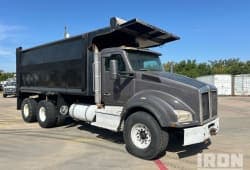
Browse all Dump trucks


Extension poles, ladders, and scaffolding
Trash bags, buckets, mops, and squeegees
Heavy-Duty Equipment:
HEPA-filter vacuums to handle fine dust
Auto scrubbers for large floor spaces
Pressure washers for exteriors and machinery zones
Lift equipment for high-ceiling and multi-story cleaning
PPE & Safety:
Hard hats, gloves, goggles, steel-toe boots
Respirators for dealing with dust or fumes
Post Construction Cleaning Rates
Wondering how much it costs? Post-construction cleaning rates vary depending on:
Size of the site (square footage)
Type of construction (residential, commercial, industrial)
Amount of debris or hazardous materials
Complexity (e.g., multi-level buildings, window cleaning, machinery zones)
Average Rate Estimates:
Residential cleaning: $0.10-$0.50/sq ft
Commercial cleaning: $0.15-$0.75/sq ft
Industrial cleaning: Higher due to heavy equipment and safety compliance
Pro tip: Always request a site visit to get an accurate quote.
Construction Cleaning Cost Breakdown
%3Aformat(webp)&w=1920&q=75) Projects with multiple floors, extensive glazing, or high-end finishes often require significantly more detailed cleaning.
Projects with multiple floors, extensive glazing, or high-end finishes often require significantly more detailed cleaning.
Commercial vs Residential Construction Cleaning
Commercial and residential construction cleaning projects have significantly different requirements.
%3Aformat(webp)&w=1920&q=75)
Equipment Used for Construction Site Cleanup
Large construction cleanup projects often require specialized equipment to improve productivity and reduce labor requirements.
Common Cleanup Equipment
Skid Steers
Used for:
debris removal
dumpster loading
material handling
Compact Track Loaders
Used for:
rough site cleanup
moving construction waste
Final site preparation
Dump Trailers
Used for:
hauling debris
transporting waste materials
Industrial Vacuums
Used for:
dust removal
interior cleanup
fine particle collection
Sweepers & Scrubbers
Used for:
parking lots
warehouse floors
commercial spaces
Reliable cleanup equipment helps contractors reduce labor costs and accelerate project completion.
Choosing the Right Construction Cleaning Company
Here’s what to look for when hiring a cleaning crew:
Experience with job site safety and large-scale projects
Licensed, bonded, and insured
Equipped with OSHA-compliant safety training
Transparent pricing and checklists
Proven track record in post-construction cleaning
Frequently Asked Questions About Construction Cleaning
What is construction cleaning?
Construction cleaning involves removing debris, dust, and construction residue to prepare a building for occupancy.
How much does construction cleaning cost?
Costs depend on project size, debris volume, cleaning requirements, and property type.
What is the difference between rough cleaning and final cleaning?
Rough cleaning removes major debris during construction, while final cleaning prepares the property for occupancy.
What equipment is used for construction site cleanup?
Common equipment includes skid steers, compact track loaders, industrial vacuums, floor scrubbers, and dump trailers.
Why is post-construction cleaning important?
It improves safety, supports inspections, enhances presentation, and helps prepare buildings for occupancy.
Is commercial construction cleaning different from residential cleaning?
Yes. Commercial projects typically involve larger spaces, more debris, stricter cleaning standards, and specialized equipment.
Final Thoughts
Construction cleaning is more than just a final step-it's a critical part of the build process. Whether you're finishing a residential remodel or wrapping up a massive industrial project, professional cleaning ensures your site is safe, presentable, and move-in ready.
Need a reliable crew for your next build? Contact us today for a free quote or site walkthrough.
Post acquisition of Boom & Bucket, the company he founded, Adam now leads Marketplace Growth for Ritchie Bros.