Data Center Construction Management: Best Practices
6 Min read
&w=3840&q=75)

July 13, 2026
As demand for cloud computing, artificial intelligence (AI), and digital infrastructure continues to grow, data center construction management has become one of the most specialized areas of the construction industry. Building a modern data center requires careful planning, strict quality control, reliable scheduling, and close coordination among owners, contractors, engineers, equipment suppliers, and utility providers.
From site selection and power infrastructure to commissioning and long-term maintenance, every phase must be carefully managed to ensure maximum uptime, energy efficiency, and operational reliability. This guide explores the data center construction management process, key project phases, best practices, common challenges, and the role of heavy equipment in delivering high-performance facilities.
What Is Data Center Construction Management?
Data center construction management is the process of planning, coordinating, and supervising the design and construction of facilities that support servers, networking equipment, cooling systems, and critical power infrastructure.


Why Is Data Center Construction Different?
Data centers require specialized electrical, cooling, security, and redundancy systems that demand higher construction precision than traditional commercial buildings.
What Equipment Is Used in Data Center Construction?
Common equipment includes excavators, bulldozers, cranes, wheel loaders, telehandlers, compactors, motor graders, and temporary power generators.
Why Is Commissioning Important for Data Centers?
Commissioning verifies that electrical, cooling, mechanical, and backup systems operate safely and reliably before the facility becomes operational.
Real-World Data Center Construction Management Experience
Successful data center construction management requires careful planning, precise coordination, and strict quality control. Experienced project teams work closely with owners, engineers, subcontractors, and suppliers to manage complex power, cooling, and MEP systems while keeping projects on schedule. Through early planning, proactive risk management, and thorough commissioning, contractors can deliver reliable, high-performance data centers that meet today's demanding operational standards.
What Is Data Center Construction Management?
Data center construction management is the process of planning, coordinating, executing, and overseeing the construction of facilities that house servers, networking equipment, cooling systems, electrical infrastructure, and backup power systems.
Unlike traditional commercial buildings, data centers demand exceptional precision because they support mission-critical operations that require continuous availability and strict environmental controls.
Why Effective Data Center Construction Management Matters
%3Aformat(webp)&w=1920&q=75)
Successful management directly impacts project quality, operational performance, and long-term return on investment.
Key benefits include:
Improved schedule reliability
Better cost control
Reduced project risks
Higher construction quality
Increased system reliability
Better energy efficiency
Faster commissioning
Easier facility maintenance
Effective project management also helps owners meet demanding performance, security, and compliance requirements.
Data Center Construction Lifecycle
Managing a data center project requires careful coordination across every construction phase.
Typical Project Lifecycle
Site selection and feasibility study
Project planning and design
Permitting and regulatory approvals
Site preparation and earthwork
Structural construction
Mechanical, electrical, and plumbing (MEP) installation
Cooling and power system installation
Commissioning and operational handover
Following a structured lifecycle minimizes delays and improves project execution.
Site Selection and Infrastructure Planning
Choosing the right location is one of the most important decisions in any data center project.
Factors to evaluate include:
Reliable utility power
Fiber network availability
Flood and seismic risks
Climate conditions
Land availability
Transportation access
Local regulations
Future expansion opportunities
Proper site planning reduces operational risks while supporting future growth.
Power and Cooling System Coordination
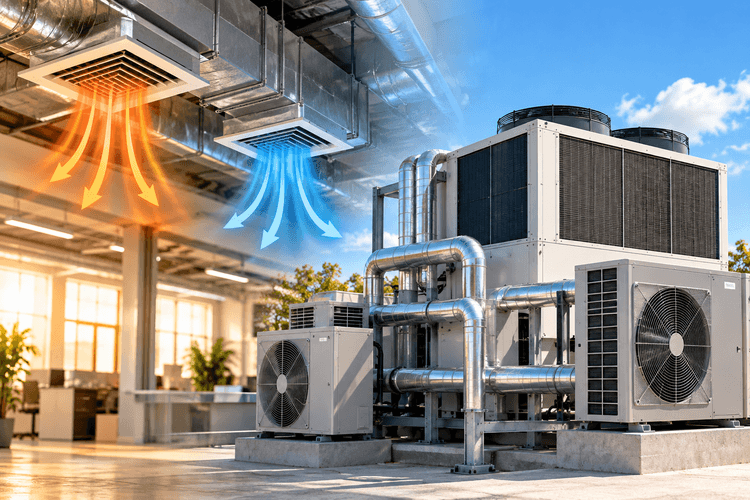
Power and cooling systems are the backbone of every modern data center.
Construction managers must coordinate installation of:
Utility connections
Backup generators
UPS systems
Switchgear
Chillers
Cooling towers
CRAC/CRAH units
Power distribution equipment
Close coordination helps maintain installation quality while reducing commissioning delays.
Project Scheduling and Trade Coordination
Data center projects involve numerous specialized contractors working simultaneously.
Effective scheduling includes:
Critical Path Method (CPM)
Pull planning
Weekly coordination meetings
Material delivery planning
Milestone tracking
Constraint management
Strong coordination reduces rework and keeps complex installations on schedule.
Quality Control and Commissioning
Quality assurance is essential because even minor installation errors can affect facility reliability.
Quality control activities include:
Installation inspections
Electrical testing
Mechanical system verification
Cooling performance testing
Integrated systems testing
Documentation review


Comprehensive commissioning ensures every building system performs as designed before operations begin.
Heavy Equipment Used in Data Center Construction
Heavy equipment plays an important role throughout site preparation and structural construction.
%3Aformat(webp)&w=1920&q=75) Selecting reliable equipment helps maintain productivity and minimize downtime throughout construction.
Selecting reliable equipment helps maintain productivity and minimize downtime throughout construction.
Construction Risk Management
Large-scale data center projects require proactive risk management throughout construction.
Common risks include:
Utility delays
Equipment shortages
Long-lead materials
Weather disruptions
Labor shortages
Design changes
Supply chain issues
Commissioning delays
Regular risk assessments improve project predictability and reduce costly disruptions.
Digital Construction Management Tools
Modern technology helps improve collaboration, scheduling, and project visibility.
Popular digital tools support:
BIM coordination
Drone progress monitoring
Digital inspections
Document management
Schedule tracking
Cost management
Quality reporting
Field communication
Digital platforms improve decision-making while reducing manual administrative work.
Sustainability and Energy Efficiency
Today's data centers prioritize sustainability without sacrificing reliability.
Best practices include:
Renewable energy integration
Water conservation strategies
Intelligent energy monitoring
Efficient electrical distribution
Sustainable construction materials
These improvements reduce operating costs while supporting environmental goals.
Common Data Center Construction Challenges
Managing mission-critical facilities presents unique challenges.
Common issues include:
Tight construction schedules
Complex MEP coordination
Long equipment lead times
Strict commissioning requirements
Utility coordination
Skilled labor shortages
Maintaining quality standards
Early planning and collaboration help minimize these risks.
Best Practices for Successful Data Center Construction Management
Construction managers can improve project success by following proven strategies:
Start procurement early for long-lead equipment.
Coordinate contractors through weekly planning meetings.
Monitor project milestones continuously.
Implement rigorous quality assurance procedures.
Use BIM to improve clash detection.
Maintain detailed commissioning documentation.
Track project risks proactively.
Communicate consistently with all stakeholders.
These practices improve schedule reliability while delivering higher-quality facilities.
Frequently Asked Questions (FAQs)
What is data center construction management?
It involves planning, coordinating, and supervising the construction of mission-critical facilities that support IT infrastructure.
What are the phases of data center construction?
Typical phases include planning, design, permitting, site preparation, structural construction, MEP installation, commissioning, and project handover.
Why is commissioning important?
Commissioning confirms that all building systems perform as designed before operations begin.
What are the biggest challenges in data center construction?
Long-lead equipment, complex MEP coordination, strict quality standards, utility requirements, and tight project schedules are common challenges.
What heavy equipment is used to build data centers?
Excavators, bulldozers, cranes, telehandlers, loaders, compactors, and graders are commonly used throughout construction.
How does BIM improve data center construction?
BIM improves coordination, reduces clashes, enhances planning, and supports more efficient project execution.
What makes data center projects unique?
They require continuous power, redundant systems, specialized cooling, and extremely high reliability.
How can contractors improve project success?
Early procurement, proactive risk management, quality control, digital project management, and effective communication all contribute to successful outcomes.
Conclusion
Successful data center construction management depends on strategic planning, effective coordination, and rigorous quality control from start to finish. By following proven best practices, leveraging digital tools, and maintaining strong collaboration among project stakeholders, contractors can reduce risks, improve efficiency, and deliver reliable, high-performance data centers. With the right planning and equipment, every project is better positioned for long-term operational success.
Need dependable equipment for your next infrastructure project? Explore Boom & Bucket's selection of quality used heavy equipment to keep your data center construction project on schedule and within budget.




David Baca is an Inside Sales Lead at Boom & Bucket, where he helps modernize how heavy equipment is bought and sold. Based in Austin, he blends over a decade of sales experience with a strong technical background, bringing a sharp, customer-first mindset to every deal. With experience spanning software engineering, finance, and real estate, David is known for removing friction, building trust fast, and finishing strong. He's fluent in English and Spanish, detail-obsessed, and a big believer that good work should still leave room for laughter.