Discover the Best Dozers for Sale to Suit Your Needs
8 Min read


June 20, 2023
Looking for dozers for sale? The right bulldozer can help your business move earth efficiently, prepare construction sites, clear land, and handle demanding grading work. Whether you're a construction contractor, land developer, mining operator, or agricultural business owner, choosing the right dozer starts with understanding your project requirements.
Bulldozers come in different sizes and configurations, from compact machines for residential projects to heavy-duty crawler dozers for large earthmoving operations. Engine power, operating weight, blade design, undercarriage condition, and technology all influence performance and operating costs.
This guide explains how to choose a dozer, compare popular types and brands, evaluate used equipment, and find a machine that fits your workload and budget.
What Is a Bulldozer?

Related Equipment
Browse all Bulldozers

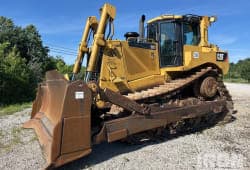
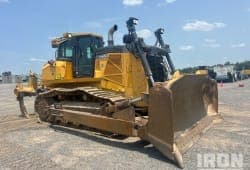
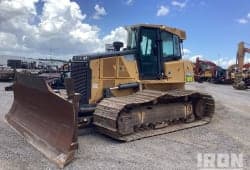
A bulldozer, commonly called a dozer, is a heavy machine equipped with a front blade for pushing soil, gravel, debris, and other materials. Many dozers also use a rear ripper to break up compacted ground or hard material before moving it.
Dozers are widely used in construction, roadbuilding, mining, forestry, agriculture, and land development. Their ability to push material and work across challenging terrain makes them valuable for site preparation and large-scale earthmoving.
The best dozer for your business depends on the volume of material you need to move, the terrain, required grading accuracy, and the number of hours the machine will operate.
1. Identify Your Project Requirements
Before comparing bulldozers for sale, define the jobs the machine will perform most often.
For large construction projects, you may need a heavier crawler dozer with substantial pushing power. For residential development, landscaping, or work in restricted areas, a compact dozer may be more practical.
Consider these factors:
Material type: Loose soil, clay, gravel, rock, and mixed debris create different demands.
Terrain: Slopes, soft ground, rocky surfaces, and confined work areas affect machine selection.
Workload: Estimate how much material you need to move and how frequently the dozer will operate.
Precision: Fine grading may benefit from suitable machine-control technology.
Budget: Include purchase price, fuel, maintenance, transportation, and potential repairs.
Matching the machine to your daily workload helps avoid paying for unnecessary capacity or buying equipment that struggles to complete the job.
2. Compare the Main Types of Dozers
Different dozer configurations offer different advantages. Understanding these differences makes it easier to narrow your search.
Crawler Dozers
Crawler dozers use tracks to distribute machine weight across a larger contact area. They are widely used for construction, earthmoving, site preparation, and demanding terrain.
Their traction makes them suitable for many uneven or loose-ground applications. However, undercarriage wear can be a significant maintenance expense, particularly on machines that operate on abrasive surfaces.
Wheel Dozers
Wheel dozers use large tires instead of tracks. They can be useful for material handling, cleanup, and pushing work on suitable firm surfaces where mobility is important.
Tires may allow faster travel than tracks in appropriate conditions, but wheel dozers are not automatically the best choice for every hard surface or jobsite. Evaluate traction, surface conditions, and the specific machine's intended application.
Compact Dozers
Compact dozers are designed for smaller jobsites, residential construction, landscaping, and other applications where maneuverability matters.
Their smaller footprint can make them easier to position in restricted spaces. However, buyers should verify that the machine has enough weight, blade capacity, and traction for the intended workload.
Low-Ground-Pressure and Specialized Dozers
Low-ground-pressure configurations are designed to distribute weight over a larger area, helping machines work in suitable soft-ground conditions. Specialized dozers may also be configured for forestry, land clearing, or other demanding applications.
Check the machine's track configuration and manufacturer's specifications rather than assuming every wide-track dozer is suitable for swampy or saturated ground.
3. Choose the Right Dozer Size and Blade

Machine size affects pushing capacity, maneuverability, transportation requirements, and operating costs.
Horsepower matters, but it should not be the only specification you compare. Operating weight, blade capacity, traction, hydraulic performance, and machine balance also influence productivity.
Blade design is particularly important:
Straight blade (S-blade): Suited to controlled pushing and certain grading tasks.
Universal blade (U-blade): Designed to carry larger volumes of material during suitable pushing applications.
Semi-universal blade (SU-blade): Combines characteristics of straight and universal blades for versatile earthmoving.
Angle blade: Can direct material to the side for applications such as windrowing and ditching, depending on configuration.
Some dozers also support rear rippers, winches, and machine-control systems. Verify compatibility and whether the equipment is included in the asking price.
4. Compare Dozer Options by Application
Use this table as a starting point when comparing machines for sale.

These categories are general guidelines, not fixed size or performance standards. Compare individual machine specifications and the requirements of your project before making a decision.
5. Consider Popular Dozer Brands
Related Equipment
Browse all Bulldozers
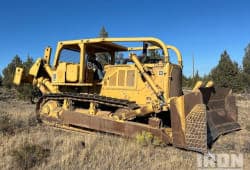
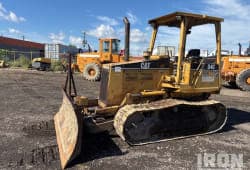
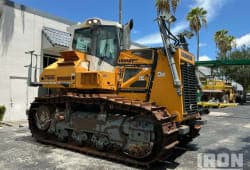
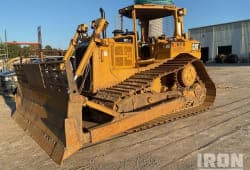
Several manufacturers offer dozers for construction, land development, and heavy earthmoving.
Caterpillar: Models such as the D6 and D9 serve different classes of earthmoving work. Compare their size, blade configuration, operating weight, and technology to determine which fits your project.
Komatsu: The company's dozer lineup includes machines for construction and demanding earthmoving applications. Evaluate model-specific performance, maintenance requirements, and service support.
John Deere: John Deere offers crawler dozers across different operating classes. Buyers should compare individual specifications and available grading technology.
CASE Construction Equipment: CASE dozers may suit contractors seeking machines for construction and land development. Check parts availability, service support, and the configuration of each used unit.
Brand reputation is only one factor. The machine's condition, service history, purchase price, and suitability for the job are equally important when buying used.
6. Inspect a Used Dozer Before Buying
A used dozer can reduce the initial investment, but a careful inspection is essential. Repair costs can quickly outweigh savings if major components are worn or damaged.
Undercarriage: Examine tracks, rollers, idlers, sprockets, track links, and shoes. Undercarriage wear is one of the most important factors affecting crawler-dozer ownership costs.
Engine and cooling system: Look for leaks, unusual noises, excessive smoke, overheating, and warning indicators.
Transmission and final drives: Test machine movement and steering. Investigate unusual noises, leaks, or inconsistent performance.
Blade and hydraulics: Inspect the blade, cutting edges, hydraulic cylinders, hoses, pins, and mounting points for excessive wear or damage.
Frame and structure: Look for cracks, deformation, corrosion, and evidence of poorly executed repairs.
Cab and controls: Check visibility, control response, gauges, seat condition, and installed safety systems.
Service history: Compare recorded hours with available maintenance records, repair invoices, and the machine's overall condition.
When possible, arrange an inspection by a qualified heavy equipment technician. A professional assessment can help identify potential problems before you commit to the purchase.
7. Calculate the Total Cost of Ownership
The advertised price does not represent the full cost of owning a bulldozer.
Budget for fuel, routine servicing, undercarriage wear, repairs, transportation, insurance, attachments, and financing if applicable. Consider whether specialized parts or local service limitations could increase downtime.
Estimate the machine's expected productive hours and the amount of work it can complete. Then compare those benefits with the total ownership cost.
A less expensive dozer may be a poor investment if it requires immediate undercarriage repairs. A more expensive machine with documented maintenance and a configuration suited to your workload may provide better value over time.
Find Your Next Dozer with Boom & Bucket

The best dozer for sale is the one that matches your terrain, workload, budget, and maintenance capabilities. Comparing specifications and inspecting the machine carefully can help you avoid unnecessary expenses and make a more confident purchase.
Boom & Bucket helps buyers explore used heavy equipment and compare available machines.
Ready to find your next bulldozer?
Browse: Explore available machines through Boom & Bucket's equipment marketplace.
Narrow your options: Compare dozer makes, models, years, operating hours, and asking prices.
Evaluate condition: Review available inspection information, maintenance history, and machine specifications.
Plan your purchase: Account for transportation, repairs, attachments, and financing costs.
Take the next step: Review the listing details and follow the available purchase or inquiry process.
For more detailed buying advice, read How to Find the Best Used Bulldozer for Sale.
Frequently Asked Questions
What is the best dozer for construction?
The best dozer depends on the project's size, material, terrain, and grading requirements. Compact machines can suit smaller sites, while mid-size and heavy-duty crawler dozers are better suited to many larger earthmoving applications.
Is buying a used bulldozer worth it?
A used bulldozer can offer value when its condition, maintenance history, specifications, and price align with your workload. Inspect the undercarriage, engine, hydraulics, and drivetrain before purchasing.
What should I check when buying a used dozer?
Prioritize undercarriage wear, engine condition, transmission, final drives, blade, hydraulics, frame, operating hours, and service records. An independent inspection is recommended when practical.
How do I choose the right dozer size?
Start with the amount of material you need to move, terrain, blade requirements, available work space, and transport limitations. Compare horsepower, operating weight, blade capacity, and operating costs.
Which dozer brands should I consider?
Caterpillar, Komatsu, John Deere, and CASE are among the manufacturers worth comparing. Choose based on the individual machine's specifications, condition, price, and local parts and service support.
Final Thoughts
Finding the right dozer for sale requires more than comparing horsepower or purchase prices. Evaluate the machine's type, blade configuration, undercarriage, maintenance history, and expected ownership costs against the work you need to complete.
With careful research and a realistic budget, you can choose a bulldozer that supports productivity and helps your business manage equipment expenses. Explore Boom & Bucket to compare available used heavy equipment and find a machine suited to your next project.


Post acquisition of Boom & Bucket, the company he founded, Adam now leads Marketplace Growth for Ritchie Bros.