1 filtro aplicado

58 resultados encontrados

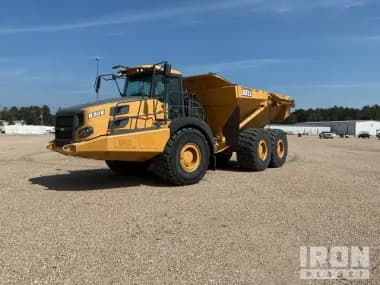
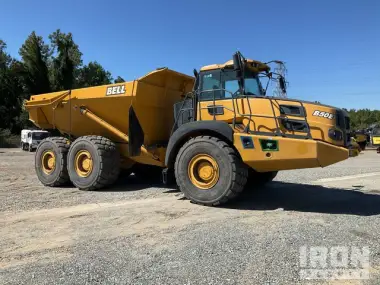
  • 2023 BELL B50E

    2,774 Horas

    $320,000

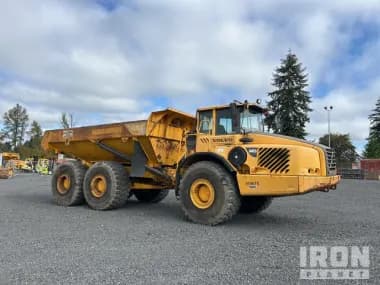
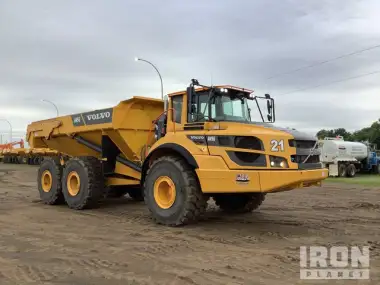
  • 2002 VOLVO A35D

    $115,000

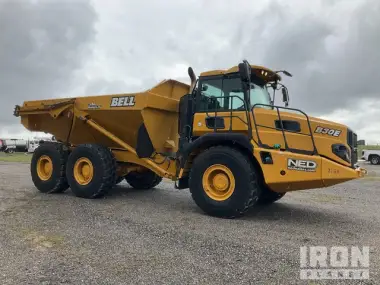
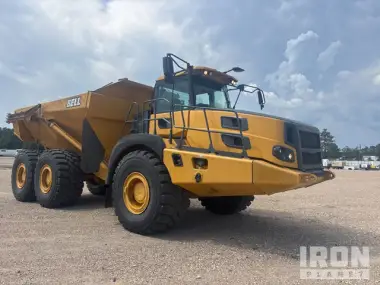
  • 2020 BELL B30E

    6,148 Horas

    $162,000

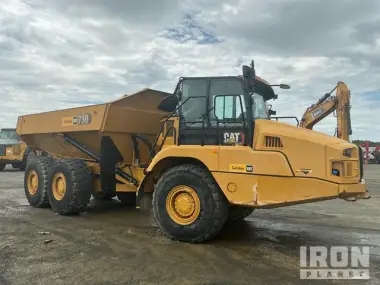
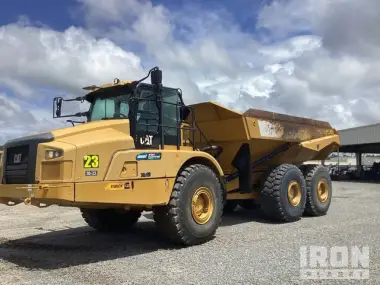
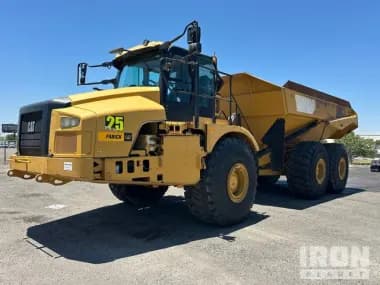
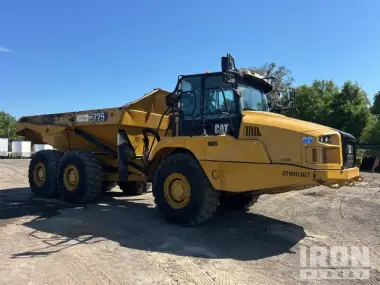
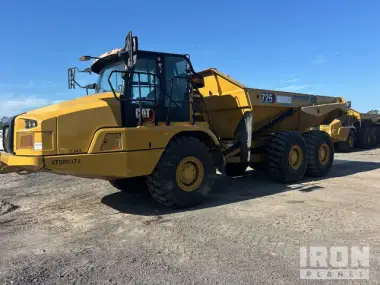
  • 2021 CATERPILLAR 725

    7,378 Horas

    $169,000

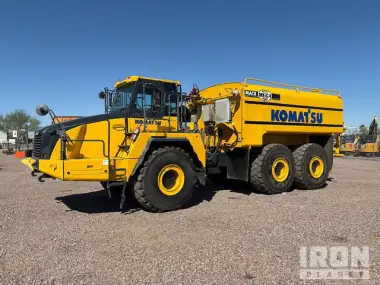
  • 2016 KOMATSU HM400-5

    8,160 Horas

    $250,000

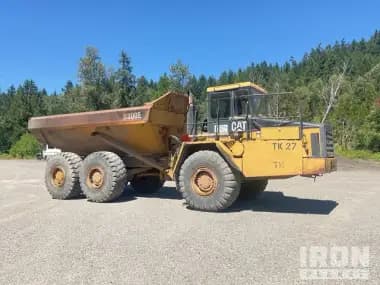
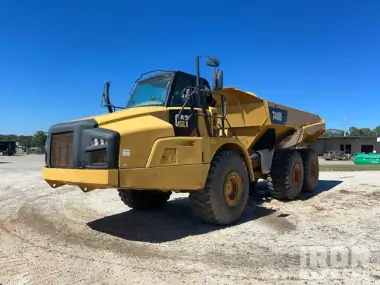
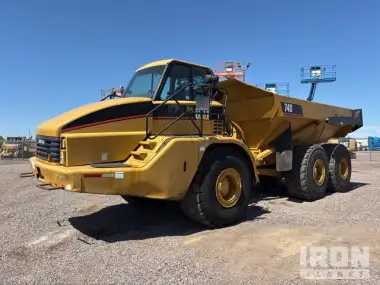
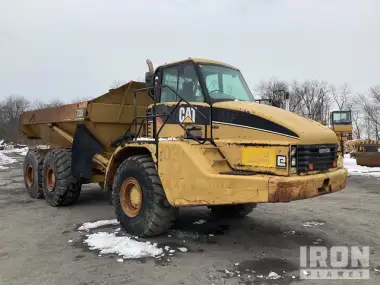
  • 2006 CATERPILLAR 740

    15,911 Horas

    $89,000

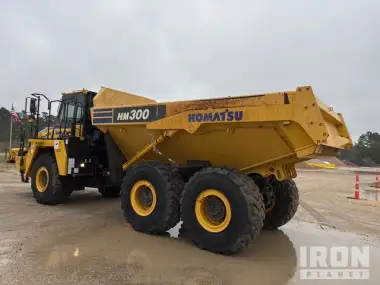
  • 2016 KOMATSU HM300-5

    12,817 Horas

    $85,000

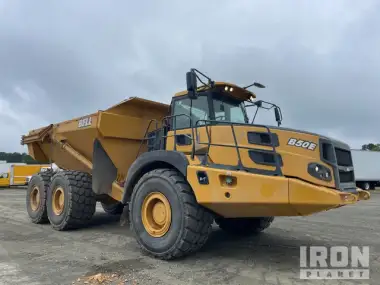
  • 2023 BELL B50E

    3,507 Horas

    $320,000

  • 2021 CATERPILLAR 725

    7,340 Horas

    $169,000

  • 2023 BELL B45E

    5,567 Horas

    $165,000

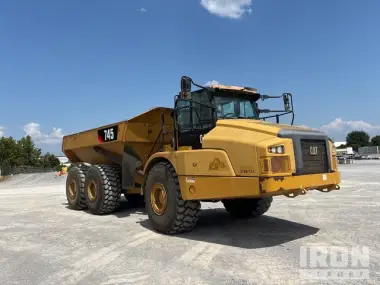
  • 2019 CATERPILLAR 745

    11,995 Horas

    $150,000

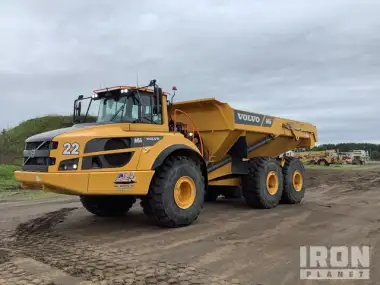
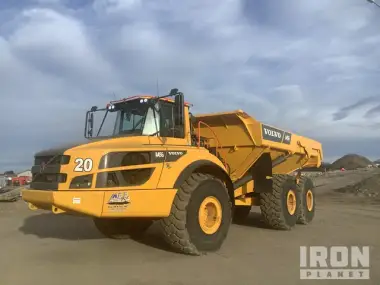
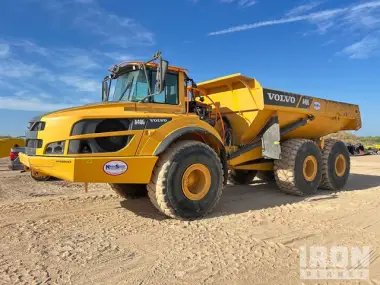
  • 2019 VOLVO A25G

    5,535 Horas

    $155,000

  • 2022 KOMATSU HM400-5

    8,268 Horas

    $210,000

  • 2021 CATERPILLAR 725

    7,109 Horas

    $169,000

  • 2021 CATERPILLAR 725

    7,653 Horas

    $169,000

  • 2019 KOMATSU HM400-5

    8,252 Horas

    $198,000

  • 2022 CATERPILLAR 725

    6,994 Horas

    $169,000

  • 2015 KOMATSU HM300-5

    11,810 Horas

    $85,000

  • 2021 BELL B45E

    6,752 Horas

    $165,000

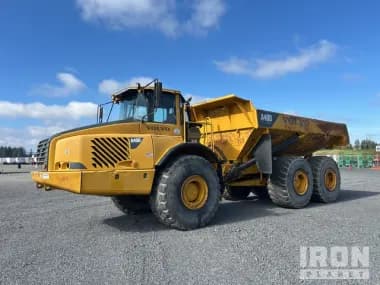
  • 2015 VOLVO A30G

    12,147 Horas

    $45,000

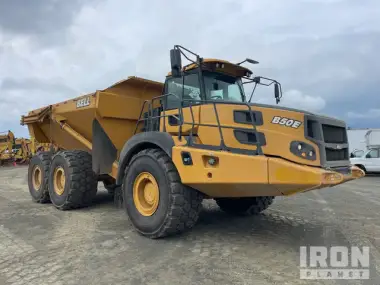
  • 2022 BELL B50E

    3,035 Horas

    $320,000

  • 2022 KOMATSU HM400-5

    7,493 Horas

    $210,000

  • 2014 KOMATSU HM400-3

    $150,000

  • 2022 KOMATSU HM300-5

    877 Horas

    $485,000

  • 2018 CATERPILLAR 745

    5,881 Horas

    $435,000

  • 2016 CATERPILLAR 745C

    6,584 Horas

    $425,000

  • 2013 BELL B35D

    11,617 Horas

    $95,000

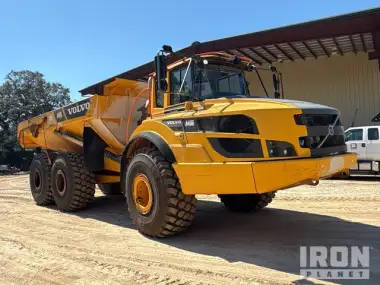
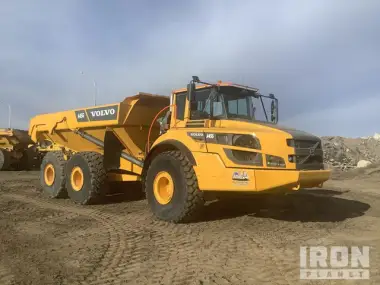
  • 2021 VOLVO A45G

    6,201 Horas

    $365,000

  • 2021 VOLVO A45G

    6,341 Horas

    $300,000

  • 2020 VOLVO A45G

    6,259 Horas

    $300,000

  • 2021 VOLVO A45G

    6,203 Horas

    $365,000

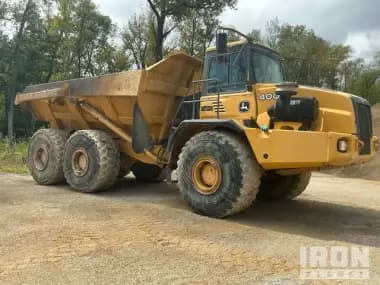
  • 2022 JOHN DEERE 460E Series II

    7,993 Horas

    $170,000

Página 1 de 2

Obtén acceso a nuestras últimas ofertas

Resumen

Un camión articulado es un camión volquete de alta resistencia utilizado para transportar cargas pesadas. La capacidad de tracción a las cuatro ruedas hace de los camiones articulados una gran opción para el transporte de cargas en terrenos difíciles. El nombre "articulado" viene de la reunión de la cabina y el volquete trasero en un punto articulado, controlando la capacidad del camión para pivotar. Por otro lado, los volquetes rígidos, tienen un chasis compuesto de una pieza continua de metal. Los camiones articulados son principalmente usados como volquetes de tierra y agregados, pero el chasis puede facilitar muchas otras aplicaciones incluyendo minería, construcción, e incluso militar. Si necesita maniobrar sobre terrenos accidentados y a veces estrechos, necesita un camión articulado.

Preguntas frecuentes

  • The price of used articulated trucks depends on the model, make, and year. You can find used articulated trucks from $20,000 for early 2000’s models up to $500,000 for a lightly used newer model.

  • Popular brands of used articulated trucks include Caterpillar, John Deere, Volvo, and Komatsu Limited.

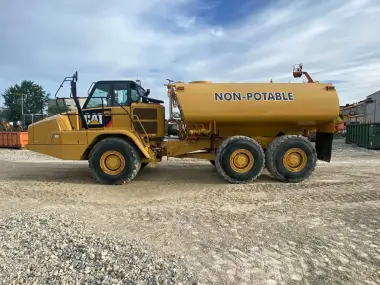
  • Articulated trucks transport heavy loads like soil, aggregate, and water across rugged and hard-to-maneuver terrains.

  • Articulated trucks weigh around 50,000 lbs with an operating rate of up to 165,000 pounds. Most articulated trucks have an operating weight of at least double their empty weight.

  • Articulated trucks rotate at an articulated joint forming a 90-degree angle with the bed joint. Articulated trucks have manual and automatic traction control, retarder control, and dump systems. Always refer to the operator's manual when running new equipment.

  • When buying an articulated truck, it’s important to conduct a full safety inspection. Things to look for include loose fittings, leaks, tire damage, fluid levels, and brake wear.

  • How a used articulated truck compares to a newer model depends on how many hours it's logged and how recently components showing wear were replaced. High wear areas include the hinge joints, brakes, and the engine block.

  • Articulated truck drivers make between $15 and $30/hour.

  • Requirements to become an articulated truck operator vary from state to state, but they may include: At least 20/40 vision with glasses or corrective lenses. A 70-degree field of vision in each eye. A valid driver’s license. Working knowledge of safe operation and vehicle inspection.