1 filtro aplicado

77 resultados encontrados

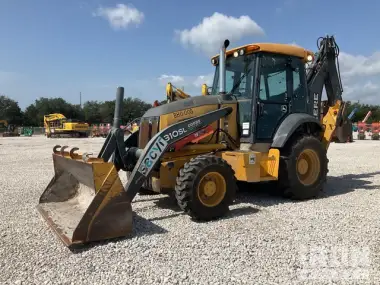
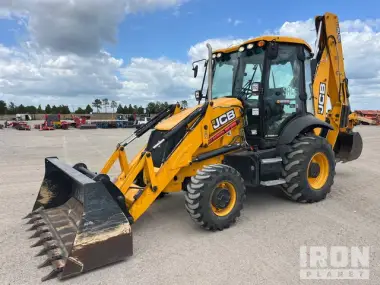
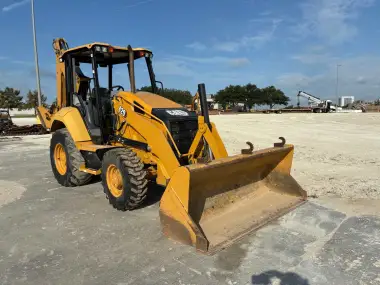
  • 2018 JCB 3CX

    3,176 Horas

    $35,000

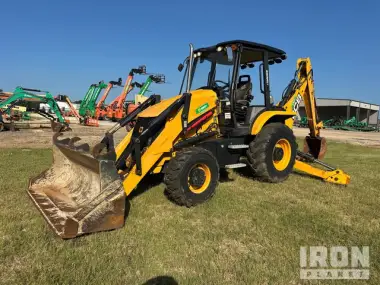
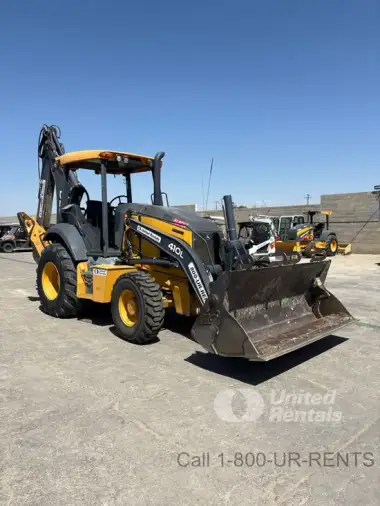
  • 2010 JOHN DEERE 710J

    7,665 Horas

    $32,500

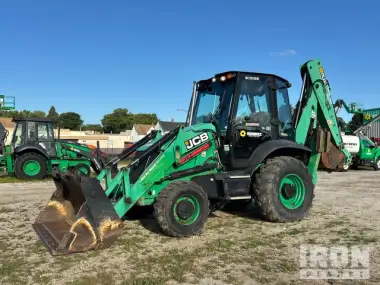
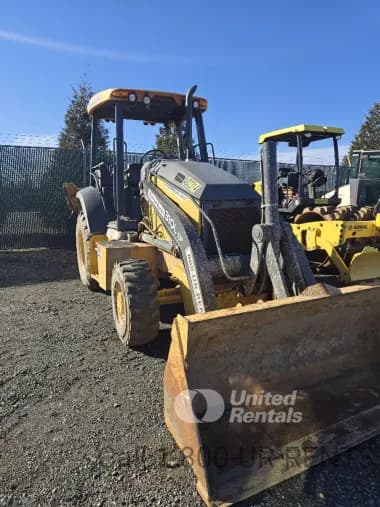
  • 2019 JCB 3CX

    1,710 Horas

    $39,000

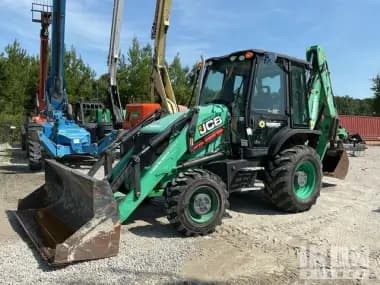
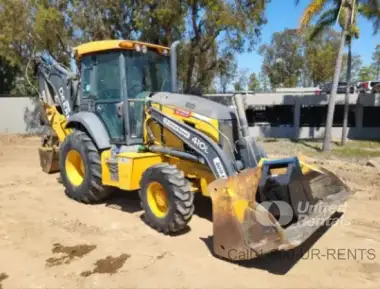
  • 2018 JCB 3CX

    1,931 Horas

    $37,000

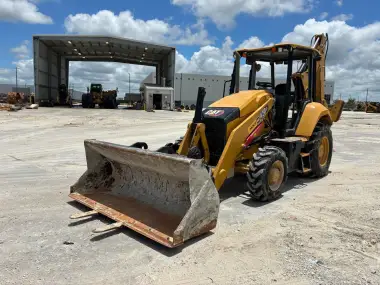
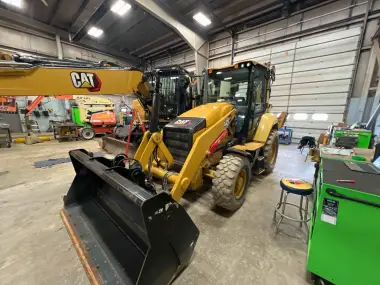
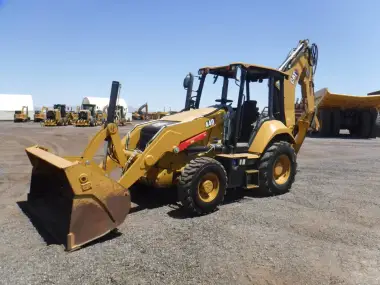
  • 2020 CATERPILLAR 420

    1,547 Horas

    $115,325

  • 2019 JCB 3CX

    2,181 Horas

    $38,000

  • 2018 JCB 3CX

    2,213 Horas

    $37,000

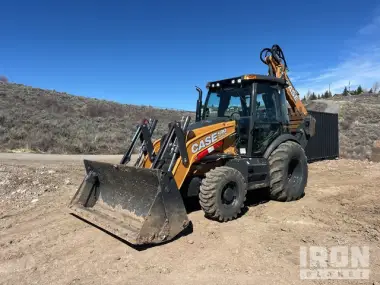
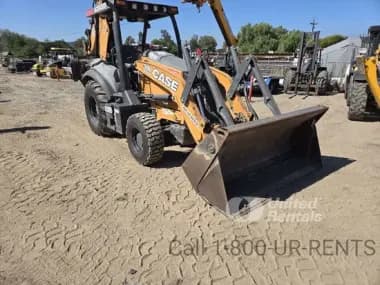
  • 2019 CASE 590SN

    $110,442

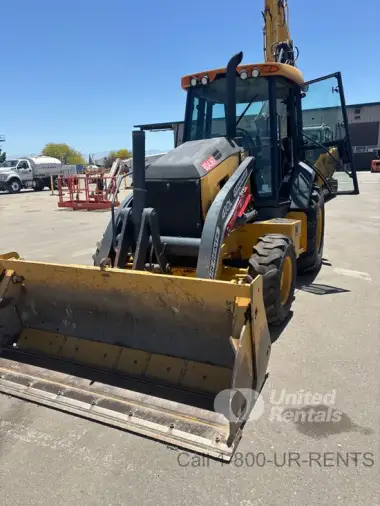
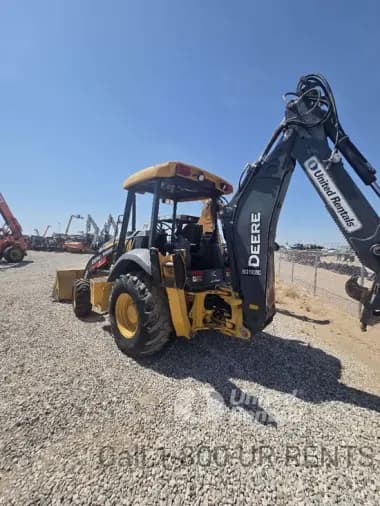
  • 2020 JOHN DEERE 710L

    $112,581

  • 2014 VOLVO BL70B

    1,574 Horas

    $57,750

    $42,500

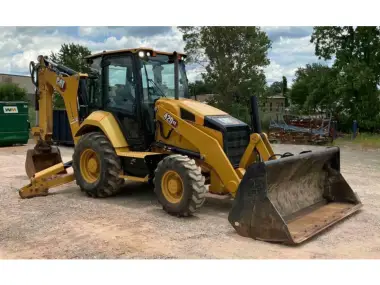
  • 2020 CATERPILLAR 440

    2,759 Horas

    $112,000

  • 2011 CATERPILLAR 450E

    5,503 Horas

    $47,500

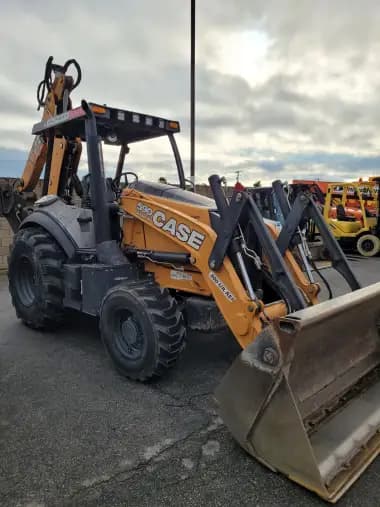
  • 2019 CASE 590SN

    $101,607

  • 2020 JOHN DEERE 710LX

    $115,284

    $112,581

  • 2011 NEW HOLLAND B95B

    2,488 Horas

    $52,000

  • 2020 JOHN DEERE 710L

    $115,284

    $112,581

  • 2020 JOHN DEERE 710L

    $115,284

    $112,581

  • 2004 JOHN DEERE 310SG

    4,454 Horas

    $37,500

  • 2006 VOLVO BL70

    3,650 Horas

    $37,500

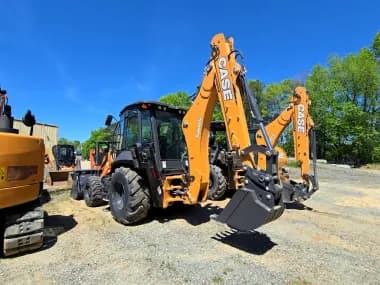
  • 2024 CASE 580SV

    234 Horas

    $109,500

  • 2010 JOHN DEERE 310J

    6,135 Horas

    $32,500

  • 2015 JOHN DEERE 310SL

    $37,500

  • 2007 JOHN DEERE 410J

    139 Horas

    $47,500

  • 2023 CASE 580SV

    547 Horas

    $78,540

    $76,125

  • 2011 HUDDIG 1260-B

    $52,500

  • 1990 FREIGHTLINER UC06NG

    86 Millas

    $42,500

  • 2023 NEW HOLLAND B75D

    230 Horas

    $71,400

  • 2022 JCB 3CX15

    620 Horas

    $93,750

  • 2014 HUDDIG AB 1260C

    399 Horas

    $203,750

  • 2017 CASE 580 SUPER

    3,121 Horas

    $36,000

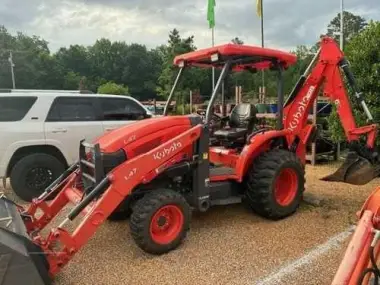
  • 2022 KUBOTA BX23

    116 Horas

    $18,683

  • 2022 KUBOTA BX23SLSB-R-1

    172 Horas

    $19,332

Página 1 de 3

Obtén acceso a nuestras últimas ofertas

Resumen

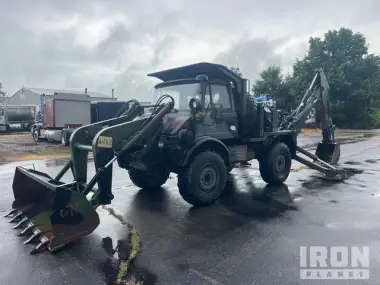
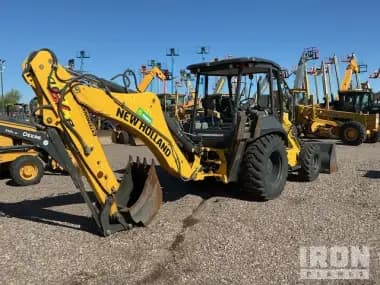
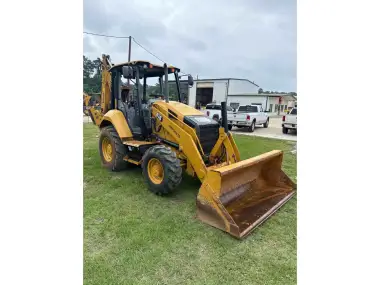
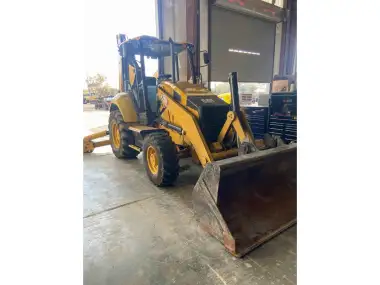
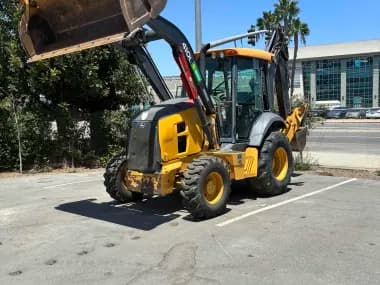
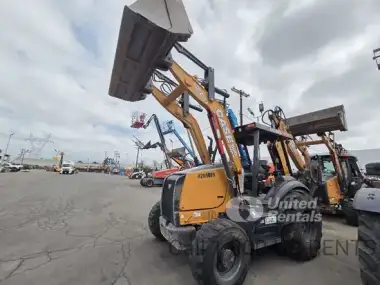
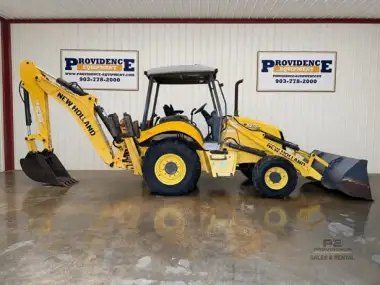
Las retroexcavadoras son la navaja suiza de las obras de construcción. Las retroexcavadoras se utilizan principalmente para excavar, excavar, demoler y otros proyectos de construcción de tamaño medio. El término "retroexcavadora" hace referencia a la acción de la cuchara excavadora, que recoge la tierra hacia atrás en dirección a la máquina, en lugar de levantarla con un movimiento hacia delante como hace una persona con una pala o un bulldozer.

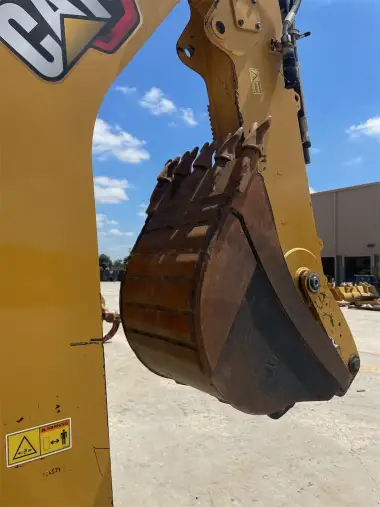
La parte del brazo de la retroexcavadora que está unida al tractor se llama brazo. La sección que sujeta la cuchara excavadora se denomina cazo o balancín. Las retroexcavadoras pueden equiparse con accesorios de potencia hidráulica como martillos, rippers, escobas y barrenas, que pueden utilizarse para tareas como levantar, excavar y romper suelos rocosos.

Preguntas frecuentes

  • Depending on the year, make, and model, used backhoes can cost anywhere from $5,000 to $150,000.

  • Popular brands of backhoes include Caterpillar, Case, John Deere, JCB.

  • Backhoes are commonly used for digging up terrain, excavation, demolition, and medium-sized construction work.

  • The average backhoe weighs around 15,000 lbs with weights ranging from 4,000-25,000 lbs.

  • When entering or exiting your backhoe, always maintain three points of contact. The controls for different backhoe brands are similar, however, always read the owner’s manual. Never operate backhoe without the stabilizers down, exceed the maximum operating weight, or use the bucket weight to lift and carry people.

  • The average lifespan of backhoe components is around 9,000 hours. When looking at used backhoes, consider the work you’ll be doing, the size you’re looking for, and the attachments that will fit your needs.

  • Not all used backhoes are created equally. Check the inspection report to see how the hydraulic system, engine, bucket, loading arms, cab, tires, axles, and boom are operating or if they’ve had any recent maintenance.

  • The average backhoe operator makes $54,210, or $23.55/hour.

  • Operating a backhoe requires fewer qualifications than other heavy equipment; however, it can still pose many hazards and dangers to look out for. If you want to get your foot in the door as an operator, look around until you find a place that’s willing to give you a start or start as a laborer. You can take classes at your local union or train through your company.