1 filtro aplicado

126 resultados encontrados

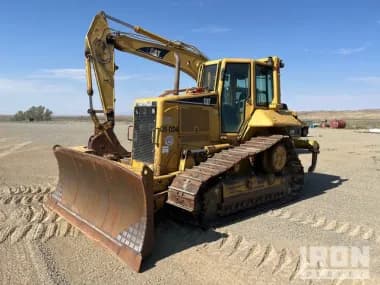
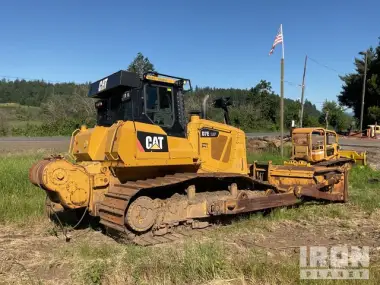
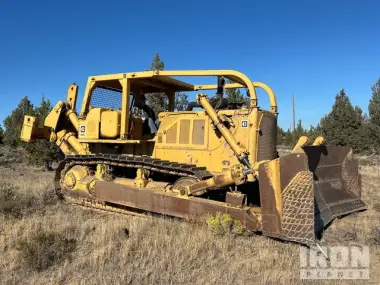
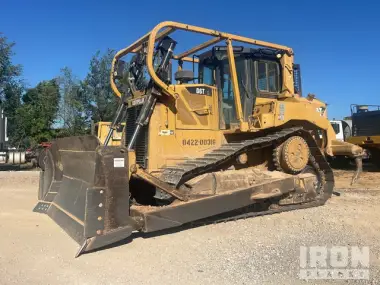
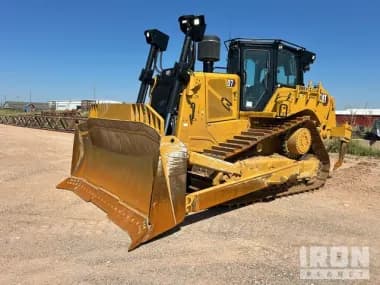
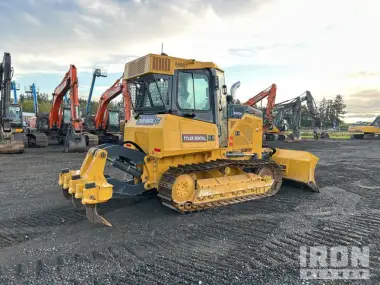
  • 2008 Komatsu D275AX-5E0

    40 Horas

    $93,750

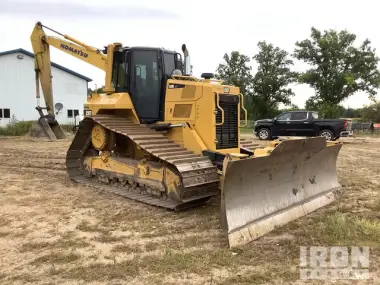
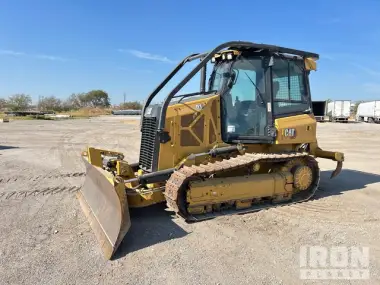
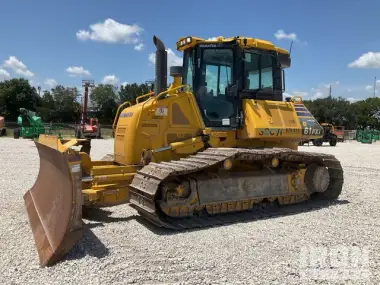
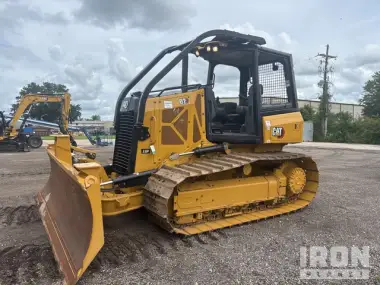
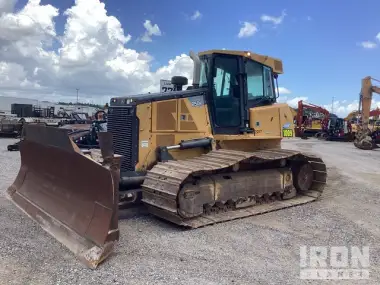
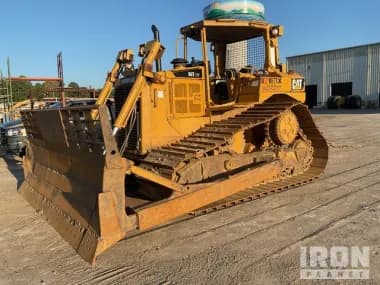
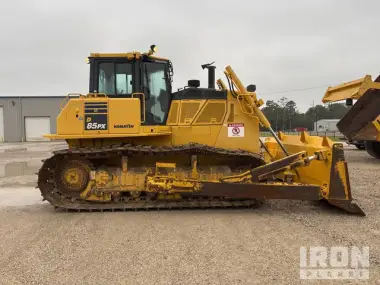
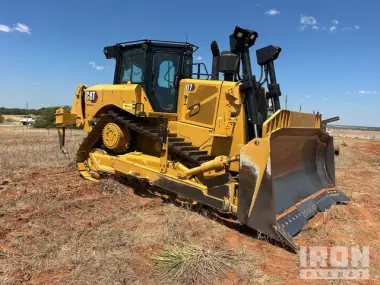
  • 2020 Caterpillar D3K2 XL

    943 Horas

    $63,000

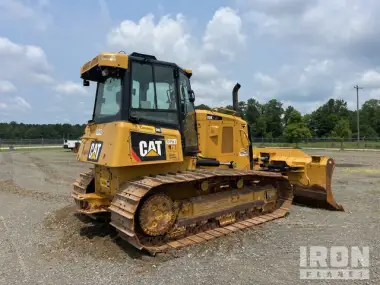
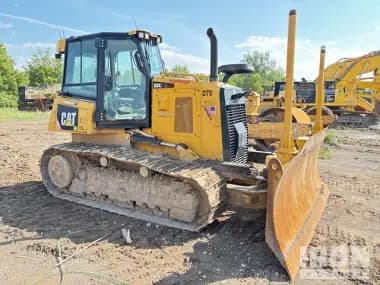
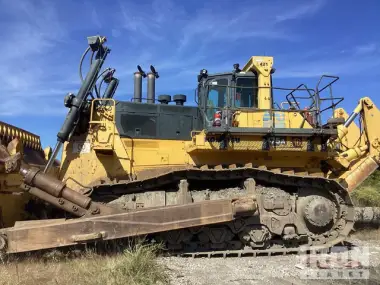
  • 2021 John Deere 850L LGP

    4,192 Horas

    $308,750

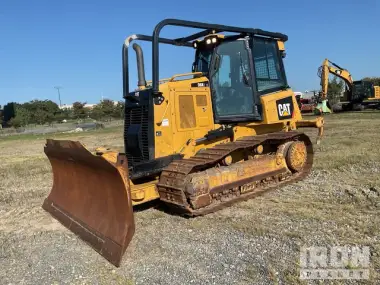
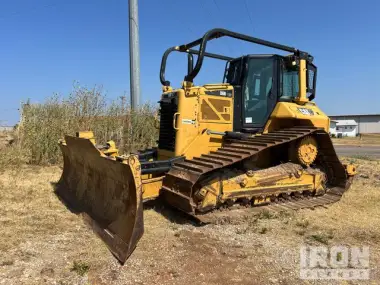
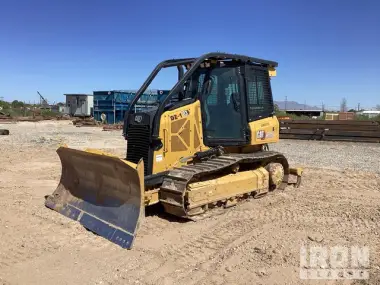
  • 2019 John Deere 850L LGP

    4,293 Horas

    $243,750

  • 2018 Caterpillar D6N LGP

    8,640 Horas

    $113,750

  • 2021 John Deere 850L LGP

    5,436 Horas

    $308,750

  • 2013 Caterpillar D6T LGP

    12,219 Horas

    $102,250

  • 2021 John Deere 850L

    4,484 Horas

    $313,750

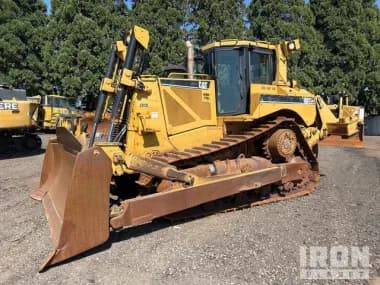
  • 1991 Caterpillar D11N

    25,191 Horas

    $123,750

    $113,750

  • 2020 John Deere 750L LGP

    5,964 Horas

    $161,250

  • 2004 Caterpillar D6N XL

    5,789 Horas

    $113,750

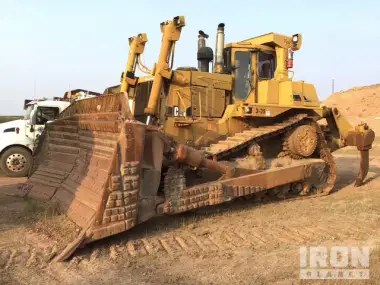
  • 1994 Caterpillar D11N

    48,156 Horas

    $148,750

    $123,750

  • 2022 Caterpillar D6XE LGP

    6,017 Horas

    $266,250

  • 2017 Caterpillar D6K2 XL

    5,861 Horas

    $135,750

  • 2021 John Deere 750L LGP

    3,921 Horas

    $187,650

  • 2022 Caterpillar D6XE LGP

    5,868 Horas

    $255,250

  • 2006 John Deere 700J XLT

    4,663 Horas

    $102,750

  • 2012 John Deere 700J LGP

    8,723 Horas

    $130,750

    $108,195

  • 2010 Komatsu D375A-6

    35,632 Horas

    $78,750

  • 2020 Komatsu D475A

    14,778 Horas

    $428,750

  • 2020 Komatsu D375A

    20,468 Horas

    $298,750

  • 2000 Caterpillar 844H

    38,453 Horas

    $78,750

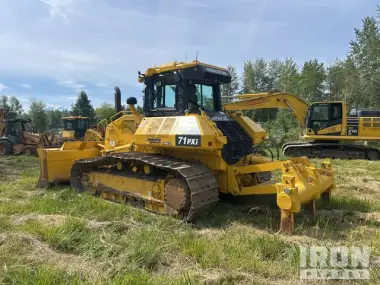
  • 2022 Komatsu D71PX-24

    2,905 Horas

    $198,750

  • 2020 Caterpillar D7E

    3,260 Horas

    $168,750

  • 2019 Caterpillar D3K2XL

    1,541 Horas

    $109,500

  • 2020 Caterpillar D7E

    3,208 Horas

    $168,750

  • 2022 Caterpillar D6XE LGP

    5,708 Horas

    $266,250

  • 2020 John Deere 850L LGP

    4,838 Horas

    $196,250

  • 2011 Komatsu D155AX-6

    12,003 Horas

    $63,000

  • 2017 Caterpillar D7E LGP

    4,518 Horas

    $138,750

  • 2017 Caterpillar D7E LGP

    4,482 Horas

    $138,750

  • 2017 Caterpillar D7E LGP

    5,042 Horas

    $138,750

Página 1 de 4

Obtén acceso a nuestras últimas ofertas

Resumen

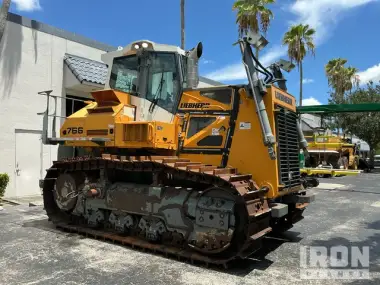
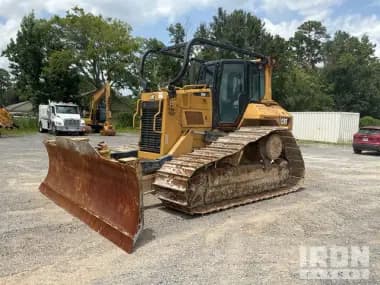
Las excavadoras se utilizan para mover, cavar y excavar grandes cantidades de tierra y suelo. Se caracterizan por una gran cuchilla metálica en la parte delantera, movida por brazos hidráulicos y las orugas sobre las que se desplazan, que les proporcionan tracción con el suelo. Algunos bulldozers vienen con rippers, un accesorio extendido en la parte trasera parecido a una garra que rompe el terreno duro.

Los tres tipos principales de bulldozers son los bulldozers sobre orugas, los bulldozers sobre ruedas y los mini bulldozers:

  • Bulldozers sobre orugas:Estos bulldozers son los más comunes porque sus orugas se prestan mejor a trabajar en terrenos irregulares que requieren tracción, como barro o superficies resbaladizas.

  • Bulldozers de ruedas:Como su nombre indica, los bulldozers de ruedas tienen ruedas en lugar de orugas. Los bulldozers de ruedas son ideales para terrenos como el asfalto, la hierba y otras superficies blandas y sensibles.

  • Mini Bulldozers:Una miniexcavadora es igual que una oruga, pero más pequeña, lo que le permite caber en espacios más reducidos.

Preguntas frecuentes

  • The factors that determine the cost of a bulldozer include the type of bulldozer (crawler, wheel, mini), types of blades used, and added safety features. A used bulldozer will cost anywhere from $40,000 - $1,000,000+.

  • Caterpillar, John Deere, Komatsu, and Case are the most popular bulldozer brands.

  • Bulldozers are most commonly used for earthmoving large amounts of earth/soil, removing topsoil for roads filled with gravel, stripping surface vegetation for construction projects, pushing waste and brush to burn sites, and demolishing old structures.

  • Bulldozer weighs between 8 - 180 plus tons (16,000 - 360,000 lbs).

  • When operating a bulldozer, you want to avoid stalling the machine, track slip, and overloading the blade. It's essential to go through proper training before operating a bulldozer to fully understand how to control the direction of the machine, work the speed, reverse, and control the blade.

  • You can break bulldozers down into seven parts. Rippers, final drive, cab, tracks/tires, push frame, blades, and engine. When buying any bulldozer (used or new), you should look at the blades, rippers, and whether or not they use tires or tracks, as these features differentiate types of bulldozers the most.

    When looking at a used bulldozer, look at the full inspection report before making a buying decision. Therefore, the final drive is the most used and the most replaced part on the bulldozer. The cab should still be able to absorb shock and reduce sound.

  • There's no hiding from the fact that a bulldozer is a significant investment. Since there are only a few bulldozer manufacturers, you know a bulldozer from a brand like Caterpillar is reputable.

    Therefore, when buying a used bulldozer, the only question is, "Has this machine received regular and expected maintenance?"

  • The average salary for a bulldozer operator is $21.44, but experienced heavy equipment operators can make up to and sometimes over $100,000/year.

  • The steps to becoming a bulldozer operator are similar to becoming an operator for most types of heavy equipment. Potential operators are assessed by their intangible skills like vision, coordination, stamina, and reaction time. Bulldozer operators may need a CDL if the vehicle exceeds a certain weight or is used for more advanced industries.