Specialty Trucks: Types, Benefits, Uses & Buying Guide
9 Lectura mínima
&w=3840&q=75)

abril 30, 2023
Specialty trucks are built for jobs that standard trucks cannot handle efficiently. From dump and service trucks to heavy-haul, utility, refrigerated, and other vocational configurations, these vehicles combine the right chassis, body, equipment, and capabilities for demanding applications.
Choosing the right specialty truck starts with the job - not the brand or the biggest available engine. Payload requirements, operating conditions, body configuration, axle setup, equipment needs, maintenance history, and total cost of ownership all affect whether a truck will actually deliver value for your operation.
What Are Specialty Trucks?
%3Aformat(webp)&w=1920&q=75)

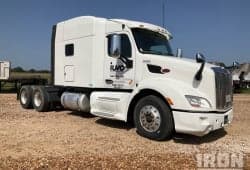

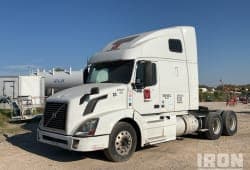
Specialty trucks are commercial vehicles configured or modified for specific jobs, industries, or operating conditions. Unlike general-purpose trucks, they typically combine a specialized body or equipment package with a chassis selected to support the intended application.
Common examples include dump trucks for construction, service trucks for field maintenance, utility and bucket trucks for infrastructure work, heavy-haul trucks for equipment transportation, and refrigerated trucks for temperature-sensitive cargo.
The term “vocational truck” is also commonly used for work-specific trucks designed around applications such as construction, utilities, waste collection, and heavy hauling. The most important consideration is matching the truck's specifications to the work it will perform.
Types of Specialty Trucks
Specialty trucks come in many configurations. The right type depends on what you need to carry, where the truck will operate, and what equipment the job requires.
%3Aformat(webp)&w=1920&q=75)
What Are Specialty Trucks Used For?
Specialty trucks serve industries where a standard truck would require additional equipment, multiple trips, or inefficient workarounds.
Construction
Construction companies use specialty trucks to haul aggregate, dirt, equipment, tools, fuel, and other materials. Dump trucks, service trucks, flatbeds, and heavy-haul configurations can each address different stages of a project.
Utilities and Infrastructure
Utility contractors may use bucket trucks, service trucks, and other specialized configurations for electrical, telecommunications, maintenance, and infrastructure work.
Equipment Transportation
Heavy-haul trucks and appropriately configured tractor units can transport construction equipment and other oversized or heavy loads. Matching axle configuration, towing capacity, and gross combination weight requirements to the load is essential.
Municipal Operations
Cities and counties use specialized trucks for road maintenance, waste collection, utility services, snow operations, and other public works applications.
Industrial and Commercial Work
Specialty trucks can support industrial maintenance, material handling, mobile service operations, and other applications where specialized equipment must travel with the crew.
Benefits of Specialty Trucks
1. Better Productivity
A truck designed around the job can eliminate unnecessary trips and reduce the need to improvise with equipment that was never intended for the application.
For example, a properly configured service truck can bring tools, parts, compressors, and other equipment directly to a jobsite instead of requiring technicians to make repeated trips.
2. Purpose-Built Capability
Specialty trucks provide capabilities that a conventional truck may not. A dump body, crane, utility boom, refrigeration system, service body, or specialized hauling configuration can turn the truck into a dedicated work platform.
3. Improved Jobsite Efficiency
The right configuration can help crews spend less time loading, unloading, transporting materials, or retrieving equipment.
However, more capability isn't always better. A truck that is too large, heavy, or specialized for the application can increase acquisition and operating costs without improving productivity. Current vocational-truck buying guidance emphasizes starting with the actual job requirements before selecting the truck.
4. Better Payload and Equipment Capacity
Chassis specifications, axle configuration, body design, and payload capacity should work together. Selecting a truck based only on engine horsepower or advertised capacity can result in a poor match for the actual workload.
5. Potentially Lower Total Cost of Ownership
A specialty truck may cost more upfront than a general-purpose vehicle, but the additional capability can make financial sense when it increases productivity, reduces unnecessary trips, or allows the business to take on additional work.
The important comparison is not simply purchase price. Consider fuel, maintenance, insurance, downtime, repairs, labor, financing, and expected utilization over the truck's working life.
6. Greater Business Flexibility
Specialized equipment can allow contractors and service companies to pursue work that requires specific capabilities. A well-specified truck can therefore become more than a transportation asset—it can become part of the company's production capacity.
Specialty Truck vs. Standard Truck: Which Is Better?
The answer depends on the application.
A standard truck may be the better choice when your operation primarily needs general transportation and does not require specialized equipment.
A specialty or vocational truck is generally more appropriate when the truck needs a dedicated body, equipment package, heavy-duty chassis, specialized payload handling, or job-specific capabilities.
The best approach is to define the work first. Ask:
What will the truck carry?
What is the heaviest normal load?
Will it operate on public roads, jobsites, or both?
Does it need a PTO or hydraulic system?
Does it require specialized equipment?
What axle configuration is appropriate?
How much towing capacity is required?
How frequently will the truck be used?
Once those questions are answered, you can narrow down the appropriate truck category and specifications.
How to Choose the Right Specialty Truck
%3Aformat(webp)&w=1920&q=75)
The biggest mistake buyers can make is choosing the truck before defining the application.
1. Start With the Job
Identify the truck's primary duty cycle, typical loads, terrain, routes, and daily operating conditions.
2. Determine Payload Requirements
Don't confuse payload with towing capacity or gross vehicle weight rating. Make sure the chassis and body can legally and practically handle the loads you expect to carry.
3. Evaluate the Chassis
Consider:

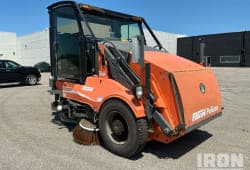

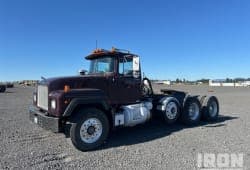
GVWR and GCWR
Axle configuration
Wheelbase
Engine horsepower and torque
Transmission
Suspension
Frame construction
Towing capacity
Ground clearance
Vocational-truck guidance commonly emphasizes axle configuration, suspension, frame strength, engine output, wheelbase, and PTO capability because these specifications directly affect how the truck performs in demanding applications.
4. Consider Upfitting Requirements
The chassis is only part of a specialty truck. Determine whether the truck needs a dump body, service body, crane, boom, tank, refrigeration system, hydraulic equipment, or other specialized components.
Also consider whether the existing configuration can support future modifications.
5. Consider the Operating Environment
A truck operating primarily on highways may require a different configuration from one working daily on rough construction sites.
Think about:
Terrain
Weather
Road conditions
Jobsite access
Turning radius
Clearance
Daily mileage
Stop-and-go operation
Off-road requirements
6. Calculate Total Cost of Ownership
Compare more than the purchase price. Estimate fuel consumption, scheduled maintenance, tires, repairs, insurance, financing, downtime, and expected utilization.
A cheaper truck that spends more time in the shop may ultimately cost more than a higher-priced truck with the right configuration and documented maintenance history.
Buying a Used Specialty Truck? Check These Components
%3Aformat(webp)&w=1920&q=75)
Buying used can provide access to specialized capabilities at a lower acquisition cost, but the inspection should go beyond the engine and odometer.
Engine and Drivetrain
Check for leaks, unusual noises, smoke, warning lights, poor performance, and evidence of neglected maintenance.
Frame and Chassis
Inspect the frame for cracks, corrosion, repairs, distortion, and other signs of excessive loading or previous damage.
Specialty Body
Examine dump beds, service bodies, flatbeds, tanks, refrigeration units, cranes, and other equipment for structural damage, excessive wear, corrosion, and poorly executed modifications.
Hydraulic System
For trucks equipped with hydraulic equipment, inspect pumps, cylinders, hoses, fittings, valves, and controls for leaks and proper operation.
Electrical Systems
Test lighting, controls, cameras, sensors, auxiliary equipment, and other electrical components.
Tires and Suspension
Check tire condition and wear patterns, suspension components, steering, and braking systems.
Maintenance Records
Service documentation can help establish how the truck was used, maintained, and repaired. A truck with higher mileage but consistent maintenance may be worth considering over a lower-mileage truck with an uncertain history.
Expert Insight: Buy for the Work, Not the Badge
Boom & Bucket equipment specialists recommend evaluating a specialty truck based on its actual application, condition, configuration, and service history - not simply its brand, age, or mileage.
The existing Boom & Bucket expertise behind this guide includes equipment inspection experience across mechanical, electrical, and hydraulic systems, providing an important perspective when evaluating used equipment.
The goal is simple: find a truck whose specifications match the work and whose condition supports the expected workload.
Frequently Asked Questions
What is a specialty truck?
A specialty truck is a commercial vehicle configured for a specific job or industry. It may combine a specialized body, equipment package, and chassis configuration to perform tasks that a general-purpose truck cannot handle as efficiently.
What are the most common types of specialty trucks?
Common types include dump trucks, service trucks, flatbeds, heavy-haul trucks, utility and bucket trucks, refrigerated trucks, and tank trucks.
What are specialty trucks used for?
Specialty trucks are used for construction, utilities, equipment transportation, municipal operations, industrial maintenance, material hauling, and other applications requiring job-specific equipment.
Are specialty trucks worth the investment?
They can be, particularly when specialized capability improves productivity, reduces unnecessary trips, or allows a business to take on additional work. The decision should be based on utilization and total cost of ownership rather than purchase price alone.
What should I look for when buying a used specialty truck?
Inspect the engine, drivetrain, chassis, frame, specialty body, hydraulic and electrical systems, tires, suspension, and maintenance records. Also verify that the truck's configuration matches your intended application.
What is the difference between a specialty truck and a vocational truck?
The terms often overlap. Both describe trucks configured for specific work rather than general transportation. “Vocational truck” is commonly used for work-focused commercial trucks used in industries such as construction, utilities, waste management, and heavy hauling.
Find the Right Specialty Truck for Your Operation
The right specialty truck should do more than look good on paper, it should match your workload, operating environment, payload, equipment requirements, and long-term budget.
Start by defining the job. Then compare the configuration, condition, service history, and total ownership costs.
Ready to find your next work truck?
Browse Boom & Bucket's selection of used specialty trucks and compare available equipment based on application, specifications, hours or mileage, and condition.
Need a truck for a specific application?
Narrow your search by truck type and intended use to find configurations that fit your operation rather than forcing your work to fit the equipment.
Found a candidate?
Review the machine's specifications and condition carefully before buying. When the right truck matches the right job, your equipment investment can become a productivity asset - not just another vehicle in the fleet.
Explore used specialty trucks with Boom & Bucket and find equipment built for the work ahead.


Samir Shah is the Co-Founder and Chief Product Officer of Boom & Bucket, where he leads the development of innovative solutions for buying and selling heavy equipment. With a background in engineering, product development, and business strategy, Samir has a track record of taking companies from concept to market success. Previously, he was the Head of Cat Digital Labs at Caterpillar, overseeing digital initiatives and product launches. He holds degrees from MIT Sloan and Carnegie Mellon, and he is passionate about tackling big challenges in underserved industries.