Leading Machines For The Apocalypse
14 Lectura mínima
&w=3840&q=75)
agosto 27, 2024
Every year there’s at least one notable TV show or scarier, a potential real world event that's hyped into a possible apocalypse (COVID, global warming, WWIII, Bird Flu, Yellowstone super eruption). And who doesn’t love a good apocalypse movie or theorizing the best approaches to surviving crazy situations (house boat seems like a no brainer)?
What Is the Best Machine for an Apocalypse?
A backhoe loader is one of the best all-around machines for a hypothetical apocalypse because it combines digging, loading, mobility, and attachment versatility in one machine.


What Is the Most Versatile Construction Machine?
Backhoes, skid steers, and compact track loaders are among the most versatile construction machines because they can perform multiple tasks using different attachments.
Is a Backhoe Better Than an Excavator?
A backhoe is generally more versatile for mixed tasks and road travel, while an excavator is better suited for heavy digging, trenching, and excavation.
What Is Better: a Skid Steer or Track Loader?
A skid steer is generally better for firm surfaces and compact work areas, while a compact track loader is better suited to soft, muddy, or uneven terrain.
What Machine Is Best for Clearing Land?
Bulldozers, excavators, skid steers, and compact track loaders can all clear land. The best choice depends on vegetation, terrain, debris size, and project scale.
How We Evaluated These Machines
We evaluated each machine based on:
Versatility
Mobility
Terrain capability
Attachment compatibility
Digging and lifting capability
Maintenance requirements
Fuel considerations
Availability
Typical construction applications
But, commonly those situations rarely depict heavy machinery. Next time you’re driving around town, try to pay attention to how many skid steers, excavators, or bulldozers are active on project sites. This is lovely pre-apocalypse scene is basically what you'll see at a major project, nicely condensed for us by AI:
%3Aformat(webp)&w=1920&q=75) Considering how prevalent and how useful these machines are, you think we’d see them more often. At the very least, dominant apocalyptic warlords would have them in their compounds or decked out Mad Max style.
Considering how prevalent and how useful these machines are, you think we’d see them more often. At the very least, dominant apocalyptic warlords would have them in their compounds or decked out Mad Max style.
Ground Rules
Anyway, when you work with machines daily and have an affinity for apocalypse situations you eventually start making a list, which is what we’re doing here. However, let’s set a few rules and parameters before diving in:
Fuel: this is obviously an issue but for this exercise we’ll assume it’s mostly available. Heavy equipment is also primarily diesel so supplies will all expire at roughly the same time. So, most machines will be on even footing in this regard.
No military spec machines: we’re talking standard spec machines that you’re likely to find on a local construction site.
This is “normal” apocalypse survival - disease, nuclear, astroid type situations - we’ll tackle zombie survival in a later post.
Limited customizations: we’re not installing bulletproof glass or doing extensive welding, this is limited to what attachments can be swapped out and are reasonably available
We’ll assume you’re already in possession of or have access to a generator so will exclude them from the list. They’re just not fun to talk about so we’ll get that out of the way.
First - A Must Have
With that said, the first thing we’ll need if we want to utilize heavy machines in the post-Armageddon world is a set of master keys. People in the industry know you can pick up a master set that’ll work for most of the commonly seen equipment on job sites. In the Texas area we like to pop into a local Asco Dealer but you can buy them online from numerous vendors. For $xx you can have these on hand and be able to jump into a number of machines in a moments notice. Just make sure you know which keys goes with what!
%3Aformat(webp)&w=1920&q=75)
Apocalypse Machines
Ok… now we can finally get to our top machines you’d want in order to survive in the apocalypse. If you’re unfamiliar with any machines, Boom and Bucket has other detailed blogs on what there machines are used for and their maintenance. Click on the "machine name" header to see machine available for purchase. If you want more details on the machine type click the first link in the section to jump to our corresponding blog page.
8. Telehandler
Telehander machines are great for moving and lifting heavy load and reaching high into the air. Your best use for them might be to lift most of your possessions or group to a hard to reach place, but that’ll still leave the operator in a tricky position. They move relatively quietly for heavy machinery since they have wheels, and if equipped with foam tires, flats aren’t an issue. However, their cabs don’t provide much protection.
%3Aformat(webp)&w=1920&q=75) Pros: Mobile, high reach for storage and safety, attachment options
Pros: Mobile, high reach for storage and safety, attachment options
Cons: Limited protection with open cab, limited terrain
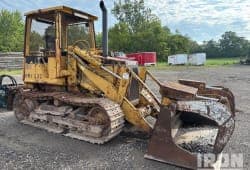
7. Bulldozer
Most people would think these massive machines would be higher on the list, but don’t forget our rules above. Without customization, a dozer isn’t really that useful. Sure, they’re hard to stop and can roll through or over most things. But, we’re in survival mode, we probably need to search buildings for supplies instead of plowing them over.
Also, they guzzle fuel, are loud, aren’t that fast, and for their size, don’t carry much (one person cabs, no beds). If you’re caught out in the open with one you might be an easy target to chase down.
%3Aformat(webp)&w=1920&q=75) Pros: Power, security for one person, intimidating, destruction if needed
Pros: Power, security for one person, intimidating, destruction if needed
Cons: Limited mobility, attention grabbing and loud, low carrying capacity, limited impact vertically
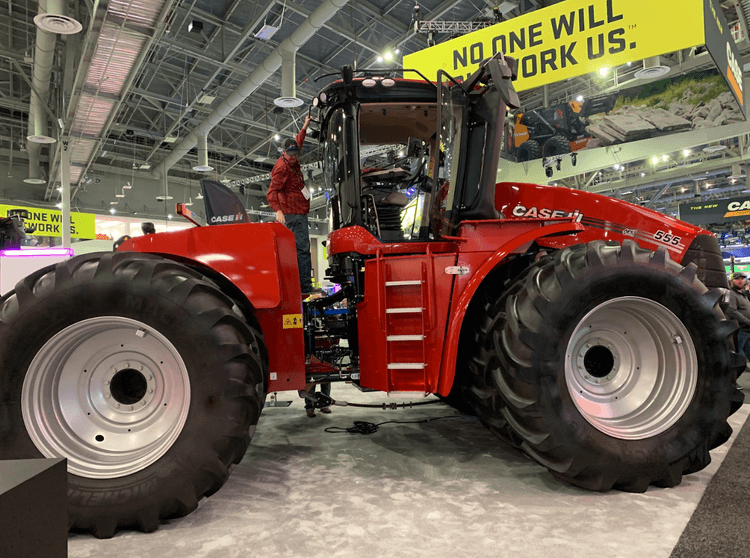
6. Wheel Loader
Wheel loaders edge out the dozer class for a few reasons. One, they’re much more mobile down an open road. While not quiet, their wheels will travel more silently than metal treads. And two, they can accomplish a lot of what a dozer could in terms of destruction.
However, wheel loaders also can dig, lift and carry. Scoop up and store your supplies high in the bucket. While cab capacity is still low, you could carry people in the buckets as well. Add in a fork attachment and you can load pallets of supplies or cars to setup a protective barrier.
%3Aformat(webp)&w=1920&q=75) Pros: Vertical lift capability, carrying capacity, fork attachments, good highway speed
Pros: Vertical lift capability, carrying capacity, fork attachments, good highway speed
Cons: Very noticeable, limited mobility in small spaces
5. Water Truck
A sneaky high pick here, but a well maintained (and filled) water truck would be an in demand machine as civilization crumbles. You get the mobility of a truck with the perk of being able to store what will soon be a sought after resource - water. In the event the tank is empty, it could still make for a safe and secure shelter.
The big caveat here is that the tank is well maintained and the water clean enough to drink. You’d want to find this early, ensure it’s clean, and fill it up every chance you get.
%3Aformat(webp)&w=1920&q=75) Pros: Prolonged survival with water storage, potential shelter, range and mobility
Pros: Prolonged survival with water storage, potential shelter, range and mobility
Cons: Prior maintenance concerns, limited carrying capacity of other supplies/people
4. Skid Steer
A skid steer’s versatility moves ensures it’s in the top five. They’re readily available on most construction sites or yards. Most importantly, they have a multitude of attachments - from buckets to augers, bush hogs, and forks.
The major draw backs are limited carrying capacity when it comes to moving supplies or people and the limited mobility of having tires and low ground clearance. However, given they’re popularity, it seems you can likely find one near wherever you decide to setup camp.
%3Aformat(webp)&w=1920&q=75) Pros: Versatility of attachments, availability
Pros: Versatility of attachments, availability
Cons: Limited range due to terrain, low carrying capacity
3. Track Loader
Similar to above, the track loaders are highly available and versatile. Even more since tracks allow them to cover more and rougher terrain that skid steers. This allows you to better utilize more attachments. However, you’re still faced with a low carrying capacity.%3Aformat(webp)&w=1920&q=75) Pros: Versatility of attachments, availability, handles most terrains
Pros: Versatility of attachments, availability, handles most terrains
Cons: Low carrying capacity
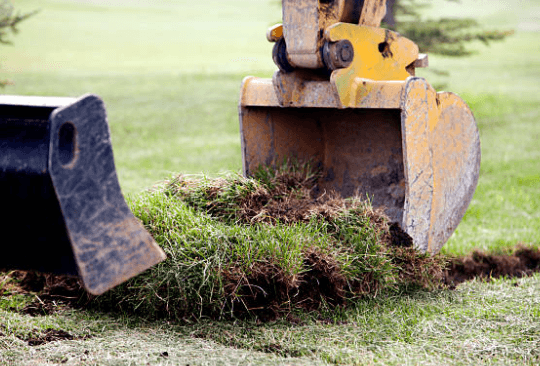
2. Excavator
They’re not that fast, and they’re not the quietest, and you can’t carry a lot with them - but the excavator has worked it’s way up this list. Why?
For one, just like skid steers / track loaders, you’ll find them on almost every job site. You’ll often find both mini-exs and full size excavators in the same location. Ease of access definitely counts for something in the wasteland of the apocalypse.
Secondly, you’ve got a huge range of motion. An excavator could be used to safely store supplies out of reach or dig deep trenches to protect yourself from unwanted intruders.
Lastly, and similarly again to skid track loaders, there’s a number of attachments you might be able to throw on an excavator. Standard buckets, thumbs, forestry mulchers, brush cutters, concrete breakers… there’s no limit to what you can do. Great for building or destruction.
%3Aformat(webp)&w=1920&q=75) Pros: Availability, handles most terrains, versatility of attachments,
Pros: Availability, handles most terrains, versatility of attachments,
Cons: Low carrying capacity, slow speeds
1. Backhoe
Coming in at number one is the trusty old Backhoe. Also known as skip loaders, really the only complaint here is something shared by most machines on the list - limited passenger capacity. Most construction machines just aren’t meant to haul a lot of people around.
Otherwise backhoes seem to have take the best of most machines without many of the negative. You get the versatility of a bucket and excavator arm, numerous attachments, wheels for quiet and higher speed travel. You could even rig it up better than most other machines to pull a trailer if needed.
%3Aformat(webp)&w=1920&q=75) Pros: availability, handles most terrains, versatility of attachments, decent top end speed
Pros: availability, handles most terrains, versatility of attachments, decent top end speed
Cons: low carrying capacity
Ready to Prep?


If you’re serious about being prepared for life post-armagedon and want to start prepping now, you can buy any of these machines with Boom and Bucket! Then you’ll have time to modify and acquire a variety of attachments. At the very least, go grab a set of universal keys so you’re prepared in the off chance something crazy happens!
HONORABLE MENTION
We laid out some ground rules so this discussion would be realistic and achievable in most locations and by most people. But, there’s some really cool machines out there that we can’t help but include. Spider Excavator
1. Spider Excavator
These things are just flat our COOL but they’re very rare (and expensive. However, they’d make a great end of the world machine. You’ve got all the functionality of an excavator but can go just about anywhere. Or just raise your legs and drive like a giraffe.
%3Aformat(webp)&w=1920&q=75)
2. Military backhoe
You’d have to break into a military compound to get one, which might actually be feasible if you’re one of the last people on earth. If you can, there’s not much that can top a souped up version of our number one machine. They’re a flame thrower away from being straight out of a Mad Max movie.
%3Aformat(webp)&w=1920&q=75) When it was listed, this machine was advertised of being capable of doing 60 mph. Not only can you hammer out just about any construction project, there’s not going to be much stopping you from escaping a city as its highways clog up.
When it was listed, this machine was advertised of being capable of doing 60 mph. Not only can you hammer out just about any construction project, there’s not going to be much stopping you from escaping a city as its highways clog up.
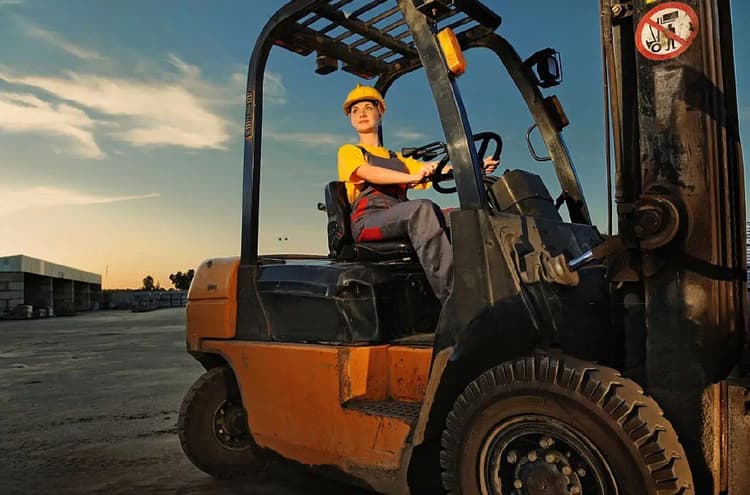
3. Propane machines
This would primarily be smaller forklifts, which honestly aren't the greatest machine to survive with. They'd be relatively quite for traveling unnoticed. But they've got low tire clearance and propane isn't the most readily available thing on the road.
The biggest things propane machines have going for them is that properly stored propane has a shelf life of 10 to potentially 30 YEARS! Diesel on the other hand might last 6-12 months. With that kind of time you could configure attachments to be more useful.
%3Aformat(webp)&w=1920&q=75)
4. EV machinery - not far in the future
We already said we’ll assume generators are available which means we’d have the ability to utilize batter powered machines. These aren’t common enough (yet) that we felt we could include them in our general list. But, if you could find one, it’s probably worth taking for a joy ride. The primary benefit here is an EV machines will move much more quietly than ICE equipment. That’s incredibly valuable if you’re building a compound and not wanting to be discovered by the scavengers prowling through the end of the world wastelands.
%3Aformat(webp)&w=1920&q=75) We'll use a real image for this since they look crazy! This one above is a prototype from hyundai and would require hacking into with a computer... come to think of it, these might be part of wrong side of an AI apocalypse when SkyNet becomes self aware.
We'll use a real image for this since they look crazy! This one above is a prototype from hyundai and would require hacking into with a computer... come to think of it, these might be part of wrong side of an AI apocalypse when SkyNet becomes self aware.
Skid Steer vs. Track Loader
Skid steers generally work well on firm surfaces and compact sites.
Compact track loaders are better suited to soft or uneven ground because their tracks provide greater flotation and traction.
Best choice: Skid steer for firm terrain; track loader for challenging terrain.
Wheeled vs. Tracked Equipment
Wheeled Equipment
Faster travel
Good on firm surfaces
Easier road mobility
Often suitable for material handling
Tracked Equipment
Better traction
Greater flotation
Better on soft ground
Useful on uneven terrain
Terrain should be one of the first factors considered when choosing between wheels and tracks.
Best Attachments for Emergency and Off-Grid Work
Attachments can make one machine capable of performing many different jobs.
Useful options include:
Buckets
Forks
Grapples
Hydraulic breakers
Brush cutters
Mulchers
Trenchers
Blades
A versatile machine with several useful attachments can provide more value than a specialized machine.
Fuel and Maintenance Considerations
Fuel availability and maintenance would be critical in a long-term disaster scenario.
Consider:
Fuel type
Fuel storage
Engine hours
Maintenance history
Filters
Batteries
Tires or tracks
Replacement parts
A machine that is easy to service and supported by readily available parts may be more practical than a more complicated specialty machine.
What Equipment Is Best for Building an Off-Grid Base?
A combination of machines would provide greater capability than relying on one machine.
A versatile equipment lineup could include:
Backhoe + excavator + compact track loader + telehandler
Together, these machines can support:
Excavation
Grading
Site clearing
Trenching
Material handling
Road construction
Best Machines for Clearing Roads and Debris
Different machines work best for different obstacles:
Bulldozer: Heavy earthmoving
Excavator: Large obstacles and excavation
Wheel loader: Debris and material piles
Skid steer: Compact cleanup
Track loader: Clearing rough terrain
Best Machines for Moving Supplies
For material handling:
Wheel loader: Bulk materials
Telehandler: Pallets and elevated loads
Forklift: Warehouse materials
Skid steer: Compact loads
Backhoe: General-purpose loading
Always verify the machine's rated capacity and attachment specifications before lifting a load.
How to Choose Used Heavy Equipment for Preparedness
When buying used equipment, inspect:
Engine hours
Service records
Hydraulic leaks
Tires or undercarriage
Hydraulic cylinders
Engine condition
Cooling system
Electrical system
Warning indicators
Condition, parts availability, and serviceability should matter more than appearance or horsepower alone.
Common Equipment Selection Mistakes
Avoid:
Automatically choosing the largest machine
Ignoring fuel requirements
Overlooking maintenance
Buying without inspecting the machine
Ignoring terrain
Forgetting attachment compatibility
Choosing based only on horsepower
Ignoring transportation requirements
Assuming every attachment fits every machine
Frequently Asked Questions
What is the best machine for an apocalypse?
A backhoe loader is one of the best all-around choices because it combines digging, loading, mobility, and attachment versatility.
What is the most versatile construction machine?
Backhoe loaders, skid steers, and compact track loaders are among the most versatile construction machines because they support multiple attachments and applications.
Is an excavator better than a backhoe?
An excavator is generally better for heavy digging, while a backhoe offers greater versatility and easier travel between work areas.
Is a skid steer or track loader better?
A skid steer is generally better on firm surfaces, while a compact track loader performs better on soft, muddy, or uneven terrain.
What machine is best for clearing land?
Bulldozers, excavators, skid steers, and track loaders can all clear land. The best choice depends on terrain, vegetation, and project size.
What makes heavy equipment useful in an emergency?
Versatility, durability, mobility, attachment options, fuel efficiency, and ease of maintenance make heavy equipment more useful for emergency and off-grid applications.
Final Apocalypse Equipment Guide
In a hypothetical apocalypse, the best machine would not necessarily be the biggest. Versatility, reliability, mobility, attachments, and maintainability would matter most.
A backhoe loader offers an excellent balance of capabilities, while excavators excel at digging, track loaders handle rough terrain, and wheel loaders move bulk materials.
For real-world preparedness or off-grid projects, prioritize machine condition, parts availability, operator training, fuel access, and maintenance support.