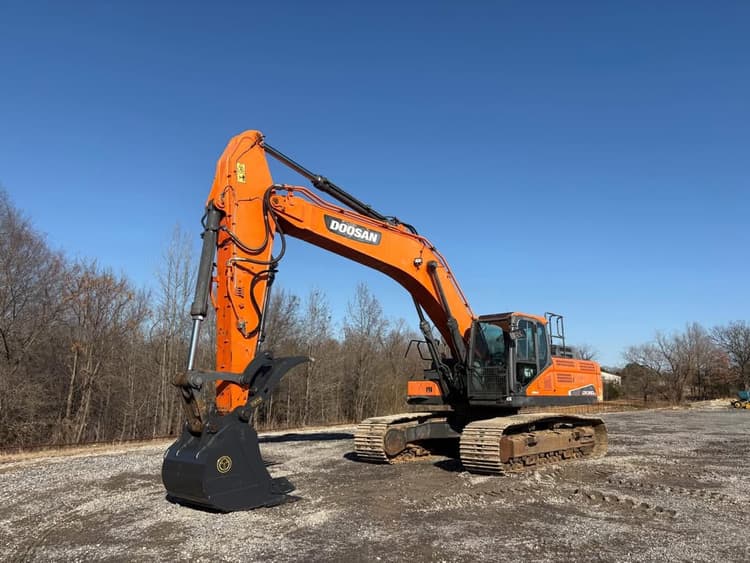
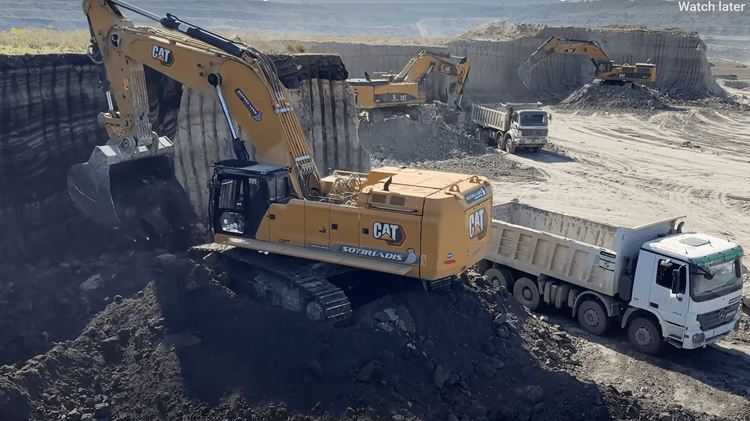
The Best Mini Excavators: Top 5 Models for Your Construction Needs
8 Lectura mínima
&w=3840&q=75)

julio 9, 2024
Mini excavators deliver powerful digging and lifting performance in a compact package. This guide explains how mini excavators work, key sizes and features, popular applications, attachments, costs, and buying tips to help you choose the right machine for your project.
How Does a Mini Excavator Work?
A mini excavator uses hydraulic pressure to operate its boom, arm, bucket, and swing system. Tracks provide mobility and stability while the operator controls the machine from the cab.


What Is a Mini Excavator Used For?
Mini excavators are used for digging, trenching, landscaping, grading, demolition, utility work, and material handling, particularly where space is limited.
What Size Mini Excavator Is Best?
A 3- to 5-ton mini excavator is a versatile choice for many residential, landscaping, utility, and trenching projects, while larger machines provide greater digging and lifting capability.
Mini Excavator vs. Skid Steer: Which Is Better?
A mini excavator is generally better for digging and trenching, while a skid steer is better suited to grading, loading, material handling, and attachment-based work.
What Should I Check When Buying a Used Mini Excavator?
Check the engine, hydraulics, tracks, undercarriage, cylinders, pins, bushings, swing system, attachments, operating hours, and service history before buying.
How We Evaluated Mini Excavators
We evaluated mini excavators based on operating weight, digging depth, hydraulic performance, lift capacity, attachments, maneuverability, and overall value. Specifications should be verified using current manufacturer data, while used equipment should be assessed for condition, operating hours, and maintenance history.
When it comes to construction equipment, mini excavators are indispensable for their versatility, power, and compact size. These machines are perfect for tasks in tight spaces where larger equipment cannot maneuver. Here, we delve into the top five mini excavator brands and their most popular models, highlighting why they are the best choices for your construction needs.
1. Caterpillar 305E2 CR
%3Aformat(webp)&w=1920&q=75)
Overview: Caterpillar, a name synonymous with heavy equipment, offers the 305E2 CR as part of its mini excavator lineup. This model is known for its robust performance, advanced technology, and operator comfort.
Key Features:
Operating Weight: 11,443 lb
Engine Power: 40.2 hp
Maximum Dig Depth: 11 ft 3 in
Advanced Hydraulics: Delivers excellent digging performance and efficiency.
Operator Comfort: Spacious cab with ergonomic controls and adjustable seating.
Why It’s Popular: The Caterpillar 305E2 CR is popular due to its reliability and powerful performance in various applications, from residential construction to landscaping. Its advanced hydraulic system and operator-friendly design make it a favorite among contractors.
2. Kubota KX040-4
%3Aformat(webp)&w=1920&q=75)
Overview: Kubota’s KX040-4 is a top choice for those seeking a balance of power and compactness. Known for its durability and ease of use, this mini excavator is ideal for a range of construction projects.
Key Features:
Operating Weight: 9,195 lb
Engine Power: 40.4 hp
Maximum Dig Depth: 11 ft 3 in
Versatility: Multiple attachment options for various tasks.
Ease of Maintenance: Simple access to engine components and service points.
Why It’s Popular: The KX040-4 is favored for its fuel efficiency and low operating costs. Its versatility and reliability make it a go-to machine for contractors who need a dependable mini excavator that can handle diverse tasks.
3. Bobcat E35
%3Aformat(webp)&w=1920&q=75)
Overview: Bobcat is a leading name in compact equipment, and the E35 mini excavator is one of its most popular models. This machine is known for its performance, precision, and versatility.
Key Features:
Operating Weight: 7,659 lb
Engine Power: 24.8 hp
Maximum Dig Depth: 10 ft 2 in
Zero Tail Swing: Allows for excellent maneuverability in tight spaces.
Advanced Controls: Intuitive joystick controls for precise operation.
Why It’s Popular: The Bobcat E35 is highly regarded for its zero tail swing design, making it ideal for confined work areas. Its advanced control system and robust performance ensure high productivity and efficiency on the job site.
4. Yanmar ViO35-6A
%3Aformat(webp)&w=1920&q=75)
Overview: Yanmar’s ViO35-6A mini excavator is known for its true zero tail swing, which enhances its maneuverability and versatility. This model is perfect for urban construction projects and other space-constrained sites.
Key Features:
Operating Weight: 8,214 lb
Engine Power: 24.4 hp
Maximum Dig Depth: 11 ft 3 in
True Zero Tail Swing: Ensures no part of the cab overhangs the tracks.
Efficient Hydraulics: Provides smooth and powerful operation.
Why It’s Popular: The ViO35-6A is popular for its compact design and powerful performance. Its true zero tail swing and efficient hydraulics make it a versatile machine suitable for various applications, from utility work to residential construction.
5. Deere 35G
%3Aformat(webp)&w=1920&q=75)
Overview: John Deere’s 35G mini excavator combines performance and comfort in a compact package. Known for its durability and ease of use, the 35G is a reliable choice for contractors.
Key Features:
Operating Weight: 7,760 lb
Engine Power: 23.3 hp
Maximum Dig Depth: 10 ft
Compact Design: Ideal for working in confined spaces.
Operator Comfort: Spacious cab with excellent visibility and ergonomic controls.
Why It’s Popular: The Deere 35G is favored for its durability and operator comfort. Its compact design and reliable performance make it a top choice for contractors who need a versatile and efficient mini excavator for various job sites.
Mini Excavator Weight Classes
Operating weight affects:
Transportation requirements
Ground pressure
Stability
Lift capacity
Site access
Trailer selection
Choose a machine that provides enough capability without creating unnecessary transportation or operating costs.
Best Mini Excavator for Landscaping
Mini excavators are useful for:
Grading
Drainage
Tree and stump removal
Irrigation
Hardscape preparation
Soil removal
Smaller machines are often preferred where access and minimizing ground disturbance are priorities.
Best Mini Excavator for Trenching
For utility and residential trenching, 3- to 5-ton machines can offer a useful balance of maneuverability and digging performance.
For deeper or larger trenches, a heavier machine may be more appropriate.
Consider:
Trench depth + soil conditions + bucket size + access + required production rate.
Best Mini Excavator for Construction
Construction applications may require:


Greater digging depth
Higher hydraulic flow
Larger buckets
Greater lifting capacity
Multiple attachments
The right machine should match the project's production requirements rather than simply having the highest horsepower.
Best Mini Excavator for Tight Spaces
For confined areas, look for:
Compact width
Short or zero tail swing
Low operating weight
Precise controls
Good visibility
A zero-tail-swing model can be particularly useful when working close to buildings, fences, or other obstacles.
Best Mini Excavator for Residential Projects
Residential projects often require equipment that can:
Fit through gates
Dig utility trenches
Prepare landscaping
Remove soil
Work near structures
A compact excavator can provide the digging capability of larger equipment while requiring less operating space.
Best Mini Excavator for Heavy-Duty Work
Larger compact excavators are better suited for:
Commercial construction
Deep excavation
Large trenches
Demolition
Site preparation
Material handling
Evaluate operating weight, hydraulic performance, digging depth, lift capacity, and attachment compatibility.
Mini Excavator vs. Compact Excavator
The terms are sometimes used interchangeably. Instead of relying on the name, compare:
Operating weight
Digging depth
Width
Hydraulic flow
Horsepower
Lift capacity
Specifications matter more than the label.
Mini Excavator vs. Skid Steer
Mini excavator: Best for digging, trenching, and deep excavation.
Skid steer: Best for grading, loading, material handling, and attachment versatility.
Choose based on the primary task rather than horsepower alone.
Mini Excavator vs. Backhoe
A mini excavator is generally more maneuverable and specialized for excavation.
A backhoe loader combines:
Front-loader capability
Rear excavating capability
Choose a mini excavator for compact digging work or a backhoe when you need two machines' functions in one.
Mini Excavator Operating Weight and Digging Depth
Two key specifications are:
Operating weight: Influences transportation, stability, and ground pressure.
Maximum digging depth: Determines whether the machine can reach the required excavation depth.
Always compare specifications for the exact model and configuration.
Mini Excavator Lift Capacity Explained
Lift capacity varies according to:
Load radius
Boom position
Machine weight
Counterweight
Hydraulic performance
Ground conditions
Attachment
Always consult the manufacturer's lift chart rather than assuming maximum capacity applies at every reach.
Zero Tail Swing vs. Conventional Tail Swing
Zero Tail Swing
The rear of the machine stays within or close to the track footprint during rotation.
Best for: Confined work areas.
Conventional Tail Swing
The counterweight extends farther beyond the tracks.
Best for: Open jobsites with adequate clearance.
Best Mini Excavator Attachments
Popular attachments include:
Buckets
Hydraulic breakers
Grapples
Hydraulic thumbs
Rakes
Compaction wheels
Tilt buckets
Check hydraulic flow, pressure, attachment weight, and manufacturer compatibility before selecting an attachment.
How Much Does a Mini Excavator Cost?
Price depends on:
Brand
Model
Age
Operating hours
Condition
Attachments
Specifications
Market conditions
When comparing used equipment, consider total ownership cost, not just purchase price.
New vs. Used Mini Excavators
New
Latest technology
New components
Manufacturer support
Used
Lower upfront cost
Potentially better value
Wider selection of proven models
For used equipment, condition and maintenance history can be more important than age alone.
How to Inspect a Used Mini Excavator
Check:
Engine
Hydraulic system
Cylinders
Hoses
Tracks
Undercarriage
Pins and bushings
Swing bearing
Attachments
Service records
Hour meter
If possible, operate the machine and test it under realistic working conditions.
Mini Excavator Maintenance Tips
Follow the manufacturer's maintenance schedule and regularly inspect:
Engine oil
Hydraulic fluid
Coolant
Filters
Grease points
Track tension
Hydraulic hoses
Pins and bushings
Undercarriage
Preventive maintenance can reduce downtime and help extend machine life.
Common Mini Excavator Buying Mistakes
Avoid:
Buying based only on horsepower
Choosing a machine that's too large
Ignoring transportation requirements
Overlooking undercarriage wear
Ignoring hydraulic specifications
Forgetting attachment costs
Skipping a machine inspection
Failing to check service history
Ignoring lift requirements
Frequently Asked Questions
What is a mini excavator used for?
Mini excavators are commonly used for digging, trenching, landscaping, grading, demolition, utility installation, and material handling.
How does a mini excavator work?
Hydraulic pressure powers the boom, arm, bucket, and swing system, allowing the operator to excavate, lift, and move material.
What size mini excavator should I buy?
Choose a size based on digging depth, lift requirements, access, terrain, transportation, and the type of work you perform.
Is a mini excavator better than a skid steer?
A mini excavator is generally better for digging and trenching, while a skid steer offers greater versatility for loading, grading, and attachments.
What should I inspect on a used mini excavator?
Inspect the hydraulics, engine, undercarriage, tracks, cylinders, pins, bushings, swing system, attachments, and maintenance records.
Conclusion
Choosing the right mini excavator can greatly enhance the efficiency and productivity of your construction projects. The Caterpillar 305E2 CR, Kubota KX040-4, Bobcat E35, Yanmar ViO35-6A, and Deere 35G represent the best in the industry, each offering unique features and advantages. By selecting one of these top models, you can ensure that your projects run smoothly, regardless of the challenges and constraints of the work environment.


Mike Kennedy is Boom & Bucket's Marketplace Operations Manager, where he leads shipping, warranties, and post-sale operations to create a seamless buyer experience. As one of the company's earliest team members, Mike helped build the foundation of Boom & Bucket's operations and guided its growth through acquisition by RB Global. He is passionate about scaling marketplaces, solving operational challenges, and improving efficiency to deliver industry-leading results.