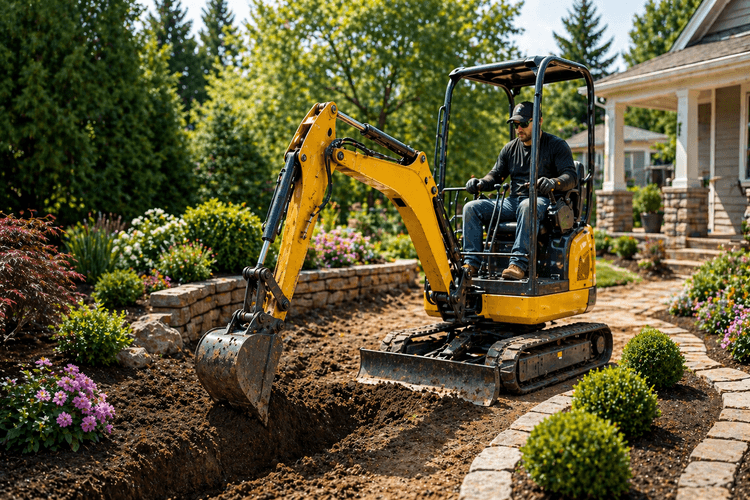
Best Wheel Bearing Grease for Construction Equipment
7 Lectura mínima
&w=3840&q=75)
febrero 6, 2025
Wheel bearings are critical components in construction equipment, ensuring the smooth operation of heavy machinery such as loaders, excavators, scrapers, and dump trucks. Without proper lubrication, they can overheat, wear out quickly, and even fail-leading to costly downtime and repairs. Choosing the right wheel bearing grease is essential for maintaining performance, longevity, and efficiency in harsh working environments. In this guide, we’ll explore the best wheel bearing grease options for construction equipment, the types of grease that work best, and how to properly lubricate a wheel bearing.
What is wheel bearing grease?
Wheel bearing grease is a specialized lubricant that reduces friction, protects bearings from wear, resists moisture, and helps prevent overheating.
Equipo reciente
Examinar todas las equipo


What is the best grease for construction equipment?
The best grease depends on the equipment, operating conditions, and manufacturer recommendations. Common choices include lithium, calcium sulfonate, and synthetic grease.
How often should wheel bearings be greased?
Greasing intervals vary by equipment type, operating hours, and working conditions. Always follow the manufacturer's recommended maintenance schedule.
Can you mix different types of grease?
Mixing incompatible greases is generally not recommended because it may reduce lubrication performance and damage bearings.
What does NLGI Grade 2 mean?
NLGI Grade 2 is the most commonly used grease consistency for heavy equipment, offering a balance of pumpability and bearing protection.
Real-World Heavy Equipment Lubrication Insights
Experienced technicians understand that proper lubrication is one of the simplest ways to extend wheel bearing life. Successful maintenance programs rely on using manufacturer-approved grease, following scheduled service intervals, keeping lubrication points clean, and maintaining accurate maintenance records. Regular inspections and consistent preventive maintenance help reduce downtime, improve equipment reliability, and lower long-term repair costs.
Best Wheel Bearing Grease Options for Construction Equipment
%3Aformat(webp)&w=1920&q=75)
Using high-quality grease helps keep your wheel bearings in top condition, even under extreme conditions. Here are some of the best wheel bearing grease options trusted in the construction industry:
Lucas Oil X-Tra Heavy-Duty Grease -Designed for high loads and extreme conditions.
Timken Premium High-Temp Grease -Offers superior temperature resistance for heavy equipment.
Royal Purple Ultra-Performance Grease -A synthetic option with exceptional wear protection for industrial applications.
Mobilgrease XHP 222 -Excellent for construction vehicles operating in wet and dirty environments.
CAT Extreme Application Grease -Formulated specifically for Caterpillar heavy machinery and other large equipment.
When selecting a grease, consider factors such as operating temperature, extreme pressure resistance, and exposure to dirt and water.
What Type of Grease is Best for Construction Equipment Wheel Bearings?
The best type of grease for wheel bearings in construction equipment depends on the application. Here are the most common types:
Lithium Complex Grease -A popular choice due to its high melting point, extreme pressure additives, and versatility. Suitable for most heavy machinery applications.
Calcium Sulfonate Grease -Offers excellent water resistance, corrosion protection, and high-temperature stability. Ideal for construction vehicles working in wet and muddy conditions.
Moly (Molybdenum Disulfide) Grease -Perfect for high-load applications where metal-to-metal contact occurs frequently. Used in heavy-duty off-road equipment.
Polyurea Grease -Commonly used in sealed-for-life bearings in industrial applications due to its excellent longevity and temperature resistance.
Synthetic Grease -Provides superior performance in extreme temperatures and high-pressure environments. Ideal for long-term durability in heavy-duty construction equipment.
For most construction machinery, lithium complex or calcium sulfonate grease is recommended due to their excellent extreme-pressure performance and resistance to contaminants.
How Do You Lubricate a Wheel Bearing in Construction Equipment?
%3Aformat(webp)&w=1920&q=75)
Properly lubricating your wheel bearings can extend their lifespan and enhance performance. Follow these steps to ensure effective lubrication:
Tools & Materials Needed:
Heavy-duty wheel bearing grease
Clean rags
Grease gun (for easier application)
Disposable gloves
Bearing packer (optional but helpful for uniform distribution)
Step-by-Step Guide:
Inspect the wheel assembly -Ensure the equipment is safely lifted and stable. Remove the wheel and hub assembly to access the bearings.
Clean the old grease and debris -Wipe away old grease using a clean rag or solvent to prevent contamination.
Apply fresh grease -If hand-packing, place grease in your palm and press the bearing into it until grease comes out of the other side. For high-volume applications, use a grease gun or bearing packer.
Reassemble the hub -Ensure the greased bearing is properly seated before reassembling.
Perform a final check -Rotate the wheel to confirm smooth movement and check for excess grease leakage.
Regular maintenance of wheel bearings will prevent premature wear and ensure smooth operation in demanding job sites.
Factors to Consider When Choosing Wheel Bearing Grease for Construction Equipment
When selecting the best grease for your wheel bearings, consider the following factors:
Extreme Pressure (EP) Performance - Construction equipment operates under heavy loads, requiring grease with EP additives.
Temperature Rating - Ensure the grease can withstand both high operating temperatures and cold-start conditions.
Equipo reciente
Examinar todas las equipo


Water and Dirt Resistance - Essential for machines frequently exposed to mud, water, and dust.
Anti-Corrosion Properties - Helps prevent rust and prolongs bearing life in harsh environments.
Compatibility - Not all greases are compatible with each other. Mixing different types can lead to lubrication failure.
Equipment-Specific Grease Recommendations
Different machines may require different grease specifications.
Common equipment includes:
Backhoe loaders
Dump trucks
Rollers
Cranes
Always follow the manufacturer's recommended grease type and maintenance intervals for each machine.
Grease Storage and Handling Best Practices
Store grease in a clean, dry environment away from moisture, dirt, and direct sunlight.
Best practices include:
Keep containers sealed.
Label grease types clearly.
Avoid cross-contamination.
Use clean dispensing equipment.
Rotate inventory using older products first.
Proper storage helps maintain grease performance and extends shelf life.
Greasing Intervals and Preventive Maintenance Schedule
Greasing frequency depends on operating hours, load, environment, and equipment type.
Best practices include:
Perform daily visual inspections.
Lubricate according to the OEM schedule.
Increase greasing frequency in dusty, wet, or high-load conditions.
Record all maintenance activities.
Routine lubrication improves reliability and lowers repair costs.
Common Lubrication Mistakes to Avoid
Avoid these common mistakes:
Over-greasing bearings
Under-greasing components
Mixing incompatible greases
Using the wrong grease grade
Ignoring contamination
Skipping routine inspections
Following proper lubrication practices improves equipment reliability and bearing life.
Frequently Asked Questions
What is the best wheel bearing grease for heavy equipment?
The best grease is one that meets the manufacturer's specifications and suits your operating environment, load, and temperature conditions.
How often should construction equipment wheel bearings be greased?
Follow the OEM maintenance schedule and increase lubrication frequency when operating in dusty, wet, or high-load environments.
Can different grease types be mixed?
Only if they are compatible. Always check manufacturer guidance before mixing greases.
What causes wheel bearing grease to fail?
Heat, contamination, moisture, incorrect grease selection, and inadequate maintenance are common causes of grease failure.
How should grease be stored?
Store grease in sealed containers in a clean, dry location away from moisture, dirt, and direct sunlight.
Can over-greasing damage wheel bearings?
Yes. Excess grease can generate heat, damage seals, and reduce bearing performance.
How do I know when wheel bearing grease needs replacing?
Replace grease if it becomes contaminated, discolored, leaks excessively, or if bearings show signs of overheating or unusual noise.
Conclusion & Final Recommendations
Choosing the right wheel bearing grease for construction equipment is essential for maximizing uptime and reducing maintenance costs. Lithium complex and calcium sulfonate greases are among the best choices for most heavy-duty applications due to their high load capacity and resistance to contaminants. Regular maintenance and using the correct grease type will ensure your equipment operates smoothly in demanding job site conditions.
Final Tips:
Always follow manufacturer recommendations for grease type and lubrication intervals.
Regularly inspect and re-grease bearings to prevent premature wear.
Use high-quality, heavy-duty grease to ensure optimal performance and longevity.
By choosing the best grease and maintaining your wheel bearings properly, you can keep your construction equipment running efficiently and minimize downtime on the job site.


Artículos relacionados
Más en Insight