How to Find Custom Home Builders and Build a Dream Home Affordably
6 Lectura mínima
&w=3840&q=75)

mayo 5, 2025
Thinking about building your dream home? A custom home builder can help turn that vision into reality. Whether you're starting from scratch or want to design every detail of your next home, working with a custom home builder gives you full control over layout, finishes, energy efficiency, and more.
Real-World Custom Home Construction Experience
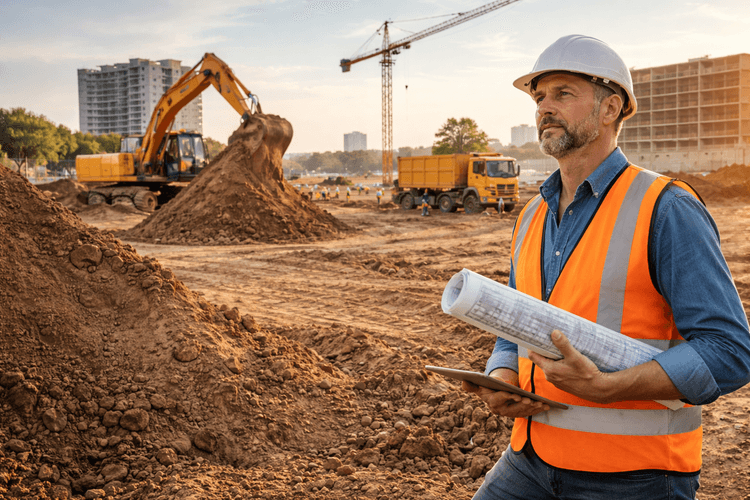
This guide includes insights from custom home builders, excavation contractors, project managers, heavy equipment operators, and residential construction professionals experienced in:


site preparation and grading
foundation excavation
utility installation
custom home project management
residential land development
construction scheduling and budgeting
Successful custom home construction requires careful planning, reliable equipment, skilled trades, and strong contractor coordination to ensure projects stay on schedule and within budget.
How Much Does It Cost to Build a Custom Home?
Custom home costs vary based on location, square footage, materials, site conditions, labor, and construction complexity.
Is Building a Custom Home Worth It?
Building a custom home allows homeowners to personalize layouts, materials, energy efficiency features, and long-term property value.
What Is a Custom Home Builder?
%3Aformat(webp)&w=1920&q=75)
A custom home builder is a contractor or company that specializes in designing and building personalized homes tailored to a client’s specific needs, tastes, and budget. Unlike production builders who create a limited number of floor plans across developments, custom builders work closely with clients to build one-of-a-kind homes.
These professionals handle everything from site preparation and permits to construction and final touches. Some even offer design-build services, meaning they’ll help with architecture and design, too.
Custom Home Builders in the US: What Sets Them Apart?
The United States is home to a wide range of custom home builders, from small local companies to nationally recognized names. What makes a good custom home builder stand out?
Experience - Years in business and a solid portfolio speak volumes.
Customization options - The more control you have over floor plans, finishes, and layouts, the better.
Quality of materials - A great builder doesn’t cut corners on craftsmanship or materials.
Client communication - Clear, consistent updates make for smoother projects.
Energy efficiency - Top builders are now incorporating green building practices and modern technology.
When comparing custom home builders in the US, look for reviews, certifications, and examples of completed projects.
Custom Home Builder vs Production Home Builder
Choosing the right builder is one of the most important decisions in any residential construction project.
%3Aformat(webp)&w=1920&q=75)
Custom builders offer greater design flexibility, while production builders often focus on speed and standardized construction methods.
How to Find a Home Builder in Your Area
If you're wondering how to find a home builder in your area, here are a few proven tips:
Search Online Directories - Use websites like the National Association of Home Builders (NAHB) or Houzz to find reputable builders.
Ask for Referrals - Friends, family, and local real estate agents can often recommend builders they trust.
Attend Home Shows or Tours - These events let you meet builders and see their work in person.
Check Local Listings and Reviews - Google, Yelp, and Angi can offer insight into a builder’s reputation.
Interview Multiple Builders - Don’t settle. Get quotes, ask questions, and compare services.
Be sure to ask about licensing, insurance, timelines, and past client references.
The Cheapest Way to Build a Custom Home
While custom homes are often thought of as pricey, there are ways to reduce costs without sacrificing quality:
Build up, not out - Two-story homes generally cost less per square foot than sprawling single-story designs.
Simplify your layout - Fewer corners and simpler rooflines mean lower construction costs.
Choose standard sizes and finishes - Custom features can add up quickly.
DIY what you can - If you’re handy, take on some of the finishing work like painting or landscaping.
Find land wisely - Building on a flat, developed lot reduces site prep costs.
Work with a budget-conscious builder - Some custom home builders specialize in affordable builds without skimping on quality.
Talk to your builder about cost-saving options early in the planning process.
Exploring Custom Home Builder Jobs
%3Aformat(webp)&w=1920&q=75)
Interested in a career building dream homes? The demand for custom home builder jobs is growing. These roles include:
Project Managers
Site Supervisors
Construction Laborers
Architectural Designers
Interior Designers
Sales & Estimators
Skills in carpentry, planning, and customer service are highly valued. Many builders offer apprenticeships or on-the-job training, and some positions may require certifications or licensing depending on the state.



With the rise in housing demand and interest in personalized homes, the outlook for jobs in custom home building is strong in 2025 and beyond.
Custom Home Projects Depend on Reliable Equipment & Productivity
Custom home construction projects rely heavily on efficient workflows, skilled crews, and productive equipment to maintain schedules and control costs.
Modern contractors increasingly use:
excavators for site development
compact equipment for material handling
telematics systems for fleet monitoring
digital project management tools
preventive maintenance programs
These strategies help improve:
excavation productivity
grading accuracy
workforce efficiency
project scheduling
overall construction profitability
Contractors that prioritize equipment reliability and productivity are often better positioned to deliver custom homes on time, within budget, and with fewer costly delays.
Why the Right Builder and Equipment Matter
The most successful custom home projects combine:
experienced builders
skilled operators
modern equipment
efficient project management
proactive planning
Whether developing a luxury estate, modern farmhouse, or energy-efficient residence, choosing contractors with strong equipment resources and proven construction experience can significantly improve project outcomes and long-term property value.
Heavy Equipment Used in Custom Home Construction
Heavy equipment plays a critical role in preparing residential building sites and supporting efficient custom home construction workflows.
Common equipment includes:
Excavators
Used for:
foundation excavation
trenching utilities
drainage installation
Bulldozers
Used for:
site clearing
grading
land preparation
Compact Track Loaders
Used for:
material movement
finish grading
landscaping preparation
Skid Steers
Used for:
site cleanup
backfilling
material handling
Telehandlers
Used for:
lifting framing materials
roofing support
jobsite logistics
Reliable equipment helps improve productivity, reduce labor demands, and maintain construction schedules.
Final Thoughts
Whether you’re building your forever home or starting your career in residential construction, custom home builders play a vital role in creating spaces that are both functional and beautiful. From finding the right builder in your area to understanding the cheapest way to build a custom home, a little research goes a long way.
Need help choosing the right builder or navigating your home-building journey? Drop a comment or contact us-we're happy to share recommendations and tips to get you started.
Frequently Asked Questions About Custom Home Construction
What is a custom home builder?
A custom home builder designs and constructs homes tailored to a homeowner's specific preferences, budget, and property.
What equipment is used in custom home construction?
Common equipment includes excavators, bulldozers, skid steers, compact track loaders, and telehandlers.
Is a custom home more expensive than a production home?
Custom homes are often more expensive due to personalized designs, unique materials, and customized construction requirements.
How long does custom home construction take?
Most custom home projects take between 8 and 18 months, depending on complexity, permitting, and site conditions.
Why is site preparation important when building a custom home?
Proper site preparation supports foundation stability, drainage, utility installation, and long-term structural performance.
How does heavy equipment improve custom home construction productivity?
Heavy equipment helps speed up excavation, grading, material handling, and site preparation while reducing labor requirements and project delays.


Mike Kennedy is Boom & Bucket's Marketplace Operations Manager, where he leads shipping, warranties, and post-sale operations to create a seamless buyer experience. As one of the company's earliest team members, Mike helped build the foundation of Boom & Bucket's operations and guided its growth through acquisition by RB Global. He is passionate about scaling marketplaces, solving operational challenges, and improving efficiency to deliver industry-leading results.