Shop for Reliable Used Bucket Trucks: A Complete Buying Guide
7 Lectura mínima

junio 11, 2023
If you need a practical way to reach elevated work areas, a used bucket truck can be a valuable addition to your fleet. Electric utilities, telecommunications contractors, tree-care companies, municipalities, construction businesses, and other service contractors use bucket trucks to access overhead work while keeping the operator and equipment together on one vehicle.
A bucket truck combines a truck chassis with an aerial lift, typically using an articulating or telescopic boom and an elevated bucket or platform. The right machine depends on your required working height, platform capacity, terrain, chassis configuration, and the type of work you perform.
Buying used can also give businesses access to equipment at a lower upfront cost than purchasing a comparable new truck. However, condition, maintenance history, mileage, aerial-device specifications, and safety features should all be evaluated before making a purchase.
What Is a Bucket Truck?

Equipo relacionado
Examinar todas las Camiones con plataforma
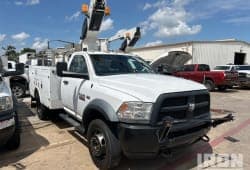
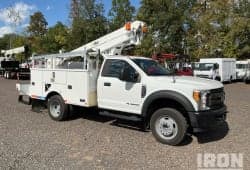
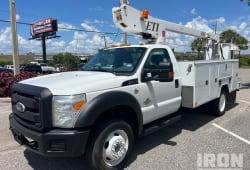
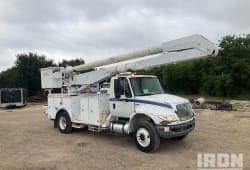
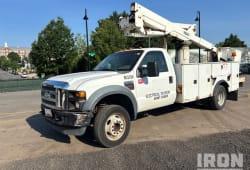
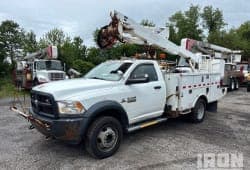
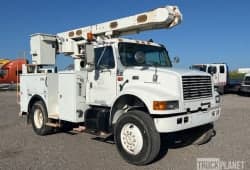
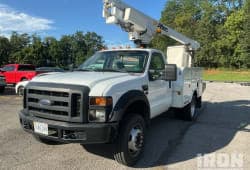
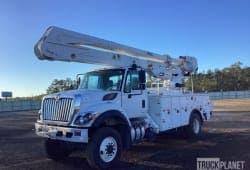
A bucket truck, also called an aerial lift truck or aerial device, is a truck-mounted machine designed to lift workers and equipment to elevated work areas.
The basic setup includes:
A truck chassis
Hydraulic or powered aerial equipment
A boom or combination of booms
An elevated bucket or platform
Stabilizers or outriggers on applicable models
Upper and lower controls
Safety and emergency systems
Bucket trucks come in different configurations. Some are compact enough for utility work in residential areas, while larger units provide substantially greater reach and payload capacity for specialized applications.
The key is matching the machine to the job rather than simply choosing the lowest-priced truck.
Common Uses for Used Bucket Trucks
Used bucket trucks can serve many industries. Common applications include:
Utility and Electrical Work
Utility contractors use aerial trucks for overhead power-line maintenance, installation, inspections, and other elevated work. Depending on the application, insulated aerial equipment may be required.
Telecommunications
Telecom crews can use bucket trucks to install, repair, and maintain overhead communications infrastructure, including cables and related equipment.
Tree Care and Arboriculture
Tree-service companies frequently use bucket trucks to reach branches and perform pruning, trimming, maintenance, and removal work.
Construction and Maintenance
Contractors can use aerial trucks for building maintenance, signage, lighting, inspection, and other jobs that require temporary access to elevated locations.
Municipal and Public Works
Cities, counties, and utility departments may use bucket trucks for streetlight maintenance, tree trimming, facility maintenance, and other infrastructure work.
Used Bucket Truck Buying Guide
Before searching for a used bucket truck for sale, define what the truck needs to accomplish.
Start with these questions:
What working height do you need?
How much platform capacity is required?
Do you need an articulating or telescopic boom?
Will the truck operate on paved roads, jobsites, or rough terrain?
What chassis size and payload do you need?
Does the application require an insulated aerial device?
What attachments or accessories are necessary?
What budget is available for purchase and ongoing maintenance?
These specifications will narrow the market considerably and help prevent buying a truck that is either under-equipped or unnecessarily large for the work.
Used vs. New Bucket Trucks
A used bucket truck can make sense when acquisition cost, availability, and the truck's existing configuration align with your business needs. A new truck may offer the latest configuration and equipment, but purchasing used gives buyers another way to find established models and configurations already suited to specific applications.

The important distinction is not simply “used versus new.” It is whether the specific used truck has the right specifications, documented history, and condition for your application.
What to Inspect on a Used Bucket Truck

A standard truck inspection is only part of the process. Because a bucket truck combines a road vehicle with an aerial lifting system, inspect both systems carefully.
1. Check the Truck Chassis
Inspect the engine, transmission, brakes, steering, tires, suspension, frame, electrical system, and other major truck components.
Look for:
Fluid leaks
Frame damage or corrosion
Uneven tire wear
Warning lights
Excessive engine smoke
Transmission problems
Damaged wiring
Evidence of previous repairs
Mileage matters, but it should not be considered in isolation. A higher-mileage truck with strong maintenance records may warrant closer consideration than a lower-mileage truck with an unclear history.
2. Examine the Boom and Bucket
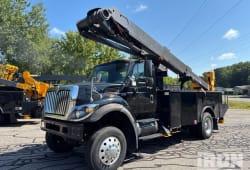
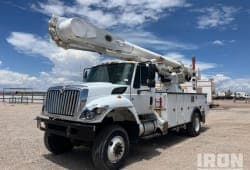
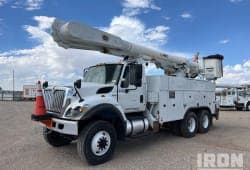
Inspect the aerial equipment for visible damage, excessive wear, corrosion, cracks, and signs of improper repairs.
Operate the system according to the manufacturer's procedures and look for smooth, predictable movement.
Pay particular attention to:
Equipo relacionado
Examinar todas las Camiones con plataforma
Boom sections
Pins and bushings
Hydraulic cylinders
Hydraulic hoses
Bucket condition
Controls
Rotation system
Insulating components where applicable
Emergency systems
Do not exceed the manufacturer's rated load limits. OSHA's aerial-lift requirements include provisions concerning boom and basket load limits, brakes, outriggers, controls, and safe operation.
3. Review Maintenance Records
Maintenance records can tell you much more than age alone.
Look for documentation covering:
Engine and transmission service
Hydraulic maintenance
Aerial-device inspections
Repairs
Component replacements
Preventive maintenance
Previous owners or applications
A consistent maintenance history can help you understand how the machine was used and what maintenance may be coming due.
4. Verify the Specifications
Don't assume that two trucks with similar-looking buckets can perform the same work.
Verify the manufacturer's specifications for:
Working height
Side reach
Platform capacity
Boom configuration
Chassis GVWR
Outrigger configuration
Insulation rating, if applicable
Overall dimensions
Truck payload
The required specifications should come directly from your job requirements and the manufacturer's documentation.
5. Get a Professional Inspection
A professional inspection is especially useful when purchasing an older or heavily used aerial truck.
An experienced inspector or qualified technician can identify mechanical, hydraulic, structural, or electrical problems that may not be obvious during a quick visual inspection.
This step can also help you estimate upcoming repair costs before committing to the purchase.
How Much Does a Used Bucket Truck Cost?

There is no single price for a used bucket truck. Market value varies substantially based on the truck's age, chassis, mileage, working height, brand, aerial configuration, condition, and accessories.
For example, current Boom & Bucket listings include smaller and older units as well as newer, higher-specification trucks, illustrating how widely prices can vary across the used market.
Instead of comparing price alone, calculate the total cost of ownership. Consider the purchase price plus transportation, financing, inspections, insurance, maintenance, repairs, and expected downtime.
A lower purchase price is not necessarily lower cost if the truck immediately requires major repairs.
Financing a Used Bucket Truck
Financing can make it easier to acquire equipment without paying the entire purchase price upfront.
Before choosing a financing option, consider:
Down payment
Interest rate
Loan term
Monthly payment
Total financing cost
Equipment age requirements
Your expected equipment revenue
Compare financing options based on the total cost rather than focusing only on the monthly payment.
Where to Buy Used Bucket Trucks
Buyers can find used bucket trucks through private sellers, dealerships, auctions, and online equipment marketplaces. Each source can offer different inventory and purchasing processes.
An online marketplace can make it easier to compare truck specifications, prices, mileage, working heights, and configurations before deciding which machines deserve a closer inspection.
Boom & Bucket currently offers used bucket trucks with different chassis, aerial configurations, working heights, ages, and price points, giving buyers multiple configurations to compare.
Why Buy a Used Bucket Truck From Boom & Bucket?
Shopping for heavy equipment should be about more than finding a listing with the lowest price.
At Boom & Bucket, you can browse used bucket trucks and compare equipment based on specifications, condition, mileage, price, and application. The marketplace also provides financing options for buyers who want to explore equipment financing alongside their purchase.
Ready to find your next bucket truck?
Step 1: Define your requirements
Determine your required working height, capacity, chassis size, boom configuration, and application.
Step 2: Browse available equipment
Compare used bucket trucks based on specifications, mileage, year, condition, and price.
Step 3: Review the machine carefully
Check the listing details, maintenance information, photos, and available inspection information.
Step 4: Consider financing and transportation
Explore financing options and arrange transportation to your jobsite or facility.
Step 5: Put the truck to work
Choose equipment that matches your requirements and fits your fleet's operating needs.
Final Thoughts
The right used bucket truck can give contractors, utilities, municipalities, and service businesses the elevated access they need without requiring the investment of a new unit.
The key is doing your homework. Define your application first, verify the truck's specifications, inspect both the chassis and aerial equipment, review maintenance records, and consider the total cost of ownership.
When you're ready to shop, compare available used bucket trucks for sale and look for a machine that fits the work-not simply the cheapest listing.
Start shopping for used bucket trucks with Boom & Bucket and find equipment built around your job requirements.
Artículos relacionados
Más en Insight