Find the Perfect Used Bobcat for Sale: A Complete Buyer's Guide
9 Lectura mínima


junio 20, 2023
Looking for a used Bobcat for sale? Whether you're a construction contractor, landscaper, farmer, or equipment owner, buying a pre-owned Bobcat machine can help you expand your capabilities without the higher upfront cost of buying new.
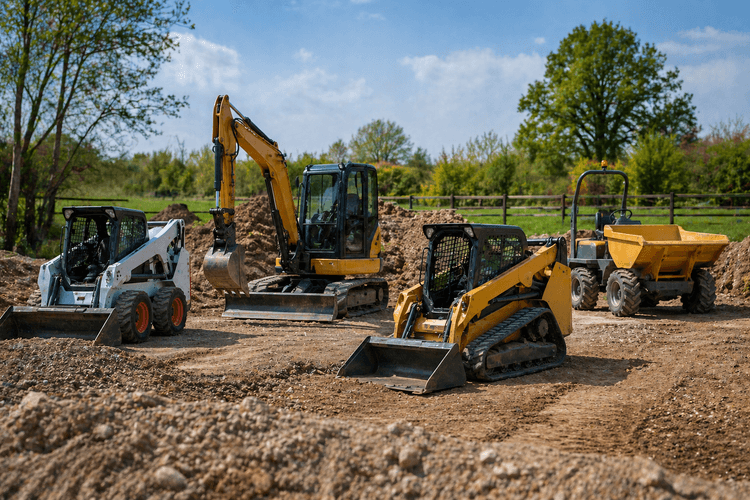
Bobcat equipment is widely used for material handling, grading, excavation, landscaping, and property maintenance. From skid steer loaders and compact track loaders to mini excavators and compact utility machines, the right model can help you complete demanding jobs in tight spaces.
However, not every used machine offers the same value. Operating hours, maintenance history, hydraulic performance, attachment compatibility, and overall condition can make a significant difference in your investment.
This guide explains how to choose the right used Bobcat, inspect equipment before purchasing, compare machine types, and evaluate the total cost of ownership.
Why Buy a Used Bobcat?

Equipo reciente
Examinar todas las equipo


Buying used equipment can be a practical choice for businesses that need reliable machinery while managing their capital.
Lower upfront investment: A pre-owned machine may cost less than a comparable new model, leaving more room in your budget for attachments, transportation, and maintenance.
More equipment for your budget: Depending on availability and condition, the used market may provide access to a larger machine or a better-equipped model within your spending limit.
Faster fleet expansion: Purchasing available used equipment can help you add capacity when new-machine lead times do not match your project schedule.
Versatile applications: Many Bobcat machines support interchangeable attachments, allowing operators to perform multiple tasks with one base machine when the equipment is properly configured.
The key is to evaluate the specific machine rather than assuming every used Bobcat is a good investment. A lower purchase price means little if the equipment requires expensive repairs shortly after delivery.
1. Choose the Right Type of Bobcat Machine
Before searching for a used Bobcat for sale, identify the machine category that best matches your work.
Skid Steer Loaders
Skid steers are compact, maneuverable machines suited to loading, grading, material handling, and general construction work. Wheeled models are often practical for firm surfaces, paved areas, and jobs requiring frequent turns.
They are a strong option for contractors who need a versatile loader for everyday site work.
Compact Track Loaders
Compact track loaders use rubber tracks instead of wheels. Their larger ground-contact area generally provides better flotation on soft soil, mud, and uneven terrain.
They are worth considering for landscaping, land preparation, and construction sites where traction and reduced ground pressure are priorities. Track and undercarriage maintenance should be included in your budget.
Mini Excavators
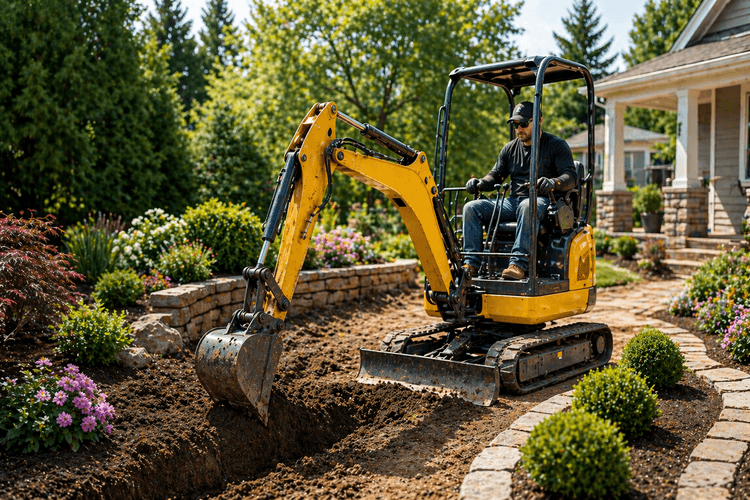
Bobcat mini excavators are designed for digging, trenching, foundation work, and utility installation. Their compact size makes them useful when working near buildings, fences, and other obstacles.
When evaluating a used mini excavator, pay particular attention to the boom, arm, bucket pins, hydraulic system, tracks, and swing mechanism.
Compact Utility Machines
Depending on the application, compact utility machines can help with landscaping, property maintenance, and work in restricted spaces. Check the machine's intended use, rated capacity, compatible attachments, and operating requirements before buying.
2. Compare Machine Types Before Buying
Use this comparison to narrow your search according to the work you perform most often.

Buying tip: Choose the machine based on your most frequent jobs, not simply the lowest asking price. A loader is not a direct substitute for an excavator when precise trenching is the primary requirement.
3. Evaluate Operating Hours, Age, and Maintenance History
Operating hours are an important starting point when comparing used equipment, but they do not tell the whole story.
A machine with relatively low hours may have been poorly maintained or stored for extended periods. Another with higher hours may have received regular servicing and operated under less demanding conditions.
When evaluating a used Bobcat, review:
Operating hours: Compare the hour meter with the machine's age, condition, and available service records.
Maintenance history: Look for documented oil changes, filter replacements, hydraulic servicing, and scheduled maintenance.
Previous applications: Ask whether the machine performed general construction, demolition, land clearing, agricultural work, or another demanding task.
Repair history: Find out whether major components have been replaced or rebuilt.
Storage conditions: Consider signs of corrosion, weather exposure, or deterioration associated with long periods of inactivity.
A documented service history and a thorough inspection provide stronger evidence of condition than engine hours alone.
4. Inspect a Used Bobcat Before Purchasing

Never rely solely on photographs or the seller's description when evaluating a substantial equipment investment. Whenever possible, arrange an in-person inspection or an assessment by a qualified heavy equipment technician.
Engine and Cooling System
Look for fluid leaks, damaged hoses, unusual noises, excessive smoke, and signs of overheating. If possible, observe a cold start and check whether the engine runs consistently.
Hydraulic System
Inspect hoses, cylinders, fittings, and couplers for leaks or damage. Operate the lift arms, boom, bucket, and auxiliary hydraulics to identify slow, jerky, or inconsistent movements.
Equipo reciente
Examinar todas las equipo


Tires or Tracks
On skid steers, examine tire wear, sidewall damage, and wheel-drive performance. On compact track loaders and mini excavators, inspect tracks, rollers, idlers, sprockets, and undercarriage components.
Frame and Working Components
Check the frame, lift arms, boom, attachment points, welds, and other structural areas for cracks, deformation, or evidence of major repairs.
Controls and Safety Systems
Test the operating controls, instrument panel, warning indicators, seat belt, interlocks, and other installed safety equipment. Confirm that the machine operates according to the manufacturer's instructions.
Documents and Identification
Verify the model, serial number, ownership documentation, service records, and any available inspection reports. Confirm that the machine's configuration matches the listing.
An independent inspection can help identify potential repair costs before you commit to a purchase.
5. Check Attachment Compatibility
One of the biggest advantages of compact equipment is the ability to perform different jobs with attachments. However, compatibility is not universal.
Common attachments include:
General-purpose buckets for moving soil and aggregates
Pallet forks for handling palletized materials
Grapples for brush and irregular debris
Augers for drilling holes
Trenchers for utility and irrigation work
Brush cutters for vegetation management
Hydraulic breakers for suitable demolition tasks
Before buying, verify the mounting interface, machine capacity, attachment weight, hydraulic flow, hydraulic pressure, and electrical requirements where applicable.
High-flow attachments, in particular, may require a specific hydraulic configuration. Confirm compatibility with the exact model and serial-number configuration before budgeting for additional equipment.
6. Understand the Total Cost of Ownership
The purchase price is only one part of your investment. To estimate the true cost of a used Bobcat, account for the expenses associated with putting it to work and keeping it productive.
Include:
Purchase price and applicable taxes or fees
Financing costs and insurance
Fuel and routine maintenance
Tires, tracks, and undercarriage wear
Repairs and replacement parts
Attachments and accessories
Transportation and delivery
Storage and operator training where needed
Compare the expected ownership cost with the revenue or labor savings the machine could generate. Consider how many productive hours you expect to use it each month and whether seasonal slowdowns could affect cash flow.
A machine with a higher initial price may provide better value if it has a stronger maintenance history and needs fewer immediate repairs. Conversely, a cheaper machine can become an expensive purchase if major components need replacement.
7. Compare Listings and Make an Informed Purchase
Once you've identified the right machine type, compare several listings rather than choosing the first available option.
Look at the model year, operating hours, rated operating capacity where applicable, machine weight, attachments, condition, and asking price. Check whether listings provide consistent information so that you can make a fair comparison.
Ask the seller about inspection opportunities, known mechanical issues, recent repairs, and included accessories. Clarify delivery arrangements and any applicable warranty or assurance terms rather than assuming they are included.
You can begin your search with used Bobcat skid steer loaders on Boom & Bucket or explore all used Bobcat equipment.
Find Your Next Used Bobcat with Boom & Bucket
The right used Bobcat can help your business improve productivity, take on more work, and manage equipment costs. The best purchase starts with a clear understanding of your job requirements, a realistic budget, and a careful evaluation of machine condition.
Ready to find your next machine?
Browse: Explore available used Bobcat equipment on Boom & Bucket.
Compare: Narrow your choices by machine type, model, operating hours, condition, and price.
Evaluate: Review available specifications, inspection information, and maintenance history.
Plan your budget: Account for repairs, attachments, transportation, and financing costs.
Take the next step: Contact the appropriate seller or follow the listing's purchase process to move forward.
Start with Boom & Bucket's used Bobcat inventory to compare available machines and find an option suited to your next project.
Frequently Asked Questions
Is buying a used Bobcat worth it?
It can be worthwhile when the machine's condition, maintenance history, specifications, and price align with your workload. Compare expected repair costs and ownership expenses before purchasing.
How many hours are too many on a used Bobcat?
There is no universal hour limit. Maintenance, previous applications, operating conditions, and component wear matter alongside the hour meter. Inspect the machine and review its service records before deciding.
What should I inspect when buying a used Bobcat skid steer?
Check the engine, cooling system, hydraulic components, tires or tracks, frame, lift arms, controls, safety systems, and attachment coupler. An independent mechanical inspection is advisable when practical.
Which used Bobcat is best for landscaping?
A skid steer can suit loading, grading, and material handling, while a compact track loader may be better for soft or muddy ground. A mini excavator is often more appropriate for digging and trenching. Choose according to your actual workload.
Can I finance a used Bobcat?
Financing may be available for eligible buyers and equipment. Review the interest rate, repayment schedule, fees, down payment, and total borrowing cost before accepting an offer.
Final Thoughts
Finding the perfect used Bobcat for sale requires more than comparing prices and operating hours. Match the machine to your work, inspect its critical components, verify attachment compatibility, and calculate the total cost of ownership.
With a clear buying plan and careful research, you can make a more informed equipment investment. Explore Boom & Bucket's used Bobcat listings to compare available options and find a machine that supports your business goals.


Post acquisition of Boom & Bucket, the company he founded, Adam now leads Marketplace Growth for Ritchie Bros.