How to De-Risk Buying Heavy Equipment Online: The Complete 2026 Buyer's Guide
19 Lectura mínima
&w=3840&q=75)
noviembre 3, 2022
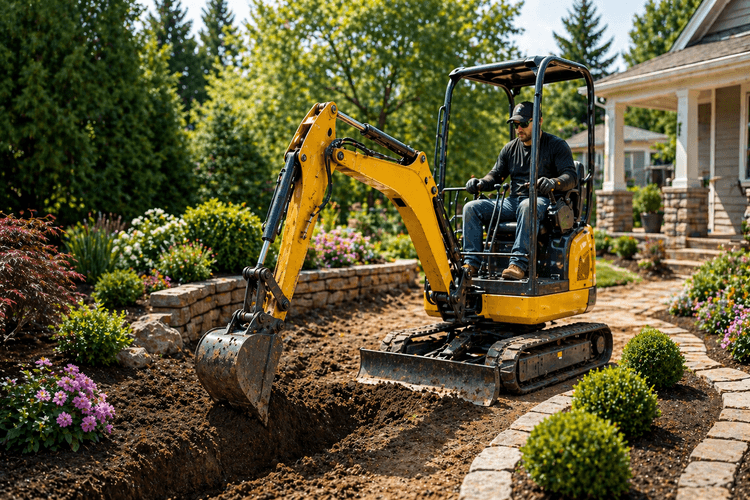
Buying heavy equipment online has become one of the fastest and most convenient ways for contractors, construction companies, farmers, fleet managers, and owner-operators to find quality machines at competitive prices. From excavators and bulldozers to wheel loaders, skid steers, cranes, and articulated trucks, online marketplaces now provide access to thousands of machines across North America and beyond.
While online buying offers greater selection and pricing flexibility, it also introduces risks that traditional dealership purchases may not. Inaccurate listings, incomplete maintenance records, hidden mechanical issues, transportation challenges, and fraudulent sellers can turn what appears to be a great deal into an expensive mistake.
Fortunately, these risks can be significantly reduced by following a structured buying process. Careful research, independent inspections, equipment history verification, secure payment methods, and working with trusted marketplaces all help buyers make informed purchasing decisions.
In this guide, you'll learn how to buy heavy equipment online with confidence, avoid common scams, verify equipment condition, evaluate ownership costs, and choose the right machine for your business.
Whether you're purchasing your first used excavator or managing a growing fleet of construction equipment, these best practices will help you reduce risk while maximizing the value of your investment.
Quick Answer: How Can You Safely Buy Heavy Equipment Online?
%3Aformat(webp)&w=1920&q=75)
Equipo reciente
Examinar todas las equipo


Buying heavy equipment online is safest when you:
1. Verify the seller's identity.
2. Review independent inspection reports.
3. Confirm maintenance and service records.
4. Check machine ownership and serial numbers.
5. Request high-quality photos and videos.
6. Verify operating hours.
7. Review oil analysis when available.
8. Compare market pricing.
9. Use secure payment methods.
10. Buy through a trusted heavy equipment marketplace.
Following these steps helps minimize financial risk while increasing confidence in your purchase.
Why More Contractors Are Buying Heavy Equipment Online
The heavy equipment industry has changed dramatically over the past decade. Today, buyers no longer need to visit multiple dealerships or travel long distances to inspect every machine. Modern online marketplaces provide detailed equipment listings, inspection reports, financing options, and transportation services that make purchasing used equipment more convenient than ever.
Online buying also gives contractors access to a wider range of equipment, making it easier to compare brands, machine specifications, prices, and locations before making a decision.
Key Benefits of Buying Heavy Equipment Online
Larger Equipment Selection
Online marketplaces offer access to machines from multiple sellers across different regions, increasing the likelihood of finding equipment that matches your budget and project requirements.
Competitive Pricing
Comparing listings from multiple sellers makes it easier to identify fair market value and negotiate competitive pricing.
Greater Transparency
Many reputable marketplaces provide detailed photos, equipment specifications, inspection reports, maintenance history, and operating hours to help buyers evaluate machine condition before purchase.
Time Savings
Instead of visiting several dealerships, buyers can compare equipment, request additional information, and complete much of the purchasing process remotely.
Nationwide Availability
Online platforms allow contractors to source equipment from locations outside their local market, expanding inventory options and improving purchasing flexibility.
Common Risks of Buying Heavy Equipment Online
Although online purchasing offers many advantages, buyers should understand the potential risks before making a significant investment.
Inaccurate Equipment Descriptions
Some listings may omit important details about machine condition, repairs, or previous usage.
Always compare the written description with inspection reports and supporting photos.
Hidden Mechanical Problems
Surface appearance rarely tells the full story.
Issues involving hydraulics, engines, undercarriages, transmissions, or structural components may not be immediately visible without a professional inspection.
Fraudulent Listings
Scammers may advertise equipment they do not own or create duplicate listings using stolen photos.
Always verify ownership before transferring funds.
Transportation Challenges
Shipping oversized construction equipment requires specialized carriers, permits, scheduling, and insurance.
Understanding transportation costs before purchasing prevents unexpected expenses.
Limited Return Options
Unlike consumer products, heavy equipment purchases often have limited return opportunities.
Due diligence before payment is far more effective than attempting to resolve problems afterward.
Step 1: Define Your Equipment Requirements
Before browsing listings, clearly identify the type of machine that best fits your business.
Ask yourself:
· What type of projects will this machine perform?
· What operating weight do I need?
· Which attachments are required?
· What lifting capacity is necessary?
· Will the machine operate on rough terrain?
· Are emissions regulations a factor in my area?
· How many operating hours are acceptable?
· What is my total budget, including transportation and maintenance?
Creating a clear list of requirements helps narrow your search and reduces the likelihood of purchasing equipment that doesn't match your operational needs.
Step 2: Research Current Market Prices
Understanding market value is one of the most effective ways to avoid overpaying.
Compare:
· Similar machine models
· Manufacturing year
· Operating hours
· Attachment packages
· Inspection condition
· Geographic location
· Dealer vs. private seller pricing
If a machine is priced significantly below comparable listings, investigate carefully before proceeding. While some sellers may be motivated to sell quickly, unusually low prices can also indicate hidden mechanical issues or fraudulent listings.
Step 3: Buy From Reputable Sellers
The seller plays a critical role in the buying experience.
Look for sellers who provide:
· Complete equipment descriptions
· Multiple high-resolution photos
· Machine serial numbers
· Maintenance records
· Inspection documentation
· Responsive communication
· Transparent ownership history
Avoid sellers who refuse to answer questions, provide limited information, or pressure buyers into making immediate payments.
Step 4: Verify Equipment Ownership
Before purchasing any machine, confirm that the seller has the legal authority to sell it.
Verify:
· Serial number
· Ownership documentation
· Existing liens
· Registration (where applicable)
· Financing status
· Import/export documentation if applicable
Ownership verification helps reduce the risk of purchasing stolen or encumbered equipment.
Boom & Bucket Buying Tip
Choosing a trusted marketplace can dramatically reduce many of the risks associated with purchasing heavy equipment online. Boom & Bucket combines professionally inspected equipment listings with transparent machine information, financing solutions, and transportation support, giving buyers greater confidence throughout the purchasing process.
Instead of relying solely on seller descriptions, buyers can review detailed equipment information and make more informed decisions before committing to a purchase.
Inspect Before You Invest: The Ultimate Heavy Equipment Inspection Checklist
%3Aformat(webp)&w=1920&q=75)
One of the biggest advantages of buying heavy equipment online today is access to detailed inspections, high-resolution images, and virtual evaluations. However, even with these resources, buyers should never rely solely on photos or seller descriptions.
A thorough inspection helps uncover mechanical issues, estimate future repair costs, verify machine condition, and reduce the likelihood of unexpected downtime after purchase.
Whether you're buying an excavator, dozer, skid steer, wheel loader, crane, or articulated truck, use the following checklist before committing to any purchase.
Step 5: Review an Independent Equipment Inspection
An independent inspection is one of the most valuable tools available when buying used heavy equipment online.
Unlike seller-written descriptions, professional inspections provide an objective assessment of the machine's condition and help identify worn components, leaks, structural damage, and potential maintenance needs.
A quality inspection should evaluate:
· Engine performance
· Hydraulic systems
· Transmission
· Final drives
· Undercarriage or tires
· Electrical components
· Cab condition
· Frame integrity
· Attachments
· Safety systems
Why Independent Inspections Matter
Professional inspections help buyers:
· Reduce purchasing uncertainty
· Understand current machine condition
· Estimate future repair costs
· Compare multiple machines objectively
· Increase confidence before making a major investment
Boom & Bucket Advantage
Every professionally inspected machine on Boom & Bucket includes detailed condition information designed to give buyers greater transparency before purchasing. These inspections help reduce uncertainty and allow contractors to compare equipment with confidence.
Heavy Equipment Inspection Checklist
Use this checklist whenever evaluating used equipment online.
Engine
✔ Starts easily
✔ No excessive smoke
✔ No unusual noises
✔ Stable idle
✔ No visible oil leaks
✔ Proper coolant level
✔ No overheating history
Warning Signs
· Blue smoke
· White smoke after warm-up
· Knocking sounds
· Oil contamination
· Excessive crankcase pressure
Hydraulic System
Hydraulic repairs can be among the most expensive maintenance items on heavy equipment.
Inspect:
✔ Hydraulic cylinders
✔ Hose condition
✔ Fittings
✔ Pump performance
✔ Boom movement
✔ Bucket operation
✔ Auxiliary hydraulics
Look For
· Leaking seals
· Cracked hoses
· Jerky movements
· Slow cycle times
· Hydraulic overheating
Undercarriage (Tracked Equipment)
The undercarriage often represents one of the largest ownership costs for tracked machines.
Inspect:
· Track shoes
· Rollers
· Idlers
· Sprockets
· Track tension
· Bushings
· Pins
Excessive wear may significantly increase future ownership costs.
Tires (Wheel Equipment)
For wheel loaders, articulated trucks, and skid steers:
Check:
✔ Tread depth
✔ Sidewall damage
✔ Uneven wear
✔ Cuts
✔ Proper inflation
Large off-road tires can cost thousands of dollars to replace, making their condition an important part of the buying decision.
Attachments
Inspect every included attachment carefully.
Look for:
· Cracked welds
· Bent cutting edges
· Excessive wear
· Missing teeth
· Hydraulic leaks
· Pin wear
· Loose bushings
Attachments in good condition can significantly increase the overall value of the purchase.
Cab Condition
The cab reflects how well the machine has been maintained.
Inspect:
· Seat condition
· Gauges
· Joysticks
· Safety switches
· Glass
· Backup camera
· Horn
· Lighting
Structural Components
Carefully inspect:
· Boom
· Stick
· Loader arms
· Frame
· Counterweight
· Weld repairs
Fresh paint covering structural areas may warrant closer inspection, as it can sometimes conceal previous damage or repairs.
Step 6: Verify Machine Hours
Operating hours provide valuable insight into equipment usage, but they should never be evaluated in isolation.
Instead, compare machine hours with:
· Overall appearance
· Pedal wear
· Joystick wear
· Seat condition
· Maintenance history
· Inspection findings
A machine with higher hours that has been consistently maintained may represent better value than a lower-hour machine with poor service history.
Step 7: Review Maintenance Records
Service records reveal how well a machine has been cared for throughout its life.
Request documentation showing:
· Oil changes
· Hydraulic filter replacements
· Coolant service
· Fuel filter changes
· Transmission maintenance
· Final drive servicing
· Major repairs
· Component replacements
Complete maintenance documentation often reflects responsible ownership and helps buyers estimate future maintenance requirements.
Step 8: Request Oil Analysis
Oil analysis provides valuable information that cannot be seen during a visual inspection.
Laboratory testing can detect:
· Metal contamination
· Coolant intrusion
· Fuel dilution
· Excessive wear
· Internal engine damage
· Hydraulic contamination
For higher-value equipment, requesting recent oil analysis results can significantly reduce purchasing risk.
Step 9: Review High-Quality Photos and Videos
Photos should document every major area of the machine - not just the best-looking angles.
Request images of:
· Engine compartment
· Hydraulic pumps
· Cylinders
· Undercarriage
· Tires
· Cab
· Bucket
· Attachments
· Serial number plate
· Hour meter
· Counterweight
· Roof
· Final drives
Videos should demonstrate:
· Cold start
· Engine idle
· Boom operation
· Swing function
· Travel
· Attachments
· Hydraulic response
· Instrument panel
The more visual information available, the easier it becomes to evaluate overall machine condition before scheduling transportation.
Step 10: Schedule a Live Virtual Walkaround
Virtual inspections have become increasingly common in the heavy equipment industry.
During a live video call, ask the seller to demonstrate:
· Cold start
· Engine sounds
· Hydraulic operation
· Bucket movement
· Travel motors
· Cab controls
· Warning lights
· Attachments
· Serial number
· Hour meter
A live walkaround allows buyers to ask questions in real time and request close-up views of areas that may not appear clearly in photos.
Questions Every Buyer Should Ask
Before making an offer, ask the seller:
· Why is the machine being sold?
· How long have you owned it?
· Was it part of a rental fleet?
· Has it been involved in an accident?
· Have major components been replaced?
· Are maintenance records available?
· Has the engine ever been rebuilt?
· Are there any known hydraulic issues?
· Is financing currently attached to the machine?
· Are all attachments included?
Clear, detailed answers help establish transparency and build confidence in the transaction.
Essential Documentation Checklist
Always request copies of available documentation before completing a purchase.
Ownership
✔ Bill of Sale
✔ Proof of ownership
✔ Lien release (if applicable)
Equipment Information
✔ Serial number
✔ Manufacturer information
✔ Hour meter reading
✔ Inspection report
Maintenance
✔ Service history
✔ Oil analysis
✔ Repair invoices
✔ Warranty documentation (if available)
Transportation
✔ Shipping quote
✔ Pickup location
✔ Loading information
✔ Equipment dimensions
Having these documents prepared before payment helps prevent delays and unexpected issues during the purchase process.
Evaluate the Total Cost of Ownership
The purchase price is only part of the investment.
When comparing machines, estimate:
· Transportation costs
· Sales tax or applicable fees
· Insurance
· Initial maintenance
· Replacement wear parts
· Fuel efficiency
· Future repairs
· Attachment compatibility
· Financing costs
· Resale value
A slightly higher-priced machine with excellent maintenance records and lower projected repair costs may provide better long-term value than a cheaper machine requiring immediate repairs.
Boom & Bucket Pro Tip
Equipo reciente
Examinar todas las equipo


A great online buying experience starts with reliable information. Boom & Bucket helps contractors make informed decisions by providing professionally inspected equipment, transparent machine details, financing solutions, and transportation support—all designed to simplify the purchasing process from start to finish.
Whether you're comparing excavators, dozers, loaders, cranes, or other heavy equipment, having access to detailed equipment information can help reduce uncertainty and keep your project moving forward with confidence.
Avoid Costly Mistakes: Common Heavy Equipment Buying Scams and Red Flags
Buying heavy equipment online has never been more accessible, but it has also created new opportunities for fraud. While reputable online marketplaces provide transparency and buyer protections, scammers continue to target contractors with fake listings, stolen equipment, and fraudulent payment requests.
The good news is that most scams follow recognizable patterns. By understanding these warning signs and following a disciplined buying process, you can significantly reduce risk and protect your investment.
Common Heavy Equipment Buying Scams
Fake Equipment Listings
%3Aformat(webp)&w=1920&q=75)
One of the most common scams involves advertisements for machines that don't actually exist.
Scammers often steal photos from legitimate listings and repost them at unrealistically low prices to attract buyers.
Warning Signs
· Prices significantly below market value
· Generic or copied equipment descriptions
· Refusal to provide additional photos
· Pressure to act immediately
· Poor communication
· Seller unwilling to schedule live video inspections
How to Protect Yourself
· Request current photos from multiple angles.
· Ask for a live video walkthrough.
· Verify the serial number.
· Compare the listing with similar equipment online.
Stolen Equipment
Unfortunately, stolen heavy equipment occasionally appears in online marketplaces.
Buying stolen equipment can result in financial losses, legal complications, and equipment seizure.
Verify:
· Serial numbers
· Ownership documentation
· Purchase records
· Existing liens
· Registration (where applicable)
Escrow & Payment Fraud
Fraudsters sometimes create fake escrow websites that appear legitimate.
After funds are transferred, both the money and the equipment disappear.
Best Practices
· Never wire money without verifying the seller.
· Use secure payment methods.
· Confirm escrow providers independently.
· Avoid payment requests made through messaging apps or unofficial channels.
Altered Hour Meters
Some dishonest sellers manipulate hour meters to make equipment appear newer.
Instead of relying only on machine hours, compare them with:
· Seat wear
· Pedal wear
· Control wear
· Inspection findings
· Maintenance history
Excessive wear on a "low-hour" machine deserves closer investigation.
Hidden Damage
Fresh paint, new decals, or recently cleaned equipment can improve appearance but should never replace a thorough inspection.
Pay close attention to:
· Weld repairs
· Structural cracks
· Hydraulic leaks
· Corrosion
· Uneven tire wear
· Excessive undercarriage wear
Red Flags That Should Make You Walk Away
Sometimes the safest buying decision is choosing not to buy.
Consider walking away if the seller:
· Refuses an independent inspection.
· Avoids providing the serial number.
· Cannot produce ownership documents.
· Pushes for immediate payment.
· Avoids live video calls.
· Refuses to answer technical questions.
· Changes the selling price unexpectedly.
· Provides inconsistent machine history.
· Declines to share maintenance records.
· Uses unusually complicated payment instructions.
Remember: another machine will always become available. Don't let urgency override good judgment.
Where Should You Buy Heavy Equipment?
Different buying channels offer different advantages depending on your budget, risk tolerance, and equipment requirements.
Online Marketplace
Advantages
· Large inventory
· Nationwide availability
· Easy price comparison
· Detailed listings
· Financing options
· Equipment inspections
· Transportation assistance
Considerations
· Machines may be located far away.
· Inspection quality varies by platform.
Best for:
Contractors looking for selection, transparency, and convenience.
Equipment Dealers
Advantages
· Local support
· Service departments
· Warranty options
· Financing assistance
Considerations
· Higher pricing
· Smaller inventory
· Limited geographic selection
Best for:
Buyers who prioritize after-sales support and dealer relationships.
Equipment Auctions
Advantages
· Competitive bidding
· Large volume of equipment
· Potential savings
Considerations
· Limited inspection time
· Competitive bidding pressure
· Equipment often sold "as-is"
Best for:
Experienced buyers who understand machine evaluation.
Private Sellers
Advantages
· Negotiable pricing
· Direct communication
Considerations
· Higher fraud risk
· Limited documentation
· No buyer protections
Best for:
Buyers with significant equipment evaluation experience.
Buying Method Comparison
%3Aformat(webp)&w=1920&q=75) Financing Heavy Equipment Purchases
Financing Heavy Equipment Purchases
Many contractors finance equipment to preserve cash flow while expanding their fleet.
Rather than tying up working capital in a single purchase, financing allows businesses to acquire equipment while maintaining liquidity for payroll, fuel, maintenance, and future projects.
Financing May Be Ideal If You:
· Are growing your fleet.
· Want to preserve cash reserves.
· Need multiple machines.
· Prefer predictable monthly payments.
· Plan to generate revenue immediately with the equipment.
Before Applying for Financing
Review:
· Equipment age
· Machine condition
· Inspection reports
· Estimated resale value
· Expected utilization
· Maintenance costs
· Business cash flow
Financing decisions should consider the machine's ability to generate revenue over its useful life.
Boom & Bucket Financing Advantage
Boom & Bucket offers financing solutions designed specifically for heavy equipment buyers. Whether you're purchasing a compact excavator, wheel loader, dozer, skid steer, or crane, financing options can help you acquire equipment while preserving capital for daily operations and future growth.
Planning Equipment Transportation
Transportation is often one of the most overlooked costs when buying equipment online.
Factors affecting shipping costs include:
· Machine weight
· Overall dimensions
· Pickup location
· Delivery destination
· Permit requirements
· Escort vehicles
· Fuel prices
· Seasonal demand
Request transportation estimates before finalizing your purchase to avoid unexpected expenses.
Don't Forget Insurance
Before placing equipment into service, verify:
· Transit insurance
· Property coverage
· Liability coverage
· Theft protection
· Inland marine insurance (where applicable)
Proper insurance protects your investment from the moment the equipment leaves the seller.
Calculate the True Cost of Ownership
The purchase price alone doesn't determine whether a machine is a good investment.
Consider:
Initial Costs
· Purchase price
· Transportation
· Taxes
· Registration
· Financing fees
Operating Costs
· Fuel
· Routine maintenance
· Wear parts
· Tires or undercarriage
· Hydraulic repairs
Long-Term Costs
· Resale value
· Downtime
· Major component replacement
· Storage
· Insurance
A machine with a slightly higher purchase price may ultimately cost less over its lifetime if it has a documented maintenance history and fewer anticipated repairs.
Real-World Buying Insights
Experienced contractors rarely make purchasing decisions based solely on price. Instead, they evaluate how well a machine aligns with their workload, maintenance capabilities, and long-term business goals.
Fleet managers, equipment inspectors, and owner-operators typically compare inspection reports, verify service histories, estimate future maintenance expenses, and consider equipment utilization before making an investment. They also understand the importance of buying from transparent sellers who provide accurate documentation and support throughout the purchasing process.
These practical considerations help reduce risk, improve equipment reliability, and maximize return on investment over the life of the machine.
The Future of Buying Heavy Equipment Online
Technology continues to make online equipment purchasing safer and more transparent.
Emerging innovations include:
· AI-powered equipment recommendations based on project requirements.
· Digital inspection reports with standardized scoring.
· High-resolution 360-degree machine imaging.
· Live virtual inspections with equipment specialists.
· Predictive maintenance insights using telematics.
· Digital financing approvals.
· Streamlined transportation tracking.
· Enhanced fraud detection and buyer verification.
As these technologies become more common, buyers will have even greater confidence when purchasing heavy equipment online.
Boom & Bucket Pro Tip
The best equipment purchases begin with reliable information. Boom & Bucket combines professionally inspected machines, transparent listings, financing solutions, and transportation support to help contractors reduce uncertainty and buy with confidence.
Whether you're replacing a single machine or expanding an entire fleet, working with a trusted marketplace allows you to focus less on risk and more on finding equipment that supports your business goals.
Frequently Asked Questions About Buying Heavy Equipment Online
Is it safe to buy heavy equipment online?
Yes. Buying heavy equipment online can be very safe when you work with reputable marketplaces, review professional inspection reports, verify ownership, examine maintenance records, confirm serial numbers, and use secure payment methods. Conducting proper due diligence significantly reduces purchasing risks.
What should I inspect before buying used heavy equipment?
A complete inspection should include:
· Engine condition
· Transmission
· Undercarriage or tires
· Electrical components
· Cab condition
· Structural integrity
· Attachments
· Fluid leaks
· Safety equipment
· Operating hours
· Maintenance history
Professional inspections provide valuable insights that may not be visible in photos alone.
How do I know if a heavy equipment listing is legitimate?
Look for listings that include:
· Multiple high-resolution photos
· Detailed equipment specifications
· Serial number information
· Inspection reports
· Maintenance records
· Transparent seller communication
Be cautious of listings with unusually low prices, incomplete descriptions, or sellers who avoid answering questions or providing additional documentation.
What documents should I request before purchasing?
Ask the seller for:
· Bill of Sale
· Proof of ownership
· Serial number
· Inspection report
· Maintenance records
· Oil analysis (if available)
· Warranty information
· Lien release (if applicable)
· Repair history
· Transportation details
These documents help verify ownership and provide a clearer understanding of the machine's condition and service history.
Why are equipment inspections so important?
Professional inspections help identify potential mechanical issues, estimate future maintenance costs, and verify the overall condition of the machine. They provide buyers with objective information that supports confident purchasing decisions.
Should I buy from a dealer, auction, private seller, or online marketplace?
Each option has advantages.
· Dealers often provide warranties and after-sales support.
· Auctions may offer competitive pricing but often sell equipment as-is.
· Private sellers can offer negotiable prices but require additional due diligence.
· Trusted online marketplaces combine broad equipment selection with inspection reports, financing options, and transportation support, offering a balanced approach for many buyers.
The best choice depends on your budget, experience, and project requirements.
How important are machine hours?
Machine hours are an important indicator of usage but should never be the only factor considered.
Also evaluate:
· Maintenance history
· Inspection results
· Overall condition
· Previous repairs
· Component wear
A well-maintained machine with higher operating hours can often be a better investment than a poorly maintained machine with lower hours.
What financing options are available?
Many buyers finance heavy equipment to preserve cash flow.
Financing may help:
· Expand your fleet
· Preserve working capital
· Reduce upfront costs
· Improve budgeting through predictable monthly payments
Review financing terms carefully and consider how the equipment will contribute to your business before making a decision.
How much does transportation cost?
Transportation costs vary depending on:
· Machine size
· Weight
· Distance
· Oversize permit requirements
· Escort vehicle requirements
· Pickup and delivery locations
Always request a shipping estimate before completing your purchase so you can accurately calculate the total cost of ownership.
What is the biggest mistake buyers make?
One of the most common mistakes is purchasing equipment based solely on price.
Experienced buyers also evaluate:
· Equipment condition
· Maintenance records
· Ownership verification
· Future repair costs
· Transportation expenses
· Long-term productivity
A lower purchase price does not always translate into the lowest overall ownership cost.
Quick Buying Checklist
Before purchasing heavy equipment online, make sure you:
✔ Define your equipment requirements.
✔ Research current market pricing.
✔ Verify the seller.
✔ Review a professional inspection report.
✔ Confirm ownership documentation.
✔ Request maintenance records.
✔ Review oil analysis when available.
✔ Inspect photos and videos carefully.
✔ Schedule a live virtual walkthrough.
✔ Calculate transportation costs.
✔ Compare financing options.
✔ Review the total cost of ownership.
Following this checklist can help reduce risk and improve purchasing confidence.
Key Takeaways
· Buying heavy equipment online offers access to a larger inventory, competitive pricing, and greater convenience.
· Independent inspections, maintenance records, and ownership verification are essential for reducing purchasing risk.
· Comparing total ownership costs - not just purchase price - helps buyers make more informed investment decisions.
· Trusted marketplaces that provide transparent listings, financing, and transportation support simplify the buying process.
· A structured buying strategy helps contractors avoid scams, reduce downtime, and maximize return on investment.
Final Thoughts
Buying heavy equipment online no longer has to feel uncertain. Today's trusted marketplaces provide buyers with more information, transparency, and support than ever before. By combining independent inspections, equipment history verification, careful financial planning, and secure purchasing practices, contractors can confidently invest in machines that meet their operational needs and long-term business goals.
Whether you're purchasing a single skid steer for a growing landscaping business or expanding a fleet of excavators, loaders, and dozers for large-scale construction projects, taking a disciplined approach helps reduce risk while protecting your investment.
Remember that the best equipment purchase isn't always the lowest-priced option—it's the machine that delivers dependable performance, predictable operating costs, and strong long-term value.
Why Contractors Trust Boom & Bucket
Buying used heavy equipment is a major investment, and having reliable information can make all the difference.
Boom & Bucket helps contractors, fleet managers, and equipment buyers shop with confidence by providing:
· Professionally inspected used heavy equipment
· Transparent equipment listings
· Detailed machine information
· Flexible financing solutions
· Nationwide transportation assistance
· A streamlined buying experience backed by industry expertise
Whether you're searching for an excavator, bulldozer, wheel loader, skid steer, crane, or other construction equipment, Boom & Bucket helps simplify the process so you can spend less time worrying about risk and more time growing your business.
Ready to Buy Heavy Equipment with Confidence?
Explore Inspected Equipment
Browse Boom & Bucket's marketplace to compare professionally inspected used equipment from leading manufacturers, helping you find machines that fit your projects, budget, and operational requirements.
Preserve Working Capital with Financing
Flexible financing solutions make it easier to acquire the equipment you need while maintaining healthy cash flow for payroll, maintenance, and future business opportunities.
Simplify Equipment Transportation
Once you've selected your machine, Boom & Bucket can help coordinate transportation, making delivery from the seller to your jobsite more efficient and predictable.
Sell with Confidence
Upgrading your fleet? Boom & Bucket also provides a trusted platform to help contractors sell used heavy equipment and connect with qualified buyers across North America.


Artículos relacionados
Más en Insight