Snow Equipment Guide: Machines for Winter Construction Sites
9 Lectura mínima


noviembre 23, 2026
Snow and ice can bring construction projects to a standstill. Heavy snowfall can block access roads, cover materials, limit equipment movement, and create hazardous conditions for workers. For contractors, keeping a jobsite clear during winter is essential for maintaining productivity and protecting equipment and personnel.
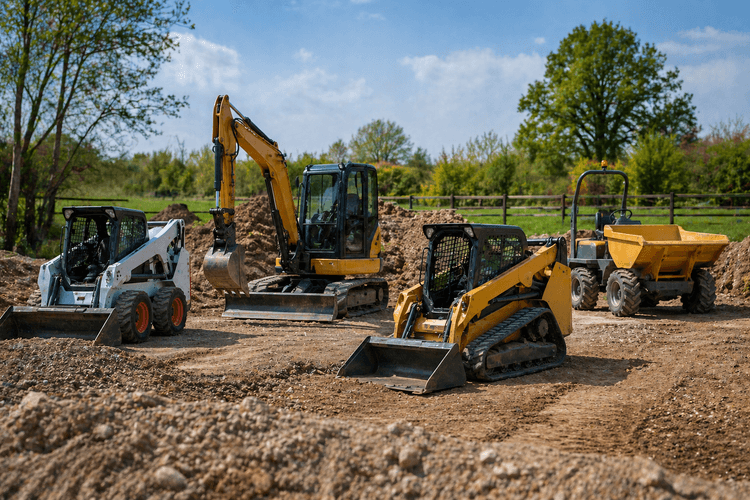
The right snow removal equipment can help construction crews clear roads, parking areas, loading zones, and workspaces more efficiently. Depending on the size of the site and the amount of snowfall, contractors may use wheel loaders, skid steers, compact track loaders, snow plows, snow blowers, and other specialized machines.
Choosing the best snow equipment depends on several factors, including snow depth, site layout, surface conditions, available attachments, and the amount of snow that needs to be moved.
This guide explores the most common snow removal machines used on construction sites, their applications, and what contractors should consider when selecting equipment for winter work.
What Is Snow Removal Equipment?
 Snow removal equipment includes machines and attachments designed to clear, move, push, lift, or discharge snow from roads, construction sites, parking areas, and other surfaces.
Equipo relacionado
Examinar todas las Excavadoras


Some equipment is designed to push snow into piles, while other machines lift and transport snow or throw it away from the work area. Contractors may also use specialized attachments to improve the versatility of existing construction equipment.
For many construction companies, using existing machinery with compatible snow attachments can be a practical way to handle seasonal snow removal without purchasing an entirely separate fleet.
1. Wheel Loaders
Wheel loaders are commonly used for large-scale snow removal on construction sites, industrial properties, and commercial areas.
Their articulated design, large tires, and front-mounted bucket make them useful for moving substantial amounts of snow. Wheel loaders can push snow, load it into trucks, and relocate snow piles to designated areas.
Best applications
Clearing large construction yards
Moving snow from access roads and staging areas
Loading accumulated snow into dump trucks
Clearing loading zones and material storage areas
Wheel loaders are particularly useful when snow needs to be moved rather than simply pushed aside. Contractors should select a bucket or snow attachment that is compatible with the machine and appropriate for the snow conditions.
2. Skid Steer Loaders
Skid steer loaders are compact, maneuverable machines that can work in areas where larger equipment may be difficult to operate.
With compatible snow attachments, skid steers can clear sidewalks, smaller access roads, parking areas, and confined construction spaces.
Common snow attachments
Snow pushers
Snow buckets
Snow blades
Snow blowers
Skid steers are a versatile option for contractors who need a machine that can perform multiple tasks throughout the year. Before installing an attachment, check the machine's hydraulic flow, mounting system, operating capacity, and manufacturer compatibility requirements.
3. Compact Track Loaders
Compact track loaders offer many of the same snow removal capabilities as skid steers, but their rubber tracks can provide additional flotation and traction on certain soft or uneven surfaces.
They may be useful on construction sites where snow covers loose soil, gravel, or unfinished ground.
Best applications
Clearing snow from uneven construction areas
Working on soft or partially developed surfaces
Moving snow around material storage areas
Supporting winter site preparation
Track loaders are not automatically better in every winter condition. Traction depends on the surface, track design, snow depth, and machine configuration. Operators should follow the manufacturer's guidance for winter operation.
4. Snow Plows and Snow Pushers
Snow plows and snow pushers are attachments that allow compatible machines to move snow across a surface.
A snow plow typically directs snow to one side, while a snow pusher is designed to collect and push snow forward. Both can be useful for clearing large areas quickly.
Snow plows
Snow plows are commonly used for:
Clearing construction access roads
Opening driveways and entrances
Moving snow away from traffic routes
Maintaining access around buildings
Snow pushers
Snow pushers are often used for:
Clearing wide parking areas
Moving snow across large paved surfaces
Creating organized snow piles
Clearing staging and loading areas
The right attachment depends on the machine, surface, snow depth, and available storage space for snow.
5. Snow Blowers
Snow blowers use rotating components to collect and discharge snow away from the cleared area.
They can be useful when snow piles would otherwise obstruct access or when snow needs to be moved farther from a road or work zone.
Best applications
Clearing narrow access routes
Removing snow from areas with limited pile space
Clearing accumulated snow from designated work areas
Moving snow away from entrances and pathways
Snow blowers may be available as walk-behind machines or attachments for compatible loaders and other equipment. Contractors should review the required hydraulic flow, attachment specifications, and safe operating procedures before use.
6. Excavators for Snow Removal
Excavators are not typically the first choice for routine snow clearing, but they can help move large snow piles or clear areas where their reach is useful.
With an appropriate bucket or approved attachment, an excavator may be used to load snow into trucks or relocate snow from difficult-to-reach areas.
Best applications
Loading large snow piles
Moving snow away from structures
Clearing areas around construction materials
Supporting snow relocation operations
Excavators should not be used as a substitute for dedicated snow removal equipment when a more suitable machine is available. Operators must maintain stable footing, avoid hidden hazards beneath snow, and follow the machine's operating limitations.
Snow Removal Equipment Comparison
Equipo relacionado
Examinar todas las Cargadoras compactas sobre orugas


 The best machine depends on the jobsite. A large construction yard may require a wheel loader, while a smaller site with narrow access routes may benefit from a skid steer or compact track loader.
How to Choose the Right Snow Equipment for a Construction Site
Before selecting snow removal equipment, contractors should evaluate the site and the conditions in which the machine will operate.
1. Consider the size of the site
Large construction sites may require high-capacity machines that can move snow efficiently. Smaller sites may benefit from compact equipment that can maneuver around buildings, stored materials, and temporary structures.
2. Evaluate snow depth and conditions
Light snow, wet snow, packed snow, and deep accumulations can place different demands on equipment.
Choose a machine and attachment designed for the expected conditions. Avoid assuming that one attachment will perform equally well in every type of snow.
3. Check surface conditions
Construction sites may include asphalt, concrete, gravel, compacted soil, or unfinished ground.
Consider whether the attachment could damage the surface or expose hidden hazards. Use appropriate cutting edges and operating techniques for the surface being cleared.
4. Review attachment compatibility
Before purchasing a snow attachment, confirm:
Mounting compatibility
Hydraulic flow and pressure requirements
Electrical or control requirements
Machine operating capacity
Manufacturer-approved applications
An attachment that does not match the machine may reduce performance or create safety risks.
5. Plan where the snow will go
Snow removal is not only about clearing an area. Contractors also need a plan for where snow will be stored or discharged.
Snow piles should not block emergency access, visibility, drainage, equipment routes, or designated work areas.
Buying Used Snow Removal Equipment
For contractors who need seasonal snow removal capability, buying used equipment may be worth considering. A used machine or attachment can provide value when it is properly inspected and suited to the intended work.
Before purchasing used snow equipment, review the following:
Machine hours and maintenance history
Condition of tires, tracks, and undercarriage
Hydraulic hoses, cylinders, and connections
Attachment mounting points
Cutting edges, blades, and wear components
Signs of corrosion or damage
Compatibility with your existing machine
For used equipment, condition and maintenance history are especially important. A lower purchase price does not necessarily mean lower ownership costs if the machine requires significant repairs.
Contractors should also consider transportation, storage, maintenance, and seasonal utilization when evaluating the total cost of ownership.
Winter Equipment Maintenance Tips
Cold weather can affect machine performance and make routine maintenance more important.
Before operating snow removal equipment:
Check engine oil, coolant, and hydraulic fluid according to the manufacturer's recommendations.
Inspect batteries and electrical connections.
Check tires or tracks for wear and damage.
Inspect snow attachments for cracks, loose components, and worn cutting edges.
Confirm that lights, alarms, and safety systems are functioning.
Allow the machine to warm up according to the operator's manual.
After snow removal, clean accumulated snow and ice from the machine and attachment where appropriate. Follow the manufacturer's procedures for storage and cold-weather maintenance.
Snow Removal Safety on Construction Sites
Snow-covered construction sites can hide obstacles, trenches, debris, and uneven ground. Ice can also reduce traction and increase the risk of slips or machine movement.
Operators should:
Inspect the work area before beginning snow removal.
Identify underground hazards, edges, and obstacles.
Maintain visibility and use appropriate lighting.
Keep workers clear of moving equipment and discharge areas.
Avoid operating near unstable snow piles or hidden drop-offs.
Follow the machine and attachment operator's manuals.
Use appropriate personal protective equipment.
A clear snow removal plan can help reduce downtime and keep workers, vehicles, and equipment moving safely.
Expert Insights and Equipment Accuracy
This snow equipment guide covers common machines and attachments used for winter construction site maintenance. Equipment performance depends on snow conditions, site layout, machine configuration, and attachment compatibility. Always consult manufacturer specifications and operator manuals to ensure safe and effective operation.
Frequently Asked Questions
What is the best equipment for snow removal on construction sites?
Wheel loaders, skid steers, compact track loaders, and snow plows are common choices. The best option depends on site size, snow depth, surface conditions, and how snow needs to be moved.
Can a skid steer be used for snow removal?
Yes. A skid steer can use compatible snow plows, pushers, buckets, or snow blowers to clear construction sites, access roads, and parking areas.
Are wheel loaders good for snow removal?
Wheel loaders are useful for large snow removal jobs because they can push, lift, and load snow. They are often suited to large construction yards and industrial sites.
What is the difference between a snow plow and a snow pusher?
A snow plow generally directs snow to one side, while a snow pusher collects and pushes snow forward. The choice depends on the area being cleared and where snow can be stored.
Is used snow removal equipment worth buying?
Used equipment can be a practical option when it is in good condition and compatible with the contractor's existing fleet. Buyers should inspect maintenance records, wear components, hydraulics, and attachment compatibility before purchasing.
Final Thoughts
The best snow removal equipment for a construction site depends on the amount of snow, site size, surface conditions, and the type of work required.
Wheel loaders are useful for large snow piles and heavy material movement, while skid steers and compact track loaders offer flexibility in smaller or more confined areas. Snow plows, pushers, and blowers can help contractors adapt existing machines for winter conditions.
By selecting compatible equipment, planning snow storage, and maintaining machines properly, construction companies can improve winter site access and keep projects moving during the colder months.
Looking for used construction equipment? Explore available machines on Boom & Bucket and compare equipment options for your next project.


Javier Bocanegra is Boom & Bucket's Technical Resolutions Lead, drawing on 10+ years in automotive and heavy equipment to diagnose issues, resolve complex post-sale cases, and keep machines - and customers - running smoothly. A certified heavy-equipment specialist, he's known for meticulous inspections and hands-on expertise across mechanical, electrical, and hydraulic systems. Based in Sacramento, Javier partners closely with buyers, vendors, and our field teams to deliver reliable outcomes and uphold our standards for safety and trust.