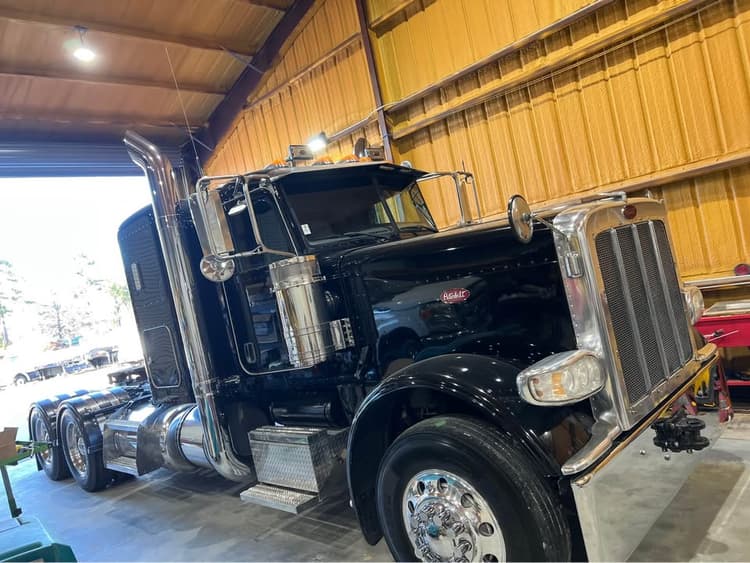
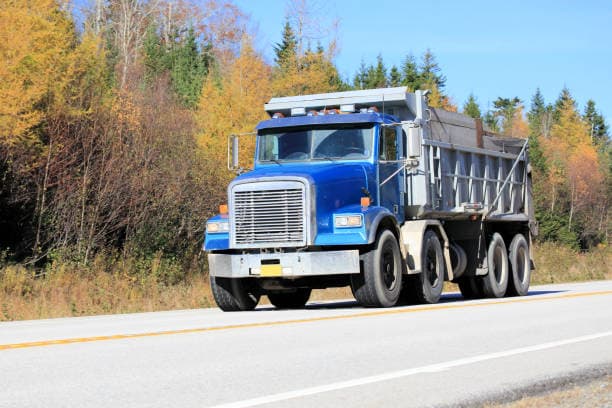
The Benefits of Owning a Peterbilt Dump Truck
8 Lectura mínima


junio 20, 2023
Choosing the right dump truck can make a major difference in construction productivity, hauling costs, and long-term fleet performance. For contractors and hauling businesses, a Peterbilt dump truck is worth considering for its vocational configurations, heavy-duty capabilities, and range of options for demanding work.
Peterbilt trucks are used across construction, infrastructure, material delivery, and other vocational applications. Models such as the Peterbilt 567 are designed for demanding jobs, including dump operations, construction, and heavy hauling. However, the right truck depends on your payload requirements, terrain, hauling distance, and operating budget.
Whether you're expanding your fleet or looking for a used Peterbilt dump truck for sale, this guide explains the key benefits, important buying considerations, and ways to evaluate the total cost of ownership.

1. Built for Demanding Work Environments
Dump trucks regularly operate under challenging conditions. Hauling aggregate, soil, demolition debris, and other heavy materials places significant demands on the chassis, suspension, drivetrain, and dump body.
Equipo reciente
Examinar todas las equipo


Peterbilt offers vocational truck configurations designed for demanding work. The Model 567, for example, is positioned for applications including dump operations, construction, heavy hauling, and oilfield work.
For buyers, the important consideration is choosing a configuration that matches the job. A truck intended for frequent highway hauling may require different specifications from one working on rough construction sites throughout the day.
When evaluating a Peterbilt dump truck, inspect the frame, suspension, axles, dump body, and hydraulic hoist system. A durable design is valuable, but maintenance history and current condition ultimately determine whether a particular used truck is a sound investment.
2. Power and Performance for Material Hauling
A dump truck needs sufficient engine power and torque to move its intended payload, handle grades, and maintain productive cycle times.
Depending on the model year and configuration, Peterbilt trucks may offer different engine and transmission combinations. The Model 567, for example, has offered PACCAR engine options, including the MX-13, with specifications varying by configuration and model year.
When comparing trucks, consider more than horsepower. Transmission gearing, axle ratios, gross vehicle weight rating (GVWR), gross combination weight rating (GCWR), and the truck's actual operating weight all affect performance.
The goal is to select a truck that handles your normal loads efficiently without paying for capacity you rarely use.
3. Versatility Across Construction and Hauling Applications
One benefit of a vocational dump truck is its ability to support a range of material-handling jobs.
Common applications include:
Road construction: Hauling asphalt-related materials, aggregate, and road base.
Site preparation: Moving soil, sand, gravel, and fill.
Excavation: Transporting material removed from foundations and trenches.
Demolition: Hauling suitable debris from job sites.
Landscaping: Delivering and moving soil, mulch, and aggregate.
Infrastructure projects: Supporting drainage, roadwork, and utility construction.
The truck's body design, axle configuration, and payload capacity determine which applications it can handle effectively. Buyers should confirm that the dump body is suitable for the materials being transported and that the truck meets applicable weight and road-use requirements.
A well-matched truck can help a contractor serve more projects without relying on an unsuitable vehicle.
4. Choosing the Right Peterbilt Configuration
Not every Peterbilt truck is designed for the same type of work. Compare available configurations based on payload, maneuverability, terrain, and operating conditions.

These are general configuration categories, not guarantees of a particular truck's capacity. Always verify the actual specifications, axle ratings, dump body, and legal payload for the vehicle being considered.

5. Potential Fuel and Operating Cost Benefits
Fuel is a major expense for businesses that run dump trucks regularly. Engine selection, transmission, gearing, payload, idle time, tire condition, terrain, and driving habits can all influence fuel consumption.
A Peterbilt truck configured for the work it performs may help a business manage operating costs. However, no brand or model guarantees lower fuel consumption in every situation.
To evaluate efficiency, estimate fuel use across your typical routes and work cycles. Include loaded and empty travel, waiting time, stop-and-go traffic, and time spent operating on construction sites.
Maintenance also affects operating costs. Regular servicing, proper tire inflation, timely repairs, and attention to engine and emissions-system warnings can help prevent avoidable downtime.
When comparing used trucks, ask for maintenance records and, where available, fuel-use information from comparable operating conditions.
6. Driver Comfort and Fleet Technology
Dump truck operators can spend long hours behind the wheel, often moving between public roads and active job sites. Cab visibility, seat comfort, control placement, and ease of entry can influence day-to-day usability.
Depending on the model year and equipment package, Peterbilt trucks may include driver-assistance features, electronic diagnostics, and other technologies that support operation and maintenance.
Equipo reciente
Examinar todas las equipo


Before purchasing, test the cab and inspect the controls, instruments, mirrors, cameras, and safety systems fitted to the individual truck.
Fleet managers should also consider whether the truck's diagnostic systems are compatible with their maintenance workflow. Access to useful fault information can help technicians investigate problems and plan repairs.
7. Inspect a Used Peterbilt Dump Truck Before Buying
Buying used can reduce the initial investment, but a careful inspection is essential. A truck that looks clean may still have mechanical issues or expensive wear.
Engine and transmission: Check for leaks, unusual noises, warning lights, shifting problems, and evidence of overheating. Review available service records.
Frame and suspension: Inspect the frame rails, crossmembers, suspension components, and mounting points for cracks, corrosion, deformation, or poor-quality repairs.
Dump body and hydraulic system: Look for cracks, excessive wear, damaged hinges, hydraulic leaks, and uneven lifting. Confirm the hoist raises and lowers the body smoothly under appropriate test conditions.
Brakes, tires, and axles: Evaluate tire wear, brake condition, steering, wheel ends, and axle components. Check for uneven wear that could indicate alignment or suspension issues.
Electrical and emissions systems: Test the lights, gauges, cameras, and installed safety features. Check for warning indicators and review emissions-system maintenance where applicable.
Documentation: Verify the VIN, ownership records, mileage, maintenance history, inspection documents, and any available repair invoices.
Whenever possible, arrange an independent inspection by a qualified heavy-duty truck technician before completing the purchase.
8. Calculate the Total Cost of Ownership
The purchase price is only one part of owning a dump truck. Your budget should also account for fuel, preventive maintenance, tires, repairs, insurance, registration, financing, and downtime.
For a used truck, consider whether immediate repairs or replacement components will be needed. Also account for the dump body, hydraulic system, and any equipment required for your intended application.
Estimate your expected annual mileage or operating hours, typical payload, and revenue per hauling cycle. Compare the truck's projected operating costs with the work it can realistically perform.
A lower-priced truck may not be the best value if it needs substantial repairs. A more expensive truck with a documented service history and suitable configuration may offer a better overall investment.
Find Your Peterbilt Dump Truck with Boom & Bucket

The right Peterbilt dump truck can support construction operations, improve hauling flexibility, and help your business move materials efficiently. The key is matching the truck to your workload and verifying its condition before committing to a purchase.
Boom & Bucket helps buyers explore used heavy equipment and compare available machines.
Ready to find your next truck?
Browse: Explore available trucks and heavy equipment on Boom & Bucket.
Compare: Review available dump trucks by make, configuration, mileage, condition, and price.
Evaluate: Check specifications, maintenance history, inspection information, and suitability for your hauling needs.
Plan your budget: Include financing, fuel, repairs, insurance, and transportation in your calculations.
Take the next step: Review the listing details and follow the available purchase or inquiry process.
Start with Boom & Bucket's equipment marketplace to explore available trucks and find equipment suited to your next project.
Frequently Asked Questions
What are the benefits of owning a Peterbilt dump truck?
Potential benefits include access to vocational truck configurations, application flexibility, and the ability to transport and unload suitable materials. Actual performance and ownership costs depend on the truck's specifications, condition, and workload.
Which Peterbilt model is used for dump truck applications?
The Peterbilt 567 is one option designed for dump trucks and other demanding vocational applications. Confirm the exact model-year specifications and body configuration before purchasing.
Is a used Peterbilt dump truck worth buying?
A used truck can offer value when its condition, maintenance history, payload capability, and price fit your needs. A professional inspection can help identify costly problems before purchase.
What should I check before buying a used Peterbilt dump truck?
Inspect the engine, transmission, frame, suspension, dump body, hydraulic hoist, brakes, tires, electrical systems, and available service records. Verify the vehicle's identity and legal operating requirements as well.
How do I choose the right dump truck capacity?
Start with your typical material, required payload, route, terrain, and unloading conditions. Confirm the truck's ratings and actual weight, then calculate the legal payload under applicable regulations.
Final Thoughts
Owning a Peterbilt dump truck can make sense for businesses that need dependable material-hauling capability across construction, infrastructure, and other vocational applications. The strongest investment comes from selecting the right configuration, maintaining the truck properly, and understanding its full operating costs.
Whether you're purchasing your first dump truck or expanding an established fleet, compare available equipment carefully and inspect the individual vehicle before making a decision. Explore Boom & Bucket to find a truck that aligns with your business needs and budget.


Post acquisition of Boom & Bucket, the company he founded, Adam now leads Marketplace Growth for Ritchie Bros.