Types of Tractors: A Complete Guide to Sizes, Construction Uses, and Leading Brands
6 Lectura mínima
&w=3840&q=75)
febrero 5, 2025
Tractors are some of the most versatile and essential machines used across many industries. From agriculture to construction, they handle a wide range of tasks, making them valuable for both small and large projects. However, not all tractors are the same. Choosing the right one depends on factors like size, intended use, and brand. In this blog, we'll cover the main types of construction tractors, explain different tractor size categories, and highlight top tractor brands to help you make an informed choice.
What are the different types of tractors?
The main tractor types include compact, utility, row crop, orchard, industrial, and tracked tractors, each designed for specific applications.

Which tractor is best for construction?
Utility tractors are commonly used for construction because they offer excellent versatility for grading, material handling, landscaping, and site preparation.
How much horsepower does a tractor need?
The ideal horsepower depends on your workload. Compact tasks may require 20-40 HP, while heavy construction often needs 70 HP or more.
What attachments can a tractor use?
Common tractor attachments include loaders, backhoes, pallet forks, grapples, augers, rotary cutters, and box blades.
Should I buy a new or used tractor?
New tractors provide warranties and modern features, while used tractors often deliver better value when properly inspected and maintained.
Real-World Tractor Ownership Insights
Experienced tractor owners focus on more than horsepower when choosing equipment. They evaluate maintenance history, attachment compatibility, dealer support, fuel efficiency, and long-term operating costs before purchasing. Routine maintenance, proper storage, and following manufacturer service intervals help maximize reliability, improve resale value, and reduce unexpected downtime throughout the tractor's lifespan.
Types of Tractors for Construction
Tractors play a vital role in construction, where heavy-duty tasks require powerful, reliable equipment. Here are the main types of tractors commonly used in construction projects:
Backhoe Loaders
%3Aformat(webp)&w=1920&q=75)
Purpose: These versatile machines combine the functionality of a loader and an excavator. They are ideal for digging trenches, loading materials, and light demolition work.
Applications: Small construction sites, landscaping, and utility work.
Compact Tractors
%3Aformat(webp)&w=1920&q=75)
Purpose: Designed for smaller construction or landscaping projects, compact tractors are easy to maneuver and can handle a variety of attachments.
Applications: Lawn care, snow removal, and light excavation.
Crawler Tractors
%3Aformat(webp)&w=1920&q=75)
Purpose: Equipped with tracks instead of wheels, crawler tractors offer excellent stability and traction on uneven or muddy terrain.
Applications: Road construction, grading, and heavy-duty earthmoving.
Excavator Tractors
%3Aformat(webp)&w=1920&q=75)
Purpose: These are designed specifically for heavy excavation tasks and are capable of digging deep and wide trenches.
Applications: Large-scale construction, mining, and land clearing.
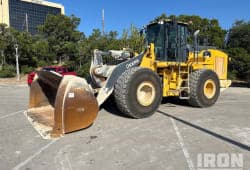
Articulated Tractors
%3Aformat(webp)&w=1920&q=75)
Purpose: With pivoting joints, articulated tractors are highly maneuverable and capable of hauling heavy loads efficiently.
Applications: Quarrying, logging, and heavy material transport.
Types of Tractor Sizes
Understanding tractor sizes is crucial when selecting the right machine for your project. Tractors are categorized based on their size, horsepower, and functionality:
Subcompact Tractors
Size: The smallest category, typically with 15-25 horsepower.
Purpose: Ideal for small properties, gardening, and light landscaping.
Applications: Residential use and light-duty tasks.
Compact Tractors
Size: Slightly larger, with 25-60 horsepower.
Purpose: Suitable for small-scale construction and medium-duty agricultural tasks.
Applications: Landscaping, utility work, and snow removal.
Utility Tractors
Size: Medium-sized, with 60-100 horsepower.
Purpose: Designed for a wide range of tasks, from plowing to heavy-duty construction work.
Applications: Farms, mid-size construction sites, and material handling.
Row Crop Tractors
Size: Large, with 100-300+ horsepower.
Purpose: Versatile machines capable of handling both agricultural and industrial tasks.
Applications: Large-scale farming, heavy-duty hauling, and industrial use.
Industrial Tractors
Size: The largest category, often exceeding 300 horsepower.
Purpose: Built for mining, road construction, and other extreme industrial tasks.
Applications: Mining, land reclamation, and large infrastructure projects.
Leading Tractor Brands
When it comes to purchasing a tractor, the brand matters. Here are some of the top tractor brands and what they offer:
Caterpillar (CAT)
Specialty: Known for heavy construction equipment and durability.
Highlight: Excellent for crawler and industrial tractors.
John Deere
Specialty: A versatile brand offering solutions for both agriculture and construction.
Highlight: Durable utility tractors with advanced technology.
Kubota
Specialty: Renowned for compact and subcompact tractors.
Highlight: Affordable, high-quality machines for smaller projects.
Case IH
Specialty: Focuses on high-performance tractors for large-scale agricultural and construction work.
Highlight: Advanced technology and robust design.
New Holland
Specialty: Innovative solutions with a focus on efficiency.
Highlight: Energy-efficient machines for medium to large-scale projects.
Understanding Total Cost of Ownership (TCO)
A tractor's purchase price is only part of the investment. Consider ongoing expenses such as:
Routine maintenance
Repairs
Insurance
Financing
Tires or tracks
Attachments
Depreciation
Evaluating total ownership costs helps you choose equipment that delivers long-term value.
Construction Applications by Tractor Type
Different tractors excel at different jobs:
Compact tractors: Landscaping and light site work
Utility tractors: Material handling and grading
High-horsepower tractors: Land clearing and large earthmoving
Tracked tractors: Soft ground and challenging terrain
Matching the tractor to the application improves efficiency and productivity.
Precision Agriculture and Smart Tractor Technology
Modern tractors increasingly feature:
GPS guidance
Auto-steering
Fleet management software
Precision application systems
Remote diagnostics
These technologies improve productivity, reduce operating costs, and simplify equipment management.
Factors to Consider When Choosing a Tractor
When selecting a tractor, consider the following factors to ensure you make the right choice:
Project Requirements
Assess the tasks you need the tractor for, such as digging, hauling, or landscaping.
Terrain
Choose a tractor with the appropriate size and traction for your work environment.
Budget
Determine whether to buy or rent based on your project’s duration and scale.
Maintenance and Support
Opt for a brand with accessible service centers and spare parts.
Technology Features
Look for modern features like GPS, automation, and fuel efficiency to enhance productivity.
Tractor Safety and Operating Best Practices
Operate tractors safely by following these best practices:
Complete pre-operation inspections.
Wear your seat belt.
Use ROPS-equipped tractors.
Secure all attachments properly.
Avoid excessive slopes.
Follow load capacity limits.
Shut down equipment before servicing.
Safe operation protects both operators and equipment.
Tractor Maintenance Schedule and Inspection Checklist
Inspect your tractor regularly by checking:
Engine oil
Hydraulic fluid
Coolant levels
Air filters
Tires or tracks
Battery
PTO components
Grease points
Following the manufacturer's maintenance schedule helps reduce downtime and extend equipment life.
FAQs
What are the main types of tractors for construction?
The main types include backhoe loaders, compact tractors, crawler tractors, excavator tractors, and articulated tractors.
How do tractor sizes impact their functionality?
Smaller tractors are ideal for light-duty tasks, while larger tractors handle heavy-duty work and large-scale projects efficiently.
Which brands offer the best tractors for construction purposes?
Top brands like Caterpillar (CAT), John Deere, and Kubota are popular choices for their durability, versatility, and advanced features.
Should I choose a compact tractor or a utility tractor for my project?
Compact tractors are suitable for small-scale tasks, while utility tractors are better for medium to heavy-duty projects.
Conclusion
Tractors come in a variety of types, sizes, and brands to cater to the diverse needs of construction, agriculture, and industrial tasks. Whether you need a compact machine for landscaping or an industrial powerhouse for large-scale operations, understanding the types of tractors, their sizes, and top brands can guide you in making the right choice.
Investing in the right tractor can significantly improve efficiency and productivity, so take the time to evaluate your project requirements and budget. Ready to find the perfect tractor for your needs? Start exploring your options today!


Karin Ohman is a full-stack software engineer who worked for Boom and Bucket.