Showcasing the Power and Performance of Peterbilt Dump Truck
7 Lectura mínima
&w=3840&q=75)

marzo 29, 2024
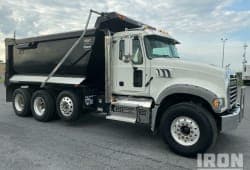
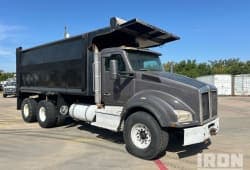
Peterbilt dump trucks are heavy-duty vehicles designed for transporting and unloading materials at construction sites, mining operations, and other industrial settings. Renowned for their ruggedness and reliability, these trucks play a crucial role in the heavy machinery industry.
What is a Peterbilt dump truck?
A Peterbilt dump truck is a heavy-duty vehicle designed to haul and unload bulk materials such as gravel, soil, sand, and rock.

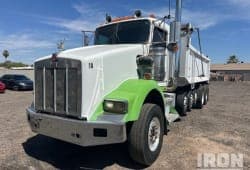
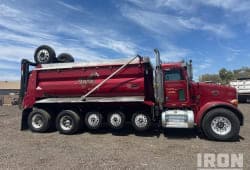
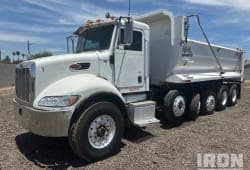
How We Evaluate Used Peterbilt Dump Trucks
We recommend evaluating each truck based on model and configuration, payload requirements, mileage, engine condition, service history, dump-body condition, hydraulics, frame, drivetrain, tires, brakes, and expected ownership costs.
Technical specifications should be verified against Peterbilt/PACCAR documentation for the specific model year and configuration.
For used equipment, combine listing information with service records, physical inspection, and a test drive when practical.
History of Peterbilt
Established in 1939, Peterbilt has a rich history of manufacturing high-quality trucks, including dump trucks. Over the years, the company has achieved significant milestones and introduced innovative technologies to enhance the performance and efficiency of its vehicles.
Types of Peterbilt Dump Trucks
Peterbilt offers a diverse range of dump truck models, each tailored to meet specific requirements. From standard dump trucks to articulated dump trucks, there are various configurations available to suit different applications and job sites.
Advantages of Peterbilt Dump Trucks
%3Aformat(webp)&w=1920&q=75)
One of the key advantages of Peterbilt dump trucks is their durability and reliability. Built to withstand the rigors of heavy-duty operations, these trucks deliver consistent performance even in the most challenging conditions. Additionally, they offer superior hauling capacity and efficiency, making them ideal for demanding tasks.
Applications of Peterbilt Dump Trucks
Peterbilt dump trucks find widespread use in the construction and mining industries, where they are employed for transporting and dumping materials such as gravel, sand, and rocks. Their robust construction and powerful engines make them well-suited for heavy-duty applications.
Buying Guide for Peterbilt Dump Trucks
When purchasing a Peterbilt dump truck, it's essential to consider factors such as the vehicle's specifications, condition and intended use. Buyers should also conduct thorough inspections and tests to ensure that they are getting a reliable and efficient truck that meets their requirements.
Maintenance Tips
Proper maintenance is crucial for maximizing the lifespan and performance of Peterbilt dump trucks. Regular servicing, inspections, and timely repairs can help prevent breakdowns and ensure smooth operation. Owners should also be aware of common maintenance issues and take proactive measures to address them.
Reselling Peterbilt Dump Trucks
Whether upgrading to a newer model or liquidating assets, reselling Peterbilt dump trucks can be a lucrative endeavor. Factors such as age, mileage, and condition influence the resale value, while effective marketing strategies can attract potential buyers and facilitate a smooth transaction.
Environmental Impact
In response to growing environmental concerns, Peterbilt has implemented various initiatives to reduce emissions and promote sustainability. From developing fuel-efficient engines to adopting alternative fuel technologies, the company is committed to minimizing its environmental footprint and contributing to a greener future.
Future Outlook
As technology continues to advance, the future of Peterbilt dump trucks looks promising. With ongoing research and development efforts, we can expect to see further improvements in performance, efficiency, and environmental sustainability. Peterbilt is poised to remain a leader in the heavy machinery industry, offering innovative solutions to meet the evolving needs of its customers.
How to Choose the Right Peterbilt Dump Truck
Choose a Peterbilt dump truck based on the material, payload, terrain, hauling distance, and duty cycle.
Before buying, consider:
Material: Determine what you will haul.
Payload: Estimate typical load weights and legal limits.
Terrain: Consider grades, rough surfaces, and traction.
Hauling distance: Match the truck to highway or short-cycle work.
Dump body: Choose the appropriate size and construction.
Powertrain: Match engine and transmission to the workload.
Axle configuration: Select based on payload and traction requirements.
Operating costs: Estimate fuel, tires, maintenance, and repairs.
Service history: For used trucks, prioritize documented maintenance.
Best practice: Choose the configuration that meets your actual job requirements rather than simply choosing the highest horsepower or largest body.
Used Peterbilt Dump Truck Buying Guide
A used Peterbilt dump truck can lower upfront costs, but condition and configuration are more important than price alone.
Before purchasing, review:
Model year and VIN
Mileage and engine hours
Engine and transmission condition
Maintenance records
Dump-body condition
Hydraulic system
Frame and chassis
Axles and suspension
Tires and brakes
Previous application
Repair or accident history
Parts and service availability
Ask whether the truck was primarily used for highway hauling, construction, quarrying, mining, or other demanding work. Its previous application can help explain wear and maintenance requirements.
Used Peterbilt Dump Truck Inspection Checklist
Inspect the truck's major systems before purchasing.
Engine & Powertrain
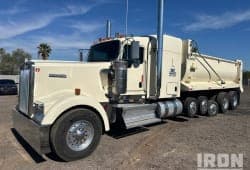
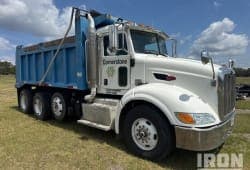
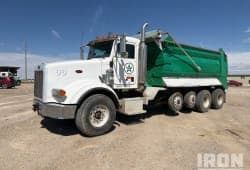
Check for leaks, smoke, unusual noise, or vibration.
Review maintenance and repair records.
Check fluid levels and condition.
Test the transmission and drivetrain.
Frame & Chassis
Look for cracks, corrosion, damage, or poor repairs.
Inspect suspension, axles, and mounting points.
Check for signs of excessive loading or previous structural repairs.
Dump Body & Hydraulics
Inspect the bed, floor, sides, tailgate, and hinges.
Look for cracks, deformation, or excessive wear.
Check hydraulic cylinders, hoses, and connections.
Brakes, Tires & Steering
Inspect brake and air systems.
Check tire condition and tread.
Test steering and suspension.
Test Drive
When possible, test the truck and dump body under representative conditions. Check steering, braking, transmission operation, suspension, acceleration, and hydraulic performance.
Peterbilt Dump Truck Applications
Peterbilt dump trucks can support a range of heavy-duty hauling applications, including:
Construction: Hauling soil, gravel, sand, and building materials.
Quarrying: Transporting rock and aggregate.
Road construction: Moving materials for infrastructure projects.
Mining: Hauling materials where the truck configuration is appropriate.
Demolition: Transporting concrete and construction debris.
Bulk material hauling: Moving suitable materials between locations.
The appropriate truck depends on payload, material, terrain, hauling distance, duty cycle, and local regulations.
Peterbilt Dump Truck Costs & Ownership
Peterbilt dump truck prices vary according to model, year, mileage, configuration, dump body, condition, and market conditions.
Calculate total ownership costs by considering:
Purchase price
Fuel
Maintenance
Repairs
Insurance
Registration and compliance
Hydraulic and dump-body repairs
Downtime
Resale value
For used equipment, a lower purchase price can be misleading if the truck requires major engine, transmission, hydraulic, tire, or structural repairs.
Peterbilt Dump Truck Maintenance
Regular maintenance helps reduce unexpected downtime and protect the truck's service life.
Key maintenance areas include:
Engine oil and filters
Coolant and other fluids
Transmission and drivetrain
Brakes and air systems
Tires and wheels
Suspension and steering
Hydraulic system
Dump-body hinges and components
Electrical systems
Follow the manufacturer's maintenance schedule for the specific model and powertrain. For example, Peterbilt lists different engine and transmission combinations for the Model 567, so maintenance requirements should be matched to the actual configuration.
Peterbilt Dump Truck Safety
Dump truck safety requires attention to both road operation and jobsite conditions.
Important practices include:
Perform pre-operation inspections.
Follow applicable weight and road regulations.
Secure loads properly.
Check surroundings before reversing or dumping.
Keep personnel away from the dump body's operating area.
Follow proper procedures before working beneath a raised dump body.
Use appropriate PPE on jobsites.
Train operators on the specific truck and dump-body system.
Safety features vary by model and configuration. For example, the current Model 567 includes features such as anti-lock braking and available driver-alert and monitoring technologies.
Frequently Asked Questions
What makes Peterbilt dump trucks stand out?
Peterbilt dump trucks are known for their durability, reliability, and superior performance in tough conditions. With innovative features and robust construction, they offer unmatched efficiency and productivity on the job site.
Are Peterbilt dump trucks suitable for all terrains?
Yes, Peterbilt dump trucks are designed to handle a wide range of terrains and operating conditions. Whether navigating rugged terrain or traversing steep slopes, these trucks deliver exceptional traction and stability, making them suitable for diverse applications.
How do I determine the right model for my needs?
When selecting a Peterbilt dump truck, consider factors such as payload capacity, engine power, and operating environment. Assess your specific requirements and choose a model that offers the features and capabilities necessary to meet your needs effectively.
What should I look for when buying a used Peterbilt dump truck?
When purchasing a used Peterbilt dump truck, inspect the vehicle thoroughly for signs of wear, damage, or mechanical issues. Check the engine, transmission, chassis, and hydraulic system for any signs of leaks or malfunctions. It's also advisable to request maintenance records and conduct a test drive to assess the truck's overall condition and performance.
Can I customize a Peterbilt dump truck for specific tasks?
Yes, Peterbilt offers various customization options to tailor dump trucks to specific tasks and applications. From specialized body configurations to additional features and accessories, customers can work with dealers or aftermarket suppliers to create a customized solution that meets their unique requirements.
Conclusion
In conclusion, Peterbilt dump trucks are integral to the heavy machinery market, providing durable, reliable, and efficient solutions for transporting materials in various industries. With a rich history of innovation and a commitment to excellence, Peterbilt continues to set the standard for quality and performance in the dump truck industry.



Javier Bocanegra is Boom & Bucket's Technical Resolutions Lead, drawing on 10+ years in automotive and heavy equipment to diagnose issues, resolve complex post-sale cases, and keep machines - and customers - running smoothly. A certified heavy-equipment specialist, he's known for meticulous inspections and hands-on expertise across mechanical, electrical, and hydraulic systems. Based in Sacramento, Javier partners closely with buyers, vendors, and our field teams to deliver reliable outcomes and uphold our standards for safety and trust.