Understanding DEF (Diesel Exhaust Fluid)
7 Lectura mínima
marzo 26, 2024
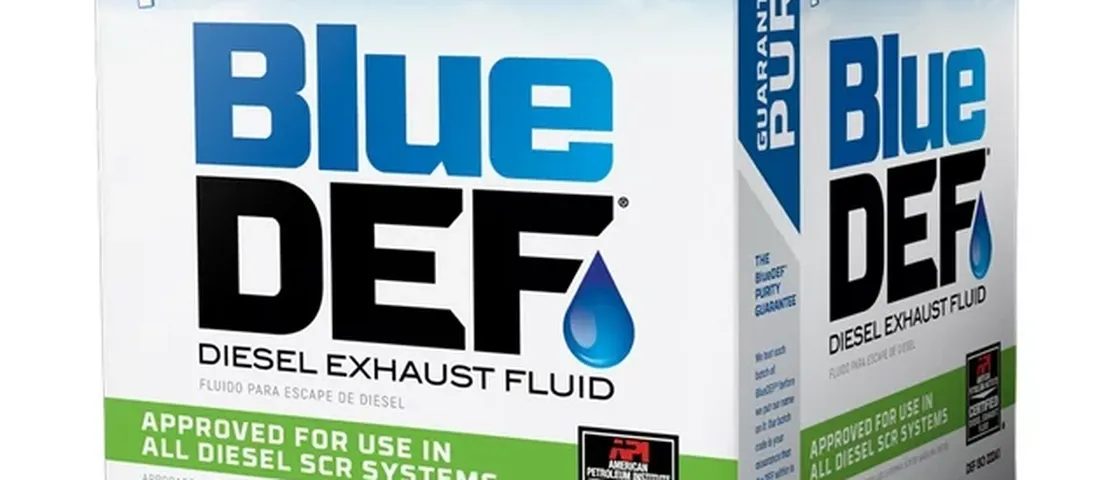
DEF stands for Diesel Exhaust Fluid. It's a liquid solution used in diesel engines equipped with Selective Catalytic Reduction (SCR) technology, helping to reduce nitrogen oxide emissions, a major air pollutant. DEF is made of 32.5% urea and 67.5% deionized water. It's injected into the exhaust stream and, when heated, turns into ammonia and carbon dioxide. These then react with a catalyst to convert nitrogen oxides into nitrogen and water vapor, significantly reducing harmful emissions.
What is Diesel Exhaust Fluid (DEF) and its purpose?
Diesel Exhaust Fluid (DEF) is a non-toxic solution used in vehicles with diesel engines to reduce nitrogen oxide (NOx) emissions. It's essential for vehicles equipped with Selective Catalytic Reduction (SCR) systems, helping them meet environmental standards by converting NOx into nitrogen, water vapor, and small amounts of CO2.
Equipo reciente
Examinar todas las equipo


What is DEF made of?
DEF is composed of 32.5% urea and 67.5% deionized water. This specific mixture is crucial for facilitating the chemical reaction required to reduce harmful emissions in diesel exhaust.
Is DEF made from urine?
No, the urea in DEF is synthetically produced to ensure purity and effectiveness. It is similar to the urea found in urine but is manufactured specifically for use in reducing vehicle emissions.
How does DEF relate to diesel fuel?
While DEF is used in diesel-powered vehicles, it is not a fuel. It's stored in a separate tank and is injected into the exhaust stream to reduce emissions, working alongside diesel fuel to enhance engine efficiency and environmental compliance.
How We Evaluate DEF-Equipped Equipment
When evaluating used heavy equipment, we consider the DEF/SCR system as part of the machine's overall condition, not as an isolated component.
Experience: We consider real-world operating, maintenance, and inspection requirements for diesel equipment.
Expertise: We evaluate DEF tanks, lines, pumps, injectors, sensors, SCR systems, and related aftertreatment components.
Authority: Check critical specifications and service requirements against manufacturer documentation and applicable equipment requirements.
Trust: Buyers should have access to accurate specifications, operating hours, maintenance records, inspection findings, and disclosed DEF/SCR repairs.
Important: DEF and emissions-system requirements vary by machine and engine. Always verify critical specifications, service procedures, and operating requirements with the manufacturer.
DEF vs. Diesel Fuel: What's the Difference?

DEF and diesel fuel serve completely different purposes.
 Never mix DEF with diesel fuel. Each fluid has its own tank and delivery system
What Happens When DEF Runs Out?
When DEF becomes low, the equipment typically provides a warning to the operator. If the DEF tank becomes empty, the machine may enter an emissions-related derate or operating limitation, depending on the manufacturer and system design.
The exact response varies by machine.
Best practice: Check the DEF level regularly and refill with compliant DEF before the tank runs empty. Follow the manufacturer's instructions for warnings, derates, and refilling.
DEF in Heavy Equipment
DEF is widely used in modern heavy equipment equipped with SCR emissions-control systems.
Depending on the machine, the DEF/SCR system can include:
DEF tank
DEF pump
DEF lines
DEF injector
Sensors
SCR catalyst
Electronic controls
DEF systems can be found on equipment such as excavators, wheel loaders, dozers, dump trucks, and other diesel-powered construction and industrial machines.
For equipment owners, DEF adds another system to monitor alongside the engine, hydraulics, cooling system, fuel system, and electrical components.
DEF & Used Heavy Equipment: What Buyers Should Check
When purchasing used DEF-equipped heavy equipment, don't check only the DEF level. Inspect the complete emissions-control system.
Used DEF inspection checklist:
DEF tank condition
DEF lines and connections
DEF pump and injector
Warning lights and fault codes
SCR system operation
Evidence of DEF contamination
Maintenance and repair records
DPF/SCR service history
Previous emissions-system repairs
A machine with a low DEF level is not necessarily defective. Look for active fault codes, damaged components, contamination, leaks, or poor maintenance history.
How to Store DEF
Proper storage helps maintain DEF quality.
Keep DEF in a clean, sealed container.
Protect it from contamination.
Avoid prolonged exposure to excessive heat and direct sunlight.
Use storage containers and dispensing equipment designed for DEF.
Follow the DEF manufacturer's storage temperature and shelf-life recommendations.
Keep DEF away from diesel fuel, oil, dirt, and other chemicals.
Do not dilute DEF with water or add other substances.
What Happens if DEF Freezes?
DEF freezes at approximately 12F (-11C).
Freezing does not normally make properly formulated DEF unusable. DEF systems are generally designed to accommodate freezing and thawing during normal operation.
Do not add chemicals or other fluids to DEF to lower its freezing point.
If DEF freezes, allow the equipment's DEF system to handle thawing according to the manufacturer's design and operating instructions.
DEF Maintenance and Handling Tips
Follow these practices to keep the DEF system operating properly:
Equipo reciente
Examinar todas las equipo


Use only compliant DEF.
Keep the DEF filler neck and surrounding area clean.
Prevent dirt, diesel, oil, and other contaminants from entering the tank.
Use dedicated DEF dispensing equipment.
Inspect DEF lines and connections for leaks or damage.
Monitor DEF warnings and diagnostic codes.
Follow the manufacturer's service intervals.
Do not substitute water or other fluids for DEF.
Clean handling is critical because DEF contamination can cause SCR system problems.
Common DEF Problems and Warning Signs
DEF-related problems can affect the SCR system and may trigger dashboard or machine warnings.
Common issues include:
Low DEF level
Contaminated or incorrect DEF
DEF leaks
Damaged DEF lines
Faulty sensors
DEF injector problems
Pump failures
SCR catalyst faults
Emissions-system warning lights
Warning signs to investigate
If the machine displays a DEF/SCR warning, reduced performance, or an emissions-system fault, check the diagnostic information and follow the manufacturer's troubleshooting procedure.
Do not ignore persistent DEF warnings, as some systems can eventually limit engine performance.
What Happens if Diesel and DEF Are Mixed Up?
Diesel fuel and DEF should never be mixed.
If DEF is accidentally added to the diesel fuel tank, or diesel is added to the DEF tank, do not continue operating the machine.
The correct response depends on which tank was contaminated and the manufacturer's service procedure. Have the affected system inspected and serviced before restarting the equipment.
Do not attempt to solve cross-contamination by simply topping off the tank with the correct fluid.
DEF Costs and Operating Considerations
DEF adds an operating expense to diesel equipment because it must be purchased, stored, transported, and periodically refilled.
Consider these costs:
DEF purchase price
Storage containers
Dispensing equipment
Transportation
DEF system maintenance
Repairs to pumps, injectors, sensors, or lines
Potential downtime from emissions-system faults
DEF consumption should be considered when estimating the total operating cost of modern diesel equipment.
When comparing used machines, also consider the condition and service history of the DEF/SCR system-not just the machine's purchase price.
DEF Safety and Handling
DEF is generally considered a low-hazard fluid, but proper handling is still important.
Avoid unnecessary contact with eyes and skin.
Wash hands after handling.
Keep DEF away from children and incompatible materials.
Use clean, dedicated dispensing equipment.
Clean spills according to the product's safety guidance.
Never place DEF in a diesel fuel tank.
Follow the manufacturer's Safety Data Sheet (SDS) and handling recommendations.
Always follow the specific safety instructions provided with the DEF product and equipment.
How DEF Affects Heavy Equipment Maintenance
DEF adds additional maintenance considerations to modern diesel equipment.
Operators and owners should monitor:
DEF quality and level
DEF tank and filler
Pumps and injectors
Lines and fittings
Sensors
SCR catalyst
Warning codes
DPF and other aftertreatment components
Good DEF handling and timely maintenance can help prevent avoidable emissions-system problems and downtime.
Frequently Asked Questions
Is DEF fuel?
No. DEF is an emissions-control fluid used by SCR systems. It does not power the engine.
Can DEF be mixed with diesel?
No. DEF and diesel must remain in separate systems.
Is DEF made from urine?
No. DEF uses high-purity, synthetically manufactured urea.
Does every diesel engine use DEF?
No. DEF is required only on diesel engines equipped with SCR systems designed to use it.
Can DEF freeze?
Yes. DEF freezes at approximately 12F (-11C), and properly designed systems account for freezing and thawing.
Does DEF improve fuel economy?
DEF's primary purpose is emissions reduction, not improving fuel economy. Fuel consumption varies according to the engine, machine, workload, and operating conditions.
Conclusion
DEF plays an essential role in reducing emissions from modern diesel equipment equipped with SCR systems. Understanding how DEF works, proper handling, maintenance, and potential system issues can help owners avoid costly downtime.
For used equipment, always inspect the DEF/SCR system alongside the machine's overall condition before buying.
Ready to find your next machine? Explore Boom & Bucket's marketplace for quality used heavy equipment.


Karin Ohman is a full-stack software engineer who worked for Boom and Bucket.
Artículos relacionados
Más en Insight