Managing Construction Delays: Causes, Analysis, and Solutions
7 Lectura mínima
&w=3840&q=75)

abril 3, 2025
In the construction industry, delays are a common challenge that can disrupt project timelines, increase costs, and create legal disputes. A construction delay occurs when a project takes longer than originally planned due to various internal and external factors. Understanding the reasons behind delays, their effects, and strategies for managing them is essential for ensuring successful project completion.
In this guide, we’ll explore the types of construction delays, reasons for project delays, construction delay analysis techniques, and strategies for handling delays effectively.
What Are Construction Delays?
Construction delays occur when project activities, milestones, or completion dates extend beyond the planned schedule due to factors such as planning issues, resource shortages, equipment failures, weather, or stakeholder-related challenges.


What Causes Construction Delays?
The most common causes of construction delays include poor planning, scope changes, communication breakdowns, labor shortages, material shortages, weather conditions, equipment failures, and slow approvals.
How Can Construction Delays Be Prevented?
Construction delays can often be reduced through detailed planning, proactive communication, equipment maintenance, early procurement, risk management, and effective project scheduling.
Real-World Construction Delay Management Experience
Managing construction delays is a common challenge across residential, commercial, industrial, and infrastructure projects. This guide incorporates insights from project managers, superintendents, contractors, schedulers, estimators, and heavy equipment operators who regularly work to keep projects on schedule despite changing conditions.
In real-world construction projects, delays are often caused by a combination of factors, including weather, labor shortages, material procurement issues, equipment downtime, and design changes. Successful teams minimize disruptions through proactive planning, clear communication, risk management, and continuous schedule monitoring.
Why Are Construction Delays a Problem?
Increased costs due to extended labor, equipment rentals, and material price fluctuations.
Strained relationships between stakeholders, including contractors, clients, and investors.
Legal disputes over responsibility and compensation for project setbacks.
Negative impact on future business opportunities and company reputation.
Types of Delays in Construction Projects
1. Excusable vs. Non-Excusable Delays
Excusable Delays - Caused by unforeseen circumstances (e.g., natural disasters, labor strikes, government restrictions).
Non-Excusable Delays - Result from poor project planning, contractor negligence, or financial mismanagement.
2. Critical vs. Non-Critical Delays
Critical Delays - Directly impact the project’s completion date and require immediate attention.
Non-Critical Delays - Cause minor disruptions but do not affect the final deadline.
3. Compensable vs. Non-Compensable Delays
Compensable Delays - Delays where a party (e.g., owner or contractor) is entitled to financial compensation.
Non-Compensable Delays - Delays that do not result in any additional payment or time extension.
4. Concurrent Delays
Occur when multiple delays happen at the same time, making it difficult to determine responsibility.
Construction Delay Reasons
1. Poor Planning and Scheduling
Inefficient resource allocation and unrealistic deadlines.
Failure to identify potential risks and contingencies.
2. Weather Conditions and Natural Disasters
Unpredictable events such as heavy rain, hurricanes, or extreme temperatures.
Weather-related restrictions on material handling and labor productivity.
3. Supply Chain Issues and Material Shortages
Delays in material procurement due to global shortages or transportation problems.
Price fluctuations impacting project budgets.
4. Labor Shortages and Workforce Productivity
Lack of skilled labor and worker absenteeism.
Productivity issues due to inefficient work methods.
5. Design Errors and Change Orders
Last-minute modifications requiring rework and approval delays.
Errors in architectural or engineering drawings leading to construction halts.
6. Financial Problems and Payment Delays
Insufficient funds leading to contractor payment delays.
Budget overruns requiring additional funding approvals.
7. Regulatory and Permit Delays
Government approvals taking longer than expected.
Unexpected compliance requirements impacting project execution.
Effects of Construction Delays
1. Increased Project Costs
Extended labor costs, material storage fees, and equipment rentals.
Additional legal fees and compensation claims.
2. Contractual Disputes and Legal Issues
Claims between project stakeholders regarding responsibility for delays.
Potential lawsuits and arbitration cases.
3. Reputation Damage
Loss of credibility for contractors and developers.
Reduced chances of winning future construction bids.
4. Client Dissatisfaction
Missed deadlines impacting business operations or investor confidence.
Potential termination of contracts due to repeated delays.


5. Safety Concerns
Extended projects increasing exposure to hazardous conditions.
Delays in completing critical safety installations.
Construction Delay Analysis
What is Construction Delay Analysis?
Construction delay analysis is the process of evaluating project setbacks to determine their causes, impact, and responsibility. This analysis helps in resolving disputes and improving future project planning.
%3Aformat(webp)&w=1920&q=75)
Methods of Construction Delay Analysis
1. Critical Path Method (CPM)
Identifies tasks crucial to project completion.
Determines which delays impact the overall timeline.
2. Time Impact Analysis (TIA)
Examines how a delay event affects the project schedule.
Often used for legal claims and compensation analysis.
3. As-Planned vs. As-Built Analysis
Compares the original project schedule with actual progress.
Helps identify deviations and their causes.
How to Handle a Construction Project Delay
1. Identify the Root Cause Early
Conduct regular progress reviews and risk assessments.
Analyze delays using industry-standard techniques.
2. Communicate with Stakeholders
Keep clients, contractors, and suppliers informed about delays.
Establish clear lines of communication to resolve disputes quickly.
3. Adjust Project Schedules
Revise timelines and reallocate resources as needed.
Implement scheduling software for better project tracking.
4. Implement Risk Management Strategies
Develop contingency plans to mitigate potential delays.
Use predictive analytics to forecast possible project setbacks.
5. Consider Legal and Contractual Remedies
Review contract clauses related to delays and compensation.
Work with legal experts to resolve disputes amicably.
6. Use Construction Technology
Leverage Building Information Modeling (BIM) and AI-driven scheduling tools.
Implement drone monitoring and IoT sensors for real-time progress tracking.
Preventable vs Unavoidable Construction Delays
Understanding the difference between preventable and unavoidable construction delays helps contractors improve planning and risk management.
%3Aformat(webp)&w=1920&q=75) Focusing on preventable risks can significantly improve project timelines, reduce costs, and increase overall construction efficiency.
Focusing on preventable risks can significantly improve project timelines, reduce costs, and increase overall construction efficiency.
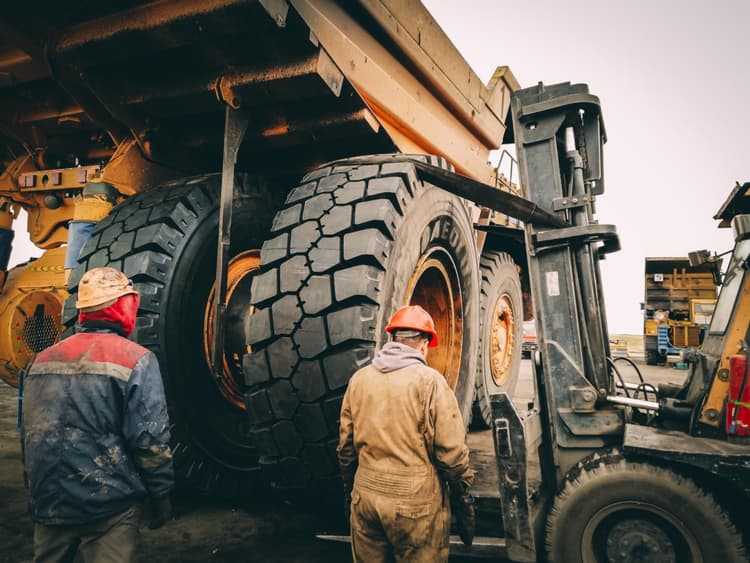
Heavy Equipment Delays and Equipment Downtime
Heavy equipment delays can have a significant impact on construction schedules and project costs. When critical machines are unavailable, entire phases of work may be postponed, affecting productivity and resource allocation.
Common equipment-related causes of construction delays include:
Equipment breakdowns and mechanical failures
Delayed maintenance and repairs
Equipment transportation issues
Rental equipment shortages
Operator availability challenges
Parts supply chain disruptions
Implementing preventive maintenance programs, equipment inspections, and backup equipment strategies can help reduce downtime and improve project reliability.
Frequently Asked Questions
What are construction delays?
Construction delays occur when project activities or completion dates extend beyond the planned schedule due to factors such as planning issues, weather, labor shortages, equipment downtime, or material delays.
What are the most common causes of construction delays?
Common causes include poor planning, scope changes, labor shortages, material procurement issues, equipment breakdowns, communication problems, and adverse weather conditions.
How does equipment downtime affect construction projects?
Equipment downtime can delay critical tasks, reduce productivity, increase operating costs, and extend project timelines when essential machinery becomes unavailable.
How can contractors reduce construction delays?
Contractors can minimize delays through detailed planning, proactive communication, preventive equipment maintenance, risk management, and effective project scheduling.
What is construction schedule recovery?
Construction schedule recovery refers to strategies used to regain lost project time after delays occur, such as fast-tracking, resource reallocation, overtime work, and critical path management.
Are all construction delays preventable?
No. While many delays can be reduced through planning and management, factors such as extreme weather, natural disasters, and certain regulatory changes are often beyond a contractor's control.
What is the impact of construction delays on project costs?
Delays can increase labor expenses, equipment costs, material prices, financing costs, and overall project overhead while potentially reducing profitability.
Why is delay management important in construction?
Effective delay management helps contractors maintain project schedules, control costs, improve client satisfaction, and increase the likelihood of successful project completion.
Conclusion
Construction delays are an inevitable part of the industry, but with proper planning, analysis, and management, their impact can be minimized. Understanding the types of construction delays, common reasons, and delay analysis techniques can help contractors and project managers take proactive steps to keep projects on track.
By implementing risk management strategies, leveraging technology, and maintaining clear communication, construction professionals can reduce delays and ensure project success.
Staying ahead of potential setbacks is key to improving efficiency, maintaining client trust, and securing future business opportunities.
Would you like more insights on how to improve construction project management? Follow our latest articles for industry updates and best practices!


Post acquisition of Boom & Bucket, the company he founded, Adam now leads Marketplace Growth for Ritchie Bros.