How to Choose the Right Service Truck: Types, Features & Buying Guide
10 Lectura mínima
&w=3840&q=75)

mayo 29, 2023
A service truck is more than a vehicle for getting from one jobsite to another. For contractors, mechanics, utility crews, and field-service businesses, it can function as a mobile workshop, carrying tools, parts, equipment, and supplies directly to where the work happens.
The right service truck can help technicians spend less time traveling back to a shop and more time completing jobs. The wrong truck, however, can create problems with payload, storage, maneuverability, fuel costs, and equipment compatibility.
So, how do you choose the right service truck for your business?
Start by looking at the work the truck needs to perform. Then consider its size, payload capacity, service body, storage configuration, drivetrain, power requirements, specialized equipment, operating environment, and total ownership cost.
This guide covers the major factors to consider when buying a new or used service truck.
What Is a Service Truck?
%3Aformat(webp)&w=1920&q=75)
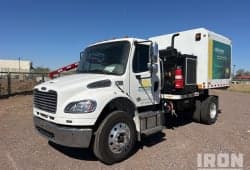


A service truck is a work vehicle designed to transport technicians, tools, parts, and equipment directly to a jobsite. Many service trucks feature compartments, drawers, racks, toolboxes, and specialized equipment.
Depending on the application, a service truck can be equipped with generators, air compressors, welders, cranes, hydraulic systems, or other job-specific equipment.
Service trucks are commonly used in:
Construction
Equipment repair and maintenance
Oil and gas
Mining
Utilities
Telecommunications
Agriculture
Municipal services
Electrical and plumbing
HVAC
Transportation and fleet maintenance
The main advantage is mobility. Instead of bringing a machine or vehicle back to a central shop for every repair, a technician can bring much of the required equipment directly to the job.
What Are the Main Types of Service Trucks?
Not every service truck is configured the same way. The body and chassis should match the work you perform.
1. Standard Service Trucks
A traditional service truck typically features multiple side compartments for organizing tools, parts, and consumables.
These trucks are popular with mechanics, contractors, equipment technicians, and maintenance crews because they provide organized storage while keeping equipment accessible.
2. Mechanics Trucks
Mechanics trucks are designed for more demanding field-service applications.
They can be equipped with larger compartments, cranes, compressors, generators, welders, and other equipment required for heavy equipment repair.
For construction, mining, and industrial operations, a mechanics truck can effectively become a mobile repair shop.
3. Utility Trucks
Utility trucks are designed to carry equipment and supplies for field-service work. Depending on the body configuration, they may include open storage, enclosed compartments, racks, or specialized equipment.
They are frequently used by contractors, utility companies, municipalities, and maintenance crews.
4. Flatbed Service Trucks
Flatbed configurations provide an open loading area that can accommodate larger or irregularly shaped equipment.
They may be useful when a business needs both tool storage and additional space for transporting materials or equipment.
5. Crane-Equipped Service Trucks
Some service trucks incorporate a small crane or knuckle-boom system for lifting heavy components.
These configurations can be particularly useful for field mechanics working on construction equipment, industrial machinery, or other large assets.
However, adding lifting equipment increases the truck's weight and can affect payload capacity, so the chassis must be appropriately specified.
Service Truck Comparison
%3Aformat(webp)&w=1920&q=75)
How to Choose the Right Service Truck
%3Aformat(webp)&w=1920&q=75)
1. Start With Your Business Requirements
Before looking at truck brands or prices, make a list of what the truck needs to accomplish.
Ask:
What tools will technicians carry?
How much equipment needs to be transported?
Will the truck perform repairs onsite?
Will it tow a trailer?
Will it operate on paved roads or rough jobsites?
Does it need a crane?
Does it need a generator or welder?
How many people will travel in the truck?
How many miles will it typically travel each year?
Answering these questions will narrow down the appropriate truck configuration.
2. Choose the Right Chassis Size
The chassis determines much of the truck's payload, maneuverability, towing capability, and operating cost.
Light-duty chassis can be appropriate for contractors who primarily carry tools and smaller equipment.
Medium- and heavy-duty chassis make more sense when the truck needs to carry substantial equipment or support specialized systems such as cranes, compressors, or welding equipment.
Don't automatically choose the largest truck available. A larger chassis can increase purchase price, fuel consumption, maintenance requirements, and operating costs.
Instead, choose enough capacity to safely handle your typical workload with an appropriate margin.
3. Pay Attention to Payload Capacity
Payload is one of the most important specifications when choosing a service truck.
Your payload calculation should account for:
Tools
Parts
Workers
Fuel
Service-body equipment
Crane or lifting equipment
Generator
Compressor
Welder
Towing equipment
Other permanently or temporarily mounted equipment
A truck that appears large enough may become overloaded once the service body and equipment are installed.
Always compare the truck's rated capacity with the actual weight of your intended configuration.
4. Choose the Right Service Body
The service body is essentially the truck's mobile workspace.
Consider how your technicians organize their tools and how frequently they need access to them.
Look for:
Number of compartments
Drawer sizes
Interior compartment height
Locking systems
Shelving
Ladder storage
Parts bins
Lighting
Weather protection
Think about workflow rather than simply counting compartments.
Frequently used tools should be easy to access, while less frequently used equipment can occupy deeper or less accessible storage areas.
5. Consider 2WD vs. 4WD
Your operating environment should influence drivetrain selection.
2WD can make sense for businesses that primarily operate on paved roads and established jobsites.
4WD can provide additional capability when trucks regularly travel across mud, gravel, dirt, steep terrain, or undeveloped jobsites.
Four-wheel drive can be particularly useful for contractors, utility crews, mining operations, agricultural businesses, and field-service technicians working away from paved roads.
However, 4WD can add cost, weight, and complexity, so it should be selected based on actual operating requirements.
6. Decide What Specialized Equipment You Need
One of the biggest advantages of a service truck is the ability to carry specialized equipment.
Depending on your business, you might need:
Crane: For lifting heavy components and equipment.
Generator: For powering electrical tools and equipment onsite.
Welder: Useful for field repairs and fabrication.
Air compressor: For pneumatic tools and service work.
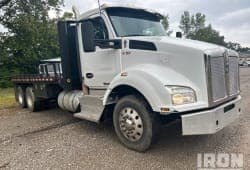


Hydraulic system: Useful for powering certain tools and attachments.
Fuel or fluid tanks: Can support equipment maintenance and refueling operations where appropriately configured and permitted.
The important point is to plan the complete configuration before purchasing the truck.
7. Consider Towing Requirements
If your service truck will tow trailers, equipment, or other vehicles, check the manufacturer's towing specifications and the truck's overall weight ratings.
Consider:
Trailer weight
Tongue weight
Hitch rating
Engine output
Transmission
Axle ratings
Braking capability
Payload
A service truck carrying a heavy service body and equipment may have substantially less available capacity for towing and payload than an empty chassis.
8. Think About Where the Truck Will Work
A service truck working primarily in an urban environment has different requirements from one operating at a remote mine or construction site.
For urban work, maneuverability, parking dimensions, fuel economy, and storage may be priorities.
For remote or off-road work, ground clearance, 4WD capability, tires, durability, and additional onboard equipment may become more important.
Match the truck to the environment instead of trying to make one configuration work everywhere.
9. New vs. Used Service Trucks
Buying used can be an attractive option when you need specialized capabilities without purchasing a brand-new vehicle.
The used market includes a wide range of configurations, ages, mileage, and equipment packages. Boom & Bucket's current inventory, for example, includes service trucks from manufacturers such as Ford, Ram, Chevrolet, International, Peterbilt, and Freightliner, along with different body and equipment configurations.
A used truck may also already have expensive equipment installed, such as a service body, crane, compressor, or welder.
However, condition matters more than age alone.
When evaluating a used service truck, inspect both the truck chassis and the specialized equipment mounted to it.
What to Inspect When Buying a Used Service Truck
%3Aformat(webp)&w=1920&q=75)
A thorough inspection can help identify expensive problems before purchase.
Engine and drivetrain
Check the engine, transmission, cooling system, exhaust system, and drivetrain for signs of excessive wear or damage.
Review service records and operating history where available.
Service body
Inspect compartments, doors, hinges, locks, drawers, floors, shelves, and mounting points.
Look for corrosion, structural damage, water intrusion, or poorly executed modifications.
Hydraulic system
If the truck has a crane, hydraulic tools, or other hydraulic equipment, inspect hoses, cylinders, pumps, fittings, and reservoirs for leaks or damage.
Electrical system
Check batteries, wiring, lighting, switches, control systems, generators, and auxiliary electrical equipment.
Tires, brakes, and suspension
Examine tire condition and tread depth, brakes, suspension components, steering, and other chassis systems.
Specialized equipment
Operate cranes, compressors, generators, welders, and other installed equipment where appropriate. Confirm that the equipment works as intended and matches the stated specifications.
Boom & Bucket specifically recommends reviewing areas such as the engine, hydraulic system, oil reservoir, tires, flatbed, and electrical system when evaluating a used service truck.
How Much Does a Service Truck Cost?
Service truck prices vary significantly depending on chassis size, age, mileage, body configuration, specialized equipment, condition, and market demand.
Rather than focusing only on the purchase price, calculate the total cost of ownership.
Consider:
Purchase price
Financing
Fuel
Insurance
Maintenance
Repairs
Tires
Registration
Equipment upgrades
Downtime
Transportation
A lower-priced truck that requires immediate repairs or equipment upgrades may ultimately cost more than a better-maintained truck with the correct configuration.
Service Truck Maintenance Tips
A service truck often accumulates significant mileage because technicians travel between jobsites. Regular preventive maintenance is therefore important.
Follow the manufacturer's maintenance schedule and regularly inspect:
Engine oil and filters
Coolant
Transmission fluid
Hydraulic fluid
Tires
Brakes
Batteries
Belts and hoses
Service-body hardware
Hydraulic components
Auxiliary equipment
Also inspect the truck before demanding jobs or long-distance trips.
Preventive maintenance can help identify smaller issues before they become major failures and unexpected downtime.
Final Checklist: Choosing a Service Truck
Before buying, confirm that the truck meets your requirements for:
Payload capacity
Towing capacity
Chassis size
Service-body configuration
Storage
2WD or 4WD
Specialized equipment
Working environment
Passenger capacity
Fuel requirements
Maintenance history
Overall condition
Budget and financing
Transportation requirements
The goal is to purchase a truck that fits the work-not simply the truck with the most equipment.
Find the Right Used Service Truck for Your Business
The right service truck can turn field maintenance into a more efficient mobile operation. Whether you're repairing heavy equipment, servicing utilities, supporting construction crews, or transporting tools between jobsites, the truck should be configured around the work your business performs every day.
If you're shopping for a used service truck, start with your required payload, storage, drivetrain, specialized equipment, and operating environment. Then compare individual trucks based on condition, maintenance history, specifications, and total ownership cost.
Ready to find your next service truck?
Browse used service trucks → Explore Boom & Bucket's current selection of service trucks and compare configurations for your business.
Need financing? → Explore financing options to help structure your equipment purchase around your business needs.
Need transportation? → Arrange equipment transport and get your purchased truck where it needs to go.
Selling a service truck? → If you're replacing an existing truck or updating your fleet, explore your options for selling used equipment through Boom & Bucket.
Frequently Asked Questions About Service Trucks
What is a service truck used for?
A service truck is used to transport technicians, tools, parts, and specialized equipment directly to jobsites. It can function as a mobile workshop for construction, utilities, equipment maintenance, and other field-service businesses.
What is the difference between a service truck and a utility truck?
The terms are sometimes used interchangeably. A service truck generally emphasizes tool storage and field repairs, while utility truck can refer more broadly to vehicles configured for carrying equipment, tools, materials, or specialized utility equipment.
What size service truck do I need?
The appropriate size depends on your payload, equipment, towing requirements, passengers, and operating environment. Choose a chassis with enough capacity for the fully loaded truck rather than selecting based only on empty-vehicle specifications.
Is a used service truck worth buying?
A used service truck can provide a practical way to obtain a specialized configuration while managing the upfront equipment investment. Condition, maintenance history, mileage, hours, and the condition of the service body and specialized equipment should all be evaluated.
What should I look for in a used service truck?
Inspect the engine, transmission, chassis, tires, brakes, suspension, service body, hydraulic system, electrical system, and any specialized equipment. Review available maintenance and inspection records before purchasing.
Can a service truck have a crane?
Yes. Some service trucks are equipped with cranes or knuckle-boom systems for lifting components and equipment. The crane's capacity must be matched to the truck chassis and the intended lifting application.


David Baca is an Inside Sales Lead at Boom & Bucket, where he helps modernize how heavy equipment is bought and sold. Based in Austin, he blends over a decade of sales experience with a strong technical background, bringing a sharp, customer-first mindset to every deal. With experience spanning software engineering, finance, and real estate, David is known for removing friction, building trust fast, and finishing strong. He's fluent in English and Spanish, detail-obsessed, and a big believer that good work should still leave room for laughter.