Small Garage Construction: A Complete Guide for Builders and Contractors
9 Lectura mínima
&w=3840&q=75)

marzo 11, 2025
A small garage is a practical and versatile addition to any property, whether for vehicle storage, a workshop, or extra storage space. Proper planning and execution are essential for ensuring a durable and functional structure. This guide covers the key aspects of small garage construction, from foundation work to roofing, with a focus on construction techniques and heavy equipment use.
What Is a Small Garage?
A small garage is a compact storage and parking space designed to accommodate one vehicle while providing limited room for tools, equipment, and household items. With smart planning and efficient storage solutions, a small garage can also function as a workshop or organized storage area.


How Do You Organize a Small Garage?
Organize a small garage by decluttering, dividing the space into functional zones, installing wall-mounted and overhead storage, using labeled containers, and keeping frequently used tools within easy reach. Regular maintenance helps prevent clutter from returning.
How Can You Maximize Space in a Small Garage?
Maximize space by using vertical storage, overhead racks, wall shelving, pegboards, fold-down workbenches, and multi-purpose cabinets. Keeping the floor clear and organizing items by frequency of use makes a small garage feel larger and more functional.
What Is the Best Storage System for a Small Garage?
The best storage system combines wall-mounted shelving, pegboards, overhead storage racks, cabinets, and stackable storage bins. This combination maximizes available space while keeping tools, equipment, and seasonal items organized and easily accessible.
What Flooring Is Best for a Garage?
Epoxy flooring is one of the best options for garages because it is durable, stain-resistant, easy to clean, and capable of withstanding vehicle traffic, chemicals, and everyday wear. Interlocking floor tiles and polyaspartic coatings are also popular alternatives.
Can a Small Garage Be Used as a Workshop?
Yes. A small garage can become an efficient workshop by adding a compact workbench, proper lighting, wall-mounted tool storage, and organized shelving. Separating work, storage, and parking areas helps maximize productivity without sacrificing valuable space.
Real-World Experience Organizing Small Garages
Making the most of a small garage requires thoughtful planning rather than simply adding more shelves. Homeowners, contractors, and mechanics often maximize limited space by dividing the garage into dedicated zones, using vertical storage, and selecting storage solutions based on how frequently items are used. Organizing tools, equipment, and seasonal items efficiently not only creates a cleaner workspace but also improves safety, reduces clutter, and makes everyday tasks more convenient.
Site Preparation for Small Garage Construction
Before building a small garage, proper site preparation is crucial. This includes:
Excavation and Grading: Clearing debris, leveling the ground, and ensuring proper drainage.
Heavy Equipment Used: Mini excavators, skid steers, and compact loaders for earthmoving.
Soil Testing: Checking soil conditions to determine the best foundation type.
%3Aformat(webp)&w=1920&q=75)
Foundation Options for Small Garages
A solid foundation ensures the garage’s longevity and stability. The most common foundation types include:
Concrete Slab Foundation: Provides strong support and prevents shifting.
Pier Foundation: Ideal for uneven terrain or areas with poor soil conditions.
Reinforcement: Using rebar or wire mesh for added strength.
Heavy Equipment Needed: Concrete mixers and vibratory compactors for proper setting.
Small Garage Layout Ideas
Dividing a small garage into functional zones makes it easier to stay organized and maximize every square foot.
%3Aformat(webp)&w=1920&q=75) Creating designated zones reduces clutter and improves workflow.
Creating designated zones reduces clutter and improves workflow.
Workshop Design
A small garage can serve as an efficient workshop with the right layout and storage solutions. Position the workbench near electrical outlets and adequate lighting while keeping frequently used tools within easy reach.
For an efficient workshop:
Install a sturdy workbench.
Add pegboards or tool walls.
Use rolling tool cabinets.
Provide task lighting.
Keep work surfaces clear.
Store power tools safely.
A well-designed workshop improves productivity without sacrificing parking or storage space.
Framing and Structural Considerations
Choosing the right framing materials is key to structural integrity:
Wood Framing: Cost-effective and easy to work with.
Metal Framing: More durable and resistant to pests and fire.
Equipment for Framing: Forklifts and cranes for lifting beams and roof trusses.
Types of Small Garages and Their Construction Methods
Small garages come in different styles, each with unique construction needs:
Detached vs. Attached Garages: A detached garage requires separate utilities and foundation work.
Prefabricated vs. Custom-Built Garages: Prefab garages offer quick installation, while custom garages provide more flexibility.
Insulated vs. Non-Insulated Garages: Insulated garages are ideal for workshops and cold climates.
Garage Planning Checklist
Before organizing your garage, create a plan that matches your available space and storage needs. A well-designed layout helps maximize storage while maintaining easy access and safe movement.
Garage Planning Checklist
Measure the available floor and wall space.
Decide how the garage will be used.
Separate items by category.
Create dedicated storage zones.
Install wall and overhead storage where appropriate.
Leave clear walkways around vehicles.
Improve lighting and ventilation.
Plan electrical outlet locations.
Secure hazardous materials.
Schedule regular organization and maintenance.
Planning helps prevent overcrowding and improves long-term organization.
Vertical Storage Systems
When floor space is limited, vertical storage provides one of the most effective ways to increase capacity. Utilizing wall and ceiling space keeps frequently used areas clear while maintaining easy access to stored items.
Popular vertical storage options include:
Wall-mounted shelves
Pegboards
Slatwall systems
Overhead storage racks
Hanging bicycle racks
Ladder hooks
Ceiling-mounted storage platforms
Vertical storage helps maximize space while keeping garages organized and safe.
Heavy-Duty Garage Doors and Access Considerations
Selecting the right garage door improves accessibility and security:
Roll-Up Doors: Space-saving and durable for commercial use.
Sectional Garage Doors: Common for residential garages.
Installation Equipment: Hoists, power drills, and fasteners for proper alignment and balance.
Climate Control
Temperature and humidity can affect stored tools, equipment, and household items. Climate control helps protect valuable belongings while making the garage more comfortable throughout the year.
Consider adding:
Insulation
Ventilation fans
Portable heaters
Air conditioning (where appropriate)
Dehumidifiers
Weather stripping around doors




Maintaining a stable environment helps extend the life of stored items.
Roofing and Weather Protection for Small Garages
A strong roofing system is crucial for protection against the elements:
Metal Roofing: Long-lasting and low maintenance.
Asphalt Shingles: Cost-effective and easy to install.
Flat vs. Sloped Roofs: Sloped roofs improve drainage and reduce snow accumulation.
%3Aformat(webp)&w=1920&q=75)
Electrical and Mechanical Installations
A well-equipped garage needs proper electrical and mechanical systems:
Lighting and Ventilation: LED lights and exhaust fans improve visibility and airflow.
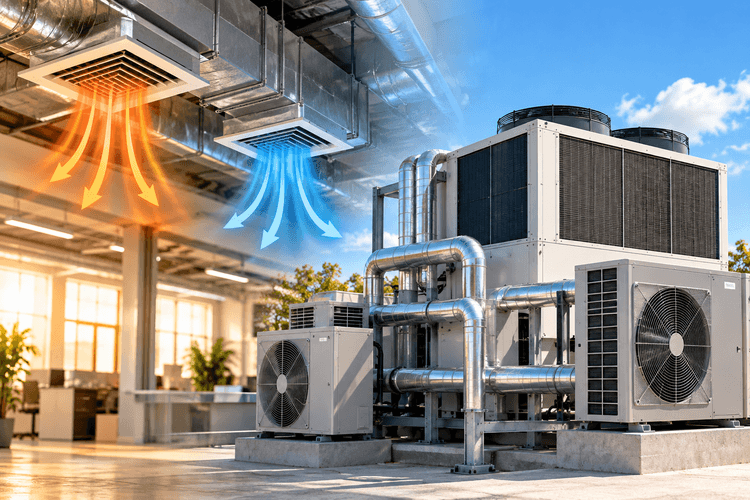
HVAC Systems: Essential for climate-controlled garages.
Power Outlets: Installing heavy-duty circuits for tools and equipment.
Garage Lighting Guide
Good lighting improves visibility, safety, and productivity in any garage. Combining general lighting with focused task lighting creates a comfortable workspace for maintenance, repairs, and storage.
Recommended lighting includes:
LED ceiling fixtures
Task lighting above workbenches
Motion-activated lights
Under-cabinet lighting
Natural daylight where possible
Energy-efficient lighting improves both functionality and operating costs.
Garage Flooring Options
Choosing the right garage flooring improves durability, appearance, and ease of maintenance. Different flooring systems offer varying levels of protection depending on how the garage is used.
%3Aformat(webp)&w=1920&q=75) Selecting durable flooring helps protect the garage while making cleaning easier.
Selecting durable flooring helps protect the garage while making cleaning easier.
Garage Security
Garages often contain valuable tools, equipment, and vehicles, making security an important consideration.
Simple ways to improve garage security include:
Install smart garage door openers.
Add security cameras.
Upgrade door locks.
Use motion-sensor lighting.
Lock valuable tools in cabinets.
Maintain an inventory of expensive equipment.
Improving garage security helps protect valuable assets and provides peace of mind.
Seasonal Organization
Rotating stored items by season keeps the garage organized while making frequently used equipment easier to access.
Seasonal organization tips:
Store holiday decorations overhead.
Rotate lawn and snow equipment.
Label storage bins clearly.
Donate unused items annually.
Store seasonal sports equipment together.
Review inventory at the start of each season.
Seasonal organization prevents clutter from accumulating over time.
Garage Maintenance Checklist
Routine maintenance helps preserve both the garage structure and organization system while preventing costly repairs.
Garage Maintenance Checklist
Sweep and clean floors regularly.
Inspect shelving and storage racks.
Test garage door operation.
Check lighting fixtures.
Inspect electrical outlets.
Clean workbenches.
Remove unused items.
Inspect for water leaks.
Organize tools after each project.
Review stored chemicals for expiration.
Regular maintenance keeps the garage clean, safe, and functional year-round.
Cost and Budgeting for Small Garage Construction
Understanding construction costs helps in planning and budgeting:
Material Costs: Concrete, lumber, roofing materials, and insulation.
Labor Costs: Hiring contractors and skilled laborers.
Heavy Equipment Rental: Estimating costs for loaders, mixers, and other machinery.
Frequently Asked Questions (FAQs)
How do I organize a small garage?
Start by decluttering, creating storage zones, installing vertical storage, and keeping frequently used items easily accessible.
What is the best garage storage system?
A combination of wall shelving, overhead racks, pegboards, cabinets, and storage bins provides the greatest flexibility.
How can I make a small garage look bigger?
Use vertical storage, improve lighting, keep floors clear, and eliminate unnecessary clutter to create a more open appearance.
What flooring is best for garages?
Epoxy flooring is one of the most durable and low-maintenance options for residential garages and workshops.
Can I build a workshop in a small garage?
Yes. A compact workbench, efficient storage, and proper lighting can create a functional workshop in limited space.
How do I protect tools from humidity?
Use climate control, dehumidifiers, sealed storage cabinets, and proper ventilation to reduce moisture and prevent rust.
What should not be stored in a garage?
Avoid storing food, sensitive electronics, important documents, and flammable materials unless appropriate storage conditions are available.
How often should I reorganize my garage?
Review and reorganize your garage at least twice a year, or whenever seasonal equipment changes.
How can I improve garage security?
Install smart garage door openers, security cameras, motion lighting, and lockable storage cabinets for valuable tools.
Is it worth investing in garage organization systems?
Yes. Quality storage systems improve safety, maximize space, protect valuable equipment, and make the garage easier to use for years to come.
Make the Most of Every Square Foot
A well-organized garage is more than just extra storage-it creates a safer, more efficient space for parking, home projects, and equipment storage. With thoughtful planning, durable storage solutions, and regular maintenance, even a small garage can become a highly functional workspace.
If your projects are growing beyond the garage, Boom & Bucket offers quality used heavy equipment to help you take on bigger jobs with confidence. Explore our equipment marketplace and educational resources to support your next project.
Conclusion: Choosing the Right Small Garage for Your Needs
A well-built small garage enhances property value and functionality. Whether used for vehicle storage, a workshop, or extra space, selecting the right materials, equipment, and construction methods is key to long-term durability.
By following these guidelines and using heavy equipment where necessary, you can build a strong, long-lasting small garage tailored to your needs.



Caleb Woods is an experienced content specialist and an editor at Boom & Bucket, blending his journalism background with expertise in the heavy equipment industry. He delivers engaging, informative content to help professionals stay informed and make smarter decisions in the machinery market.