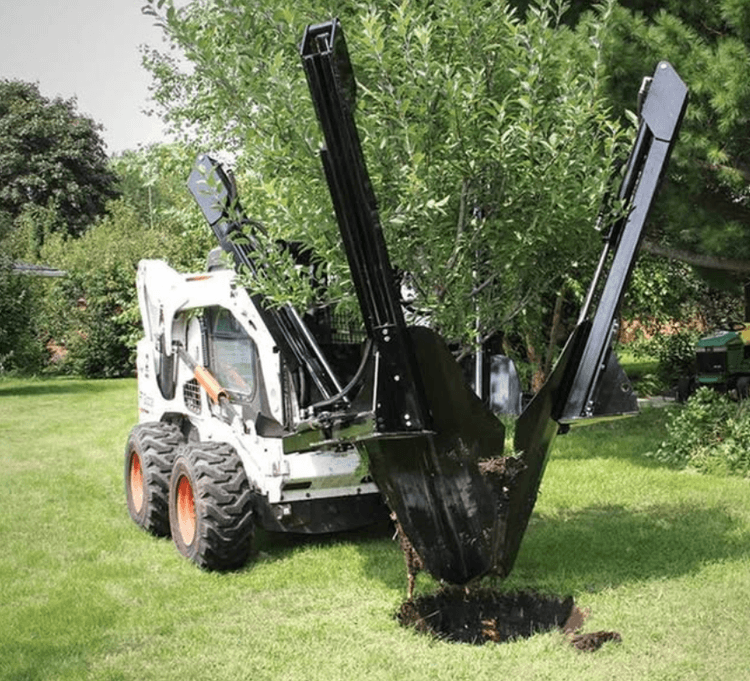
The Benefits of Owning a Gehl Skid Steer: Performance, Versatility, and Buying Tips
9 Lectura mínima


junio 20, 2023
A Gehl skid steer is a practical investment for contractors, landscapers, farmers, and property managers who need a compact machine that can handle multiple jobs. With the right model and attachments, a single skid steer can move materials, grade soil, clear debris, handle pallets, and support seasonal maintenance.
Gehl offers skid steer loaders in different sizes and configurations, giving buyers options for confined work areas, material handling, and demanding construction tasks. The best choice depends on your required lifting capacity, job-site conditions, attachment needs, and operating budget.
For businesses considering a used Gehl skid steer for sale, understanding these advantages can help you choose equipment that delivers useful performance without overspending.
What Is a Gehl Skid Steer?

Equipo reciente
Examinar todas las equipo


A Gehl skid steer is a compact, wheeled loader designed to maneuver in tight spaces while performing material-handling and ground-preparation tasks. Its wheels turn at different speeds to change direction, allowing the machine to make tight turns where larger equipment may struggle.
Gehl manufactures compact loaders for construction, agriculture, landscaping, and other applications. Depending on the model, buyers can choose different operating capacities, lift designs, dimensions, and hydraulic configurations.
For example, the Gehl R105 is a compact model with a published rated operating capacity of 1,050 pounds at 50% of tipping load. The Gehl R165 has a published rated operating capacity of 1,650 pounds using the same measure. These examples illustrate why checking the specifications of the exact machine matters more than choosing by brand alone.
7 Benefits of Owning a Gehl Skid Steer
1. Versatility Across Different Jobs
One of the biggest benefits of owning a Gehl skid steer is its ability to perform several tasks with compatible attachments. Instead of purchasing a separate machine for every application, you can use one loader for a variety of daily jobs.
Common applications include:
Construction: Moving gravel, loading soil, clearing debris, and preparing building sites.
Landscaping: Grading yards, spreading mulch, moving topsoil, and preparing planting areas.
Agriculture: Handling hay, moving feed, cleaning barns, and transporting supplies.
Property maintenance: Clearing brush, moving materials, and maintaining access roads.
Winter services: Moving snow with compatible blades or snow blowers.
This versatility is especially valuable for small and midsize businesses that need equipment to earn its keep throughout the year.
2. Maneuverability in Confined Work Areas
Skid steers are designed for tight turning and efficient movement around obstacles. Their compact footprint can make them useful on residential construction sites, in barns, along landscaping paths, and in other areas where larger loaders may be difficult to position.
Before purchasing, measure gates, doorways, trailers, and work areas. Check the machine's overall width, height, turning clearance, and operating weight. A loader that fits the work area comfortably can reduce repositioning and help operators work more efficiently.
Remember that wheeled skid steers generally perform best on firm, relatively stable surfaces. If your projects frequently involve soft ground, mud, or sensitive landscaping, compare a compact track loader before making a decision.
3. Attachment Compatibility Expands Productivity
Attachments can transform a Gehl skid steer from a basic material handler into a machine suited to specialized work.
Popular options include:
General-purpose bucket: Scooping, carrying, and dumping loose materials.
Pallet forks: Moving pallets, building supplies, and packaged materials.
Grapple bucket: Handling brush, logs, demolition debris, and irregular loads.
Auger: Drilling holes for fence posts and landscaping projects.
Landscape rake: Preparing soil and collecting surface debris.
Snow blade: Clearing snow from driveways, parking lots, and access roads.
Before buying an attachment, verify its mounting system, hydraulic requirements, flow rate, and compatibility with the specific loader. High-flow attachments require a machine equipped to supply the necessary hydraulic flow.
The right attachment can increase the number of billable jobs your equipment handles, but only when it matches the machine's capabilities and your customers' needs.
4. A Compact Machine With Useful Lifting Capability
Gehl skid steers combine a relatively small footprint with lifting and carrying capabilities suited to many construction and agricultural tasks.
However, rated operating capacity is not the same as tipping load or the maximum weight the machine can physically lift. Buyers should evaluate the manufacturer's rated capacity, attachment weight, load shape, reach, and operating conditions before selecting a model.
A radial-lift design generally favors reach through the middle of the lift path and may suit digging or ground-level work. A vertical-lift design generally offers greater reach near full lift height, which can be useful when loading trucks or stacking materials.
Choose the lift path that best matches your most frequent tasks rather than assuming one configuration is better for every job.
5. Potential Savings Compared With Larger Equipment
For smaller projects, a skid steer may be more economical than operating a larger loader. Its compact size can simplify work in restricted spaces, and its attachment options can reduce the need for multiple specialized machines.
A used Gehl skid steer may also offer a lower initial purchase price than a comparable new machine. However, the true savings depend on the unit's condition, service history, remaining useful life, and financing or transportation costs.
Estimate total ownership cost by including:
Purchase price and financing expenses
Fuel and routine maintenance
Tires, filters, hoses, and wear parts
Repairs and expected downtime
Attachment purchases
Insurance, transport, and storage
A low-priced loader is not necessarily the best value if it needs immediate repairs or cannot handle your intended workload.
6. Operator Comfort and Safety Considerations
Operator comfort can influence productivity during long shifts. Depending on the model and configuration, Gehl loaders may offer features such as ergonomic controls, protective structures, improved visibility, and optional cab amenities.
Equipo reciente
Examinar todas las equipo


When inspecting a used machine, test the controls, seat adjustment, visibility, door and window condition, warning indicators, and safety interlocks. Confirm that protective structures are intact and that the machine's safety systems operate correctly.
Operators should receive appropriate training and follow the manufacturer's operating instructions. Keep bystanders clear, wear the required restraint system, and never exceed the rated capacity. Use suitable attachments and follow safe procedures when working on slopes or handling suspended or unstable loads.
7. Opportunities for Long-Term Business Value
A well-maintained Gehl skid steer can support recurring work across several seasons. Contractors may use it for site preparation in one month, material handling the next, and snow removal during winter.
That flexibility can improve equipment utilization, especially when the business has enough work to keep the loader productive.
Resale value, however, is not guaranteed. It depends on model demand, operating hours, condition, maintenance records, market supply, and local buyer preferences. Keep service records, address repairs promptly, and avoid operating the machine beyond its intended limits to help protect its long-term value.
Which Gehl Skid Steer Configuration Is Right for You?
Use the comparison below as a starting point. Actual capabilities vary by model, year, and equipment configuration.

How to Choose a Used Gehl Skid Steer
Buying used equipment can reduce upfront costs, but a thorough inspection is essential.
Check operating hours and maintenance records. Hours provide context, but they do not tell the entire story. Look for evidence of routine servicing, repairs, and consistent maintenance.
Inspect the engine and hydraulics. Watch for excessive smoke, leaks, unusual noises, slow hydraulic response, and warning lights. Test the loader and auxiliary hydraulic functions under appropriate conditions.
Examine the tires and undercarriage components. Check tire wear, cuts, wheel condition, and signs of uneven wear that may indicate mechanical or alignment problems.
Test the lift arms and attachment system. Look for cracks, damaged pins, excessive play, and worn mounting components. Confirm that attachments connect securely and operate correctly.
Evaluate the cab and safety equipment. Test controls, restraints, interlocks, gauges, lights, and other installed safety features.
Review the machine's specifications. Confirm the model, year, rated operating capacity, operating weight, hydraulic flow, lift height, and attachment compatibility. Ask for additional inspection or service documentation if important details are missing.
For expensive purchases, consider an independent mechanic or qualified equipment inspector before committing.
Is a Gehl Skid Steer Worth Buying?
A Gehl skid steer can be a worthwhile investment if its capabilities match your workload and you have enough jobs to justify ownership costs. It may be particularly useful for contractors who need one machine to handle several tasks without taking up excessive space.
Before purchasing, estimate how frequently you will use the loader, which attachments you need, and how much owning it will cost each month. Compare those expenses with the cost of renting equipment for occasional projects.
The best purchase is not necessarily the newest or most powerful machine. It is the one that meets your capacity requirements, fits your work environment, and offers dependable performance at a realistic total cost.
Find the Right Used Skid Steer With Boom & Bucket

Ready to add a versatile loader to your fleet? Boom & Bucket helps equipment buyers explore used heavy machinery and compare options for their operations.
Start by browsing available equipment, then narrow your search based on budget, machine specifications, operating hours, and intended applications.
Explore available machines: Visit Boom & Bucket's equipment marketplace to browse equipment listings.
Compare your options: Review machine details, condition information, and specifications before deciding which loaders deserve a closer look.
Plan your purchase: Account for inspection, financing, transportation, and any attachments required for your work.
Make an informed decision: Choose a machine that fits your workload and budget rather than paying for capacity or features you will rarely use.
Whether you're expanding a construction fleet, improving farm productivity, or starting a landscaping business, the right used skid steer can help you take on more work with confidence.
Explore equipment on Boom & Bucket and find a skid steer that fits your next project.
Frequently Asked Questions
What is a Gehl skid steer used for?
Gehl skid steers are used for material handling, grading, landscaping, construction cleanup, agricultural work, and other tasks. Compatible attachments expand their applications.
Is a used Gehl skid steer worth buying?
It can be, provided the machine's condition, maintenance history, capacity, and price align with your needs. Inspect the equipment carefully and budget for future maintenance.
What attachments can you use with a Gehl skid steer?
Depending on the model and mounting system, compatible attachments may include buckets, pallet forks, grapples, augers, landscape tools, and snow equipment. Verify hydraulic and mounting compatibility before purchasing.
Should I buy a wheeled skid steer or a compact track loader?
A wheeled skid steer is often a practical choice for firm surfaces and material handling. A compact track loader may be preferable when flotation and traction on softer ground are priorities. Compare operating costs and site conditions before choosing.
What should I check before buying a used Gehl skid steer?
Review service records, operating hours, engine performance, hydraulic operation, tires, lift arms, attachment compatibility, safety systems, and signs of structural damage. A professional inspection can help identify costly issues before purchase.



Caleb Woods is an experienced content specialist and an editor at Boom & Bucket, blending his journalism background with expertise in the heavy equipment industry. He delivers engaging, informative content to help professionals stay informed and make smarter decisions in the machinery market.