Learn The Bucket Truck That Will Meet Your Needs
9 Lectura mínima

septiembre 9, 2023
When it comes to specialized vehicles that offer unparalleled reach and versatility, bucket trucks are an essential tool for a variety of industries. In this comprehensive guide, we'll delve into the world of bucket trucks and help you understand everything you need to know to make an informed decision. From different sizes and uses to potential earnings and considerations, we've got you covered. So, let's strap in and embark on a journey to discover the ultimate bucket truck that meets your unique needs.
Features to Consider
1. Reach and Height
Equipo relacionado
Examinar todas las Camiones con plataforma
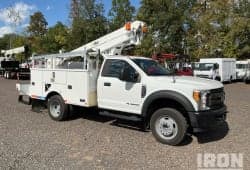
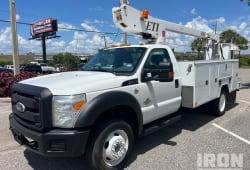
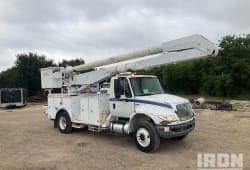
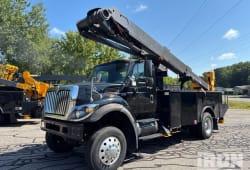
Working Height:
The working height of a bucket truck is a crucial factor. It determines the maximum elevation you can achieve to perform your tasks. Depending on your specific needs, you may require a truck that can reach heights of 30 feet, 50 feet, or even higher. For instance, utility workers often need higher reach capabilities for accessing electrical lines, while tree trimmers might require varying heights based on the tree sizes. Ensuring the truck you choose has the appropriate working height to handle your most common jobs can prevent operational limitations and enhance efficiency.
Horizontal Reach:

In addition to vertical reach, consider the horizontal reach of the boom. This is particularly important for tasks that require access over obstacles or across wide areas, such as extending over fences or buildings. A good horizontal reach allows for greater flexibility and reduces the need to reposition the truck frequently, saving time and increasing productivity. Evaluating the typical scenarios you'll face can help you choose a truck with sufficient horizontal reach for your operations.
2. Platform Capacity
Weight Capacity:
The platform or bucket must support the weight of the operator and any tools or equipment needed for the job. Typical capacities range from 300 to 1,500 pounds, depending on the truck model. It's essential to select a truck with a platform capacity that matches your operational requirements. Overloading the bucket can compromise safety and performance, so consider the combined weight of personnel and equipment to choose a suitable capacity. This ensures that you can carry out tasks effectively without risking structural integrity or safety.
3. Mobility and Maneuverability
Chassis Size:
The size of the truck’s chassis can impact its maneuverability, especially in varying work environments. Smaller chassis are ideal for urban environments with narrow streets and tight spaces, allowing for easier navigation and positioning. Conversely, larger chassis provide better stability and are suitable for heavy-duty tasks in more open areas, such as construction sites. Assessing the typical locations where the truck will operate helps in selecting a chassis size that balances maneuverability and stability according to your needs.
Drive Type:
Consider whether you need a two-wheel drive or four-wheel drive truck. Two-wheel drive models are generally sufficient for paved roads and stable surfaces. However, four-wheel drive models offer better traction and performance on rough or uneven terrain, making them ideal for construction sites, rural areas, or off-road applications. Evaluating the typical terrain and conditions of your work sites will guide you in choosing the appropriate drive type to ensure consistent performance and reliability.
4. Safety Features
Stability:
Look for trucks with stabilizers or outriggers to ensure stability when the boom is extended. These features are essential for safe operation at heights, preventing the truck from tipping over or becoming unstable. Stabilizers extend outward to provide a wider base, enhancing balance and security. Ensuring that your bucket truck is equipped with effective stabilizing mechanisms can significantly reduce the risk of accidents and injuries, providing peace of mind during operation.
Controls:
Advanced control systems can enhance safety and precision, making the operation of the bucket truck more intuitive and responsive. User-friendly controls allow operators to maneuver the boom and platform smoothly, reducing the risk of sudden movements or errors. Look for trucks with controls that offer both ground and platform operation options, enabling better control and flexibility. Investing in a truck with reliable and easy-to-use controls can improve operational safety and efficiency.
Fall Protection:
Ensure the bucket truck is equipped with appropriate fall protection systems, such as harnesses and lanyards, to safeguard operators. These safety measures are crucial in preventing falls and ensuring compliance with safety regulations. Fall protection systems should be inspected regularly and properly maintained to ensure they provide effective protection. Prioritizing trucks with robust fall protection features demonstrates a commitment to operator safety and can prevent serious injuries.
5. Power Source
Engine Type:
Bucket trucks can be powered by diesel, gasoline, or electric engines. Diesel engines are preferred for heavy-duty use due to their durability and fuel efficiency, making them ideal for long-term, intensive tasks. Gasoline engines are typically used for lighter applications and are easier to maintain. Electric models are gaining popularity for their environmental benefits, reduced noise levels, and lower operating costs. They are especially suitable for urban areas or indoor use. Choosing the right engine type depends on your operational needs, environmental considerations, and budget.
Battery Capacity:
For electric bucket trucks, battery capacity and charging time are critical factors. Ensure the battery can support a full day’s work without frequent recharging, which can interrupt workflow and reduce productivity. Additionally, consider the availability of charging stations and the time required to recharge the battery fully. A truck with a robust battery system and convenient recharging options can enhance operational efficiency and sustainability. Evaluating these factors helps ensure that the electric truck can meet your daily operational demands effectively.
Popular Bucket Truck Models
1. Altec AT37G
Working Height: 42 feet
Horizontal Reach: 27.8 feet
Platform Capacity: 400 pounds
Features: Insulated boom, joystick controls, and optional material handling jib.
2. Versalift VST-47-MHI
Working Height: 52 feet
Equipo relacionado
Examinar todas las Camiones con plataforma
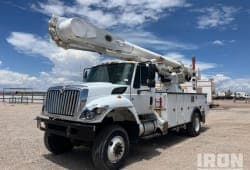
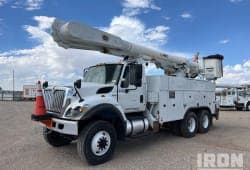
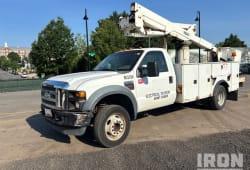
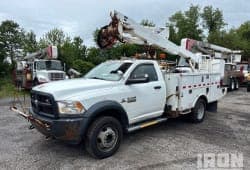
Horizontal Reach: 31 feet
Platform Capacity: 500 pounds
Features: Material handling, upper control isolator, and hydraulic leveling.
3. Terex Hi-Ranger LT40
Working Height: 45 feet
Horizontal Reach: 29.5 feet
Platform Capacity: 400 pounds
Features: Dual control system, continuous rotation, and fiberglass upper boom.
4. ETI ETC37IH
Working Height: 42.5 feet
Horizontal Reach: 28.5 feet
Platform Capacity: 350 pounds
Features: Insulated boom, proportional controls, and easy maintenance design.
Key Bucket Truck Specifications
Choosing the right bucket truck requires more than comparing maximum working height. Buyers should evaluate several specifications to ensure the machine fits the job and operates within its rated limits.
 Always verify specifications against the manufacturer's documentation for the exact truck and aerial-device configuration.
How to Choose the Right Bucket Truck
Start by identifying the work you need to perform, then compare equipment based on the site's access requirements and operating conditions.
Determine working height and horizontal reach. Measure the required access height and distance from the truck's planned setup position.
Calculate platform load. Include occupants, tools, and equipment within the rated platform capacity.
Choose the correct boom configuration. Consider whether vertical access, side reach, or maneuvering around obstacles is essential.
Evaluate insulation requirements. For electrical utility work, verify the equipment's ratings, intended use, testing status, and applicable safety procedures.
Check chassis and site access. Consider vehicle dimensions, weight limits, road conditions, and outrigger setup space.
Compare total ownership costs. Include purchase price, inspections, maintenance, insurance, fuel, and operator training.
The right bucket truck is the one that meets the job's reach and capacity requirements while remaining suitable for the site and intended application.
Bucket Truck Safety and Compliance
Bucket trucks allow workers to access elevated areas, but safe operation depends on correct setup, inspection, training, and hazard control.
Before use:
Inspect the truck, boom, platform, controls, hydraulics, and safety systems.
Set up the vehicle on suitable ground and deploy stabilizers as specified.
Follow platform-capacity and operating-limit requirements.
Use required fall-protection equipment and designated anchor points.
Identify overhead power lines and maintain applicable electrical clearances.
Keep personnel clear of moving equipment and pinch points.
Follow manufacturer instructions and applicable OSHA requirements.
For electrical work, do not assume that an insulated boom makes the truck safe for every energized-work situation. Verify equipment ratings and follow the employer's electrical safety procedures.
Frequently Asked Questions About Bucket Trucks
How do I choose the right bucket truck size?
Choose a truck based on required working height, horizontal reach, platform capacity, site access, and the equipment's rated operating limits.
What is the difference between working height and horizontal reach?
Working height describes the approximate vertical access height, while horizontal reach describes how far the platform can extend laterally. Both measurements matter when planning access to a work area.
Should I buy a new or used bucket truck?
A new truck may suit buyers who need a particular configuration, while a used truck may offer a lower purchase price. Compare condition, inspection records, availability, and total ownership costs.
What should I inspect before buying a used bucket truck?
Inspect the chassis, boom, platform, hydraulics, outriggers, controls, safety systems, maintenance records, and any required insulation-testing documentation.
Conclusion
Choosing the right bucket truck is essential for ensuring the safety and efficiency of your high-altitude tasks. By considering factors such as working height, platform capacity, mobility, safety features, and power source, you can select a bucket truck that meets your specific needs. Models like the Altec AT37G, Versalift VST-47-MHI, Terex Hi-Ranger LT40, and ETI ETC37IH offer a range of features and capabilities to suit various applications.
Investing in the right bucket truck will not only enhance your productivity but also provide a safe working environment for operators. Make sure to evaluate your requirements thoroughly and choose a truck that aligns with your operational demands.
Visit Boom & Bucket to buy and sell your machinery.