Various Types of Dump Trucks and Selecting the Best Fit for Your Business
18 Lectura mínima


agosto 10, 2023
Dump trucks play a crucial role in various industries, including construction, mining, and waste management. Understanding their importance and choosing the right type for your business can significantly impact your operations' efficiency and success. In this article, we will explore the different types of dump trucks available and discuss the factors to consider when selecting the best fit for your business.
What are the different types of dump trucks?
Common dump truck types include standard dump trucks, articulated dump trucks, transfer dump trucks, side dump trucks, off-road mining trucks, semi-trailer end dumps, and bottom dump trucks. Each configuration is designed for different hauling requirements, terrain, and unloading applications.
Equipo relacionado
Examinar todas las Camiones volquetes

Understanding the Importance of Dump Trucks in Your Business
Dump trucks play a vital role in construction and mining projects, facilitating the transportation of materials and debris. These heavy-duty vehicles are designed to carry and unload large quantities of loose materials, such as soil, gravel, sand, and rocks. By efficiently moving materials to and from the job site, dump trucks contribute to increased productivity and streamlined operations.
In the waste management industry, dump trucks are essential for collecting and disposing of waste materials. They enable waste management companies to transport garbage, recyclables, and other waste products from residential, commercial, and industrial areas to disposal facilities. The efficient operation of dump trucks in waste management significantly impacts cleanliness, environmental sustainability, and public health.
When it comes to construction and mining, dump trucks play a crucial role in ensuring the smooth and efficient operation of these industries. In construction projects, dump trucks are used to transport materials such as aggregate, concrete, asphalt, and dirt. They enable construction crews to efficiently move materials to where they are needed, minimizing manual labour and enhancing productivity. Additionally, dump trucks equipped with hydraulic lifts allow for easy unloading, reducing the time and effort required to offload materials.
In the mining industry, dump trucks are crucial for the transportation of minerals, rocks, and other extracted materials. These trucks are specially designed to handle the demands of mining operations, such as carrying tremendous loads over long distances and challenging terrains. Dump trucks in mining ensure that extracted materials are efficiently transported to processing facilities, contributing to the overall efficiency of mining operations.
But the importance of dump trucks doesn't end there. In waste management operations, dump trucks significantly contribute to the efficiency of the entire process. Waste management involves collecting, transporting, and disposing of waste materials effectively. Dump trucks, with their large capacity and specialized features, play a vital role in this process.
Dump trucks used in waste management are specifically designed to accommodate large volumes of waste materials. These trucks often feature open-top containers or hydraulic systems that allow for easy loading and unloading of waste. By efficiently collecting and transporting waste, dump trucks help maintain cleanliness in residential areas, businesses, and public spaces.
Furthermore, dump trucks play a crucial role in recycling operations. They facilitate the transportation of recyclable materials from collection points to recycling facilities, contributing to the reduction of waste sent to landfills and promoting environmental sustainability. The efficiency of dump trucks in waste management ensures that waste collection and disposal processes are carried out promptly, preventing potential health hazards and environmental pollution.
In conclusion, dump trucks are indispensable in various industries, including construction, mining, and waste management. They enable the efficient transportation of materials and waste, contributing to increased productivity, cleanliness, and environmental sustainability. Whether it's moving heavy loads on construction sites, transporting extracted materials in mining operations, or facilitating waste collection and recycling, dump trucks are essential for the smooth operation of businesses and the overall well-being of communities.
An Overview of Different Types of Dump Trucks
 There are various types of dump trucks available, each designed to meet specific industry requirements and operational challenges. Understanding the features and benefits of these different types can help you select the most suitable dump truck for your business needs.
When it comes to the world of dump trucks, there is a wide range of options to choose from. From standard dump trucks to articulated dump trucks, transfer dump trucks to side dump trucks and off-road dump trucks, each type has its own unique features and advantages. Let's take a closer look at each of them.
Standard Dump Trucks: Features and Benefits
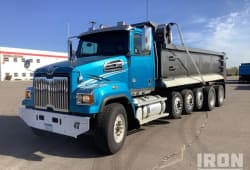
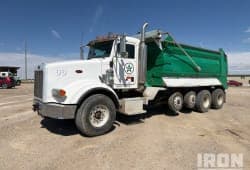
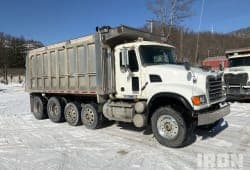
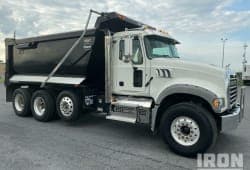
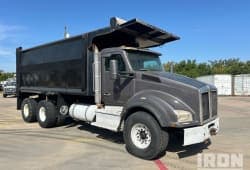
Standard dump trucks, also known as rigid dump trucks, are the most common type used in many industries. These trucks consist of a cab and a trailer attached to a rigid frame. They are equipped with a hydraulic system that allows for easy lifting and tilting of the trailer, enabling efficient loading and unloading of materials.
Standard dump trucks offer several benefits, including versatility, simplicity, and ease of maintenance. They are well-suited for a wide range of construction and hauling tasks, making them a reliable choice for many businesses. Additionally, due to their widespread use, standard dump trucks often have a larger resale market, making it easier to find replacement parts and support.
Articulated Dump Trucks: When to Use Them
Articulated dump trucks, also known as ADTs, are designed for off-road applications and challenging terrains. These trucks feature a hinge between the cab and the trailer, allowing for better manoeuvrability and stability on uneven surfaces. Articulated dump trucks are commonly used in mining, quarrying, and large-scale construction projects.
One of the key advantages of articulated dump trucks is their ability to navigate through tight spaces and difficult terrains. The articulated joint between the cab and trailer allows for enhanced manoeuvrability, making them ideal for operations in confined areas. Additionally, the excellent weight distribution of ADTs ensures better stability, reducing the risk of accidents in challenging environments.
Transfer Dump Trucks: Pros and Cons
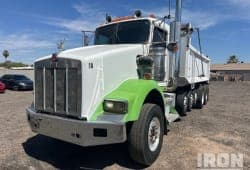
Transfer dump trucks, also known as slam-bang trucks or triple-trailer dump trucks, are unique in their design. These trucks feature a trailer with a movable cargo container that can be unloaded by raising the front end and quickly sliding the container backwards. Transfer dump trucks are commonly used for hauling materials in construction and mining.
One of the main advantages of transfer dump trucks is their ability to carry significantly larger loads compared to standard dump trucks. The multiple trailers allow for increased carrying capacity, making them efficient for large-scale projects. However, transfer dump trucks are more complicated to operate and maintain, requiring skilled and experienced drivers.
Read Also: Everything You Need to Know About Articulated Trucks
Side Dump Trucks: Unique Advantages
Side dump trucks are designed to unload materials by tilting the truck bed to the side. This unique dumping mechanism offers several advantages over traditional rear dump trucks. Side dump trucks are commonly used in construction, agriculture, and hauling operations that require precise unloading, such as tunnel construction and roadwork.
The main advantage of side dump trucks is their ability to unload materials in a linear fashion, allowing for precise and controlled placement. This is particularly useful when working in narrow spaces or alongside existing structures. Additionally, the side dumping mechanism reduces the risk of the truck tipping over during unloading, enhancing safety and efficiency.
Off-Road Dump Trucks: Ideal for Tough Terrains
 Off-road dump trucks, also known as quarry trucks or haul trucks, are specifically designed for rugged terrains and extreme conditions. These trucks are built to handle heavy loads in demanding environments, such as mining sites, quarries, and large construction projects.
Off-road dump trucks typically feature larger wheels and a robust suspension system to navigate through challenging terrains with ease. They are capable of carrying massive loads over long distances and steep inclines, making them ideal for operations that involve hauling materials in off-road settings. These trucks often come equipped with advanced safety features to ensure stability and minimize the risk of accidents in demanding working conditions.
As you can see, each type of dump truck has its own unique features and advantages. Whether you need a versatile standard dump truck, a maneuverable articulated dump truck, a high-capacity transfer dump truck, a precise side dump truck, or a rugged off-road dump truck, there is a perfect option out there for your business needs. Consider your requirements and operational challenges to make an informed decision and maximize the efficiency of your operations.
Dump Truck Types Compared
Dump trucks differ in their body configuration, payload capacity, unloading method, and intended operating environment. Understanding these differences can help businesses identify which truck is best suited to their hauling requirements.
 The right configuration depends on the material being hauled, required payload, jobsite conditions, transportation route, and unloading method. Always verify the specific truck's specifications before making a purchase.
Payload Capacity vs. Dump Body Volume
Payload capacity and dump body volume are two different measurements that buyers should understand before choosing a dump truck. Payload capacity refers to the maximum weight of material the truck is rated to carry, while body volume describes how much space is available inside the dump body.
For example, a truck may have enough body space to hold a large volume of gravel, but the material could exceed its rated payload before the body is full. Dense materials such as wet soil and crushed stone can reach weight limits more quickly than lighter materials.
When evaluating dump trucks, consider:
Manufacturer-rated payload capacity.
Dump body volume in cubic yards or cubic meters.
Material density and moisture content.
Gross vehicle weight and axle ratings.
Applicable legal weight restrictions.
Choosing a truck based on both weight and volume helps prevent overloading and supports more efficient hauling operations.
On-Road vs. Off-Road Dump Trucks
On-road and off-road dump trucks are designed for different transportation environments. Understanding their differences helps businesses choose equipment that matches their routes and jobsite conditions.
On-road dump trucks are designed for travel on public roads and commonly transport construction materials, gravel, sand, and debris between locations. Their configurations must comply with applicable vehicle, axle-weight, and road regulations.
Off-road dump trucks are built for hauling materials within mines, quarries, and large construction sites. They are designed to operate on dedicated haul roads and challenging terrain, with specifications suited to demanding material-moving operations.
Before selecting either type, evaluate the distance between loading and unloading points, road access, terrain, required payload, and whether the vehicle must travel on public highways.
Semi-Trailer End Dump and Bottom Dump Trucks
In addition to standard, articulated, transfer, and side dump trucks, businesses may also consider semi-trailer end dump and bottom dump configurations.
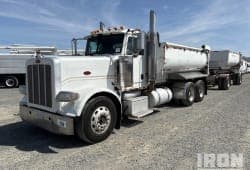
Semi-trailer end dump trucks use a tractor and trailer combination with a hydraulically raised trailer body that unloads material through the rear. They are commonly used for transporting bulk materials over longer distances, where road access and unloading space are suitable.
Bottom dump trucks discharge material through gates located underneath the trailer. This configuration is useful for spreading materials in a controlled manner, particularly in certain road construction and aggregate applications.
Both configurations require suitable loading areas, unloading clearance, and operating procedures. Buyers should assess route restrictions, trailer specifications, material type, and jobsite conditions before selecting either option.
Factors to Consider When Selecting a Dump Truck for Your Business
Choosing the right dump truck for your business involves considering various factors that can greatly impact your operations. By evaluating your business needs and understanding the requirements of your projects, you can make an informed decision regarding the type of dump truck that best suits your requirements.
Equipo relacionado
Examinar todas las Camiones volquetes
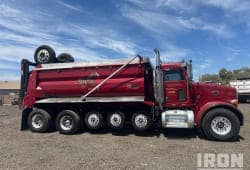
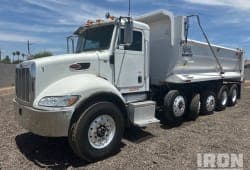
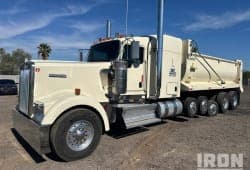
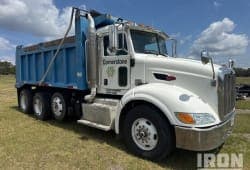
When it comes to evaluating your business needs, there are several aspects to consider. The nature of your operations plays a significant role in determining the type of dump truck you need. Are you involved in construction, mining, or waste management? Each industry may have specific requirements and challenges that need to be addressed.
Furthermore, the types of materials you need to transport are crucial in selecting the right dump truck. Are you dealing with loose aggregates, heavy rocks, or hazardous materials? Different dump trucks are designed to handle specific types of materials, so it's essential to choose one that can accommodate your cargo safely and efficiently.
Another important consideration is the specific requirements of your projects. Do you need a dump truck with a high dumping capacity for large-scale projects, or will a smaller truck suffice for your daily operations? Understanding the scale and scope of your projects will help you determine the appropriate size and capacity of the dump truck.
Collaborating with your team and engaging relevant stakeholders will provide valuable insights into the specific needs and challenges of your business. By gaining a thorough understanding of your requirements, you can effectively narrow down your choices and select the dump truck that best addresses your needs.
Load capacity is a critical consideration when selecting a dump truck for your business. It is essential to determine the maximum weight of materials you need to transport regularly. Consider factors such as the density of materials and any legal weight limitations in your area.
Choosing a dump truck with a load capacity that matches your requirements ensures efficient transportation with minimal trips. Overloading a dump truck can lead to safety hazards, increased fuel consumption, and excessive wear and tear on the vehicle. Conversely, using a truck with a lower load capacity may result in frequent trips, affecting productivity and operational costs.
Additionally, considering the terrain and job site conditions significantly impacts the performance and manoeuvrability of a dump truck. Evaluate the topography, soil conditions, and weather patterns of your typical work areas to determine the appropriate type of dump truck.
How to Find the Best Used Dump Trucks for Sale?
For off-road or uneven terrains, articulated dump trucks or off-road dump trucks with robust suspension systems may be the most suitable choice. If you often encounter narrow spaces or require precise unloading, side dump trucks may be the preferred option. Understanding the unique demands of your job sites will help you select a dump truck that can effectively navigate the terrain and provide optimal performance.
When it comes to selecting a dump truck, fuel efficiency, and maintenance costs play a crucial role. Evaluating the fuel consumption rates of different types of dump trucks and comparing them to your expected transportation needs can help you make an informed decision.
Additionally, it is important to assess the maintenance requirements and associated costs of each type of dump truck. Consider factors such as the availability of spare parts, manufacturer support, and the expertise required for maintenance and repairs. Understanding the long-term costs associated with owning and operating a dump truck assists in making an informed investment decision.
Making the Right Investment: New vs. Used Dump Trucks
Once you have determined the type of dump truck that suits your business needs, you must decide whether to invest in a new or used vehicle. Both options have their advantages and considerations, and it's important to evaluate them based on your specific circumstances.
The Benefits of Buying New Dump Trucks
Investing in a new dump truck offers several benefits, including reliability, warranty coverage, and the latest technological advancements. New vehicles provide peace of mind, as they come with manufacturer warranties, ensuring support and assistance in case of any issues or defects.
New dump trucks are also equipped with the latest safety features, fuel efficiency enhancements, and technological advancements. These advancements can contribute to improved performance, increased productivity, and reduced operational costs. Moreover, new vehicles require less maintenance initially and often come with more extended lifespans.
When purchasing a new dump truck, you have the opportunity to customize the vehicle to your specific requirements. Whether it's adding specialized equipment or choosing the color scheme, a new dump truck allows you to tailor the vehicle to your business's unique needs.
Furthermore, new dump trucks often come with the latest telematics systems, allowing you to track and monitor the vehicle's performance, fuel consumption, and maintenance needs. This data can help you optimize your operations and make informed decisions to maximize efficiency.
Why Opting for Used Dump Trucks Can Be a Smart Choice
While new dump trucks offer advantages, opting for used vehicles can be a cost-effective choice for businesses with budget constraints. Used dump trucks generally come at a lower price point, allowing you to save on the initial investment.
Additionally, the used dump truck market offers a wide selection of vehicles, allowing you to find a model that suits your requirements. With proper research and evaluation, you can find used dump trucks that have been well-maintained and are still in good operating condition. Purchasing from reputable sellers or dealerships enhances the likelihood of acquiring a reliable used dump truck.
When considering used dump trucks, it is essential to thoroughly inspect the vehicle's condition, history, and maintenance records. Engaging a qualified mechanic or truck expert can help ensure that you are making a sound investment decision.
Moreover, buying a used dump truck can provide immediate availability, as opposed to waiting for a new vehicle to be manufactured and delivered. This can be advantageous if you have urgent projects or need to replace a truck quickly.
Another benefit of purchasing a used dump truck is that it may already have certain aftermarket modifications or accessories installed. This can save you time and money compared to adding these features to a new vehicle.
Furthermore, used dump trucks have a track record of performance and reliability. By researching the model's history and reading reviews from other users, you can gain insights into the vehicle's durability, fuel efficiency, and overall satisfaction.
Lastly, buying a used dump truck can be a sustainable choice, as it reduces waste and extends the vehicle's lifespan. By giving a pre-owned truck a second life, you contribute to the conservation of resources and minimize the environmental impact associated with manufacturing new vehicles.
Dump Truck Safety During Loading and Unloading
Safe dump truck operation requires attention to loading, travel, and unloading conditions. Improperly distributed loads, unstable ground, overhead obstructions, and unsafe dumping practices can create serious hazards.
Operators and site supervisors should:
Distribute material evenly within the dump body.
Stay within the manufacturer's rated payload and applicable weight limits.
Use suitable, firm, and level ground for unloading.
Keep clear of overhead electrical lines and other obstructions.
Avoid raising the dump body while traveling unless the equipment is specifically designed and approved for that operation.
Keep pedestrians and other vehicles away from dumping areas.
Follow the manufacturer's operating instructions and site-specific safety procedures.
Dump truck rollover, struck-by, and electrical hazards can cause severe injuries. NIOSH provides specific guidance for employers and workers on preventing dump truck-related injuries and fatalities at construction sites.
Understanding Dump Truck Ownership and Operating Costs:
The purchase price is only one part of owning a dump truck. Businesses should evaluate the total cost of ownership to understand whether a particular truck is financially suitable for their operations.
Common ownership and operating expenses include:
Fuel and fluid consumption.
Tires and replacement components.
Routine servicing and preventive maintenance.
Engine, transmission, and hydraulic repairs.
Insurance and registration.
Operator expenses.
Transportation and delivery.
Downtime and lost productivity.
A truck with a lower purchase price may have higher maintenance or fuel expenses. Compare expected operating costs, service availability, and the truck's suitability for your regular workload before making a final decision.
Expert Considerations When Choosing a Dump Truck
Selecting a dump truck requires evaluating more than its size and advertised payload capacity. Buyers should consider the truck's configuration, intended application, material density, hauling distance, terrain, and unloading requirements.
Manufacturer specifications provide essential information about rated payload, body volume, operating weight, and vehicle limitations. For used equipment, buyers should also review maintenance records and inspect the engine, transmission, hydraulic hoist, dump body, chassis, tires, and braking systems.
For specialized mining, quarrying, or heavy-hauling operations, consult equipment manufacturers or qualified industry professionals to confirm that the selected truck meets the project's operating requirements. A thorough evaluation helps businesses make more informed equipment investments.
Frequently Asked Questions About Dump Trucks
What are the main types of dump trucks?
Common types include standard dump trucks, articulated dump trucks, transfer dump trucks, side dump trucks, off-road mining trucks, semi-trailer end dumps, and bottom dump trucks.
What is the difference between a standard dump truck and an articulated dump truck?
A standard dump truck typically has a dump body mounted on a rigid truck chassis. An articulated dump truck has a hinged connection between the front tractor section and rear dump body, helping it maneuver on uneven off-road terrain.
Which dump truck is best for construction?
The best option depends on the project. Standard dump trucks are useful for general material hauling, while articulated dump trucks are designed for challenging off-road conditions. Transfer and other trailer configurations may suit specific bulk-hauling operations.
How do I determine the right dump truck capacity?
Consider the weight and volume of the materials being transported, the truck's rated payload, axle and gross vehicle weight limits, and applicable regulations. Material density and moisture content can affect how much a body can safely carry.
What should I inspect before buying a used dump truck?
Inspect the engine, transmission, frame, dump body, hydraulic hoist, tires, suspension, brakes, steering, and maintenance history. A professional inspection is recommended before purchasing.
Conclusion: Choosing the Best Dump Truck for Your Business Needs
Selecting the best dump truck for your business involves understanding the importance of dump trucks in your industry and evaluating the available options based on your business needs. Consider the different types of dump trucks, such as standard, articulated, transfer, side, and off-road, and assess their features and benefits in relation to your requirements.
Factors such as load capacity, terrain conditions, fuel efficiency, and maintenance costs further assist in making an informed decision. Finally, consider whether a new or used dump truck is the right investment option for your business, weighing the advantages of reliability and advanced features against the cost-effectiveness of used vehicles.
By thoroughly assessing your business needs and considering the various factors involved, you can confidently select the best dump truck that meets your requirements and contributes to the success of your business.
Visit Boom & Bucket to buy and sell your machinery.
Caleb Woods is an experienced content specialist and an editor at Boom & Bucket, blending his journalism background with expertise in the heavy equipment industry. He delivers engaging, informative content to help professionals stay informed and make smarter decisions in the machinery market.
Artículos relacionados
Más en Insight